Protecting Children's Education in Emergencies
Highlights
- Attacks on schools are rising, endangering children’s lives, education and futures.
- School closures increase risks of recruitment, exploitation, abuse and psychological harm.
- UNICEF restores learning through safe spaces, school repairs, supplies and psychosocial support.
- Safe Schools programs help communities protect students, teachers and education facilities.
- UNICEF urges stronger laws, accountability, safety planning and investment in education.
Sept. 9 is International Day to Protect Education from Attack. A look at how UNICEF works with partners around the world to protect children's right to education in emergencies
Schools under fire in conflict zones across the world in attacks that threaten children's lives and futures
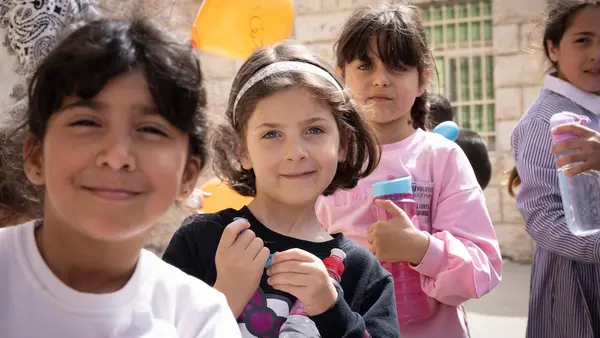
UNICEF recognizes education as a fundamental human right. For children, learning is both lifesaving and life changing, providing protection, stability and the foundation for a brighter future.
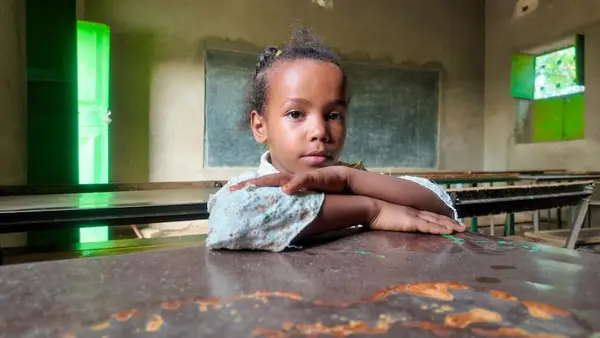
A child’s right to safe access education becomes even more essential in times of crisis or conflict. And yet that right is being violated almost daily around the world, as attacks on education by parties to conflict continue to rise in scale and intensity in violation of international law, with limited accountability.
Schools are damaged, destroyed or used by armed groups. Children, teachers and other school staff are exposed to threats, violence and even death. There were 8,566 reported attacks on schools and other places of learning last year — a sharp increase from the roughly 6,000 attacks reported in both 2022 and 2023.
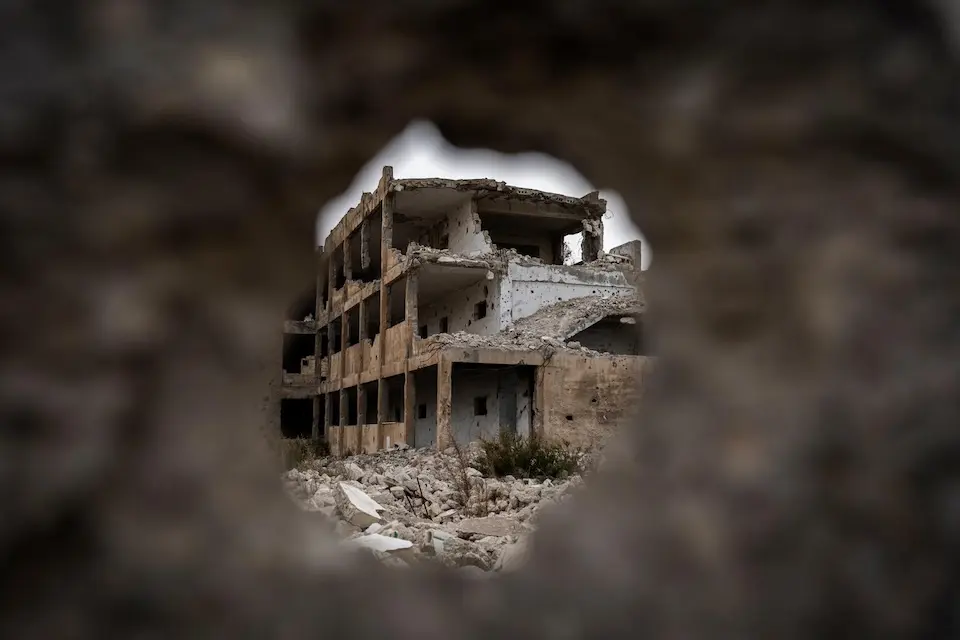
Outside of the classroom, children face risks as they make their way to and from school. When schools close, protection risks and grave violations against children increase, including forced recruitment by armed groups and other forms of exploitation and abuse.
Children's exposure to violence, fear of attacks, repeated displacement and social isolation exact a severe psychological toll. Repeated attacks on education weaken national education systems, erode human capital and undermine the foundations for recovery, social cohesion and peace.
International Day to Protect Education from Attack, observed on Sept. 9, highlights the urgent need to keep schools, students and teachers safe during armed conflicts.
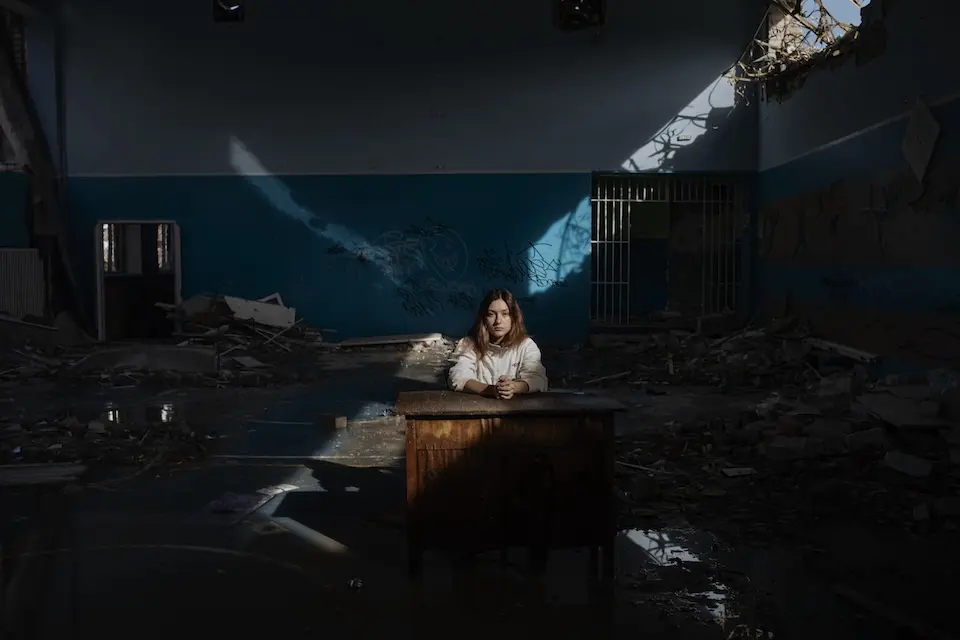
Restoring safe access to education for children in conflict
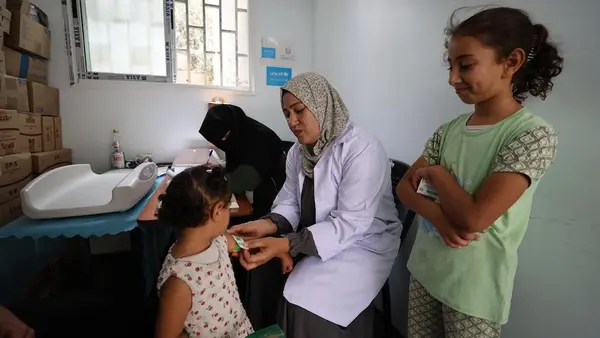
UNICEF's role is to help children in conflict-affected countries get back to learning — safely — by support temporary learning spaces, rehabilitating schools, developing school safety plans, training teachers, distributing teaching and learning supplies and providing psychosocial support for children.
UNICEF makes education an integral part of its response to emergencies. Beyond the value of learning, maintaining access to education provides children with a sense of normalcy, social connection, hope and access to other services during crises.
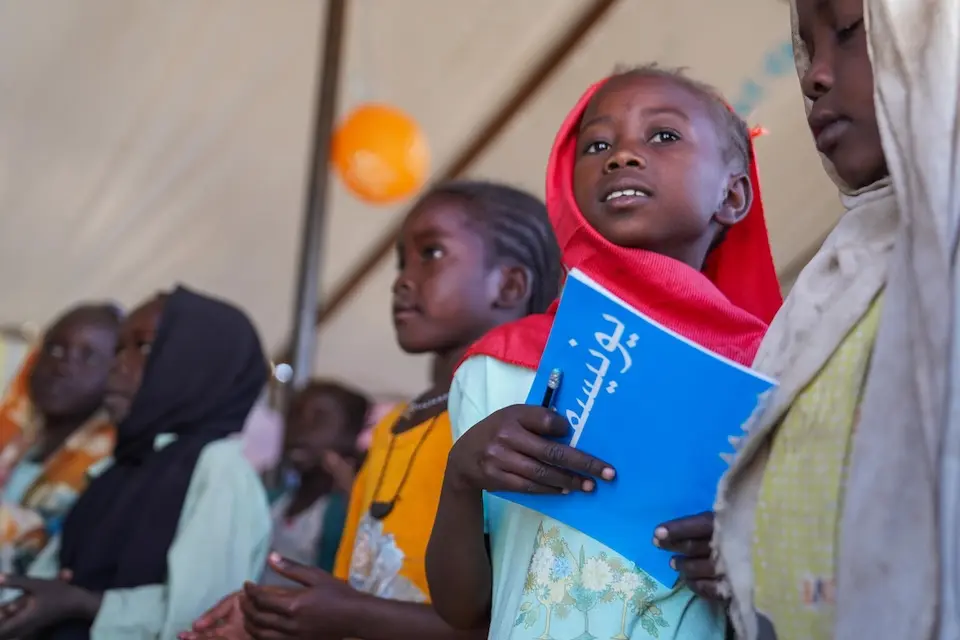
With UNICEF's support, children in Ukraine and Lebanon are able to continue their education through online and hybrid learning despite constant disruptions and fear. In Gaza and Sudan, temporary learning spaces and community-based education have provided critical continuity.
Learn more about how UNICEF supports children's education
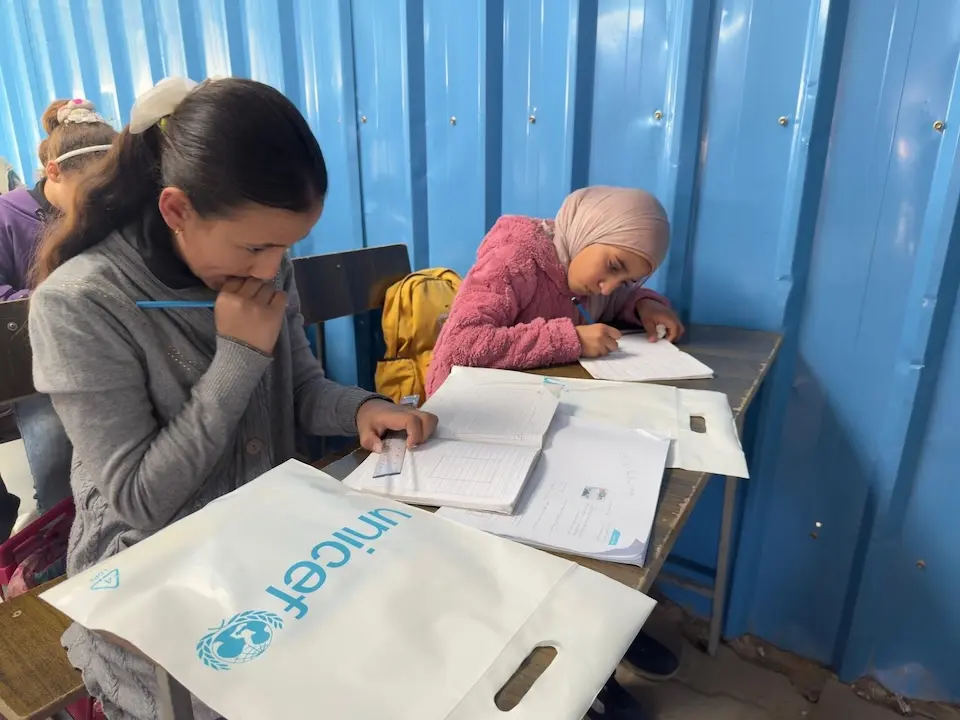
Supporting countries committed to Safe Schools
Ensuring safe access to education is not just a short-term emergency response action, but an ongoing process — and a community-driven one. UNICEF supports localized efforts toward establishing safe schools as part of its broader mission, and guided by the Safe Schools Declaration, a political commitment endorsed by 123 countries to date.
The Safe Schools Declaration is essentially a pledge to better protect students, teachers, schools and universities during armed conflicts; support the continuation of education during war; and to put concrete measures in place that deter the military use of schools. As a key partner and global advocate for Safe Schools, UNICEF actively urges countries to endorse and implement Safe School guidelines, and works in-country to support localized Safe Schools programs as part of ongoing school-based interventions to end violence against children and protect education during crises.
In Syria, a country still recovering from a 14-year civil war, UNICEF reported measurable reductions in school violence and meaningful improvements in the learning environment in hundreds of schools across 12 governorates as a result of Safe School programming that began in 2024. Syria's Ministry of Education has since requested UNICEF’s support to develop a national framework for school safety.
In Nigeria, with UNICEF support, 40,000 school-based management committee members in eight states were trained to develop, implement, and monitor school improvement plans, strengthening the community accountability that keeps schools functioning, safe and responsive.
A call to action to protect children and their education during conflicts and other emergencies
At a time of rising attacks on schools, UNICEF is advocating for urgent action from all parties to protect education from attack so that children can continue their learning journey in a safe environment and be able to build their future as a humanitarian, development and security priority.
UNICEF joins partners in calling for UN member states to:
-
uphold international law by taking concrete measures to prevent attacks on schools, students, and educators
-
translate political commitments to establishing and maintaining safe schools into domestic policy, legislation and military practices — including by prohibiting the military use of schools
-
promote accountability and end impunity by denouncing grave violations and publicly condemning attacks on education to ensure they are not normalized, and moving from monitoring and reporting to enforcement and ultimately, to justice by investigating incidents and holding perpetrators accountable
-
ensure continuity of safe and inclusive learning even in times of crisis, by investing in preparedness action, adaptive, flexible, and resilient education systems, safe learning spaces, hybrid learning and community-based approaches—to ensure all children can continue learning despite insecurity and disruption
-
implement risk-informed school safety measures and learning continuity plans, and ensure inclusive access to all, especially for girls, displaced and marginalized groups
-
invest in education to support recovery, build resilience and lasting peace, including by prioritizing and protecting funding for education and protection and addressing critical resource gaps
-
safeguard and strengthen monitoring and reporting on attacks on education through predictable, multi-year funding for reporting mechanisms to prevent data gaps, under-reporting and reduced field presence
-
listen to children and young people and include their perspectives when adopting policies and ensure responses reflect their needs and aspirations
Learn more: read "Education Under Attack," a report produced by the Global Coalition to Protect Education from Attack. UNICEF is a member of the GCPEA steering committee.
HOW TO HELP
There are many ways to make a difference
War, famine, poverty, natural disasters — threats to the world's children keep coming. But UNICEF won't stop working to keep children healthy and safe.
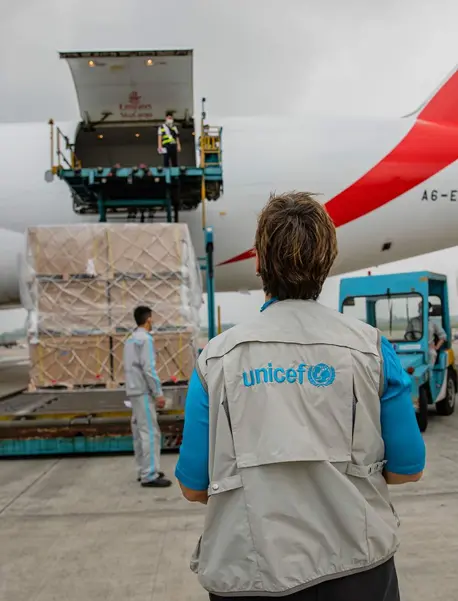
UNICEF works in over 190 countries and territories — more places than any other children's organization. UNICEF has the world's largest humanitarian warehouse and, when disaster strikes, can get supplies almost anywhere within 72 hours. Constantly innovating, always advocating for a better world for children, UNICEF works to ensure that every child can grow up healthy, educated, protected and respected.
Would you like to help give all children the opportunity to reach their full potential? There are many ways to get involved.