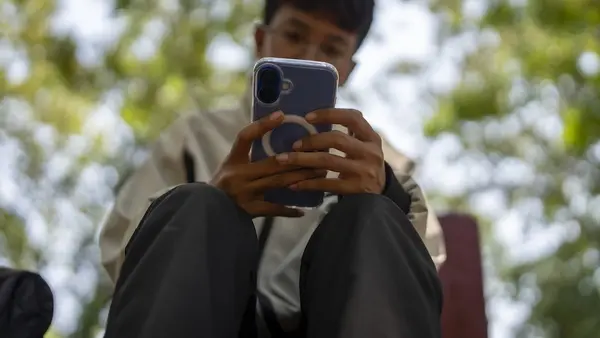
How to Protect Your Child's Privacy Online
Privacy settings and parental controls are important tools for protecting children’s right to privacy and keeping them safe. But it's also important to teach kids how to navigate the online world responsibly on their own. A checklist for parents and caregivers — and pointers on how to talk to kids about staying safe.
Mitigating risks for children growing up with digital technology
Children growing up in today's world face greater risks to their privacy, identity, reputation and safety than ever before. Every click, every share, every comment and every post we make online creates a digital record that can be impossible to erase.
Parents and caregivers can support children by equipping them with the knowledge and tools they need to navigate the online world independently and responsibly. Here are some essential tips to help protect your child's privacy online.
Check devices
Make sure that every device your child uses — their smartphone, tablet and computer, really any internet-connected device — is up-to-date and running the latest software. This helps protect against security risks like unauthorized access, identity theft and data breaches.
Check the privacy settings for each device to minimize what data is being collected and shared, including location and photos, and to control access to cameras and microphones. Keep webcams covered when not in use.
Check settings
Review the settings section of the social media platforms, games and apps that your child uses. Look for privacy, security and account settings to manage who can see their information and contact them.
Many of these platforms and apps also request access to your camera, microphone, contacts, photos and location. Review the permissions for each and disable or limit those that seem excessive or inappropriate for your child’s age and development.
Set parental controls
There are a range of parental controls that you can use on many devices, platforms, apps, games and internet service providers. These tools allow you to manage privacy settings, as well as things like what content is appropriate, screen time limits and online purchases.
Try to familiarize yourself with what is available on each — if you search online for the name of the device, platform or game, and the keyword phrase "parental controls," you should find guidance and tips from online safety experts and other parents.
Check online safety sites and parenting communities for guidance. Internetmatters.org offers a useful guide.
Prioritize family privacy
Review tools that other family members use, including internet browsers, email providers and messaging platforms. Choose ones that prevent tracking, block ads and offer the most privacy.
Create strong passwords to help keep accounts secure. Use multi-factor authentication for additional security when possible. Consider using a password manager tool, and never share passwords with others. Use antivirus software.
And stay up-to-date. Privacy settings and related features are always evolving. Set a reminder to check every few months for updates and to adjust privacy settings as needed.
Support children's digital literacy
Start early. When children begin using digital devices, introduce them to the idea of privacy — both as a right and as a key to staying safe online. Use age- and developmentally appropriate language to explain why we need to keep personal information safe and how what we do online leaves a lasting record, or digital footprint.
Choose child-friendly platforms
Find suitable apps and games that prioritize safety and privacy for your child. Check sites like Common Sense Media for reviews and speak to other parents for their recommendations.
Establish family rules
Explain what information they should always be careful about sharing online, such as their full name, birthday, address, phone number, school name or other personal details. Remind them to never share passwords even with their close friends. Be mindful of your own online behavior and how you can set a positive example.
Guide children's online activities
Try out new apps, games and platforms together and help guide them in making safe choices. When introducing something new, make sure the settings are set to minimize data collection from the start.
Explore together how to create strong passwords and to use different ones for each account. Passwords should be something easy to remember but not for others to guess (so no personal information); over eight characters in length; and include numbers, letters, capital letters and symbols.
Related: Protecting Your Child From Cyberbullying
Build critical thinking
Explain to your child that, just like in real life, not everyone they meet online is trustworthy. Teach them to be cautious when interacting with others online — and not to click on or share suspicious links or email attachments. Explain who they can trust with personal information like their home address. Teach them to check that sites begin with "https" and have a padlock symbol in the browser bar.
Encourage your child to stop and think before posting or sharing anything online. Remind them that once something is shared on the internet, it can be impossible to remove it, and it might be seen by others who they didn’t intend to receive it.
For parents of older children and teens: encourage open conversation
Ask older children to show you their favorite platforms and explore them together — including the privacy settings and safety tools. Share the above checklist, and make sure they’re familiar with what information is being collected and shared.
Ask if they have ever felt pressure to share personal information online or know someone who has. Discuss with them what they would do if they ran into any issues online. Encourage them to always come to you or another trusted adult with any questions or concerns and emphasize that, no matter the situation, their safety and well-being is your biggest concern.
Talk about their digital footprint
Encourage kids to think carefully about what they do online, and how everything we post can potentially stay online forever. Discuss the risks associated with sharing photos online and how these photos can be seen and used by others. Remind them that our online actions can have real-life harmful consequences and may even affect our future school and job opportunities.
Emphasize the right to privacy
Make sure kids are aware of their right to privacy, including their right to request access, correction and deletion of data. It can be an interesting activity to exercise their right to data access together and find out what information a social media company holds about them. Such “data access” reports often contain all the data derived from our online activities, including personal interests, behavior and psychological traits. If you simply search for “data access report” and the name of the social media platform, you should find instructions on how to submit a request.
Respect independence
Involve your teen in decisions about their online privacy. Talk through your concerns and listen in a non-judgmental way to what they have to say. As your child grows in experience online, try to find ways to empower them to take more age-appropriate responsibility while staying aware of their online activities.
This article was previously published on unicef.org
Check out UNICEF USA's Parenting Resources hub for more advice for parents and caregivers
Learn about what UNICEF does to support and protect children worldwide