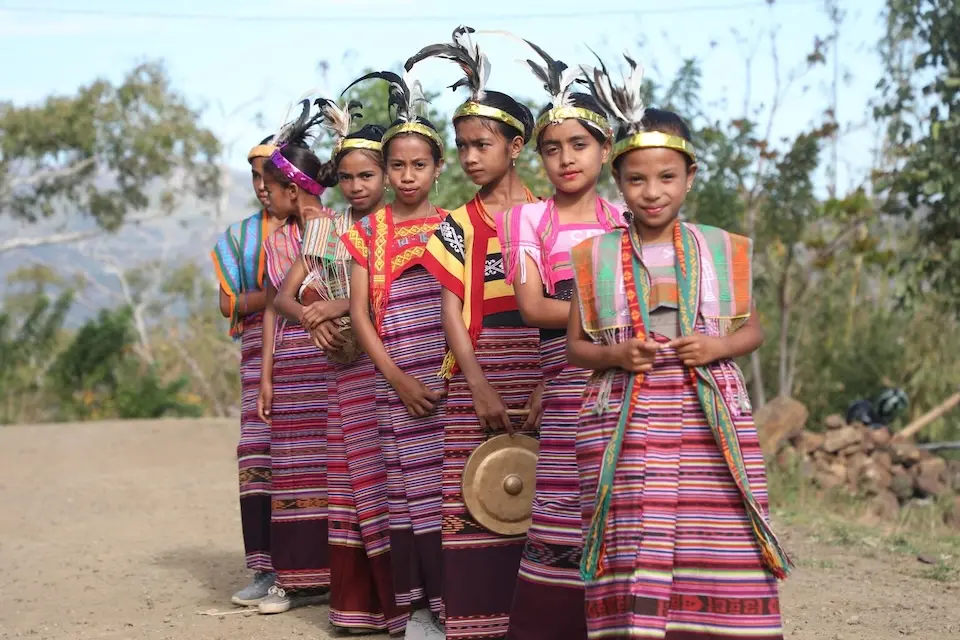
Help Children in Timor‑Leste
Declaring independence in 2002 after emerging from decades of war, Timor-Leste is one of the poorest nations in Southeast Asia with a number of dire needs. UNICEF continues to work with community partners, NGOs and the government to address issues of malnutrition, violence towards children and inadequate health and WASH resources in rural areas where most Timorese live.
For the people of Timor-Leste, previously known as East Timor, peace and sustained development are relatively recent phenomena.
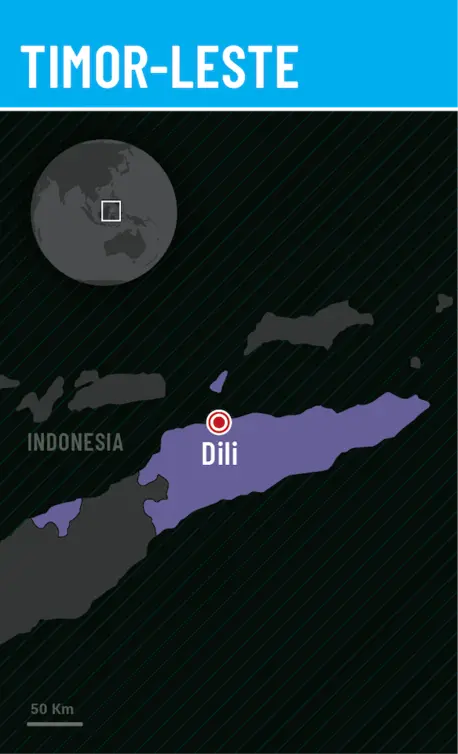
In 1975, the small island nation had just emerged from four centuries as a Portuguese colony, when it was invaded by neighboring Indonesia one month later. For the next 25 years, residents of the country would endure brutal conditions from an Indonesian crackdown on civic unrest that left more than 100,000 East Timorese dead.
With assistance from the United Nations, the country declared independence in 2002 after a historic referendum. A violent civil conflict erupted again in 2006, but the republic has enjoyed relative calm since then, with international support.
Decades of war, however, have taken a toll: Timor-Leste — the name combines the Malay and Portuguese words for "east" — is one of the poorest nations in the region. The economy is over-reliant on agriculture and a declining oil industry.
Forty-two percent of the population lives below the poverty line. There is a dearth of medical services, schools and sanitation for the 70 percent of the population living in underdeveloped rural areas. Timor-Leste ranks 110th out of 117 countries on the Global Hunger Index.
Why UNICEF works in Timor‑Leste
UNICEF partners with local community groups, non-governmental organizations and the national and municipal governments to tackle a range of critical issues in Timor-Leste — work that has been ongoing since 2002, the year the nation declared its independence.
Following a mandate to protect, support and nurture children, UNICEF’s work is crucial in a country that is young in all senses of the word: 42 percent of the population is under 18.
UNICEF supports and works with local partners to deliver health, nutrition, child protection, education and water, sanitation and hygiene (WASH) services to children in need across Timor-Leste’s 13 municipalities.
UNICEF’s regional impact in Asia
Challenges facing children in Timor‑Leste
Timor-Leste has the highest child mortality rate in Southeast Asia; 1 in 24 children do not survive past age 5. Malnutrition is also endemic: Nearly half of all children under the age of five suffer from stunted growth.
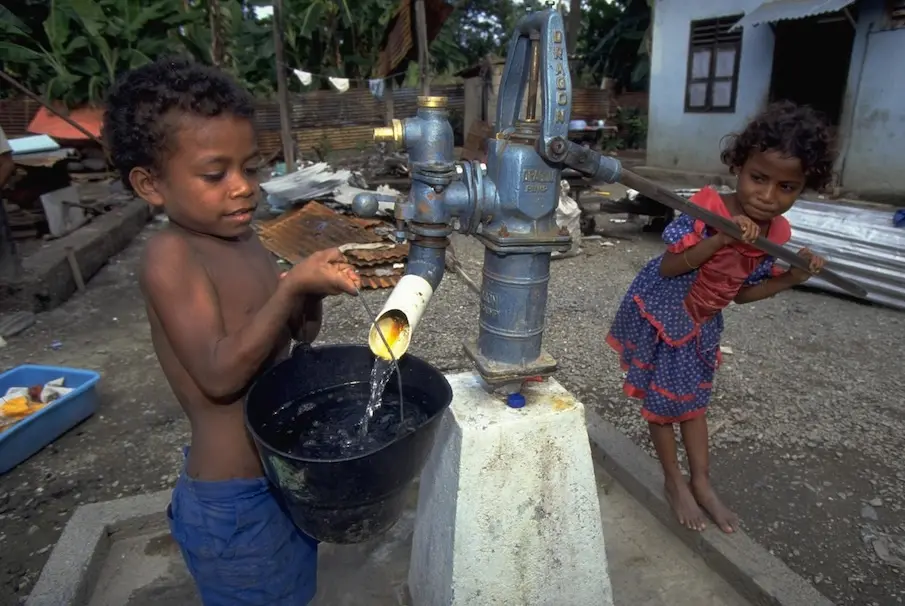
More than two thirds of Timorese live in rural areas, where there is a shortage of health clinics and where 50 percent of local health posts have no access to water.
Overcrowded schools, shortages of educational materials and inadequately trained teachers have led to low enrollment levels and high dropout rates after primary school. Nearly 37 percent of rural youth are illiterate, and two thirds of schools do not have functioning toilets. The government has prioritized improving the situation, but education spending remains the lowest in the region.
Even in an era of relative peace, child protection remains an issue. Three in 10 women aged 15 to 19 report that they have experienced physical violence, a proportion that is likely higher due to unreported cases.
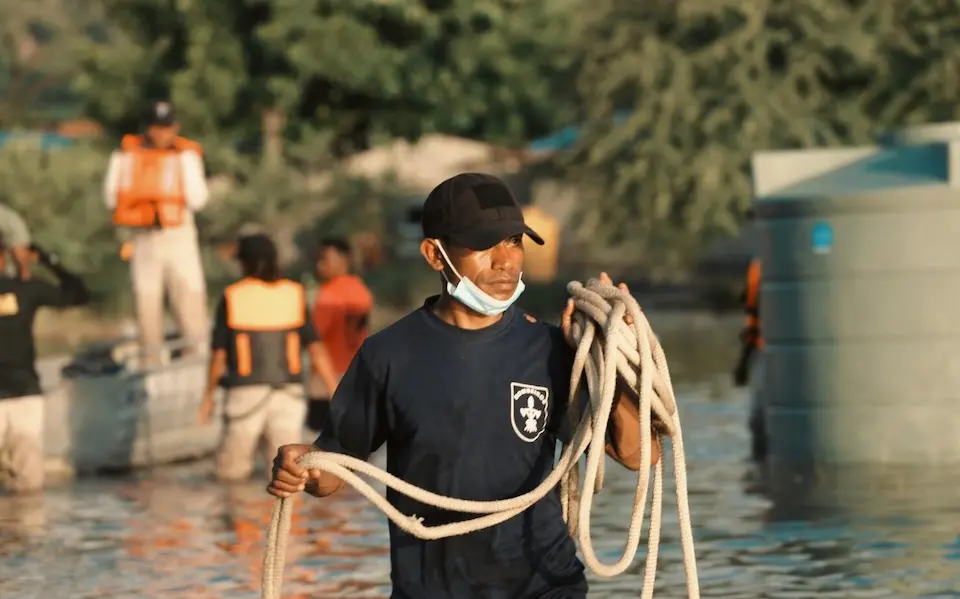
The island country is also vulnerable to droughts and flooding, conditions that have grown worse due to climate change. In April 2021, deadly flash floods destroyed 4,000 homes.
How UNICEF is making a difference
Health and nutrition programs
UNICEF has played a major role in tackling a number of crises that endanger children’s health in Timor-Leste.
With 47 percent of children under age 5 suffering from stunting due to malnutrition, a national push is under way to improve access to healthy food. UNICEF works to improve maternal, early childhood and adolescent nutrition in alignment with the government's own multi-year strategic plan.
The establishment of Mother Support Groups has helped bring cooking and nutritional training to new mothers across rural areas. The volunteers that staff the groups also provide referral services for further care.
“Our role is to guide families with simple, local solutions — like balanced meals, breastfeeding and hygiene — so every child has the chance to thrive," says Maria Madalena, a Mother Support Group coordinator. "Besides visiting homes, we also hold regular cooking demonstration sessions, where caregivers are given lessons on how to prepare balanced meals using local ingredients.”
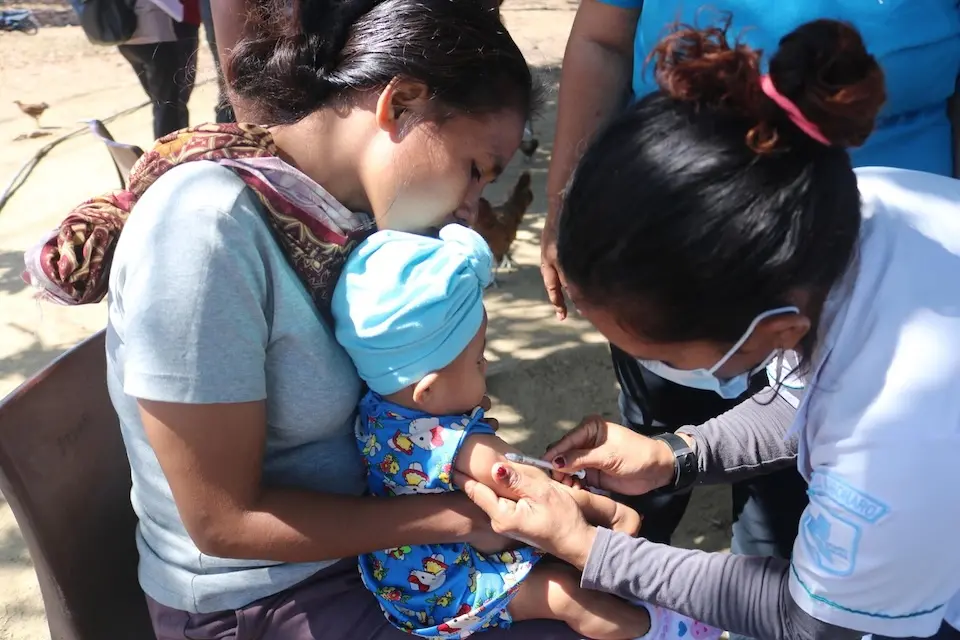
Immunization programs have also been a major priority. For example, the vaccine against the Human Papillomavirus (HPV), which causes cervical cancer and other diseases among women, was introduced on a national scale in 2024. With funding support from partners, UNICEF contributed doses of the vaccine that were made available at clinics and centers across the country.
UNICEF also supported a radio and TV ad campaign that aired across the country to raise awareness, as well as printing informational pamphlets. Timor-Leste achieved 100 percent HPV vaccination coverage within weeks of the national rollout.
UNICEF's approach to child health
Improving access to education
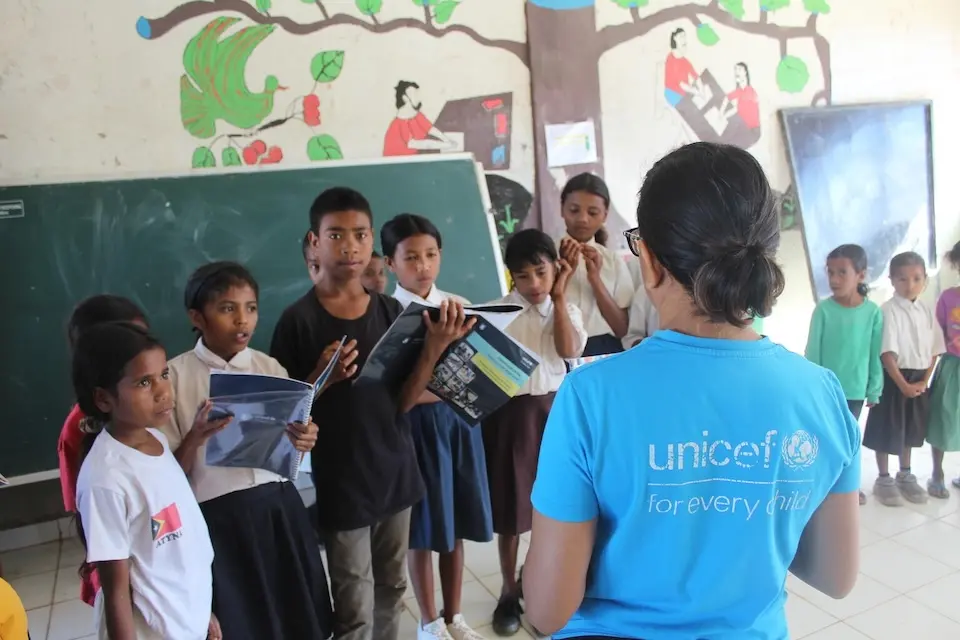
UNICEF continues to facilitate improvements in education across the country, with an emphasis on underserved rural areas, in alignment with the government's own strategic plan.
Since 2009, UNICEF has been working with the government to build out the educational infrastructure in the country. That has led to the construction of new schools and the rehabilitation of existing ones to add classrooms and water connections. Other efforts are being undertaken to increase access to schooling for children with disabilities.
To help combat low rates of preschool participation in a country where only 20 percent of eligible children are enrolled, UNICEF supports an alternative preschool initiative. That program, staffed by trained volunteers, serves rural communities that don’t have access to public preschools.
UNICEF also supports teacher training through the Ministry of Education to modernize educational methods and move away from corporal punishment. The Eskola Foun training program emphasizes active learning, democratic participation, inclusion and open communication with parents.
“We teachers fight for three things: their cleverness, their character and their health,” said Lurdes Gonçalves, a fifth grade teacher in Matata who trained in the program. “I hope they take these things to carry our country into the future.”
Timor-Leste was one of the first countries to roll out an online educational platform called the Learning Passport, a collaboration between UNICEF, Microsoft and the University of Cambridge. The online curriculum proved critical during the COVID-19 pandemic for helping students continue their education at home.
A 2023 report on gaps in girls digital literacy in Timor-Leste, Vietnam and other countries in the region helped highlight additional ways to improve quality and equity in education.
UNICEF’s global education solutions
Protecting vulnerable children
In a country where only 27 percent of children are registered with a birth certificate, too many young Timorese are missing out on needed social services. Domestic violence is also a problem: A survey showed 7 in 10 children experience physical violence.
The importance of birth registration to protect children
UNICEF is addressing these issues by working with the government to build social worker capacities to provide protection services. UNICEF also supports training for parents, caregivers and local leaders in child protection issues.
Community-based groups offer life and leadership skills training for adolescent girls, while teaching them to advocate for themselves. “I am grateful that, as girls today, we have access to information and opportunities to improve our status,” said Maia, a teenage participant in the program.
How skilling youth changes lives and give young people hope for a better future
As the deadly 2021 flash floods proved, Timor-Leste is vulnerable to climate change, environmental risks and natural disasters and in need of a stronger shock-responsive social protection strategy. UNICEF works with the government to shore up existing social services and improve their resilience in times of crisis.
UNICEF is also helping the country establish stronger monitoring tools to track households in need of assistance, to strengthen disaster response and reduce disaster risk.
UNICEF’s child protection initiatives
Water, sanitation, and hygiene (WASH) efforts
While WASH services have improved in many urban centers, rural areas are lacking. UNICEF and partners are working to upgrade WASH facilities in communities in need, focusing on health centers and schools, where improving water and sanitation services is critical for protecting against disease and keeping children healthy and ready to learn.
UNICEF's water and sanitation programs
How you can help
There are a number of ways you can help UNICEF with its lifesaving work in Timor-Leste and elsewhere. Every one-time tax-deductible donation or monthly gift to UNICEF USA makes a difference. So does starting a fundraiser or helping to advocate for children on social media. There are also options to donate an Inspired Gift, such as emergency relief bundles, nutrition packets and newborn baby kits.
More ways you can support UNICEF’s mission
Help children in Timor-Leste and around the world
Frequently Asked Questions
Why does UNICEF work in Timor‑Leste?
After emerging from decades of war, Timor-Leste is one of the poorest countries in the region, with 42 percent of the population living below the poverty line. Many children need assistance in health, nutrition, education, protection and other areas.
What challenges do children face today?
Main challenges for children in Timor-Leste include poverty (42 percent of the population lives below the national poverty line); low preschool enrollment (only about 24 percent attend) and lack of birth registration (29 percent of births are registered). UNICEF works with the government of Timor-Leste and other partners in the country to address the effects of poverty, including malnutrition, lack of safe water and sanitation and access to education, while also strengthening protection systems.
How can I help kids in Timor‑Leste through UNICEF?
By donating to UNICEF — whether through a one-time donation, as a monthly supporter or by starting a fundraiser — you can help deliver essential services like safe water, health care, education and protection for children in need in Timor-Leste and across the world.
How is UNICEF improving education in Timor‑Leste?
UNICEF is improving education in Timor-Leste with preschool policy support, teacher training, system strengthening and digital tools like Learning Passport.