Winter Support in Gaza: Children Need Protection Now
Highlights
800,000 children in Gaza are facing yet another harsh winter with little protection from the elements
UNICEF is distributing essential supplies including warm clothing and plastic tarps, and providing emergency water, sanitation and hygiene support
Children continue to be killed and injured, despite the ceasefire agreement — they need a real ceasefire and a full implementation of the peace plan now
Sustained, flexible support is needed to help UNICEF deliver for children caught in a catastrophic situation
For hundreds of thousands of Palestinian children, winter is not simply a seasonal hardship. It can become a life-threatening emergency. UNICEF is delivering essential supplies including warm clothing, thermal blankets and tarpaulins to help children in Gaza make it through their fourth winter without adequate heat or shelter. Here's how to help.
Winter in Gaza brings freezing nights and heavy rains
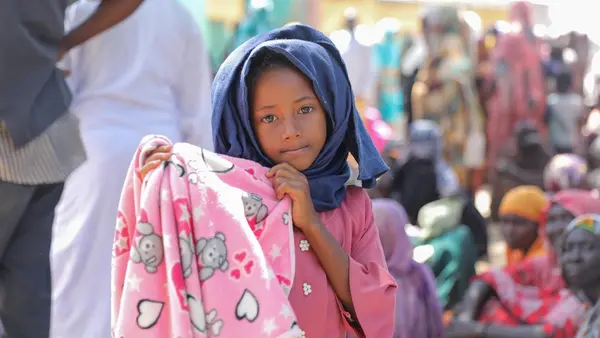
As winter approaches in the Gaza Strip, thousands of children and their families face harsh conditions while living in tents, overcrowded areas or damaged buildings that offer little protection from the whipping winds and torrential rain.
Infants, young children and children with pre-existing health conditions are particularly at risk. Last winter in Gaza, at least 11 children, including infants, reportedly died from hypothermia.
How UNICEF helps children in Gaza
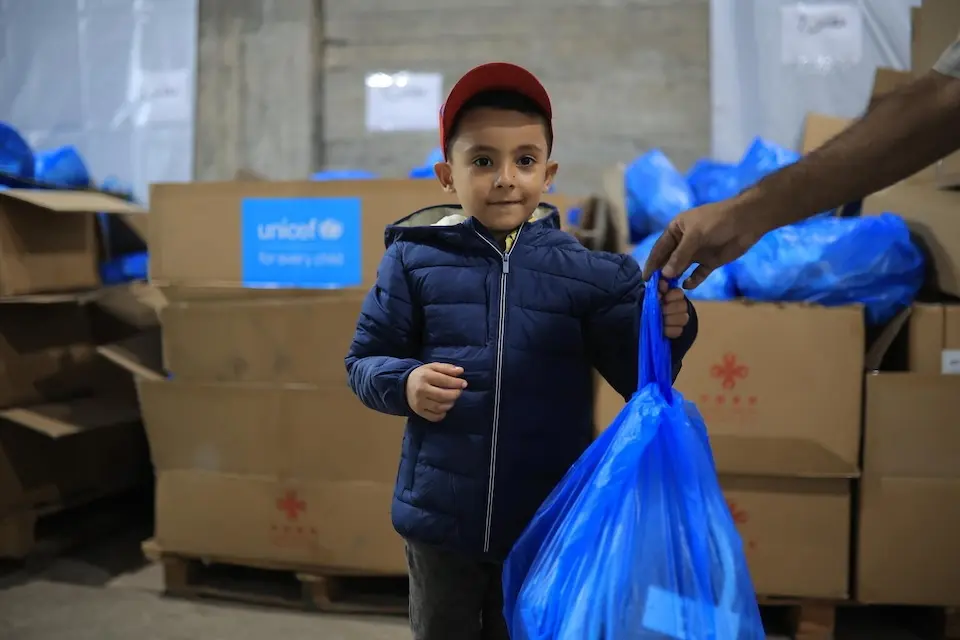
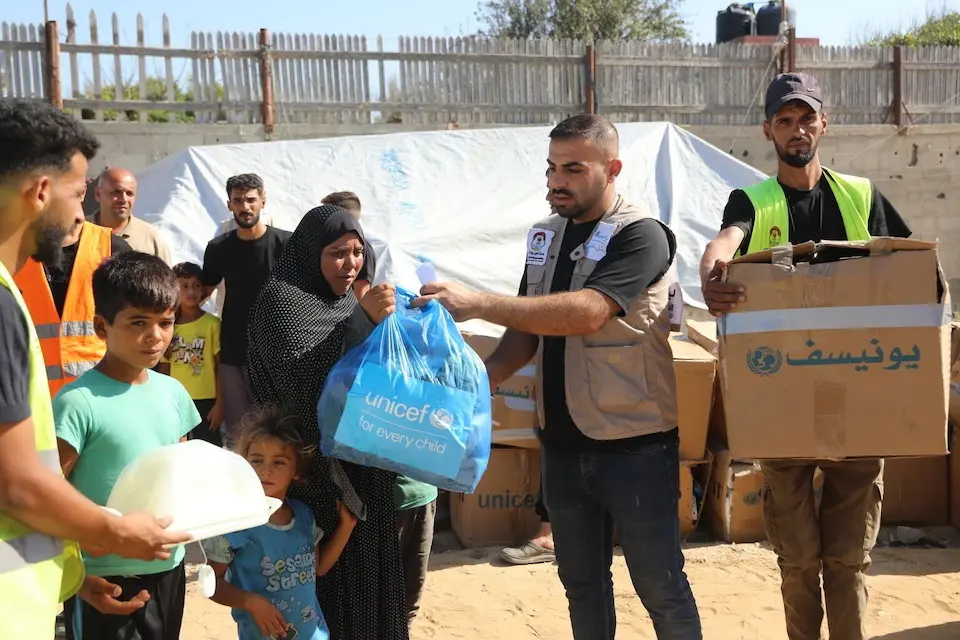
To help children in Gaza stay warm in the months ahead, UNICEF is distributing essential supplies including:
- winter clothing for 500,000 children
- 500,000 thermal blankets for children and families
- digital cash assistance for 10,000 families, allowing them to purchase priority winter items
- 235,000 plastic tarpaulins to protect shelters from rain, wind and damp
- 15,000 family tents for the most vulnerable households identified through child protection and other vulnerability-based referral mechanisms
- 3,000 high-performance tents to enable the continued delivery of critical services during the winter
Learn more about UNICEF humanitarian support for children in Gaza
Video: See what's inside a UNICEF winter clothing kit for children in Gaza
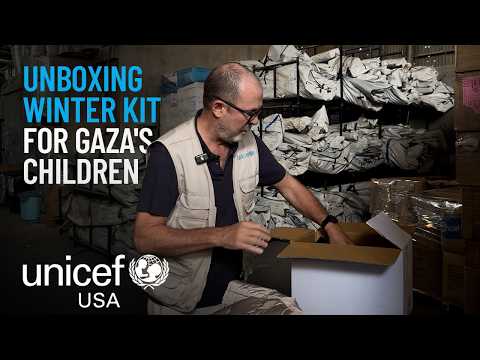
800,000 children are still displaced; most are living in tents or bombed-out buildings
One year after the so-called ceasefire, 800,000 children are still displaced in Gaza, many with no home to return to. UNICEF has provided millions of tarpaulins for families to use to create makeshift shelters in ruined buildings in danger of collapse.
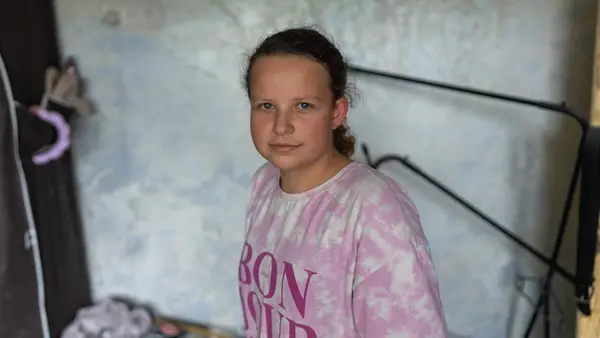
I'm afraid the wind might blow our tent away, or we'll be flooded again. I just hope things can go back to how they were before the war, and we can return home. — Ramadan, 12
Twelve-year-old Ramadan remembers last year's harsh winter, and is worried that this year will be even worse. "Last winter, it rained so heavily," he says. "The wind would blow the tent around, and water would flood inside. I'm afraid the wind might blow our tent away, or we'll be flooded again. I just hope things can go back to how they were before the war, and we can return home."
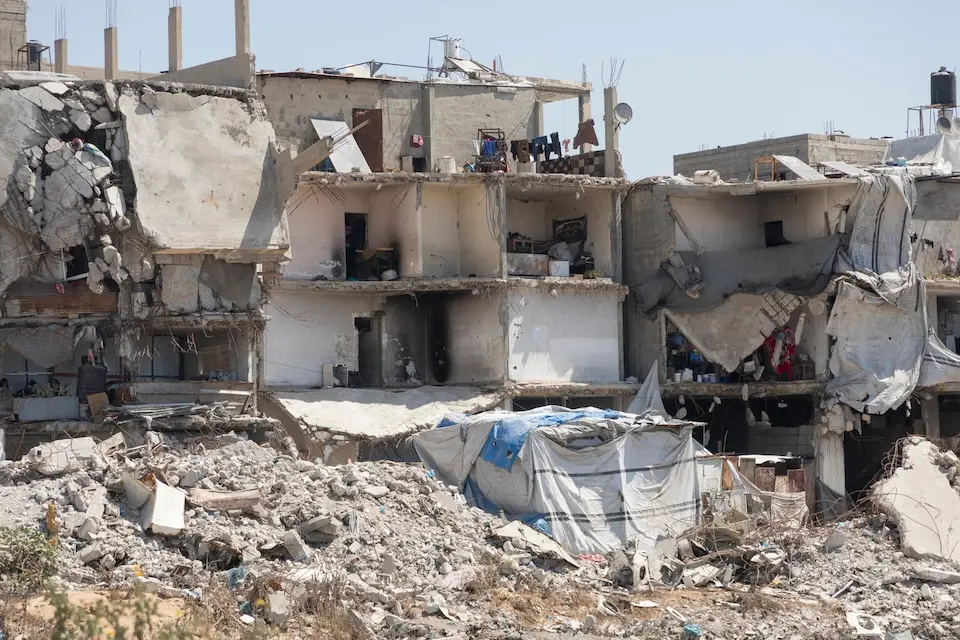
Childhood in Gaza is still defined by survival, violence and loss
Quadcopters and drones remain a daily presence in the skies over Gaza. New atrocities are reported every day. More than 350 children have been killed since October 2025 — walking to school, playing, sitting in the ruins of their homes. At least 600 more have been injured. For children who survive attacks, their physical and mental recovery are further hindered by Gaza’s decimated health system.
An estimated 60,000 children in Gaza have seen either one or both parents killed during the war, or since the ceasefire.
Learn more: Children in Gaza Are Still Waiting for an End to the Violence
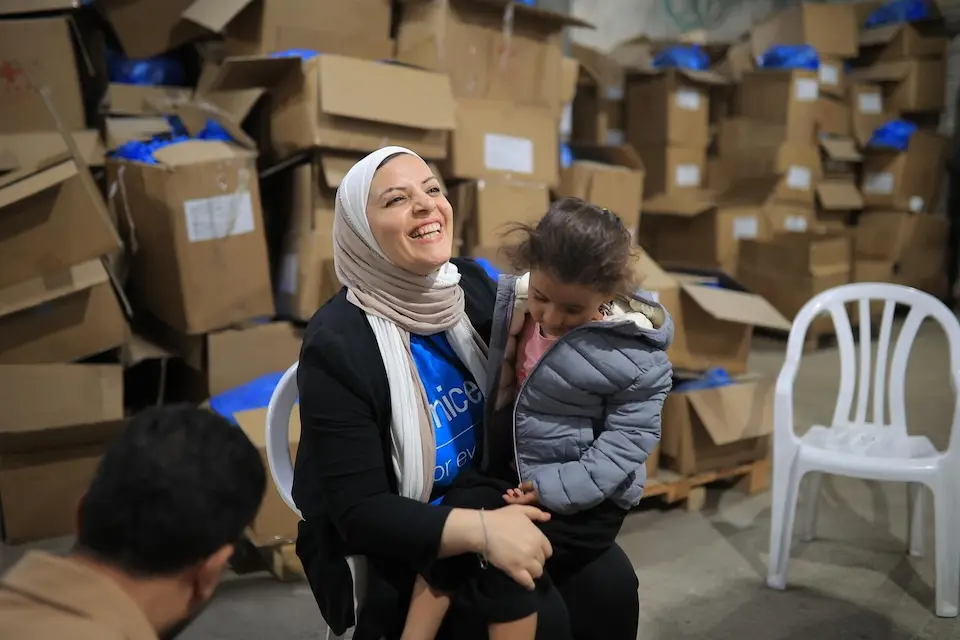
UNICEF is working to restore essential services for children
The ceasefire has not delivered the safety every child has a right to, but improved access has enabled UNICEF and partners to expand lifesaving support and begin restoring some of the services children depend on.
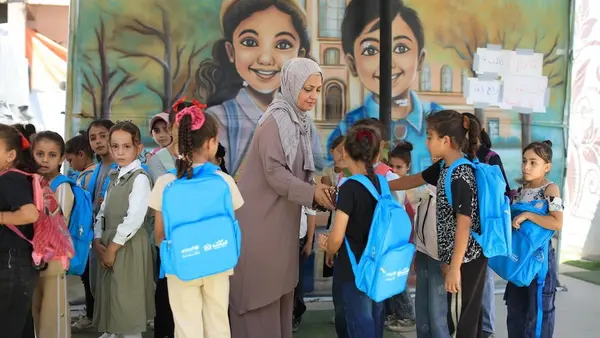
“Since the ceasefire, more than 560,000 children have returned to learning, including in over 200 UNICEF-supported learning centers," UNICEF Global Deputy Spokesperson Ricardo Pires said on Oct. 16. "This year we’ve provided digital cash assistance — a lifeline — to more than 380,000 people, and we continue to supply safe water to 1.2 million people, while removing solid waste and delivering medical supplies."
As winter nears, UNICEF is working to mitigate flooding and providing emergency water, sanitation and hygiene support to reduce the risk of contaminated floodwater and disease outbreaks. “Just as we warned a year ago, contaminated water could overflow and inundate downstream residential areas, with potentially life-threatening impacts for children and their families," Pires continued. "Children have drowned in sewage-contaminated water before."
Learn more: UNICEF Aids Children Caught in Water and Sanitation Crisis in Gaza
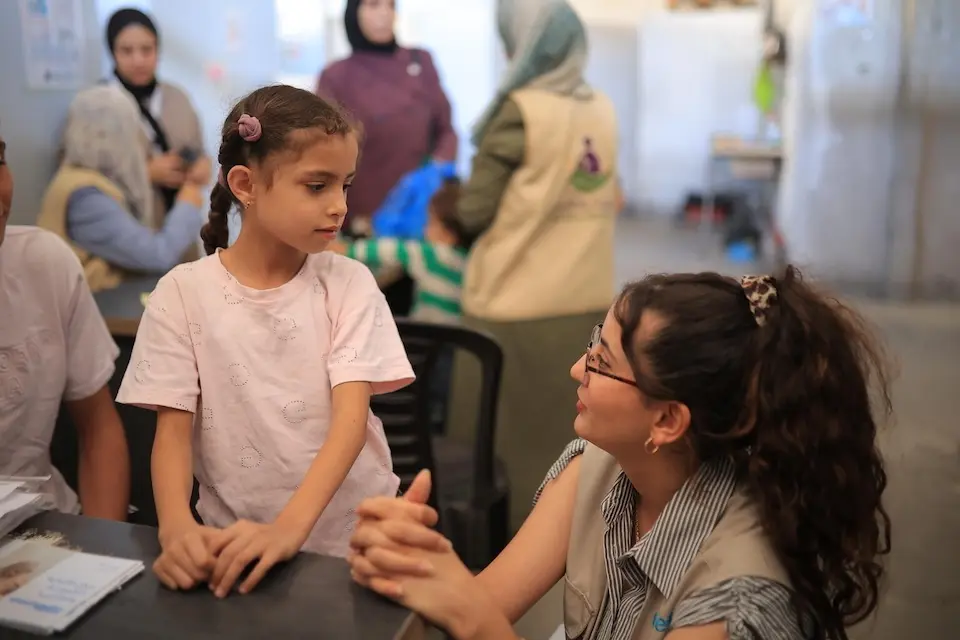
For every child, peace
Despite everything, children, as always, hold onto hope. “The future Gaza's children want is one where they can simply live their childhoods, as is their right," Pires said. "To make that a reality, children need a real ceasefire and the full implementation of the peace plan now."
Sustained, flexible support is needed to help UNICEF deliver for children when they need it most. As of late September 2026, UNICEF's State of Palestine Humanitarian Action for Children (HAC) Appeal was only 66 percent funded.
The story doesn't end here. Help change what happens next.
HOW TO HELP
There are many ways to make a difference
War, famine, poverty, natural disasters — threats to the world's children keep coming. But UNICEF won't stop working to keep children healthy and safe.
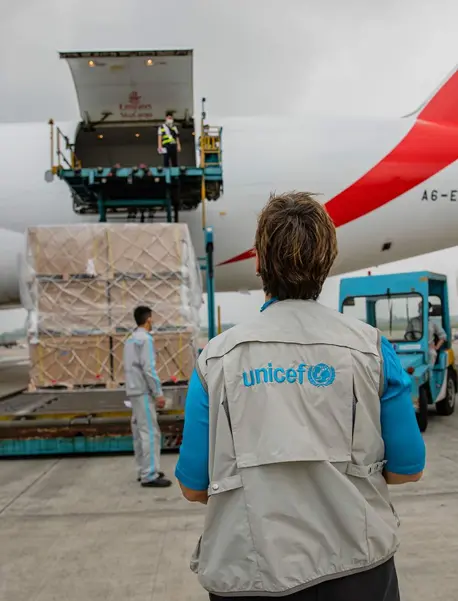
UNICEF works in over 190 countries and territories — more places than any other children's organization. UNICEF has the world's largest humanitarian warehouse and, when disaster strikes, can get supplies almost anywhere within 72 hours. Constantly innovating, always advocating for a better world for children, UNICEF works to ensure that every child can grow up healthy, educated, protected and respected.
Would you like to help give all children the opportunity to reach their full potential? There are many ways to get involved.