Afghanistan's Education Ban Robs Girls of Their Future
Highlights
- Girls and women in Afghanistan have been denied access to education since 2021.
- Girls who are not in school are more likely to be forced into child marriage and more at risk of exploitation and gender-based violence.
- UNICEF continues to advocate for every girl's right to education, and to support learning for girls and boys in Afghanistan.
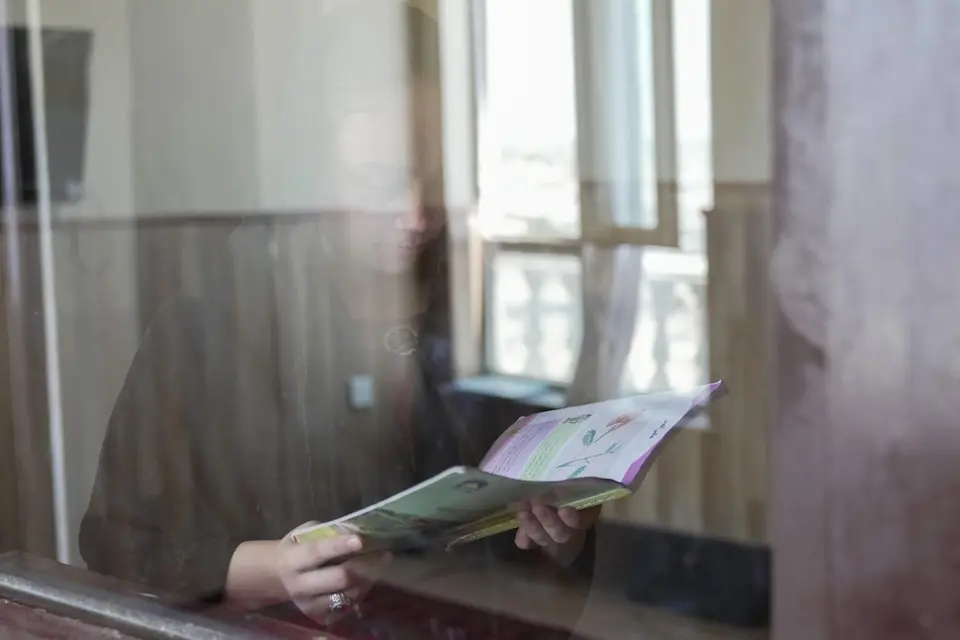
More than 2.6 million girls in Afghanistan have been denied their right to an education in the five years since the Taliban banned them from attending school beyond the sixth grade. UNICEF continues to support learning in Afghanistan and calls on authorities to lift restrictions so girls can return to schools and universities and reach their full potential.
Afghanistan is the only country in the world where secondary and higher education are closed to girls and women
Just one month after taking power in August 2021, the Taliban issued a decree banning Afghanistan's girls from attending school beyond the sixth grade. Five years later, the ban remains in place, blocking millions of girls from getting the education they need to achieve their dreams and contribute to society.
The ban was part of a series of more than 100 decrees targeting the rights of girls and women, blocking them from attending secondary school and university and restricting their movement and access to public spaces — effectively erasing them from public life.
"The situation is truly heartbreaking," says Daniel Timme, UNICEF Afghanistan Chief of Communications. In Daikundi Province, central Afghanistan, Timme describes meeting a 15-year-old girl in tears, begging for help so she can return to school and continue her education. "The school ban has to end because it's stealing the future of millions of girls," Timme says.
Related: Afghanistan's Girls Want to Go to School
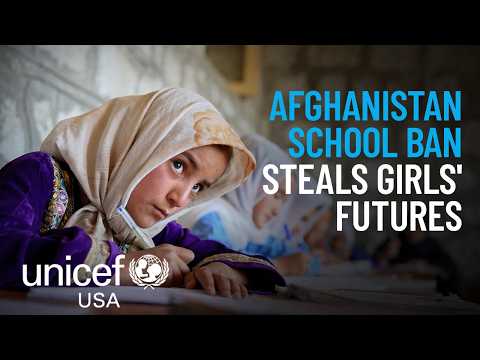
Video: Every child has the right to a quality education
Keeping girls out of school has far-ranging negative impacts
The impacts of the education ban extend well beyond the classroom. Girls who are not in school are more likely to be forced into child labor or child marriage, and more at risk of experiencing abuse and gender-based violence.
Marrying before age 18 not only negatively affects girls' economic status, it also endangers their physical and mental health. Child brides are more likely to become pregnant during adolescence, increasing the risk of complications during pregnancy and childbirth; their children experience higher rates of under-5 mortality and stunting.
Afghanistan is already seeing the ban's devastating impact on the country's development. A UNICEF report published in May 2026 projects that Afghanistan could lose 20,000 women teachers and 5,400 female health workers by 2030, while current restrictions are estimated to cost $84 million annually in lost economic output.
Removing women from teaching and health care services — two sectors where they are permitted to work and critically needed — will lead to fewer girls in schools and reduced care for women and children. The impact is particularly severe in health care, where social norms often prevent women from receiving medical services from men, meaning the declining number of female health workers will directly limit maternal, newborn and child health services.
Learn more: By Restricting Girls' Education, Afghanistan Faces Future With Fewer Teachers, Health Workers
UNICEF continues to support education for girls and boys in Afghanistan
UNICEF continues to advocate for the reopening of schools for girls in Afghanistan, while maintaining support for:
- community-based education that provides alternate pathways for students who have been excluded from formal instruction, including adolescent girls
- vocational training programs that equip girls with practical skills they can use to support themselves and their families
- primary education for both girls and boys in Afghanistan, reaching over 4 million children in public schools, community-based education and emergency settings with teaching and learning supplies in 2025
- the Girls Access to Teacher Education program, which supported more than 1,000 qualified female teachers to increase enrollment and retention of girls in schools in 2025
- an enhanced digital learning platform to improve access to resources and support teacher training in safe settings
UNICEF urges the international community to support education in Afghanistan so children can at least learn to read, write and do basic math — and girls can be ready for the moment when the ban is lifted and they can go on to reach their full potential.
Learn more about UNICEF's work for children in Afghanistan
HOW TO HELP
There are many ways to make a difference
War, famine, poverty, natural disasters — threats to the world's children keep coming. But UNICEF won't stop working to keep children healthy and safe.
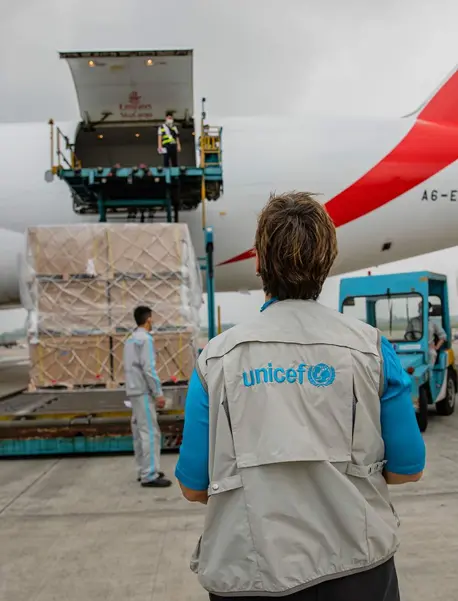
UNICEF works in over 190 countries and territories — more places than any other children's organization. UNICEF has the world's largest humanitarian warehouse and, when disaster strikes, can get supplies almost anywhere within 72 hours. Constantly innovating, always advocating for a better world for children, UNICEF works to ensure that every child can grow up healthy, educated, protected and respected.
Would you like to help give all children the opportunity to reach their full potential? There are many ways to get involved.