Helping Children and Families Recover in Ukraine
Highlights
- Aerial attacks have intensified in Ukraine; June 2026 marked the highest monthly child casualty figures since 2022.
- A UNICEF warehouse was severely damaged by heavy bombardment on July 19, 2026, destroying humanitarian supplies for children.
- UNICEF is pre-positioning lifesaving supplies and strengthening resilience as another harsh winter approaches.
Four and a half years after the full-scale invasion of Ukraine, children continue to pay the highest price. UNICEF and partners are working to restore the systems every child needs for a healthy childhood, and preparing for the coming winter. More help is urgently needed.
More terrifying, sleepless nights for children in Ukraine
Now in its fifth devastating year, the full-scale war in Ukraine is taking a terrible toll on the nation's children, threatening both their lives and their mental health. Russian aerial attacks have intensified in recent months; air raid sirens and heavy bombardment have become part of the fabric of daily life. June 2026 recorded the highest monthly child casualty figure since 2022, with 7 children killed and 116 injured.
We sleep in the hallway because we wouldn't have time to run to a shelter. — Sasha, 10, Kyiv
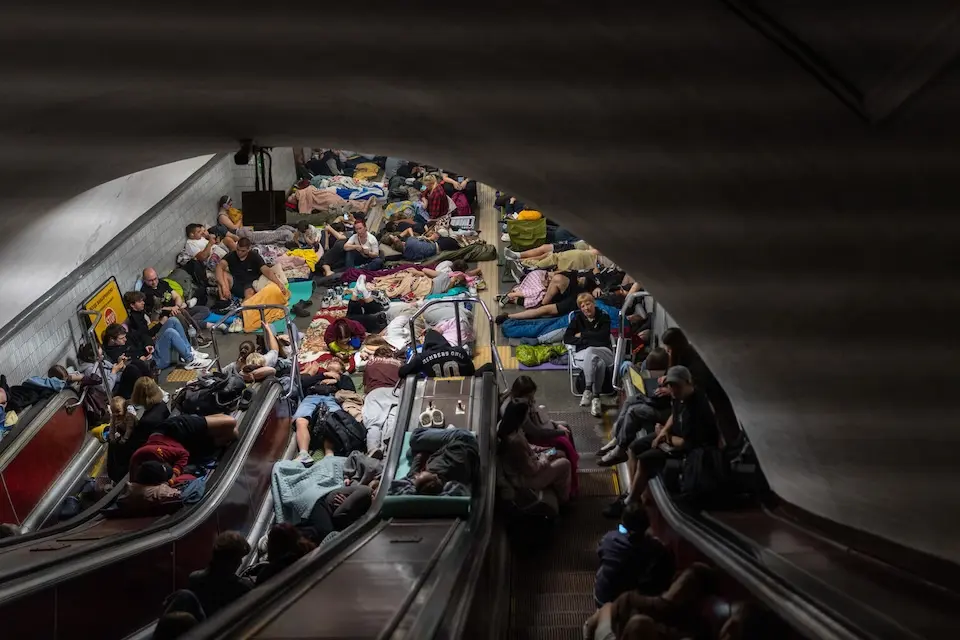
Thousands of people have been sleeping in Kyiv metro stations as attacks continue.
On July 18, 2026, even before the air alert sounded in Kyiv, 10-year-old Sasha helped his mother lay blankets in the hallway outside the family's apartment for him and his younger sisters.
“We sleep in the hallway because we wouldn’t have time to run to a shelter,” said Sasha, who lives near Lukianivska metro station in one of the districts in Kyiv that has been among the hardest hit by recent attacks. His mother, Viktoriia, explained that sheltering in the metro can also become dangerous, particularly if smoke fills the tunnels after nearby strikes.
“I covered my ears with my hands and put my favorite toy over my head – Tuzik, my soft toy dog – because it was so loud,” Sasha said. The blast waves were so powerful they forced open cupboard doors and windows in the family's apartment.
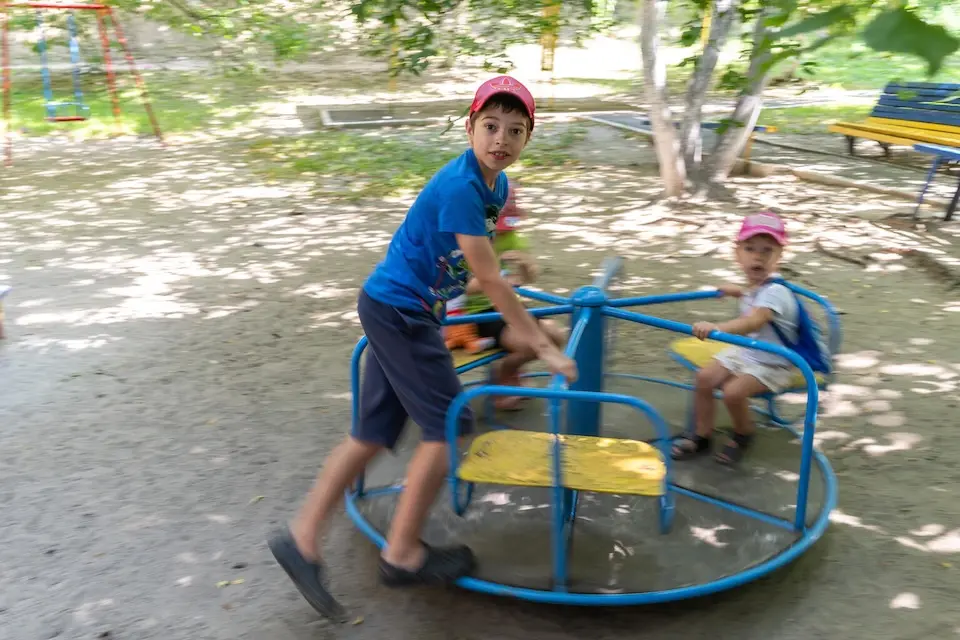
Childhoods punctuated by ballistic missiles, drones and destruction
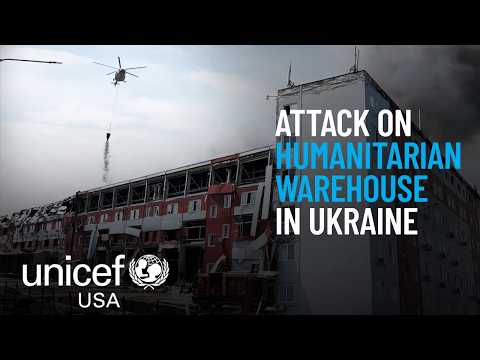
The following night, a UNICEF-contracted warehouse in the village of Bilohorodka was severely damaged during a wave of heavy bombardment, destroying humanitarian supplies for children and families affected by the war in Ukraine. Air raid alarms and explosions lasted for hours in Kyiv and across the region.
At the time of the assault, the warehouse contained more than 106,000 items with an estimated value of $3.9 million, including generators, drinking water, hygiene kits and water storage tanks that are critical for UNICEF's response in Ukraine, particularly for children and families in frontline areas and for the coming winter.
Learn more about UNICEF's impact for children in Ukraine
Video: Continuing attacks impede humanitarian response
Children's needs don't stop during crises
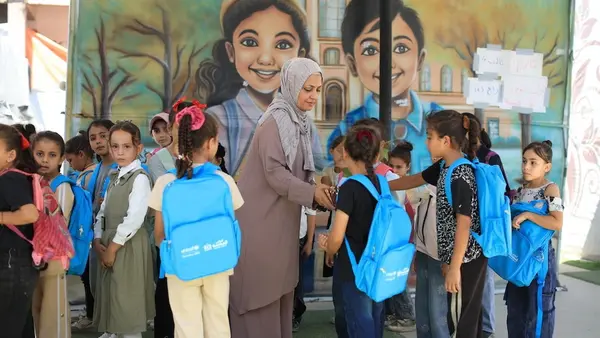
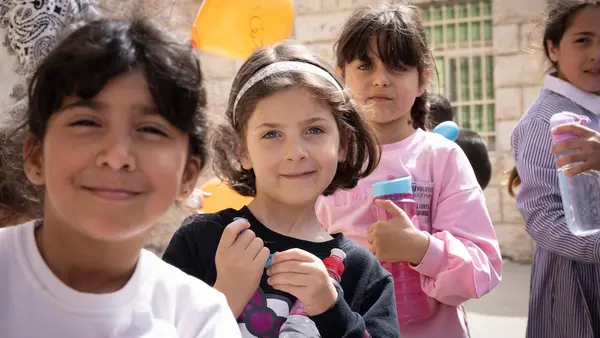
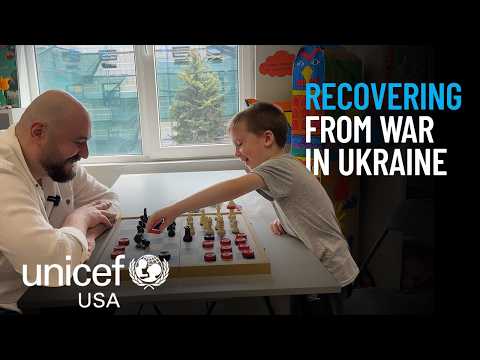
War engulfs lives and steals childhoods, but every child's basic needs remain the same: safe water, health care, education, protection, a place to play with friends and feel a sense of normalcy. UNICEF works with partners across Ukraine to help maintain these essential services.
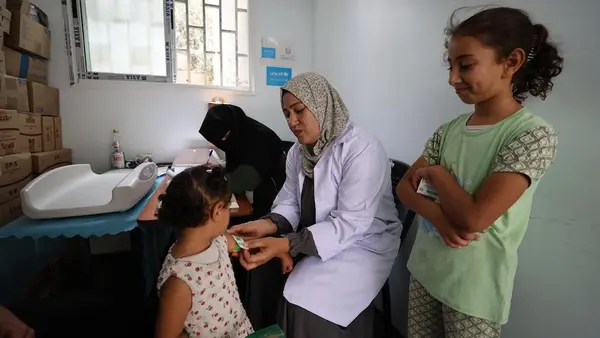
In the city of Zaporizhzhia in southeastern Ukraine, just 20 kilometers from the front line, UNICEF has set up four child-friendly spaces in health care facilities, and renovated rooms at Zaporizhzhia Regional Children's Hospital to create a recovery center — the first in Ukraine — where children can go to play and receive psychological support and protection services. UNICEF also upgraded equipment and provided generators for the local water station, which supplies water to more than 500,000 people.
"We don't work with buildings," said UNICEF Program Specialist Yuri Rudenko. "We work with people and systems, strengthening them. So children and teenagers, despite the war, grow up healthy and have everything they need to develop."
Learn more about UNICEF's safe spaces for children in Ukraine
Video: UNICEF works to strengthen the systems children rely on
Building resilience as winter approaches
As families in Ukraine face the threat of another freezing winter without heating, power, water and essential services, UNICEF has begun pre-positioning lifesaving supplies, installing solar systems in health facilities and expanding partnerships to ensure services for the most vulnerable children and families.
"Preparedness for our winter response is already underway," said Anne-Claire Dufay, UNICEF Representative to Ukraine. "We are working with local partners to ensure families and communities can withstand these shocks."
Preparedness for our winter response is already underway. We are working with local partners to ensure families and communities can withstand these shocks. — Anne-Claire Dufay, UNICEF Representative to Ukraine
UNICEF's winter response for 2026-2027 builds on investments in previous years, further strengthening the resilience of critical systems and services while aiming to reach more children and families with lifesaving support, both in frontline areas and across the country.
To meet the needs of 3 million people including 540,000 children in Ukraine, UNICEF requires $160.5 million for its 2026–2027 winter response. The winter response plan includes:
- cash assistance for 225,000 people including 45,000 children
- district heating system repairs to provide heating for 3 million people, including 540,000 children
- school energy and heating grants to ensure in-person learning for 375,000 students
- energy resilience for health facilities to ensure access to health care for 230,000 people, including 41,400 children
- child protection services for more than 10,000 at-risk children
UNICEF continues to call for the protection of children and humanitarian facilities across the country. Above all, children in Ukraine need a lasting peace.
HOW TO HELP
There are many ways to make a difference
War, famine, poverty, natural disasters — threats to the world's children keep coming. But UNICEF won't stop working to keep children healthy and safe.
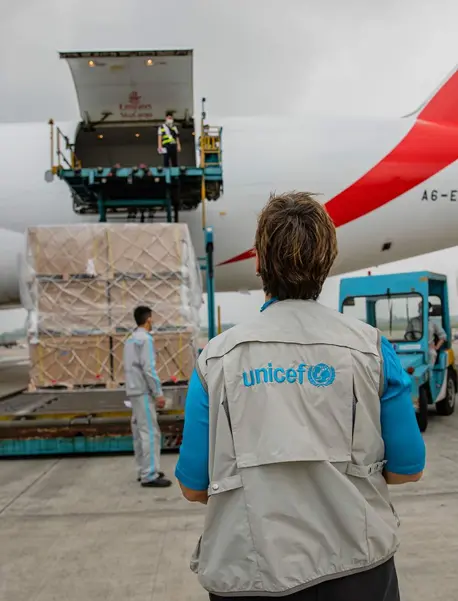
UNICEF works in over 190 countries and territories — more places than any other children's organization. UNICEF has the world's largest humanitarian warehouse and, when disaster strikes, can get supplies almost anywhere within 72 hours. Constantly innovating, always advocating for a better world for children, UNICEF works to ensure that every child can grow up healthy, educated, protected and respected.
Would you like to help give all children the opportunity to reach their full potential? There are many ways to get involved.