How to Support Children in Burundi with UNICEF
UNICEF works with partners in Burundi to protect children's rights and to improve child health, nutrition and access to education and protection. UNICEF also responds to climate-related emergencies and disease outbreaks. Learn more.
Why UNICEF works in Burundi
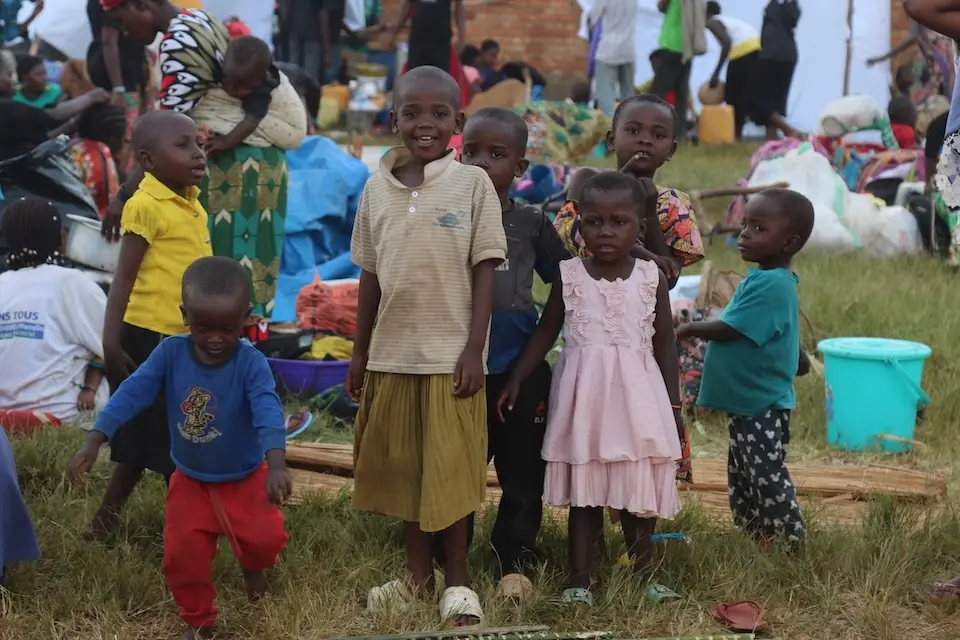
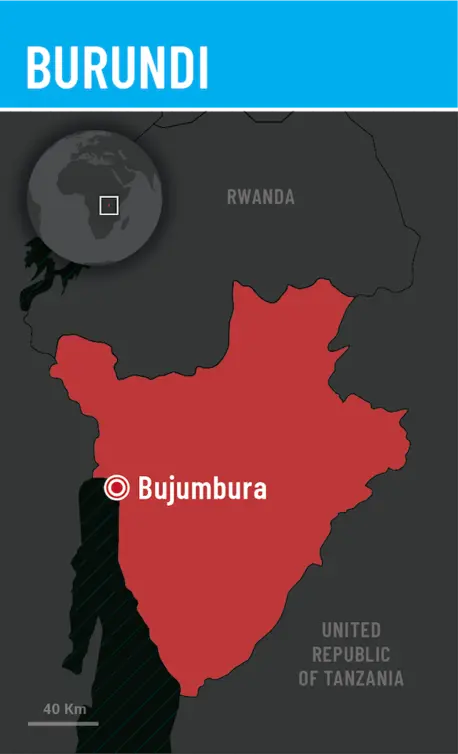
Burundi is the second most densely populated nation in Africa. Nearly half (46 percent) of those packed into the landlocked East African nation of 13.3 million are children, and the situation for many of them is precarious.
Bordered by Rwanda, Tanzania and the Democratic Republic of Congo, Burundi's economic development and growth has been hampered by ongoing instability and armed conflict. Government spending on key social programs is insufficient to meet the needs of the population, with dire consequences.
The under-5 mortality rate is significantly higher than the global average, at 50.5 deaths per 1,000 live births (the global average was 37 in 2023). More than a quarter of the nation’s children under age 5 are underweight, and stunting is prevalent, affecting more than half of all children under 5 — the highest rate of any nation in the world — fueled by illness, lack of nutritious foods and inadequate feeding.
Violence against children is common; about 90 percent of children ages 1–14 have experienced it. More than one girl in 10 aged 15 to 19 experiences sexual violence. The number of children living on the streets in Bujumbura, the economic capital, and other urban areas is on the rise. Burundi also hosts a sizable refugee population, primarily women and children fleeing armed conflict in DRC's eastern regions.
How UNICEF supports child refugees and migrants
Challenges for children in Burundi
Well over half of Burundi’s population — 62 percent — live below the poverty line. More than six in 10 children experience at least three deprivations, lacking either food, health, water, sanitation, housing, education or the protection they need to stay safe.
Poverty heightens the vulnerability of children and women and restricts their access to essential services. UNICEF is committed to ending poverty while easing its impacts on children's health, safety and future well-being. Learn more.
Only 62 percent of Burundians have sufficient access to safe drinking water, while only 6 percent of the population has access to basic hygiene services.
Despite progress in ensuring universal access to basic education, nearly half of Burundi’s children aged 6 to 13 do not complete primary education. Only about 21 percent of boys and 15 percent of girls complete high school, while 1 in 3 children are engaged in child labor.
Children with disabilities face numerous barriers to education and other social services including stigma, discrimination, and lack of accessible infrastructure and skilled professionals.
Cholera, measles, malaria and other preventable diseases continue to affect children in Burundi. A 2024 mpox outbreak resulted in a national emergency, with more than one-third of nearly 3,000 cases involved children under age 15.
Disruptions caused by extreme weather events made more intense by El Niño and other climate patterns are a growing problem. Heavy rains have devastated crops, homes, schools and other critical infrastructure. Flooding and landslides have displaced tens of thousands of Burundians.
Learn about UNICEF emergency response and resilience building programs
How UNICEF is making a difference for children in Burundi
Health and nutrition
A top priority for UNICEF in Burundi is to support child immunization, including emergency vaccination campaigns. A national measles campaign supported by UNICEF reached more than 2.1 million children under 5 in 2024, drastically reducing the number of measles cases in the country. A three-round, door-to-door polio vaccination campaign reached more than 3.4 million children aged 0–7 (125 percent of the target) in 2023.
In response to the 2024 mpox outbreak, UNICEF supported capacity-building among health professionals and the installation of three isolation units in hot spots.
Other efforts to improve the quality of health care include:
- enhancing safe water access in maternity and pediatric wards in health facilities in Cibitoke, Karusi, Kirundo, Rutana and Ruyigi provinces
- repairing and building medical oxygen plants and converting them to solar power toreduce air pollution and improve cost-effectiveness and sustainability
- assisting with coordination, vaccination, case management and infection prevention and control
Another top priority for UNICEF in Burundi is to fight child malnutrition. Alongside partners, UNICEF takes a multi-pronged approach to that effort, which includes:
- collaborating with the Ministry of Health to manage cases of severe acute malnutrition (SAM) and supplying ready-to use therapeutic food (RUTF) and training health care workers to treat SAM; recovery rate with RUTF is above 90 percent
- working to enhance community-based screenings and referrals to ensure timely treatment; in 2024, over 1.7 million children under age 5 were screened quarterly for acute malnutrition, including 56,000 children displaced by floods
- distributing micronutrient powder and doses of Vitamin A to combat micronutrient deficiencies and supporting deworming campaigns that reach millions of children
- providing counseling services to pregnant women along with iron–folic acid supplementation to prevent anemia and improve maternal nutrition
- helping to teach thousands of community health workers and other volunteers how to promote best feeding practices among parents and caregivers
- setting up demonstration kitchen gardens and supporting social marketing campaigns to enhance the consumption of locally available nutritious diets
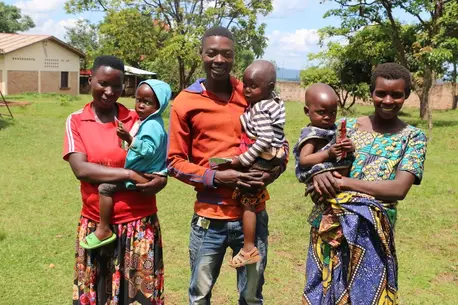
Learn more about how UNICEF is working to end malnutrition
UNICEF also supports health centers by providing sexual and reproductive health supplies to health centers and has helped adolescents form peer support groups to promote sexual and reproductive health, while working to sensitize parents to the importance of an open dialogue about sexual health and HIV. UNICEF-supported peer educators organize community-based activities promoting healthy behaviors.
Improving access to education
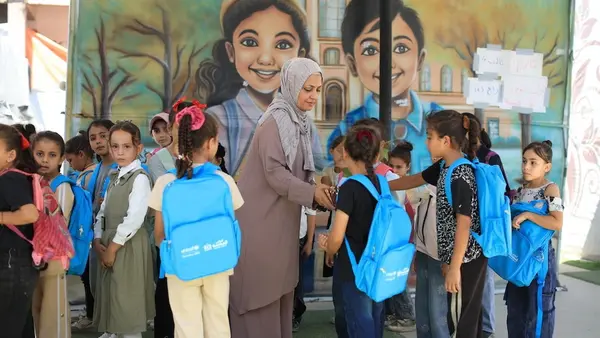
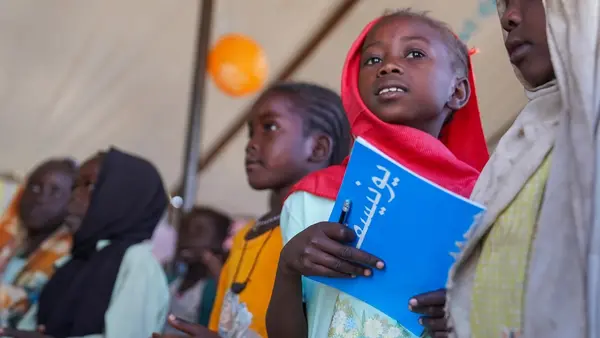
UNICEF works across Burundi to increase children's access to quality education, starting with the nation's youngest.
With partners, UNICEF has set up scores of new community-based early childhood development (ECD) centers to provide children ages 3 to 5 with critical early learning support, equipping the centers with adapted education materials, constructing preschool classrooms and providing training to hundreds of educators. Tens of thousands of children have benefited from these efforts.
UNICEF has also played a key role in supporting the Ministry of Education and Scientific Research in reaching previously set goals to increase the rate of enrollment in primary and secondary school.
Learn about UNICEF's global efforts to support children's education
To promote educational opportunities for children aged 6 to 13 in Burundi, UNICEF has:
- renovated and furnished hundreds of classrooms
- set up temporary classrooms for children displaced by floods and other climate-driven disasters
- repaired or rehabilitated storm damaged schools
- improved the quality of learning and teaching through teacher training and by providing textbooks
- supported remedial courses for students whose learning has been interrupted, allowing them to catch up
- improved the school environment for children with disabilities, making classrooms more accessible
- training teachers to provide student mental health and psychosocial support
To support inclusive education in Burundi, UNICEF works with partners to provide learning materials for children with disabilities, such as LEGO Braille Bricks for the visually impaired, and teacher training.
Learn about UNICEF's global efforts to support children with disabilities
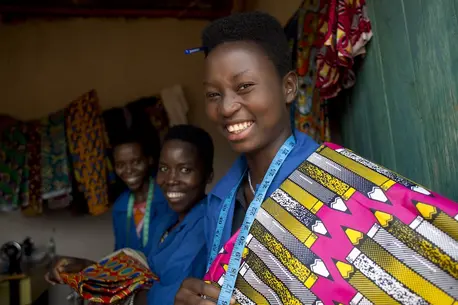
Skilling youth is another focus of UNICEF-supported programming in Burundi. Tens of thousands of out-of-school adolescents have participated in UNICEF-sponsored civic engagement initiatives, increasing their skills and opportunities to develop self-reliance, while also enhancing social cohesion.
Other programs seek to empower girls and boys by teaching skills in science, technology, engineering and mathematics (STEM), training selected participants in electrical power and business development, and funding research into better ways to teach skills that promote higher employment and entrepreneurship.
Skills4Girls, a UNICEF-Burundi flagship program, has helped empower 1,100 adolescents and youth leaders (including 826 girls) between 2022 and 2025.
Learn about efforts to help youth build skills and secure brighter futures
Water, sanitation and hygiene (WASH) health and hygiene
UNICEF-supported efforts in the area of water, sanitation and hygiene (WASH) include:
- expanding access to safe water by constructing climate-resilient water supply networks across five provinces serving tens of thousands of people
- building rainwater harvesting systems at dozens of schools and connecting more schools to water networks
- raising awareness of and increasing support for menstrual health and hygiene
- supporting income-generating activities among youth and women, including the production of soap and sanitary pads, to improve product accessibility and affordability, particularly in rural areas
- constructing latrines to improve sanitation in communities and in displacement camps
- supplying water system maintenance kits and capacity building support to hundreds of local water management committees
- during disease outbreaks, distributing emergency hygiene kits and dignity kits for menstrual health and supporting public campaigns stressing the importance of handwashing and safe water management for disease prevention
Child protection
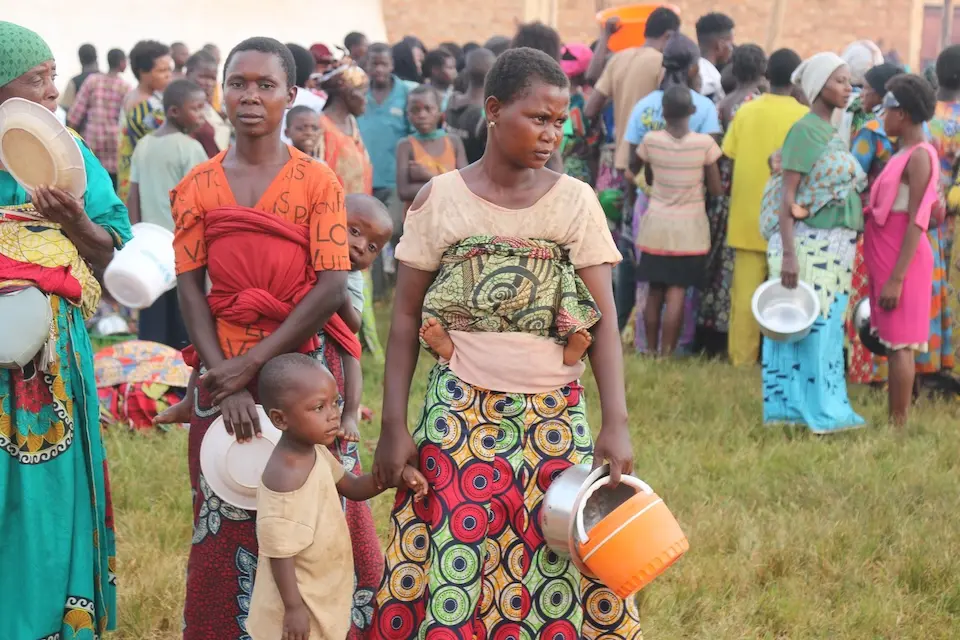
UNICEF works at the system level to improve child protection in Burundi. Working with the government and other partners, UNICEF helped map, form and promote community-based child protection committees. UNICEF also works with partners to improve access to health, legal aid and psychosocial support services to assist young victims of violence, abuse and exploitation.
With UNICEF support, the government of Burundi has pledged to develop a national strategy for protecting children from violence; at a global conference in 2024, officials pledged to revise the national legal framework to prohibit corporal punishment in all settings and criminalize all forms of sexual violence, abuse and exploitation of children.
Another way to safeguard children's rights: improving birth registration rates. With UNICEF's help, a new approach implemented in Kirundo province resulted in a 37 percent increase in the number of children registered at birth. A new government steering committee is preparing a nationwide scale-up.
UNICEF and Children's Rights: Birth registration as the first line of defense
How to help children in Burundi
Supporters can help UNICEF reach more children in Burundi and around the world with a one-time tax-deductible donation or monthly gift, by starting a fundraiser or by helping to advocate for children on social media. A contribution to UNICEF USA directly supports children's health, safety and empowerment.
Ways to support UNICEF’s mission
Frequently Asked Questions
Why does UNICEF work in Burundi?
UNICEF works in Burundi to improve child nutrition and access to education, including early childhood development services that are critical for giving children their best start in life.
What challenges do children in Burundi face today?
Many children in Burundi are vulnerable to preventable disease due to malnutrition and limited access to clean water. Many children who live in poverty also lack opportunities for education.
How can I help children in Burundi through UNICEF?
You can donate to UNICEF, become a monthly supporter, or start a fundraiser. Your support helps deliver health care, education, clean water and protection for children in Burundi and all vulnerable children around the world.
What is UNICEF doing to improve education in Burundi?
UNICEF promotes access to quality education by supporting teacher training and early childhood programs and by helping to improve school infrastructure including repairing storm-damaged schools.