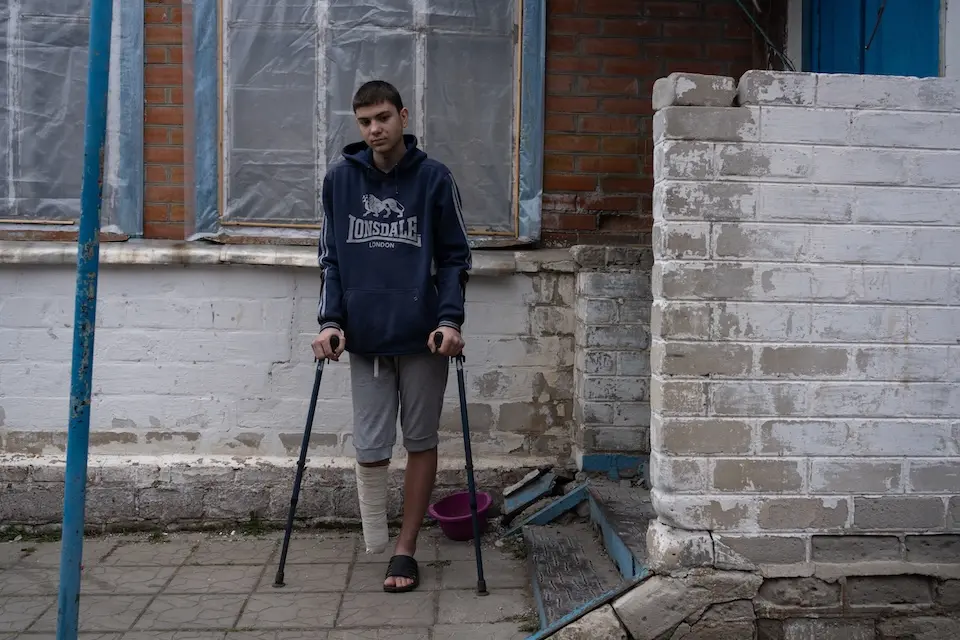
Explosive Weapons Pose Growing Threat to Children Worldwide
Highlights
- Explosive weapons are now the leading cause of child casualties in conflicts.
- They also destroy critical infrastructure that children rely on for survival and well-being, and leave behind unexploded ordnance that continue to endanger children long after a conflict ends.
- Attacks from the air were the deadliest for children between 2021 and 2025.
- UNICEF calls on all parties to conflict to protect and ensure respect for children’s rights, including by ending the use of explosive weapons in populated areas and holding perpetrators to account for grave violations against children.
Every year, thousands of children are killed, seriously injured or otherwise severely impacted by explosive weapons – during conflict and long after hostilities have ended. And their numbers are rising due to the increase in use of explosive weapons in populated areas in violation of international law. Five takeaways from a UNICEF analysis of UN data from 2021-2025.
Explosive weapons now leading cause of child casualties in conflicts
The number of child casualties from the use of explosive weapons in conflicts around the world has been rising. From 2021 to 2025, more than 35,900 children were killed or maimed in explosive weapon attacks, making these munitions the largest cause of death and maiming of children in conflict, a UNICEF analysis found.
Based on an examination of the last five annual reports from the United Nations Secretary-General covering Children and Armed Conflict, UNICEF attributed the trend to an increase in the use of explosive weapons in densely-populated urban areas.
In 2025, roughly 70 percent of child casualties were caused by explosive weapons — up from 54 percent in 2021 — with the highest number of casualties reported in Ukraine, Afghanistan, Myanmar, Israel and the State of Palestine and Lebanon. Other countries with a high number of child casualties in recent years include Somalia, Sudan and Syria.
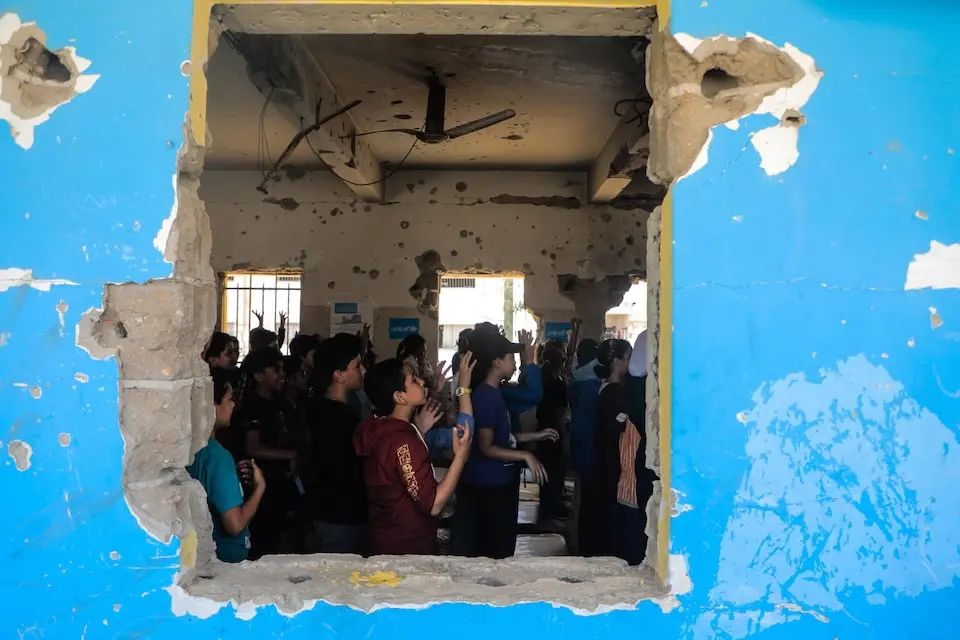
What are explosive weapons?
Explosive weapons are types of munitions that detonate when ignited, causing a thermal blast and a release of fragmentation across a wider radius than, say, gunfire. Artillery shells, mortar bombs and rockets, improvised explosive devices, grenades and landmines all fall under this category of weaponry.
The use of explosive weapons in villages, towns and cities can cause severe civilian casualties, destroy critical infrastructure and leave behind unexploded ordnance that continue to endanger communities well after a conflict ends. Even children who avoid injury in an explosive weapon attack often face lingering psychological and emotional trauma.
"In addition to causing harm, these weapons destroy schools, hospitals, water systems, power networks and other civilian infrastructure essential for children's survival and recovery," UNICEF Executive Director Catherine Russell said in a statement to the UN Security Council in June. "They leave behind unexploded ordnance that can continue to kill and maim children years after hostilities have ended."
Related: "Children continue to be killed and maimed at staggering levels by explosive weapons in populated areas." — UNICEF Executive Director Catherine Russell's remarks to the UN Security Council on June 24, 2026
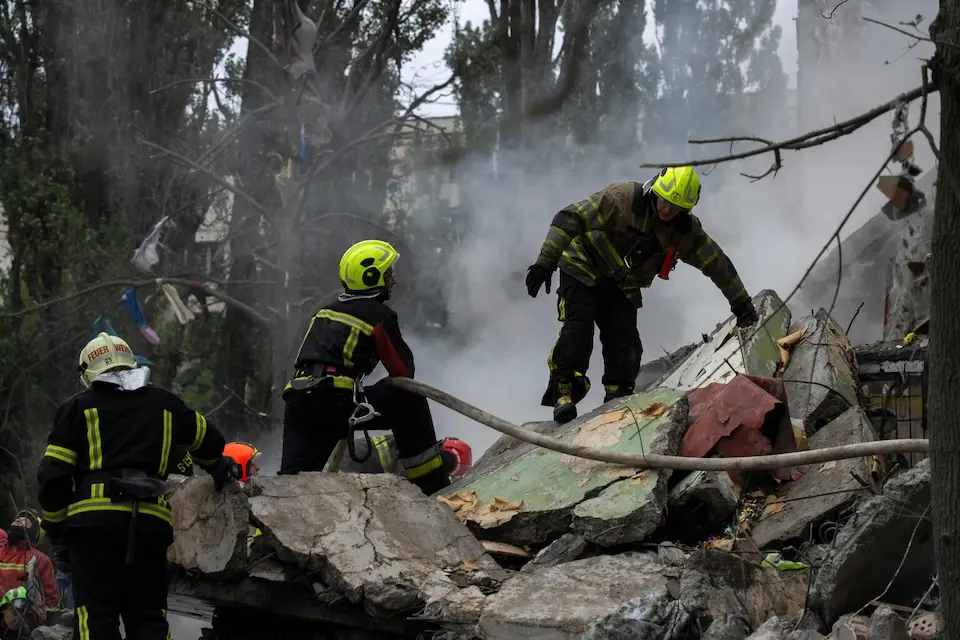
Five facts about explosive weapons
UNICEF released a fact sheet sharing these key takeaways from its analysis:
- No other type of weapon kills or injures more children than explosive weapons.
- Attacks from the air — including aerial bombings, airstrikes and the use of armed drones — have caused the most child casualties between 2021 and 2025. Unmanned drones can penetrate well beyond the front lines of a conflict, allowing destructive strikes to reach across greater distances and in previously safe areas.
- Artillery and shelling are the second deadliest — and the danger isn’t confined to barrages of mortars and rockets. Unexploded remnants of war (unexploded munitions and abandoned ordnance that remains active) and landmines remain threats long after the fighting ends.
- Boys account for 50 percent of child casualties, girls 30 percent, with the gender of the remaining 20 percent unknown.
- At least 48 percent of child casualties face permanent disabilities, including loss of limbs, sight or hearing.
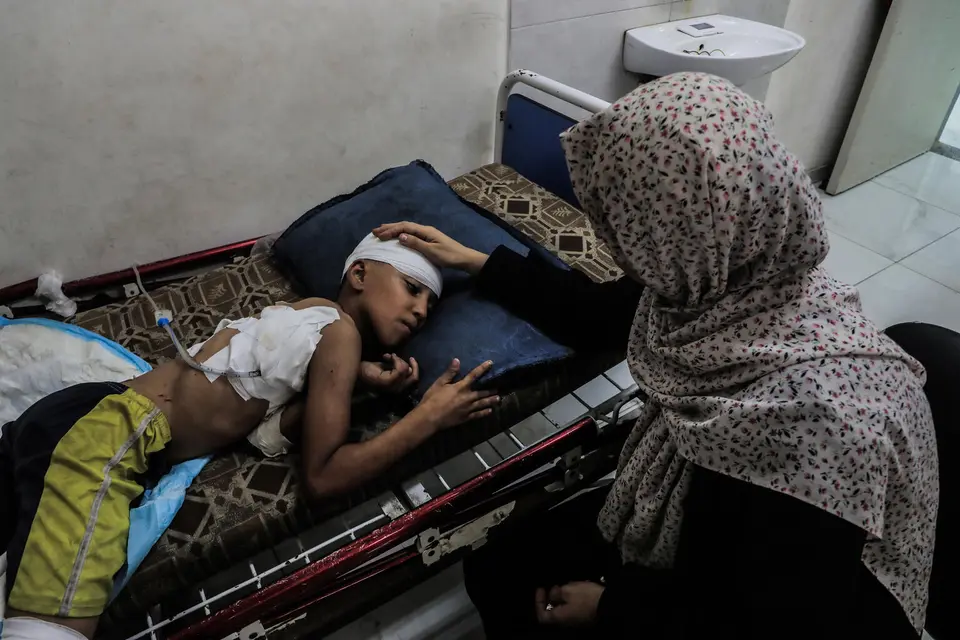
UNICEF's call to action to protect children from explosive weapons
In sharing these findings, UNICEF also reaffirmed its position as a global advocate for stronger protections for children, calling on all parties to conflict to:
- protect and ensure respect for children’s rights, including by ending the use of explosive weapons in populated areas and holding perpetrators to account for grave violations against children
- prioritize the protection of civilian infrastructure essential to child survival and well-being
UNICEF also calls on all UN member states to:
- endorse and implement the Explosive Weapons in Populated Areas Political Declaration — adopting policies and practices that reduce harm to children and sharing those practices with other countries
- commit to the Anti-Personnel Mine Ban Convention and develop shared norms and commitments governing armed drone use in compliance with international humanitarian law; actors with influence over parties to conflict should also use their leverage to enhance the protection of children from the impact of armed drones
- stop transferring explosive weapons to warring parties likely to use them against civilians
- support evidence-based programming and policy making by sharing data related to explosive weapons use
Donors, humanitarian organizations and national governments can help by funding programs protecting children from explosive weapons use in populated areas.
Read "Explosive weapons and child casualties in conflict: Five key facts"
Learn about how UNICEF protects children from unexploded remnants of war and landmines
The story doesn't end here. Help change what happens next.
HOW TO HELP
There are many ways to make a difference
War, famine, poverty, natural disasters — threats to the world's children keep coming. But UNICEF won't stop working to keep children healthy and safe.
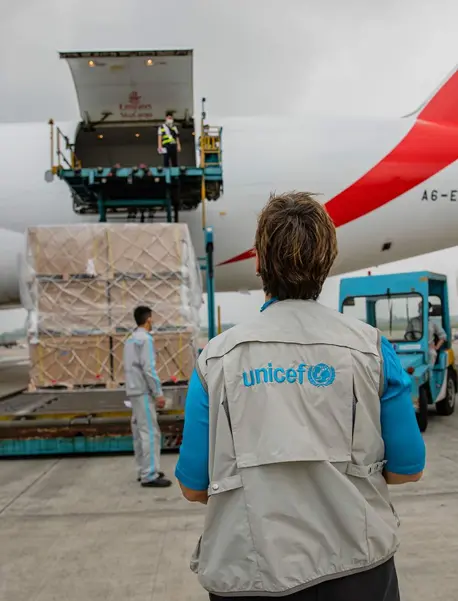
UNICEF works in over 190 countries and territories — more places than any other children's organization. UNICEF has the world's largest humanitarian warehouse and, when disaster strikes, can get supplies almost anywhere within 72 hours. Constantly innovating, always advocating for a better world for children, UNICEF works to ensure that every child can grow up healthy, educated, protected and respected.
Would you like to help give all children the opportunity to reach their full potential? There are many ways to get involved.