Water Under Fire: UNICEF's Urgent Call to Protect WASH in Conflict
Highlights
- Attacks harming water and sanitation systems in conflict zones have tripled in the last five years, with devastating consequences for children.
- Investing in resilient infrastructure, building decentralized systems and strengthening local capacities can help protect WASH access before, during and after a conflict, but it's not enough.
- Action by parties to conflict and by UN member states is required to more effectively mitigate risks for children.
A new report highlights the devastating impacts of attacks that harm water and sanitation services in conflict zones, and calls for accelerated action to mitigate risks to children and communities.
UNICEF reports sharp increase in attacks harming water and sanitation systems
Children’s right to safe water and sanitation is increasingly under threat: From January 2021 to June 2026, reported attacks damaging or destroying water and sanitation systems tripled — noting that the true scale is likely far greater, as no global tracking mechanism exists.
UNICEF's latest "Water Under Fire" report, Vol. 4 released Nov. 5, 2026, documents incidents across 23 contexts where water, sanitation and hygiene (WASH) systems, services, workers and users were affected and essential services disrupted.
Sometimes the WASH infrastructure itself suffered, sometimes it was the energy systems they rely on to operate. Some of the attacks resulted in contamination of water sources.
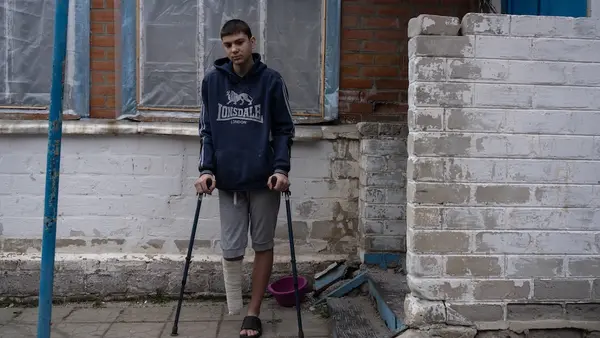
The consequences of these disruptions are devastating for children. A lack of safe water jeopardizes child health, safety and well-being. It can threaten child survival.
How UNICEF works to protect safe water access
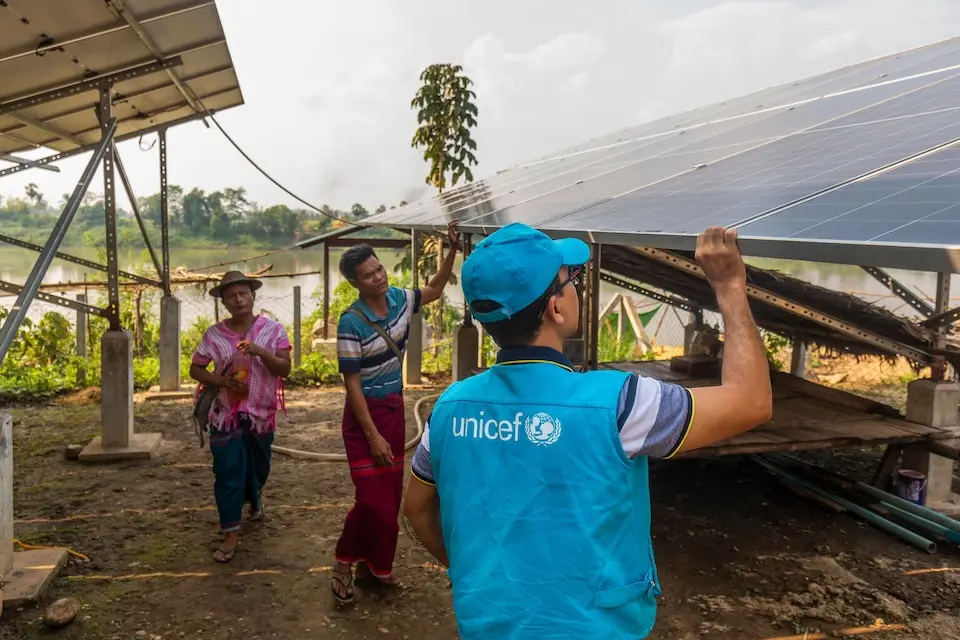
UNICEF works with partners to help ensure children caught in conflict zones can still access safe water and sanitation by investing in resilient infrastructure, building decentralized systems to reduce risks in the event of an attack and strengthening local community capacity to sustain services.
Learn more about UNICEF safe water projects
But there are challenges, from funding cuts to access restrictions, that complicate these efforts. Attacks in recent years have frequently occurred in conflict contexts where access is restricted, and displacement, insecurity and economic decline put additional strain on weakened water systems, preventing rehabilitation and maintenance of damaged or destroyed infrastructure, the report notes.
In conflict-affected areas, it is often difficult for frontline workers to access the supplies, equipment and energy they need to repair and maintain essential WASH infrastructure, and they can be threatened, even killed or injured while trying. The increased use of armed drones to launch strikes spreads the risk across larger geographic areas.
Related: Explosive Weapons Pose Growing Threat to Children
The risks and ripple effects for children when WASH services are disrupted
Water and sanitation are more than services: they are the foundation upon which children's health, nutrition, education, protection and dignity depend.
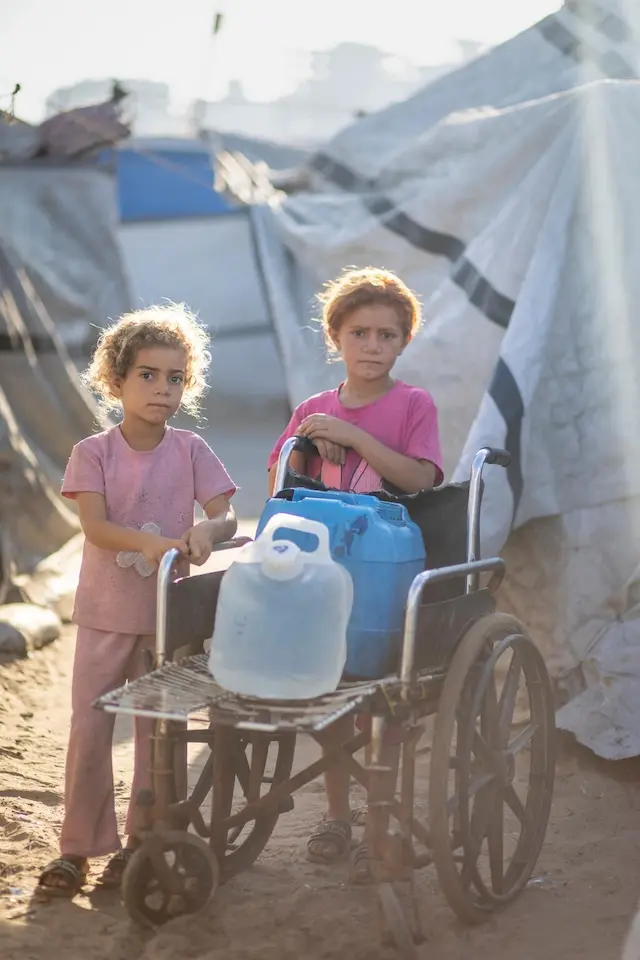
When the flow of safe water to health facilities is disrupted, infection prevention and control is weakened and maternal, newborn and child health services are compromised.
Infectious diseases such as hepatitis E, cholera and acute watery diarrhea can spread rapidly, resulting in child illness and preventable death.
Children’s nutrition is also compromised in many ways when safe water is no longer available. The lack of safe water increases children’s exposure to infections such as diarrheal disease — which worsens malnutrition — while increasing children’s susceptibility to both severe illness and other infections.
Treatment for severe acute malnutrition also depends on clean water to safely prepare some therapeutic foods, meaning disruptions to water and energy services can directly undermine lifesaving care.
Cutting kids and their families off from safe water access has additional risks and ripple effects. Attacks that harm WASH systems can force schools to close. When kids are out of school they face higher risks of being forced into child labor or child marriage or recruited by armed groups, among other forms of exploitation and abuse.
When households lose access to safe water, kids — girls in particular — are often tasked with fetching water from faraway places, which carries its own protection risks, including sexual violence.
A call to action to improve protection of children and communities
Efforts by humanitarian actors like UNICEF to leverage innovative, adaptive and conflict-resilient approaches to WASH are important, to be sure, but they are not enough.
Parties to conflict must uphold international law by treating water and sanitation infrastructure as indispensable to the survival of civilians. Data on WASH attacks in conflicts should be systematically collected. Children, communities and WASH/energy workers must be protected. Safe, unhindered humanitarian access and essential supplies must be granted in conflict settings to keep WASH and associated energy systems functioning.
And there needs to be continued investment in conflict-resilient approaches to WASH and in locally-led efforts to ensure continuity of services before, during and after crises.
To learn more, read the full report: Water Under Fire Volume 4
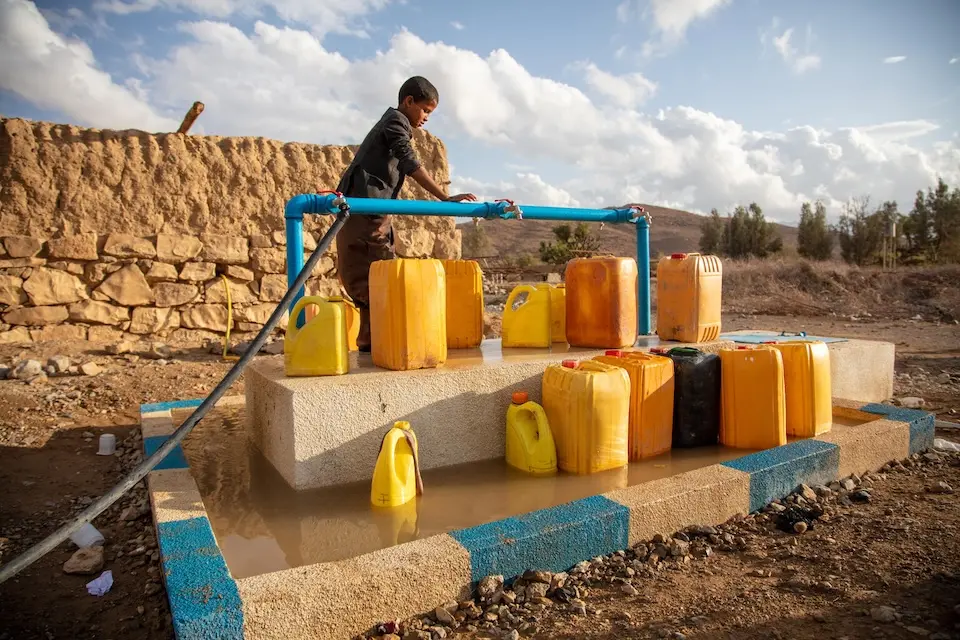
Close to 138 million people need humanitarian WASH assistance across 23 conflict-affected countries, UNICEF's report states. More donor support is needed to fund necessary interventions.
The story doesn't end here. Help change what happens next.
HOW TO HELP
There are many ways to make a difference
War, famine, poverty, natural disasters — threats to the world's children keep coming. But UNICEF won't stop working to keep children healthy and safe.
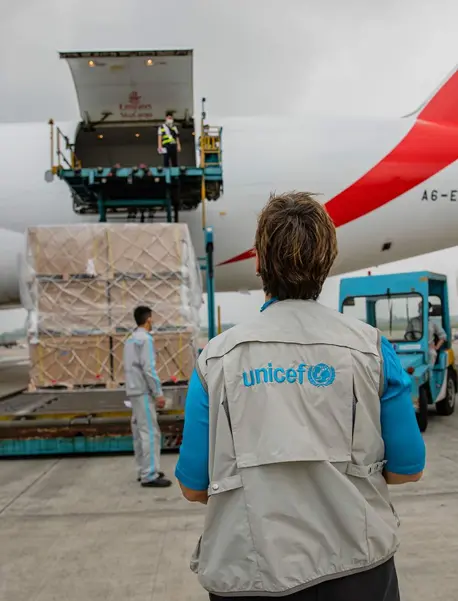
UNICEF works in over 190 countries and territories — more places than any other children's organization. UNICEF has the world's largest humanitarian warehouse and, when disaster strikes, can get supplies almost anywhere within 72 hours. Constantly innovating, always advocating for a better world for children, UNICEF works to ensure that every child can grow up healthy, educated, protected and respected.
Would you like to help give all children the opportunity to reach their full potential? There are many ways to get involved.