Climate Change and Child Nutrition
Droughts, floods and rising temperatures are fueling a global child hunger crisis. As climate-driven disasters destroy crops and disrupt health services, more children go to bed malnourished. Learn how UNICEF and partners are taking action, and how to help.
How climate change is worsening child nutrition
Climate change is threatening decades of progress against child malnutrition. Nearly half of the world’s children — about 1 billion — live in countries at extreme risk of climate impacts.
Droughts, floods and storms have become more frequent and more intense, damaging crops, disrupting food systems and driving up food prices. In many vulnerable communities, families can no longer grow or afford nutritious food. As a result, children are often forced to eat less or rely on cheaper, less nutritious staples that lack essential vitamins.
Climate shocks also impact children’s health. Contaminated water from floods and shrinking water sources from droughts spread diseases like diarrhea, which hit malnourished children hardest. Heat waves and extreme storms can damage clinics, roads and supply chains, cutting off access to lifesaving nutrition services.
Related: Climate Change and Children's Health
Without accelerated action and increased investment in evidence-based solutions — interventions that work and are ready to scale — UNICEF and partner agencies project that by 2050, an estimated 28 million more children could suffer from acute malnutrition, and 40 million more may become chronically undernourished, undermining their growth and development and jeopardizing their futures.
Malnourished Children: How UNICEF Fights Child Hunger
How UNICEF supports child nutrition, helps fight child malnutrition in countries hardest hit by climate change
UNICEF works with partners to help children and families adapt to a warming world and build resilience to climate impacts.
In communities especially hard hit by climate shocks, UNICEF acts swiftly to shore up essential health and nutrition services. This includes strengthening local systems to better withstand climate-driven emergencies such as severe droughts and floods.
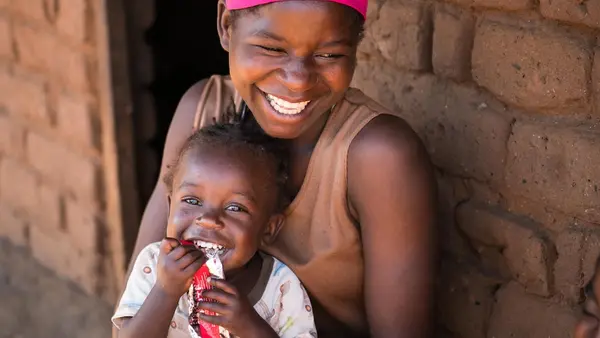
UNICEF also assists small-scale farmers, families and communities in growing nutritious and climate-smart crops; supports policies and programs that improve children’s access to nutritious, affordable food; and encourages more diverse local diets so children can get what they need even as growing conditions shift.
UNICEF also assists small-scale farmers, families and communities in growing nutritious and climate-smart crops; supports policies and programs that improve children’s access to nutritious, affordable food; and encourages more diverse local diets so children can get what they need even as growing conditions shift.
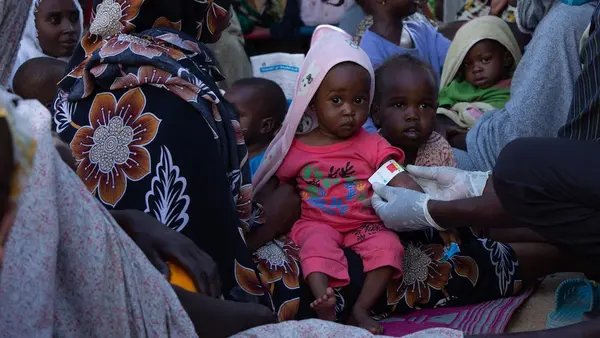
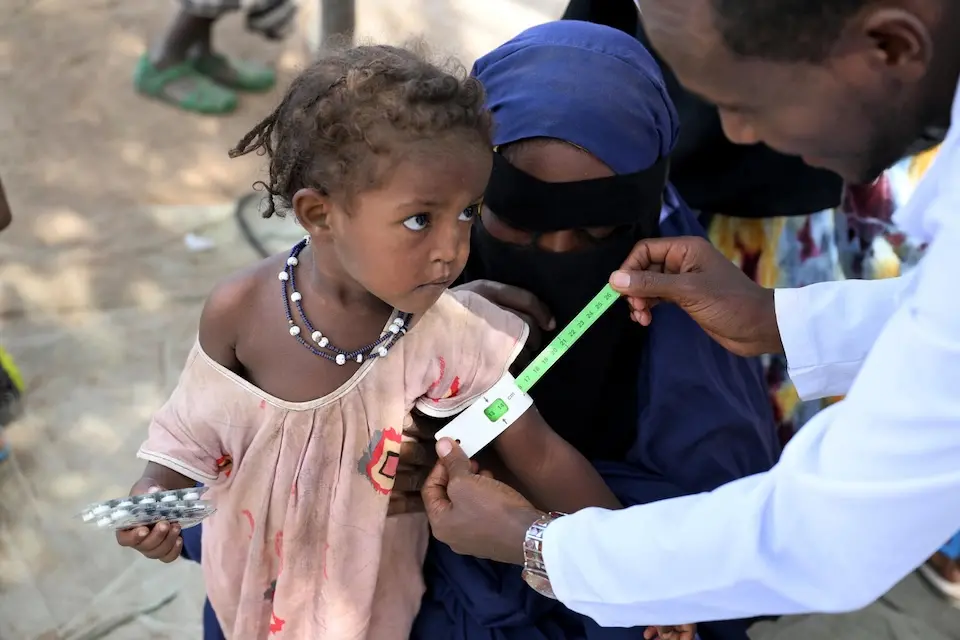
And when climate disasters strike, UNICEF moves fast to integrate nutrition into emergency response. Children receive therapeutic food, clean water and medical care, often within days of a crisis. Health workers are trained and equipped to detect and treat malnutrition early, even in remote and hard-to-reach areas. Caregivers are supported with practical guidance on safe feeding and hygiene to protect their children’s health amid disrupted environments.
UNICEF emergency response and resilience programs
UNICEF also works with governments to expand social protection programs such as cash transfers and food assistance, which help prevent families from falling deeper into hunger and poverty during emergencies.
UNICEF humanitarian cash transfers
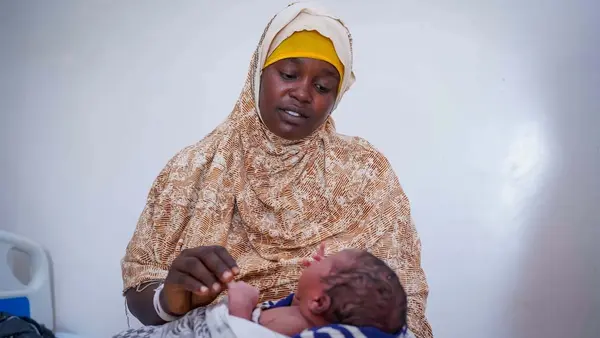
Even in the face of compounding climate threats, UNICEF is protecting essential nutrition services. This includes everything from promoting breastfeeding to providing vitamin supplements and vaccinations to treating cases of severe acute malnutrition. These lifesaving interventions are designed to function in the most difficult circumstances.
Together, these efforts ensure that climate-driven emergencies don’t result in child hunger and loss of life — and that even amid crisis, children have a chance at a healthy future.
Climate solutions that nourish children and the planet
UNICEF’s nutrition programs also align with broader climate goals, championing solutions that are good for children and good for the planet.
Promoting breastfeeding is a great example. Breastfeeding not only provides optimal nutrition for babies, it avoids the carbon emissions linked to producing and transporting commercial formula.
UNICEF also works with schools and local governments to encourage sustainable, low-carbon diets for children. That can mean incorporating locally produced fruits, vegetables and other climate-friendly ingredients into school meal programs, instead of relying on heavily processed foods.
From the use of clean cooking stoves to solar-powered water pumps, UNICEF is helping communities adopt technologies that reduce greenhouse gas emissions while improving children’s nutrition and health. In these ways, UNICEF’s fight against child malnutrition is also a fight for a healthier planet — ensuring that solutions to hunger don’t contribute to climate change, but help solve it.
UNICEF's Child Nutrition Fund: scaling solutions to child malnutrition
To reach more children faster, UNICEF is leading the Child Nutrition Fund (CNF), a global mechanism that coordinates resources to scale up high-impact nutrition solutions in countries* that have high or very high levels of child stunting and/or child wasting.
The CNF supports proven interventions including vitamin A supplements, breastfeeding counseling and treatment for wasting. It also matches government investments, strengthens local supply chains and helps countries transition to sustainable, long-term financing for child nutrition.
With bold leadership and collaborative financing, the CNF is helping to close the nutrition gap by ensuring every child has access to the food and care they need to thrive.
Learn more about UNICEF's Child Nutrition Fund
The Child Nutrition Fund in action in Ethiopia
CNF has already helped drive impact for children in Ethiopia — a country that, despite a 77 percent drop in under-5 child mortality rates between 1990 and 2023, continues to face major challenges in child health and malnutrition, especially in conflict-affected and remote pastoralist areas where services are limited. Climate change impacts have further jeopardized food security and survival.
In Ethiopia, less than 10 percent of the country's children receive a minimally diverse diet, and an estimated 900,000 children remain at risk of severe wasting due to drought and displacement. Both issues are concentrated in ‘zero-dose communities,’ places where children are missing out on both vaccines and essential nutrition.
UNICEF, with support from the CNF, joined forces with the government of Ethiopia and Gavi, the Vaccine Alliance in 2024 to pioneer an integrated approach: delivering a comprehensive package of services through health facilities, mobile health and nutrition teams, village-based outreach and community health days. In the program's first year, more than 560,000 children received vitamin A supplementation, 410,000 were dewormed and 570,000 were screened for malnutrition. As part of immunization outreach, 96 percent of identified zero-dose children and 88 percent of under-vaccinated children received Penta 1 and 3 vaccines, marking a major step towards closing equity gaps.
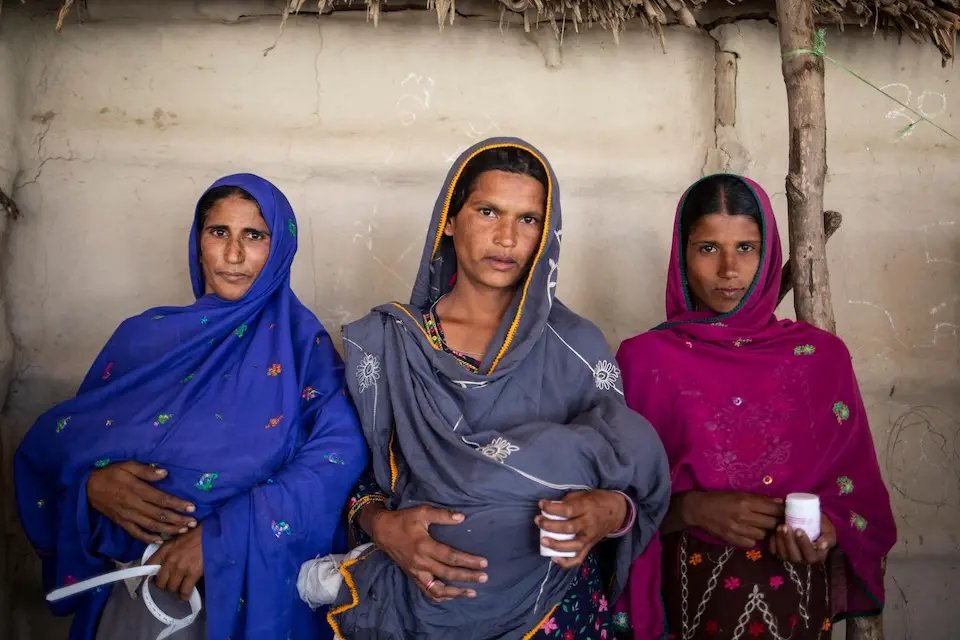
The Child Nutrition Fund in action in Pakistan
Pakistan continues to face protracted malnutrition challenges, which have been exacerbated by climate-induced shocks, frequent food price hikes and disease outbreaks. The rising cost of food — prices doubled between 2020 and 2023 —– has left approximately 60 percent of the population unable to afford healthy diets.
Food insecurity is particularly acute in Balochistan and Sindh provinces, where 38 percent of children under age 5 experience severe food poverty and 47 percent face moderate food poverty, intensifying health and developmental risks.
In 2024, UNICEF, backed by the Child Nutrition Fund, launched a plan to accelerate a government-led maternal nutrition program. Frontline health and nutrition workers were mobilized and trained to administer multiple micronutrient supplements (MMS), a blend of 15 essential vitamins and minerals proven to enhance maternal health and nutrition. The goal is to reach 1.75 million women with MMS by 2027.
How to help
The climate crisis and the child malnutrition crisis are deeply connected. Everyone has a role to play, starting with reducing one's own environmental impact. Supporters can also help raise awareness of the problem and the solutions by joining UNICEF USA's advocacy efforts, organizing a fundraiser or making a one-time or monthly donation.
Ways to support UNICEF’s mission
*High-burden countries include: Afghanistan, Angola, Bangladesh, Benin, Bhutan, Botswana, Burkina Faso, Burundi, Cambodia, Cameroon, Central African Republic (CAR), Chad, Comoros, Côte d’Ivoire, Democratic Republic of the Congo (DRC), Djibouti, Ecuador, Egypt, Eritrea, Eswatini, Ethiopia, Guatemala, Guinea, Guinea-Bissau, Haiti, India, Indonesia, Kenya, Lao People’s Democratic Republic, Lesotho, Liberia, Libya, Madagascar, Malawi, Malaysia, Mali, Marshall Islands, Mauritania, Mozambique, Myanmar, Nepal, Niger, Nigeria, Pakistan, Papua New Guinea, Philippines, Rwanda, Sierra Leone, Solomon Islands, Somalia, South Africa, South Sudan, Sri Lanka, Sudan, Syria, Tanzania, Timor-Leste, Togo, Uganda, Vanuatu, Yemen, Zambia and Zimbabwe.