UNICEF Takes Action for Children in Sudan as Crisis Deepens
As violence and displacement intensify, UNICEF is ramping up support for children caught in Sudan's war, but more funding is needed to meet 2026 goals. How UNICEF keeps delivering despite challenging conditions on the ground — and where donor support is already making a difference.
Working tirelessly to bring aid, relief and hope as fighting continues
During a recent visit to Sudan, UNICEF Executive Director Catherine Russell warned the country's deepening crisis requires urgent action to protect children from the impacts of escalating conflict.
Conflict-driven displacement and the breakdown of essential services have left 21 million people — nearly half of Sudan's population — facing high levels of acute food insecurity. Crop failures, water stress and livestock losses are further worsening hunger; malnutrition is at critical levels, with famine already declared in parts of Darfur and Kordofan and other areas at risk.
“Children in Sudan are living through unrelenting violence, hunger and fear,” Russell said. “Women and girls are bearing the brunt of the crisis, including horrific levels of sexual violence. They need protection, services and global solidarity.”
Read stories of children forced to flee violence in Sudan: On the Run in Sudan
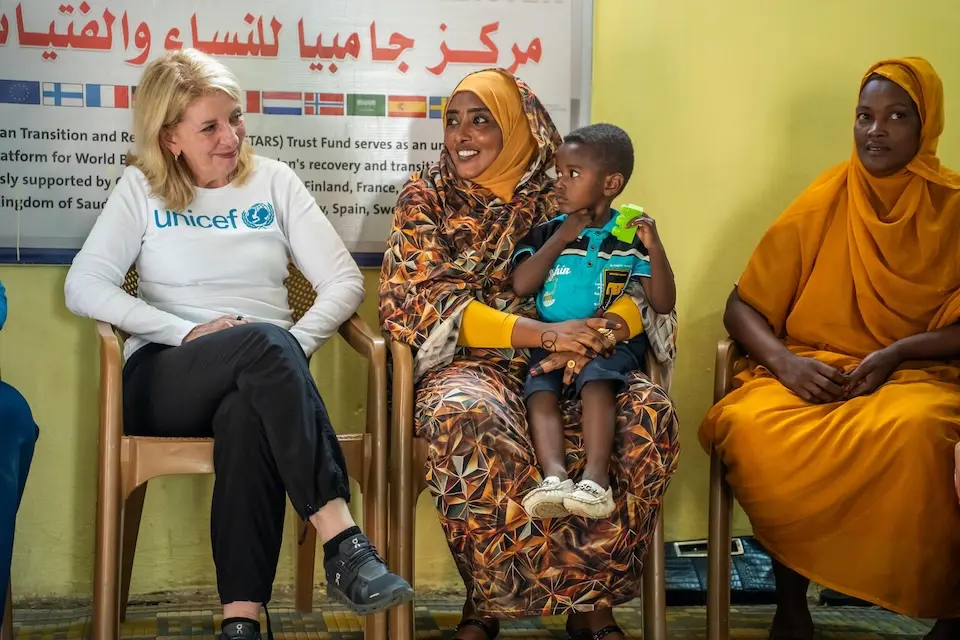
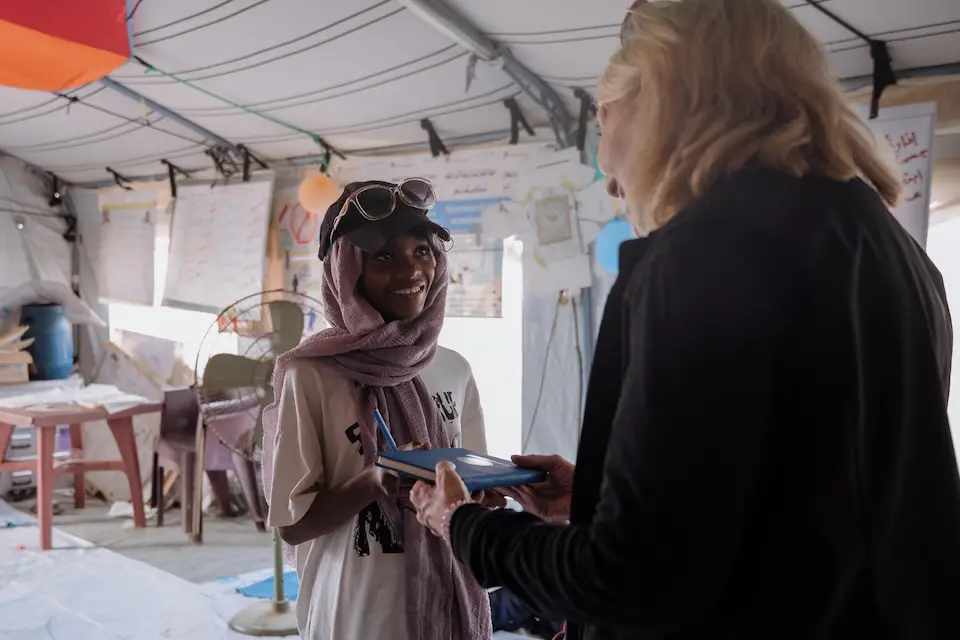
While in Kassala state last week, Russell met women and adolescent girls receiving assistance at a UNICEF-supported center, including psychosocial support, legal and medical referrals and skills training. Services at the center reach over 200 women and girls daily.
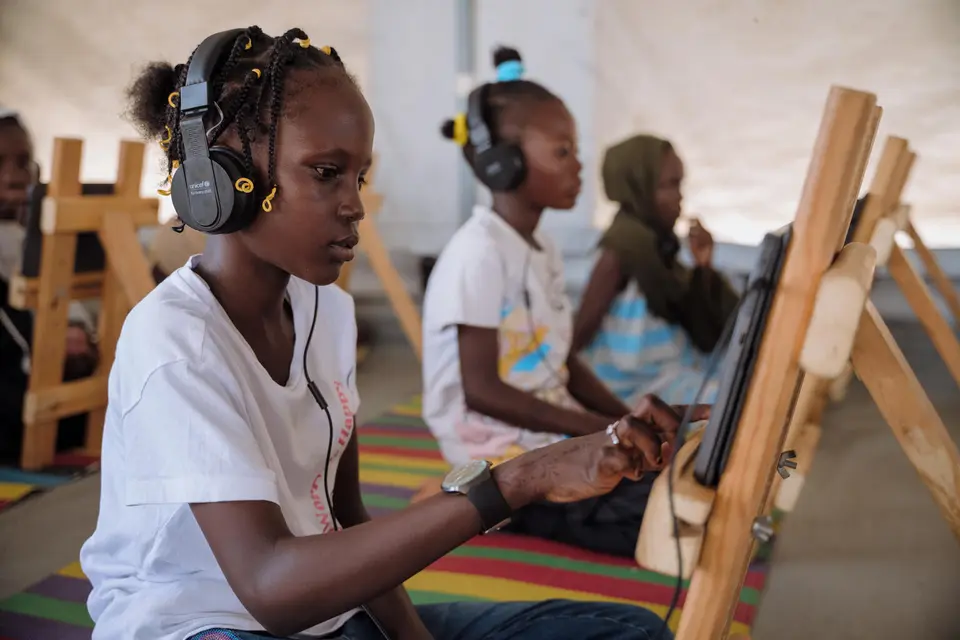
In Port Sudan, Russell visited the As-Senniya site for displaced families, where a UNICEF child-friendly space offers displaced children a place to get back to learning, play with peers and receive psychosocial support and other services. Engaging in structured activities in a safe environment helps children process trauma and regain a sense of normalcy.
Discover UNICEF's child-friendly spaces for children displaced by conflict
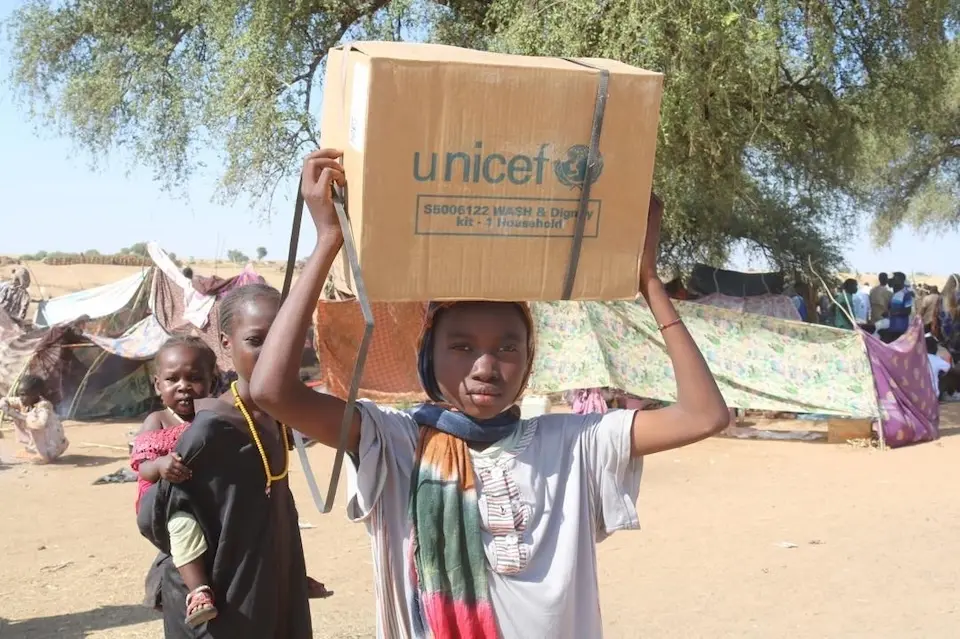
Other examples of UNICEF Sudan's impact in recent months, often despite severe access constraints, include:
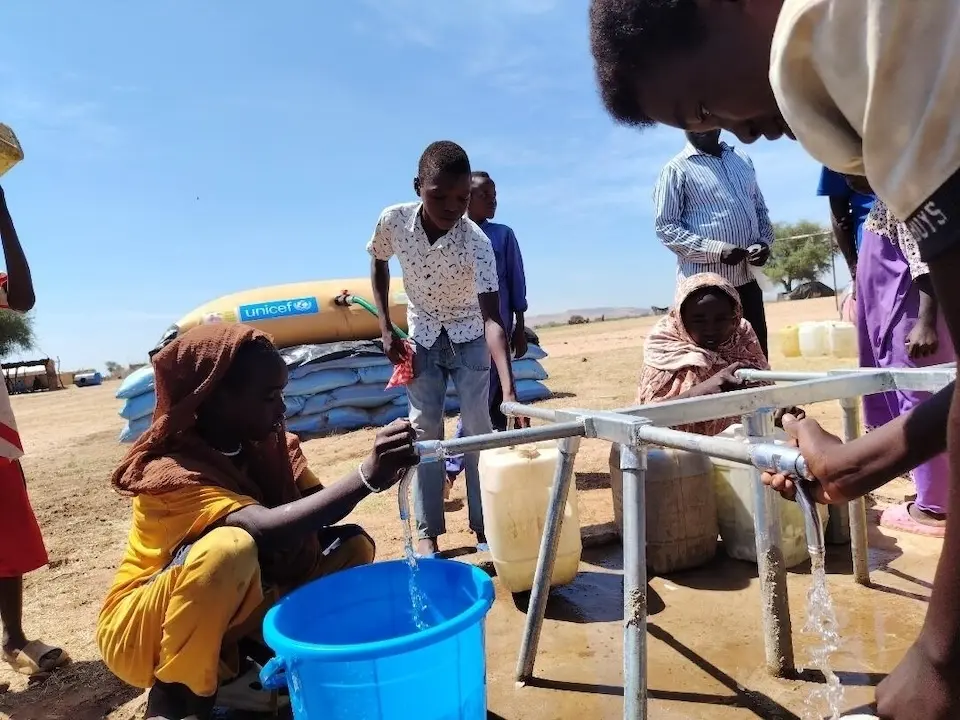
- restoring access to safe water for hundreds of thousands of people
- aiding the response to cholera and other disease outbreaks
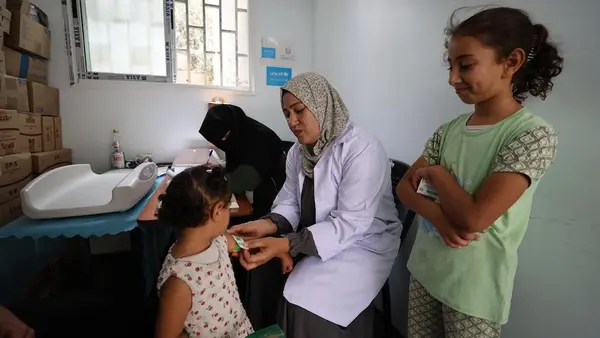
- enabling mobile health units and partner facilities to provide integrated health and nutrition services; trained frontline workers are able to detect malnutrition early and refer to treatment if needed
- transporting millions of doses of vaccines into the country using donkey carts and other means, braving rough terrain to reach children in remote communities with immunization
- delivering learning and teaching supplies to dozens of reopened schools
- registering over 700 separated children and 240 unaccompanied children, and reuniting 212 of those children with caregivers
Read how UNICEF teams are responding to growing needs across the country: Five Ways UNICEF Is Supporting Sudan's Children
UNICEF needs urgent and flexible funding to scale up these and other lifesaving interventions and to ensure continuity of critical support for children and families in crisis.
Goals for 2026 focus on child survival and protection: sustaining essential services, preventing and treating severe acute malnutrition and disease and providing safe spaces for children to learn, play and heal, among other priorities.
Read how Sudanese children are rebuilding their futures through education: Back to School in Sudan: Hope in a Backpack
UNICEF continues to call for an immediate end to the violence, and for safe and unhindered access for humanitarian aid workers, as insecurity continues to hamper aid delivery in some areas.
Learn how UNICEF plans to keep delivering lifesaving support to children across Sudan in 2026
Right now, the lives of the most vulnerable children hang in the balance as conflicts and crises jeopardize the care and protection that they deserve. Dependable, uninterrupted and effective foreign aid is critical to the well-being of millions of children. Please contact your members of Congress and urge them to support ongoing U.S. investments in foreign assistance.
HOW TO HELP
There are many ways to make a difference
War, famine, poverty, natural disasters — threats to the world's children keep coming. But UNICEF won't stop working to keep children healthy and safe.
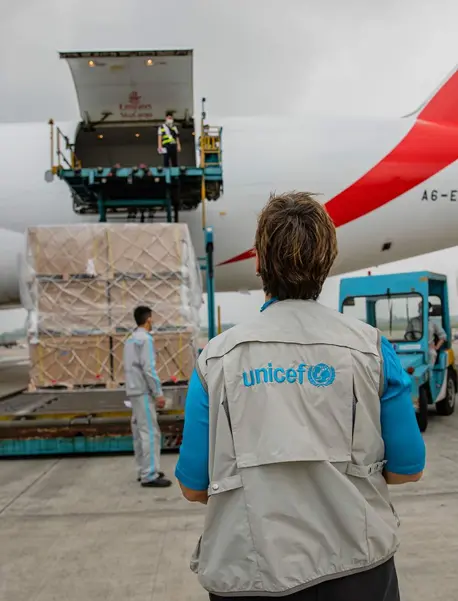
UNICEF works in over 190 countries and territories — more places than any other children's organization. UNICEF has the world's largest humanitarian warehouse and, when disaster strikes, can get supplies almost anywhere within 72 hours. Constantly innovating, always advocating for a better world for children, UNICEF works to ensure that every child can grow up healthy, educated, protected and respected.
Would you like to help give all children the opportunity to reach their full potential? There are many ways to get involved.