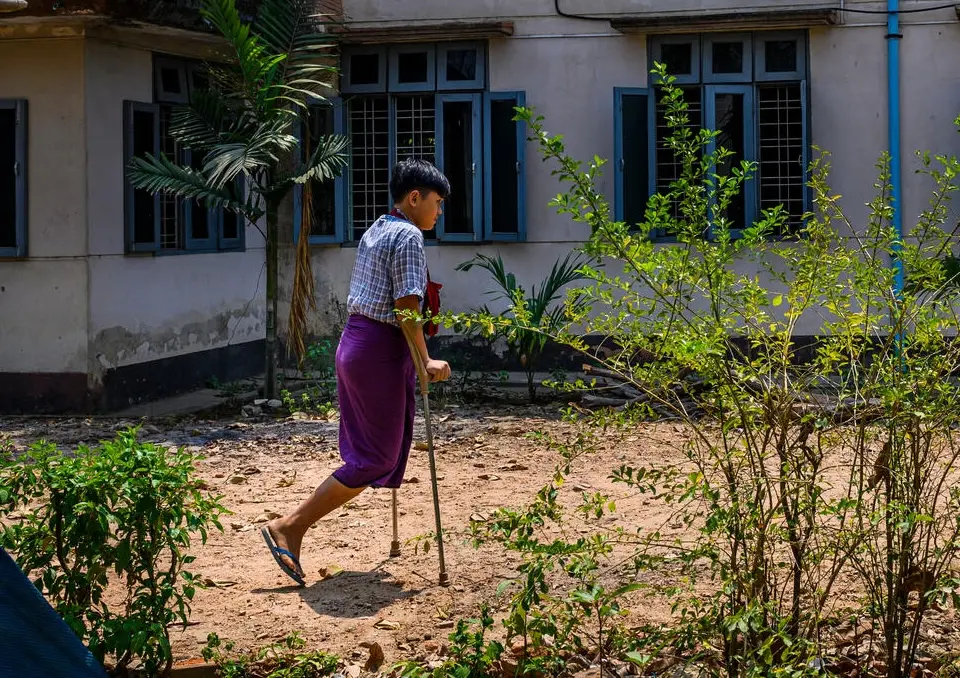
How UNICEF Protects Children From Unexploded Ordnance and Landmines
Even after the last shots are fired in conflicts around the world, danger remains for unsuspecting children in countries that have been ravaged by war. Every year UNICEF helps thousands of injured children recover and reaches millions more with education programs to ensure vulnerable children are aware of the risks.
Deadly objects often mistaken for harmless scraps of metal
From Afghanistan to Zimbabwe, explosive remnants of war, landmines and improvised explosive devices (IEDs) pose ongoing risks of catastrophic injury and death to civilians.
More than 100 million people worldwide are vulnerable to these hazards, according to the UN. More than half of that vulnerable population are children, who often don't recognize the danger.
Unexploded ordnance such as bombs, missiles, mortars and grenades that failed to go off when originally fired and abandoned ordnance are strewn through at least 60 countries. Landmines and IEDs can lay concealed for years after they were put in place. Each and every piece remain a threat long after the war in which they were originally used ends.
Educating children to prevent injuries and deaths
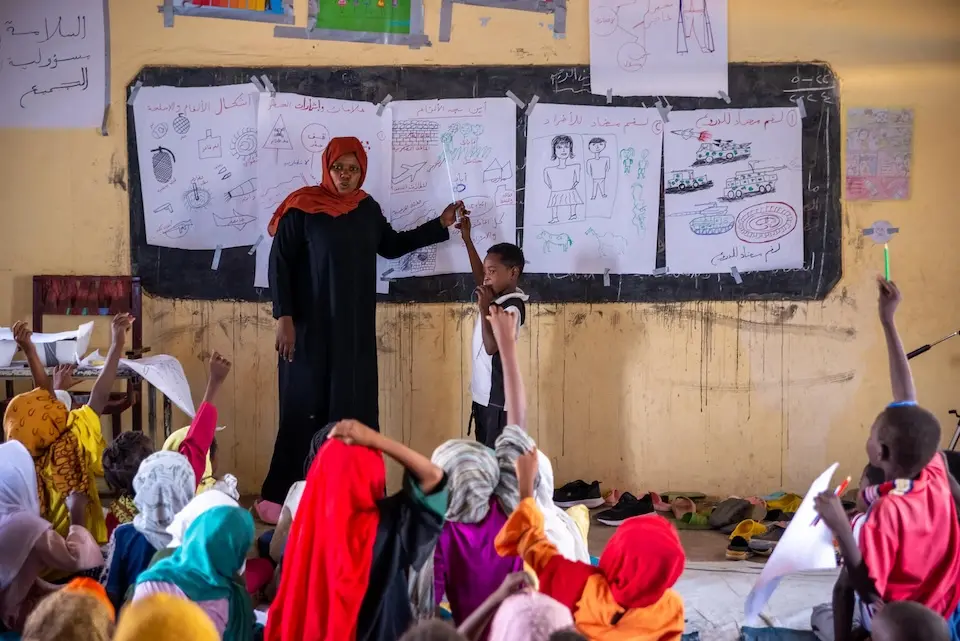
Without proper training or access to detection technology, ordnance is often mistaken for harmless scraps of metal. UNICEF works with partners to educate children and their families about how to best protect themselves from the dangers.
In Yemen, Ghafora Ali lost her eye and suffered head, back, arm, and leg injuries when her children began playing with what they thought was a can, but turned out to be an explosive. Her two sons were also severely injured in the blast.
"If we had any knowledge about mines, none of this would have happened," said Ali, 32. "But due to ignorance and war, we were displaced and harmed, so my sons had no choice but to collect scraps which often contain explosive devices."
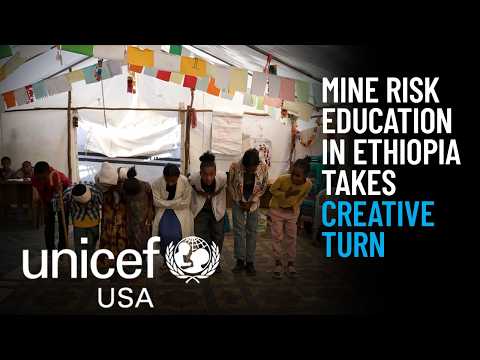
Risk education approaches vary, and are tailored to different age groups. In some cases the information is delivered in comic books, posters or games that illustrate what the many types of objects could look like.
UNICEF also provides comprehensive online training for teachers, emergency service workers and police officers.
“The threat of explosive ordnance can be hidden anywhere — even in places that seem familiar or harmless,” said Svitlana Kisilova, a social behavior specialist at UNICEF Ukraine. "That’s why our education efforts focus on instilling clear and practical safety rules in children and young people: never approach or touch unknown objects, always tell a trusted adult right away, and report the danger by calling 101.”
Assisting survivors with medical care, rehab and emotional support
Despite prevention efforts, the sheer volume of explosive remnants of war, IEDs and landmines cause thousands of casualties each year.
UNICEF works with partners to assist those affected by providing medical care, rehabilitation and emotional support for survivors — many of whom are left maimed or otherwise severely injured. In 2023, UNICEF helped rehabilitate over 5,700 children injured by remnants of war and landmines in 13 countries.
Working with government and civil organizations, UNICEF also helps support affected families in reestablishing a sense of normalcy in their lives, which includes making sure children can return to school.
Learn about how UNICEF supports children with disabilities

Advocating for mine clearance and ordnance removal
While helping to care for individuals, UNICEF is also focused on advocating for increased demining and ordnance removal across the globe.
As a co-signer of a 2022 multilateral declaration to protect civilians from explosive weapons in populated areas, UNICEF continues to campaign for nations to respect international law and to address the ongoing crisis.
UNICEF also co-chairs the Explosive Ordnance Risk Education Advisory Group (EORE AG), founded in 2019. The group includes a number of UN agencies and international non-governmental organizations (NGOs) working to improve international standards and strategies for education efforts.
UNICEF continues to calls on governments to avoid the use of explosive weapons in populated areas, and to speak out to protect children worldwide from conflict.
Addressing landmine risks in post-civil war Syria
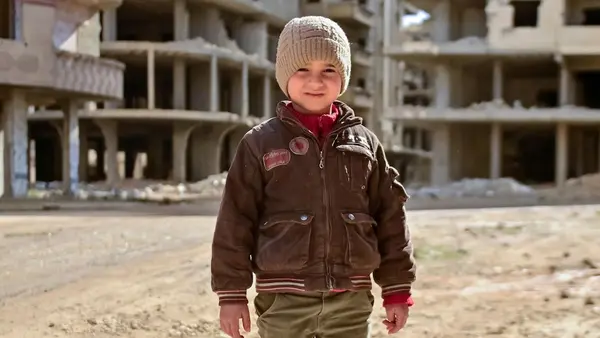
For an estimated 75 percent of Syrian’s children born during the country’s 14-year civil war, chaos and danger is all they have known during their young lifetimes. Even as the country transitions to some measure of stability, however, risks still loom.
In the aftermath of over a decade of bloody conflict, there are an estimated 324,000 pieces of unexploded ordinance across Syria. As refugees return to their homes, many children are unknowingly coming into close contact with landmines and other explosive remnants of war.
“This danger affects approximately 5 million children living in areas contaminated with UXO and landmines, which have become the leading cause of child casualties in Syria," Ricardo Pires, UNICEF communications manager, warned in January 2025. "Every step they take carries the risk of an unimaginable tragedy."
There were 116 child casualties in Syria during the month of December 2024 alone, UNICEF reported. Those lucky enough to have survived the initial blasts have been left maimed or otherwise severely injured, and in need of medical care and rehabilitation services for the rest of their lives.
Learn more about how UNICEF and partners are supporting and protecting children in Syria
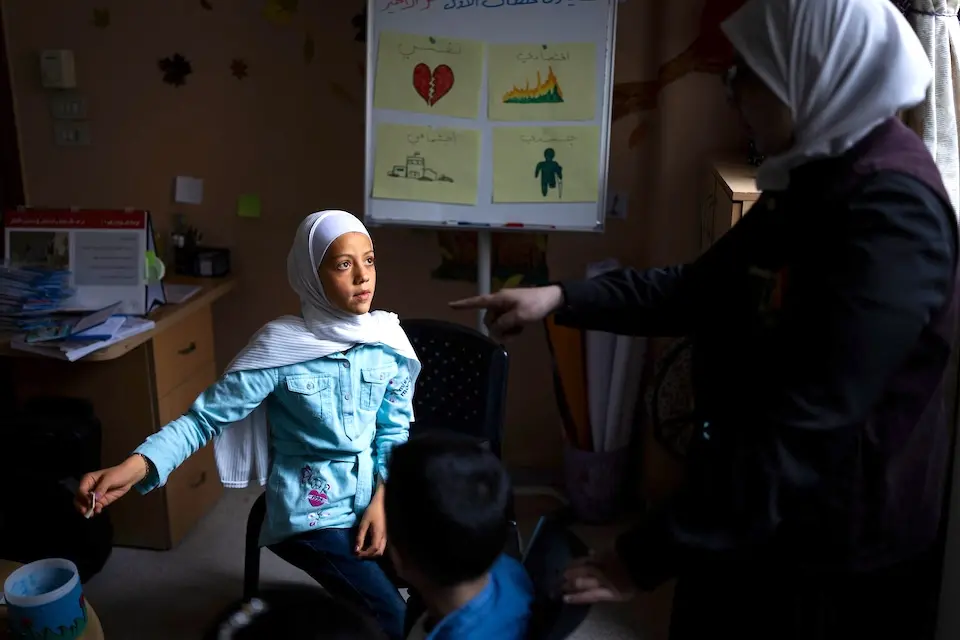
Protecting children in Ukraine as war rages on
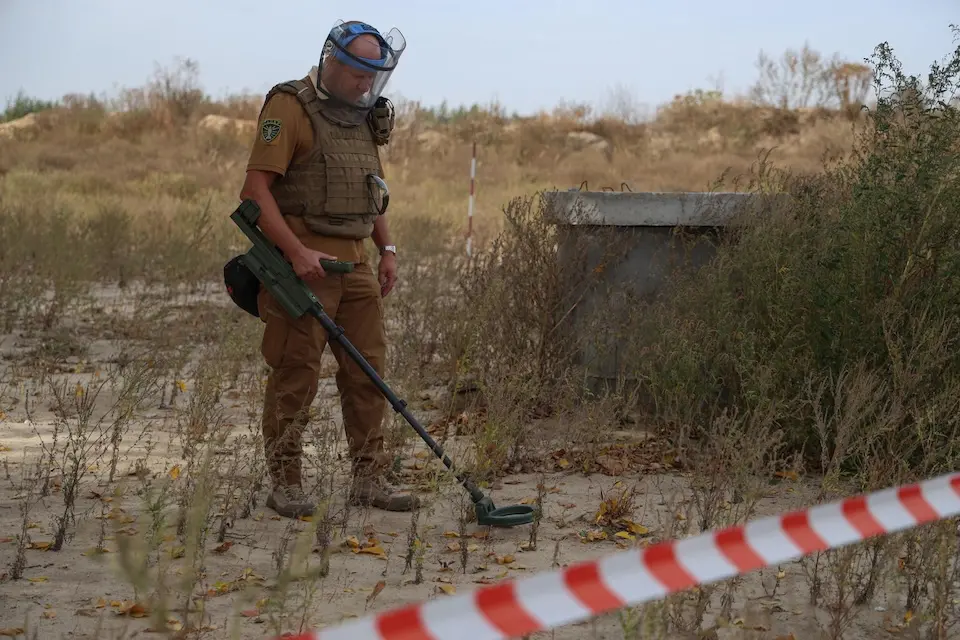
Unexploded ordnance remains a daily threat for children in Ukraine. An estimated 23 percent of Ukraine's territory is contaminated by landmines and explosive remnants of war as a result of ongoing conflict. Between February 2022 and March 2025, 110 children who came in contact with one or the other were killed or injured, the government reported.
An online course on mine safety that UNICEF launched in 2023 provides teachers, emergency workers and police officers with information and guidance for teaching children and adolescents about the risks and how to stay safe.
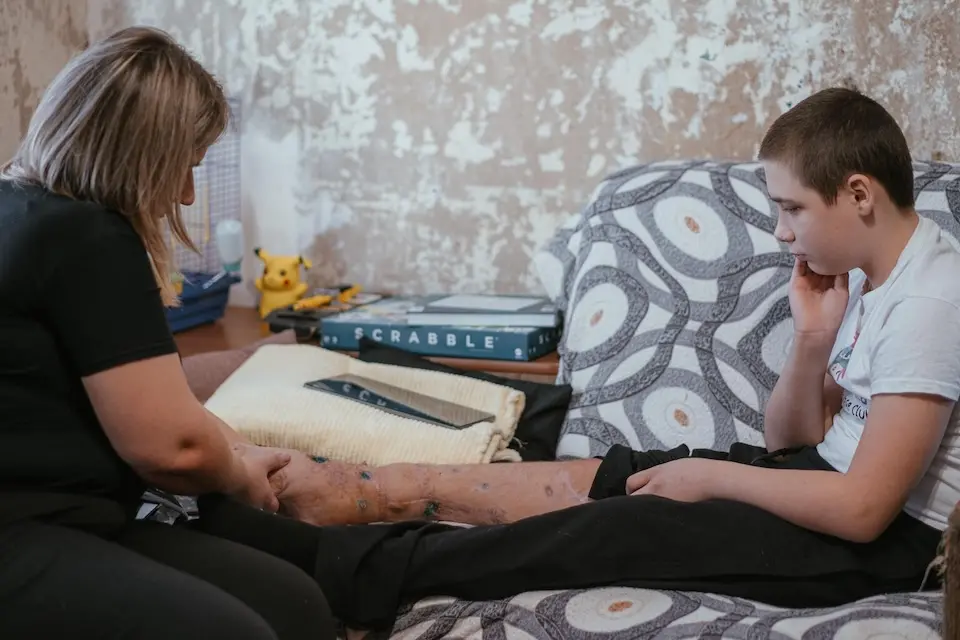
In November 2024, while walking outside his home, 12-year-old Nazar suffered severe leg injuries when a friend kicked a metal object that turned out to be a piece of unexploded ordnance. His friend was wounded in the torso.
A joint program run by UNICEF and the International Rescue Committee provided Nazar with rehabilitation aids, including crutches and a walker, and emotional support services, and cash assistance for his family.
"When we first arrived to see Nazar, he was not really willing to talk,” recalled Olena Hunchenko, a case manager from the International Rescue Committee, “Probably, it was a child's reaction to what had happened. During the next visits, Nazar became more open, talking about his studies and hobbies, and even sharing some moments of the incident.”
Responding to increased risks in Myanmar
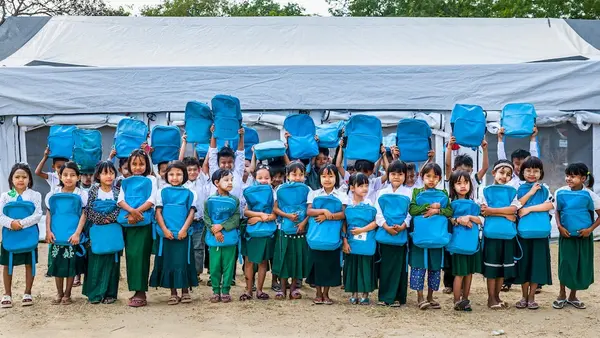
Myanmar is the deadliest country in the world when it comes to casualties from these explosive weapons. The ruling military junta, which seized power in 2021, has used mines in civilian areas in its ongoing conflict with several armed rebel groups. A pair of studies by UNICEF and the International Campaign to Ban Landmines verified more than 1,000 casualties in 2023 alone.
The lives of children left maimed by contact with landmines and ordnance are further jeopardized by the military government itself. The junta continues to criminalize amputees, labeling the missing limbs as evidence of participation in the resistance against the regime.
Compounding the crisis, a 7.7-magnitude earthquake devastated the Southeast Asian nation in March 2025, making it even more difficult to deliver risk education and medical services. It has become more critical than ever to support UNICEF's lifesaving child protection work in the region.