Maternal and Neonatal Tetanus Eliminated in South Sudan and Sudan
Highlights
- South Sudan and Sudan are the latest countries to eliminate maternal and neonatal tetanus (MNT) with support from UNICEF and partners.
- Neonatal tetanus claims the lives of newborns within their first days of life, particularly in settings with unsafe delivery practices and poor umbilical cord care.
- Tetanus is not passed from person to person, but through exposure to the spores of a highly resilient bacterium commonly found in soil, dust and manure.
-
The tetanus vaccine protects both mothers and their newborn babies.
Neonatal tetanus, a silent but preventable killer, claims the lives of newborns within their first days of life, particularly in settings with unsafe delivery practices and poor umbilical cord care. Through successful vaccination campaigns, both South Sudan and Sudan have achieved Maternal and Neonatal Tetanus Elimination (MNTE), a significant public health milestone.
Eliminating maternal and neonatal tetanus is a win for mothers and children
Zaineb, expecting her second child, arrives early for her prenatal care visit at Al Jubarab Primary Health Care Facility in Atbara, River Nile State, Sudan. As the midwife shares the good news of a healthy pregnancy, she also reminds Zaineb of the importance of receiving the tetanus vaccine: a simple but lifesaving measure that protects both mother and newborn from deadly maternal and neonatal tetanus.
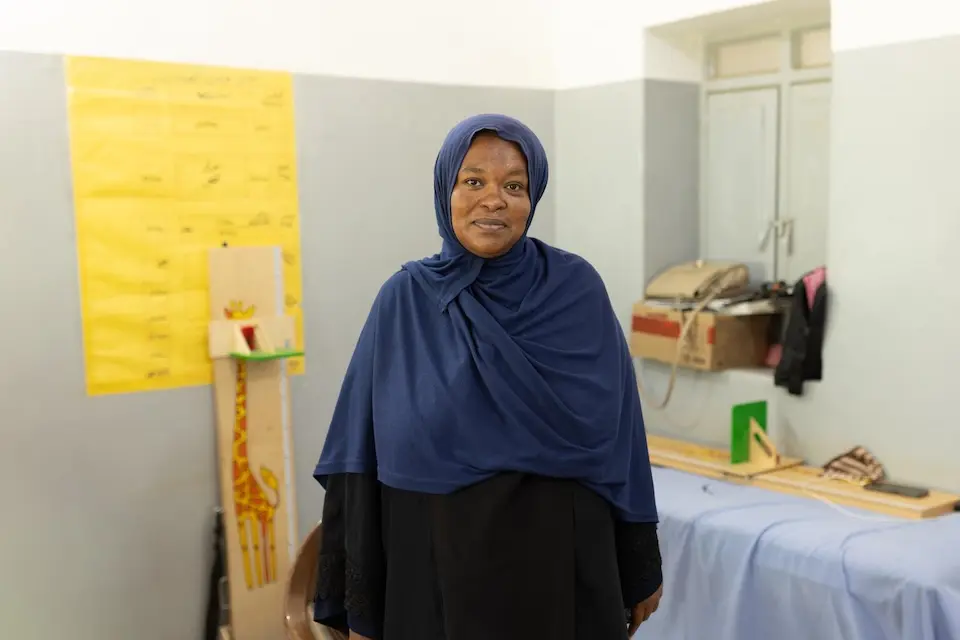
At the entrance of the maternal wing, Madina, a health worker, checks patients' cards and verifies their tetanus vaccination status. “I have to confirm they received all their doses,” she says, noting that education and reassurance have helped many mothers understand the value of protection at birth.
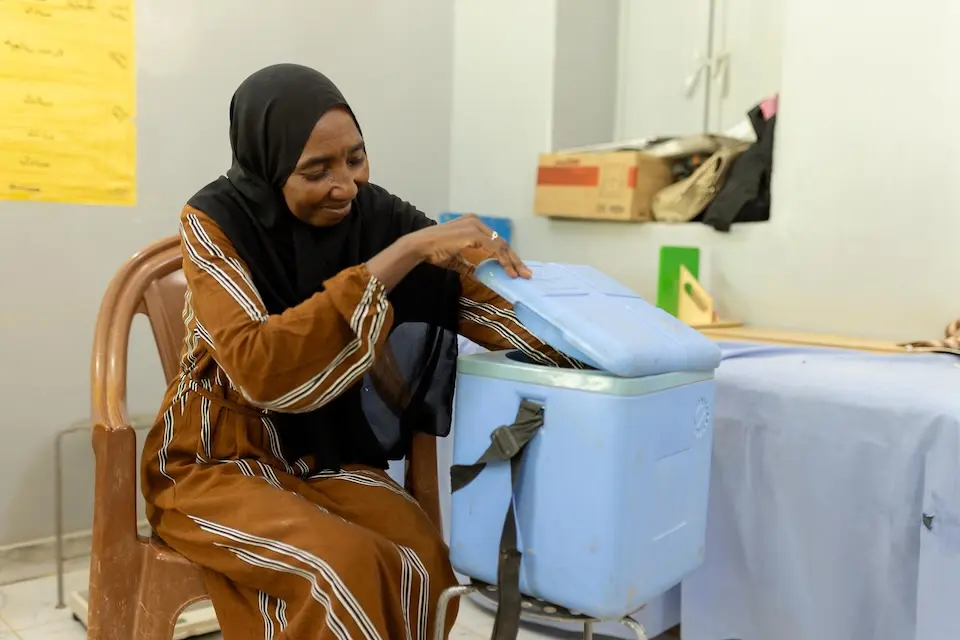
Across the room, Massara, a vaccinator, prepares the tetanus doses. “I vaccinate more than 20 women a day,” she explains. “It was difficult in the beginning as many refused. But after sustained awareness sessions and community outreach, women now come willingly.”
Trained midwives ensure clean and safe deliveries; vaccination campaigns protect women and their future children
Unlike other vaccine-preventable diseases, tetanus cannot be eradicated. It's not passed from person to person, but through exposure to Clostridium tetani, a common bacterium that exists in the environment in soil and animal feces worldwide. Neonatal tetanus claims the lives of newborns within their first days of life, particularly in settings with unsafe delivery practices and poor cord care.
Through immunization and the promotion of more hygienic deliveries and cord care practices, MNT can be eliminated when there is an annual rate of less than one case of neonatal tetanus per 1,000 live births at the district level.
A remarkable achievement in Sudan, despite conflict, displacement and disrupted health systems
Frontline health workers, midwives, vaccinators and community health staff have been instrumental in securing the progress celebrated across Sudan. Their efforts helped the country achieve Maternal and Neonatal Tetanus Elimination (MNTE), validated through a rigorous World Health Organization-led process using the most recent pre-conflict data from 2022.
Because insecurity made standard field surveys unsafe, Sudan's validation followed an adapted WHO-approved approach designed for fragile and conflict-affected settings. This involved an in-depth review of district-level data on neonatal tetanus surveillance, clean and safe delivery practices, and protection at birth, with a particular focus on districts considered most at risk.
Learn more about immunization — a pillar of UNICEF's global mission for children
Vaccination campaigns targeted high-risk areas, reaching more than 3.5 million women of reproductive age across Sudan
The assessment confirmed that all 188 districts met the criteria for elimination, demonstrating that the risk of neonatal tetanus had been reduced to extremely low levels nationwide. The validation highlighted Sudan’s remarkable achievements despite conflict, displacement and health system disruptions.
A network of trained midwives strategically deployed across communities ensured clean and safe deliveries, even among displaced populations. In 2022, 183 out of 188 districts surpassed the WHO threshold of 70 percent clean delivery coverage, demonstrating the resilience of Sudan’s maternal health system.
Sudan also implemented targeted tetanus vaccination campaigns between 2016 and 2019 across 78 high-risk districts, reaching more than 3.5 million women of reproductive age. An impressive 95 percent of these women received at least two protective doses. These supplementary immunization activities, combined with routine tetanus vaccination through prenatal care, played a critical role in strengthening protection at birth and building long-term immunity.
Learn more about how UNICEF supports children caught in Sudan's brutal civil war
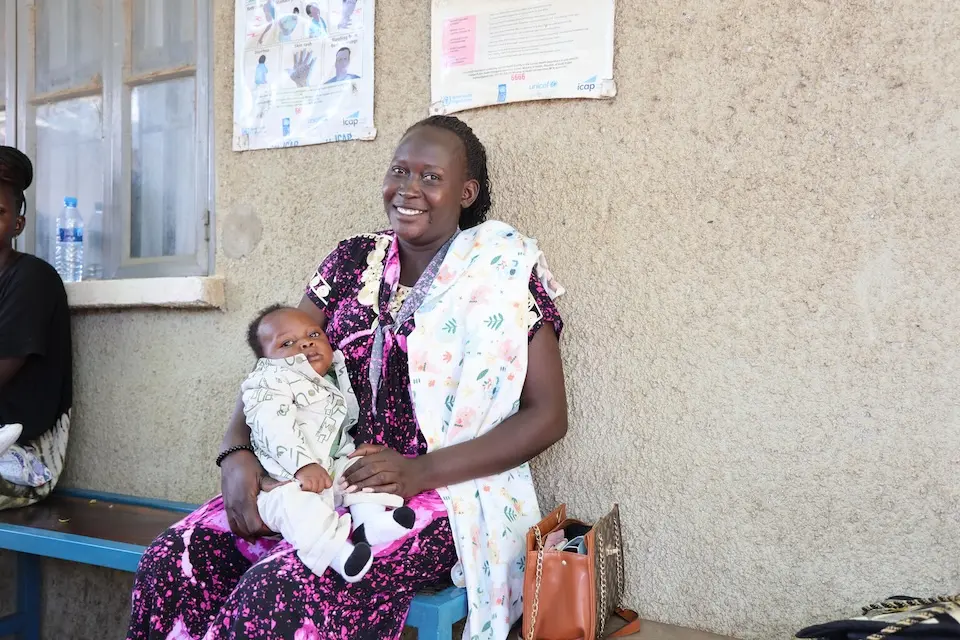
Building trust in South Sudan
Similar progress has been made in South Sudan, where women often don't have access to a health facility or trained midwife. Thanks to a coordinated effort to train health workers to educate and vaccinate women of childbearing age, MNT has been officially eliminated in South Sudan as well — a remarkable milestone that gives hope to the millions of women and mothers across a country in which maternal and newborn mortality rates remain among the highest globally, with over 1,150 maternal deaths per 100,000 live births and around 40 newborn deaths per 1,000 live births in recent estimates.
As South Sudan navigates a period of political uncertainty and increased violence, people at Munuki Primary Health Care Center in Juba, the nation's capital, find something rare: certainty. Walking down the sandy path that leads to the entrance feels like entering an oasis of safety and knowledge. For young mothers in particular, the Munuki PHCC offers clear information and reliable care in a context where misinformation travels easily. But here, trained staff provide reassurance and earn trust, one conversation at a time.
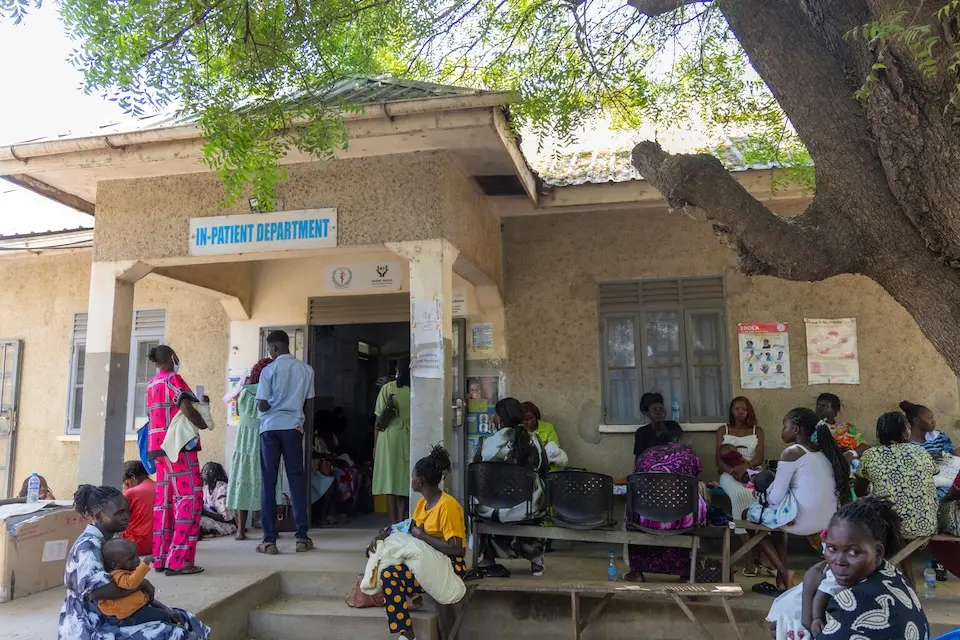
Debunking vaccine myths and disinformation
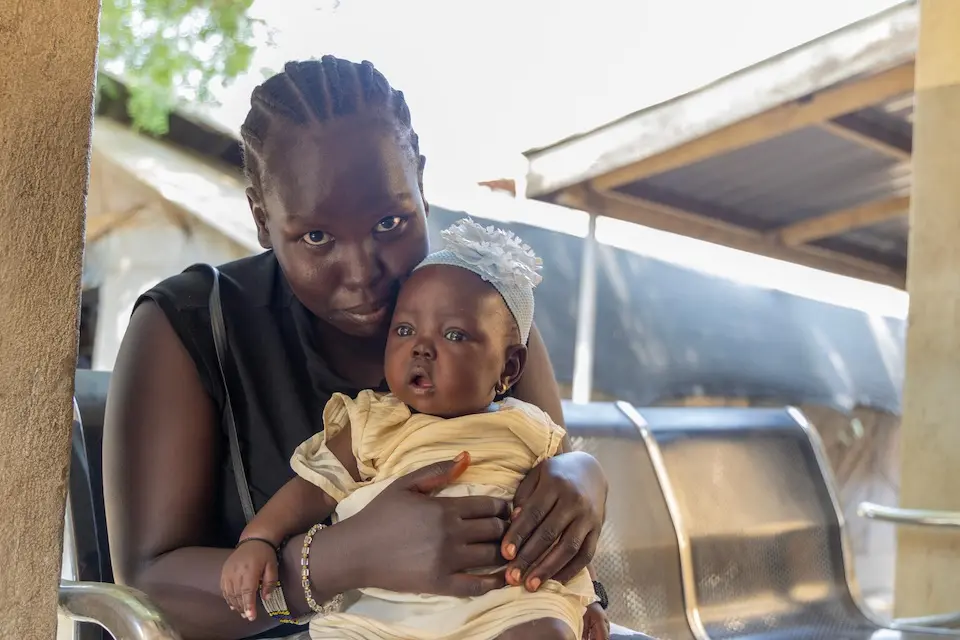
In a waiting area at Munuki PHCC, Josela holds her 3-month-old daughter, Rina. Today, Rina will receive her routine pentavalent vaccination, which protects against five diseases, including tetanus.
Josela did not receive the tetanus vaccination when she was pregnant with Rina. That decision was rooted in grief. Before Rina was born, Josela and her husband lost a son at the age of 2. In the emotional aftermath, her husband became convinced that the tetanus vaccine she got while she was pregnant with their son had played a role in the boy's death, a claim with no medical basis.
Across South Sudan, UNICEF-supported social and behavior change activities, including community outreach programs with community health workers and volunteers, radio programs and direct conversations with health facility staff, debunk myths and vaccine-related disinformation.
Josela now understands the importance of vaccination and knows that trusting health workers is the best way to keep her baby safe. "I know that vaccines will protect my baby from diseases," she says. "Even though I didn't take any vaccines myself while I was pregnant with Rina, I want to make sure that she receives them all. If I have another pregnancy, I will go to my mother's house to receive vaccines from nearby health facilities if my husband denies me taking them again."
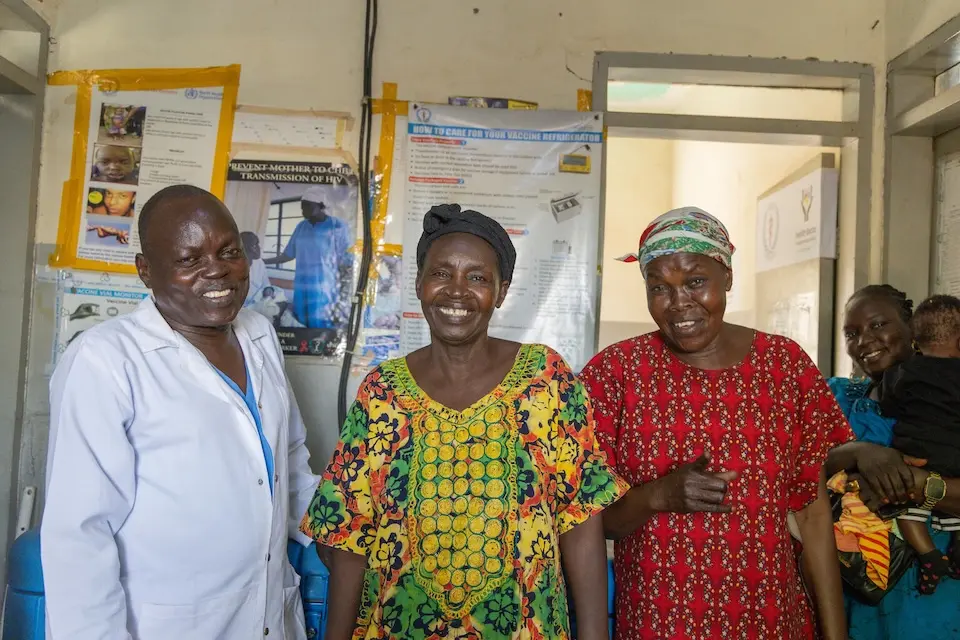
More than a public health milestone: MNT elimination represents survival, dignity and the promise of a healthier future
Since 1999, UNICEF and partners have vaccinated millions of women, all over the world, helping to eliminate maternal and neonatal tetanus in 51 of the 59 priority countries. Today, MNT elimination in South Sudan and Sudan, achieved with support from The Church of Jesus Christ of Latter-day Saints, Kiwanis International and other partners, offers hope and a renewed pathway toward safeguarding mothers and newborns.
Sustaining these gains, however, remains essential. Conflict-related service disruptions, the displacement of pregnant women and gaps in private sector reporting continue to pose risks. Continued investment in routine immunization, the integration of Td booster doses into the national schedule, enhanced community-based surveillance and the strategic deployment of midwives to underserved areas will be critical to protecting future generations.
UNICEF does not endorse any brand, company, organization, product or service.
This story was adapted from reporting previously published by UNICEF Sudan and UNICEF South Sudan.
HOW TO HELP
There are many ways to make a difference
War, famine, poverty, natural disasters — threats to the world's children keep coming. But UNICEF won't stop working to keep children healthy and safe.
UNICEF works in over 190 countries and territories — more places than any other children's organization. UNICEF has the world's largest humanitarian warehouse and, when disaster strikes, can get supplies almost anywhere within 72 hours. Constantly innovating, always advocating for a better world for children, UNICEF works to ensure that every child can grow up healthy, educated, protected and respected.
Would you like to help give all children the opportunity to reach their full potential? There are many ways to get involved.