How to Help Children in Ethiopia: Donate to UNICEF
UNICEF is reaching children in Ethiopia with safe water, nutrition, protection, education and other critical support amid conflicts, droughts and disease outbreaks. Learn more, including how to help.
Delivering humanitarian assistance in areas affected by violence and drought
Humanitarian needs intensified in Ethiopia due to conflict in the Amhara, Oromia and Tigray regions, on top of severe and prolonged droughts intensified by climate change and the El Niño weather pattern. Like many other countries in Africa and Asia, Ethiopia is also suffering the economic consequences of conflict escalation in the Middle East.
Rising food insecurity has heightened children's risks of acute malnutrition. A weakened public health system struggles to contend with recurrent outbreaks of preventable diseases such as cholera, measles, dengue fever and malaria.
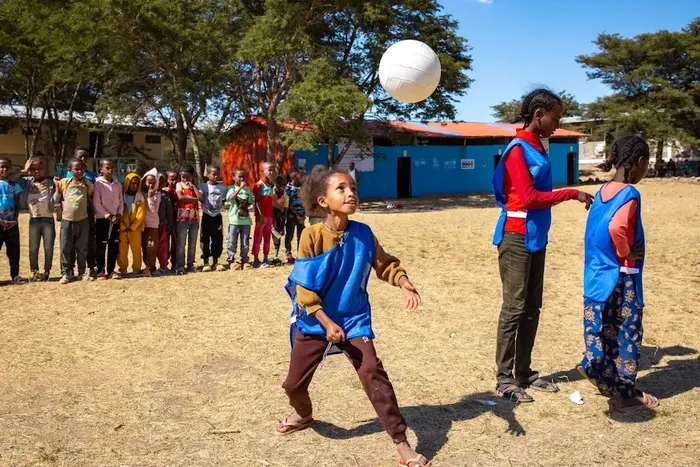
UNICEF has maintained a presence in Ethiopia since 1952, working with partners to deliver lifesaving support and protection to those in need of humanitarian assistance. Ongoing priorities include reaching severely malnourished children with treatment; providing mental health and psychosocial support; improving access to safe water and sanitation; providing essential health care; and helping out-of-school children return to learning.
While delivering these and other lifesaving and life-sustaining interventions, UNICEF is also addressing underlying risks to vulnerable populations — displaced families, returnees, refugees, host communities, children with disabilities — while strengthening local capacities for preparedness and and anticipatory action.
Restoring social systems and infrastructure is top of mind amid major population shifts, including those displaced by the Tigray conflict returning home to rebuild their lives.
In October 2025 UNICEF Ethiopia launched a multi-sectoral support plan to assist government efforts to facilitate the voluntary, safe, dignified and sustainable return of hundreds of thousands of women and children returning to their areas of origin in Western Tigray. The plan focuses on addressing immediate needs while also laying the groundwork for recovery, peace building and durable solutions.
To help reduce poverty, UNICEF supports government-funded social assistance programs aimed at households facing financial hardship with technical expertise.
Learn more: UNICEF and the shifting humanitarian landscape
The Tigray conflict's legacy: severe deprivation and war crimes against women and girls
Many atrocities were committed against civilians during the height of the 2020-2022 Tigray conflict, including rape and sexual violence, with perpetrators on all sides targeting women and girls. With humanitarian access to the region severely restricted for an extended period, 6 million people were denied access to basic services. Starvation was used as a method of warfare.
Sporadic fighting and political instability continue, and children and women throughout Ethiopia remain at high risk for protection concerns and other harms. Violent clashes continue to be reported, along with multiple disease outbreaks and large-scale population displacements.
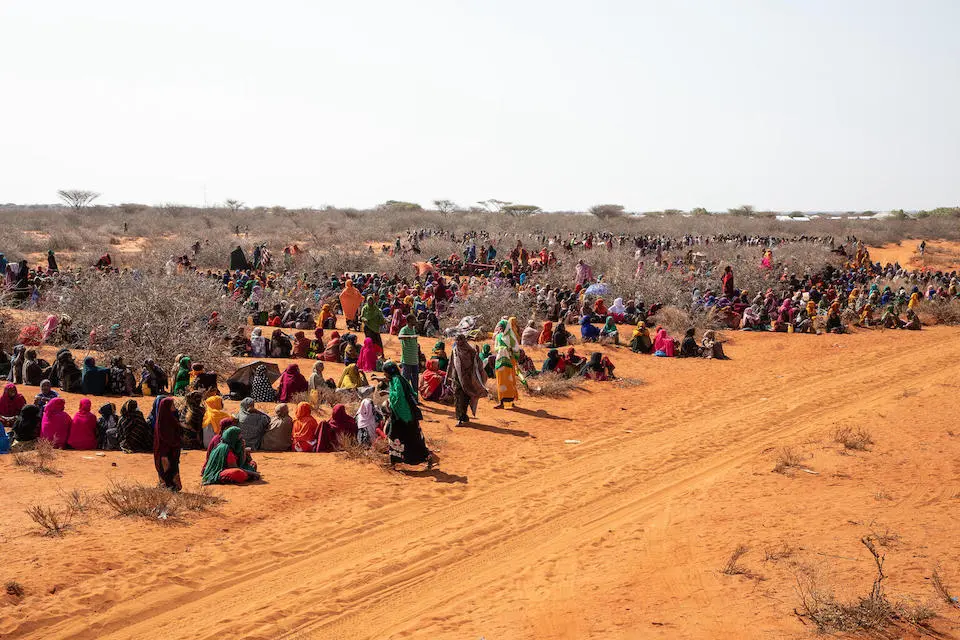
There are ongoing climate shocks and stressors, with new refugees coming in; Ethiopia is already home to more than 1 million refugees, more than half of them children, from neighboring countries Sudan, South Sudan, Somalia and Eritrea.
Strengthening child protection in Ethiopia
UNICEF works closely with Ethiopia's regional governments, providing financial and technical support to strengthen protections for children — including gender-based violence risk mitigation, prevention and response — while raising awareness of the perils of child marriage and child labor and the importance of keeping kids in school.
UNICEF also works to help children who have experienced violence access health, social and other support services. In areas where there are landmines and other explosive remnants of war, UNICEF supports programs that raise awareness of the dangers and teaches kids how to stay safe.
Other child protection programs support family tracing, reunification and alternative care for unaccompanied and separated children. UNICEF also supports the release and reintegration of children associated with armed forces and armed groups.
Supporting children's health in Ethiopia
Alongside partners, UNICEF works to address gaps in services and other threats to children's health and well-being, by:
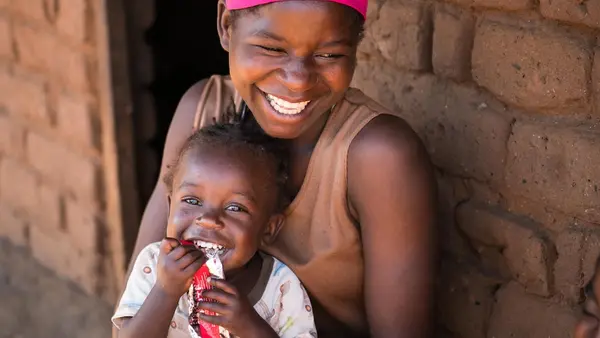
- improving child nutrition, by providing vitamin A supplements and counseling to caregivers on best feeding practices, while also providing screening and treatment for malnourished children; UNICEF remains the world's largest single procurer ready-to-use therapeutic food (RUTF), a nutritious peanut paste and highly effective treatment for child wasting
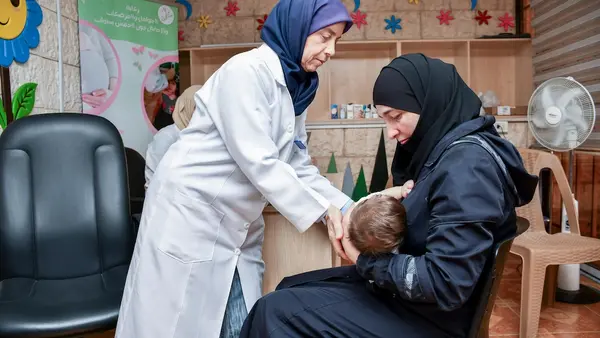
- improving access to primary health care services, including measles vaccinations and treatment for children suffering from cholera and acute watery diarrhea
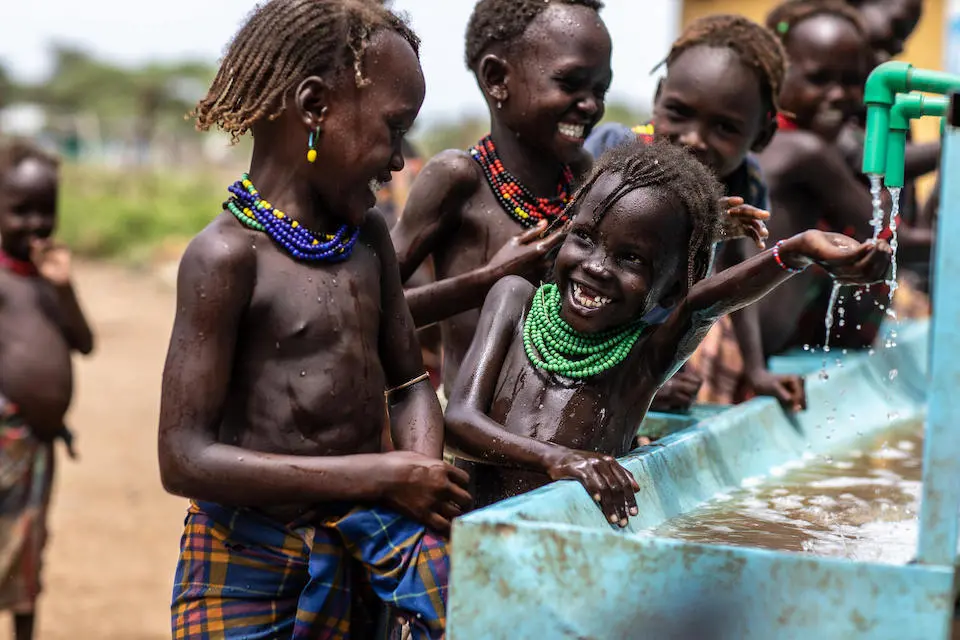
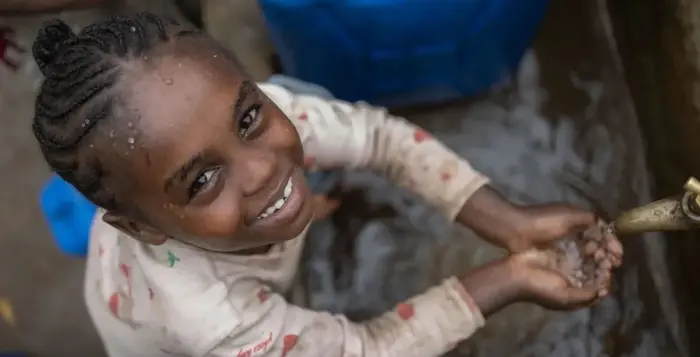
- improving access to safe water: water scarcity related to drought or over-stressed systems is a public health hazard, often forcing populations to rely on contaminated and otherwise unsafe water sources; UNICEF works with partners to create safe water access points and upgrade water systems to run on solar power
Helping kids get back to learning
Supporting every child's right to education is another major focus for UNICEF in Ethiopia.
Millions of school-age children in Ethiopia are out of school, their educations disrupted due to conflict, displacement and climate-related emergencies. Many children miss out because their families rely on them to fetch water — a task that often requires traveling long distances on foot — or look after younger siblings children or livestock while the adults try to find water for their families and cattle.
Out-of-school children are at higher risk of being forced into child labor or into an early marriage and other forms of exploitation such as human trafficking. They face an increased risk of gender-based violence and exploitation, with lasting physical and psychological effects.
Getting kids back to learning goes hand in hand with child protection. UNICEF provides education support in both formal and informal settings, setting up temporary classrooms at displacement camps, rehabilitating and reopening schools, providing learning materials and training teachers, among other measures.
There are accelerated learning programs to help older children to catch up on school they've missed, and accelerated school readiness programs to help younger children transition to the classroom.
Learn more about education programs in Ethiopia
Learn more about what UNICEF does to help children stay healthy, educated, protected and respected.