Darfur Crisis — Children at a Breaking Point
Highlights
- Children in Darfur are again bearing the brunt of conflict, with worsening conditions and limited global attention and support.
- Violence, mass displacement and destroyed infrastructure have left many children without food, schooling, health care or safety.
- UNICEF and partners are delivering critical aid to children alongside partners, but funding gaps, access constraints and insecurity are sharply limiting the reach of lifesaving support.
- More support is needed to help scale the emergency response.
A new UNICEF Child Alert warns that violence, hunger and displacement are once again defining childhood in one of Sudan’s most conflict-affected regions — only this time, the world is not paying enough attention. A call to action.
Updated June 12, 2026
UNICEF Child Alert raises alarm, urges action for Sudan's children
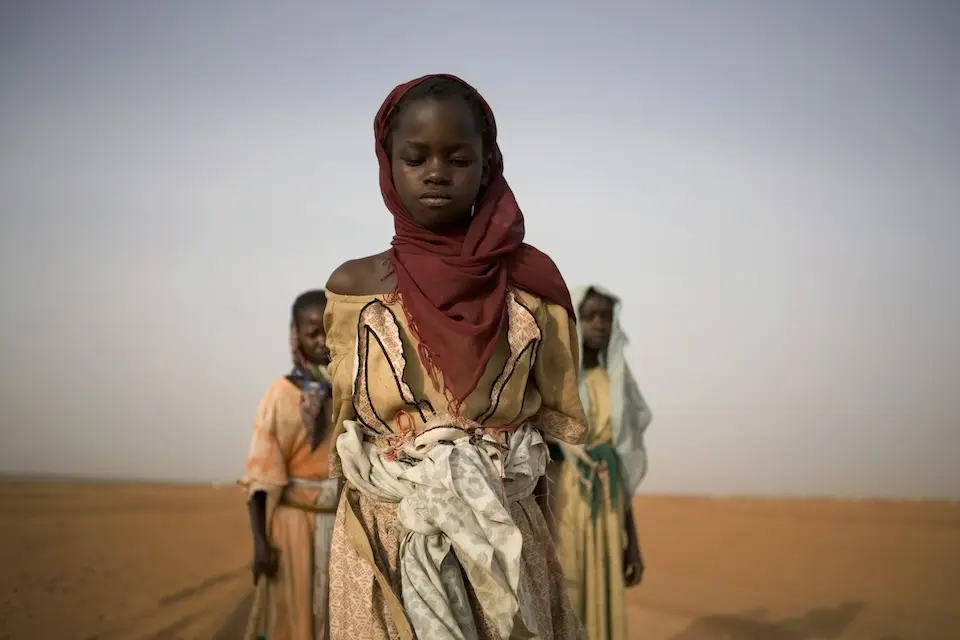
Darfur captured the world’s attention 20 years ago as violence devastated communities and displaced millions.
A UNICEF Child Alert released April 28, 2026, warns that violence, hunger and displacement are once again defining childhood in one of Sudan’s most conflict-affected regions — but with less focus, and less aid, from the international community.
In "Darfur: 20 Years On, Children Under Threat,” UNICEF draws stark parallels between situations past and present. In 2025 — as in 2005 — homes were burned, markets attacked, schools and health facilities damaged or destroyed and families forced to flee, the report notes.
The scale of needs now, however, is far greater, and far more complex. Today, funding shortfalls, access restrictions, the changing nature of warfare and limited international attention are sharply limiting the reach of urgently needed humanitarian support.
UNICEF estimates that 33.7 million people in Sudan need humanitarian assistance — more than half of them children, including over 5 million children facing extreme deprivation across the five Darfur states. Darfur is the far western region of Sudan, bordering Libya, Chad and the Central African Republic.
"Children are at a breaking point," UNICEF Sudan Representative Sheldon Yett said.
Escalating conflict, mass displacement and collapsing services are deepening the crisis for children across Darfur
Millions of children in Sudan have been uprooted since conflict reignited in Khartoum in April 2023, quickly engulfing the Darfur region and sending families fleeing within the country and across borders, particularly into eastern Chad, where already overstretched services struggle to cope.
In Al Fasher and other locations in North Darfur, prolonged conflict and sieges have left families cut off from food, safe water and health care, forcing many to take shelter in already overcrowded areas. Across Darfur, conflict has damaged or destroyed essential infrastructure, accelerating areas with famine, hunger and disease as livelihoods collapse.
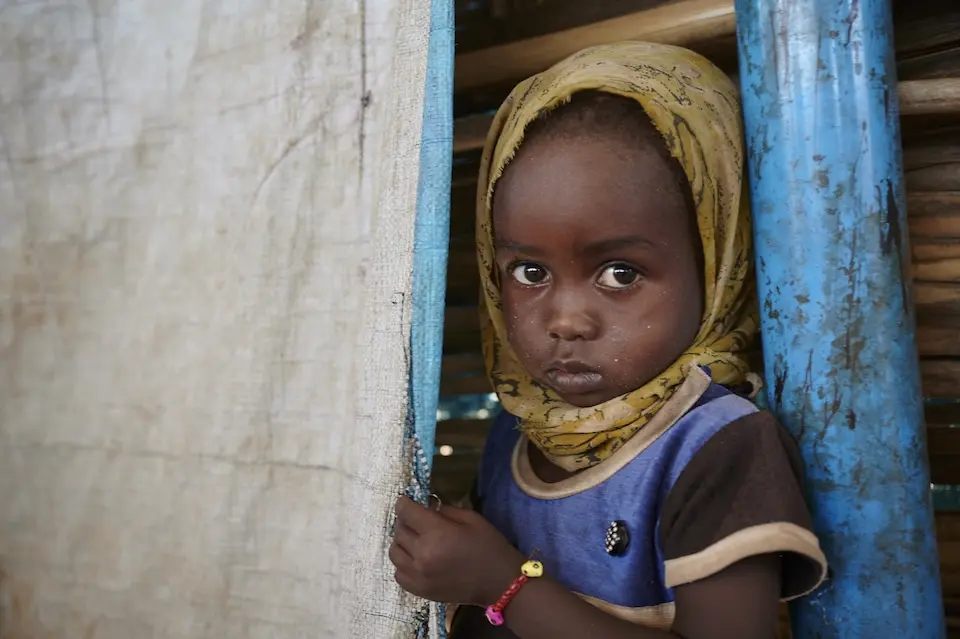
Many children have lost access to education and health care, while growing numbers face severe malnutrition, disease and violence perpetrated by armed forces or groups.
In Al Fasher alone, 1,500 grave violations against children have been verified since April 2024 — including the killing and maiming of over 1,300 children, many by explosive weapons and drones — as well as incidents of sexual violence, abductions, and recruitment and use by armed groups.
These numbers almost certainly underrepresent the true scale of abuse, with similar patterns in other parts of the country, according to the April 2026 Child Alert.
UNICEF keeps delivering for Sudan's children despite access constraints and other challenges — but it's not enough
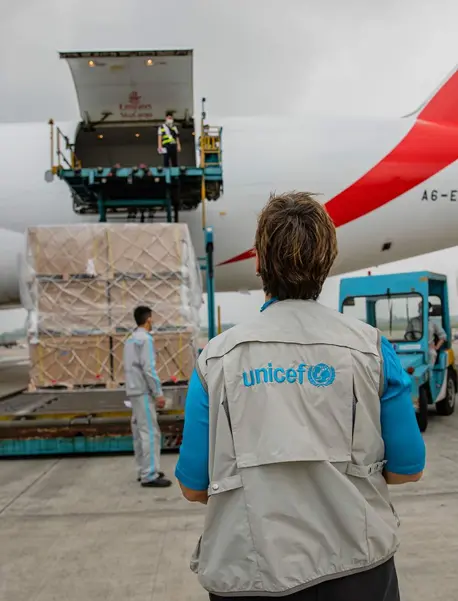
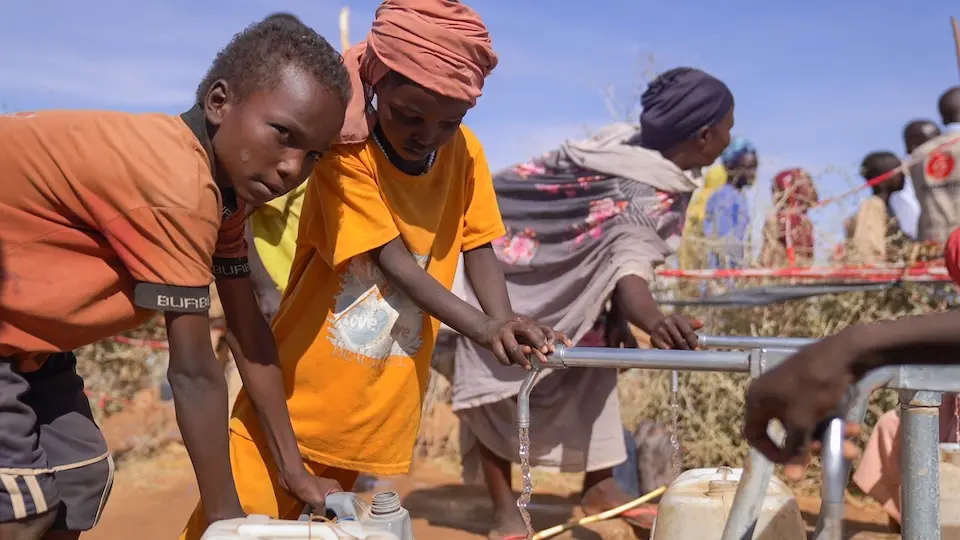
Despite access denials, insecurity and other challenges, UNICEF's more than 400 staff members remain on the ground in Sudan, delivering lifesaving assistance in conflict-affected areas alongside partners. Efforts include:
- delivering clean water and sanitation
- providing for children suffering from severe acute malnutrition
- supporting mobile health services
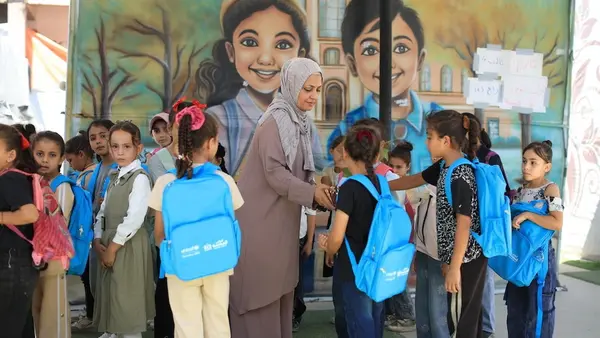
- establishing safe spaces for children where they can access education and psychosocial support
In 2025, UNICEF reached 14.7 million people with safe water, treated 612,000 children suffering from malnutrition and supported education for 3.2 million children.
And yet: these impact numbers, while significant, only cover a fraction of what's needed.
With 4.2 million cases of acute malnutrition projected in 2026 — including more than 825,000 cases of severe acute malnutrition — and at least 8 million children out of school, the approaching rainy season threatens to further isolate fragile communities.
Learn more about how, against the odds, UNICEF is reaching children with lifesaving support
UNICEF calls on all parties to the conflict to uphold international law and protect civilians, including children; ensure safe and unimpeded humanitarian access; and end and prevent grave violations against children.
UNICEF is also asking for more donor support to help fund the emergency response. UNICEF’s 2026 appeal for Sudan remains grossly underfunded.
"What is needed is not abstract," the report states. "Flexible, multi-year financing can keep nutrition, health, water, education and protection services running and prevent the collapse of already weakened systems. Fuel, vaccines and temporary learning spaces are not optional extras — they are lifelines.
"These commitments are achievable, and the difference they make is immediate: between a truck that arrives and one that turns back, a school that reopens and a child who never returns, and a childhood defined by hope or by fear."
Read the UNICEF Child Alert
Learn more about how UNICEF supports children in Sudan
HOW TO HELP
There are many ways to make a difference
War, famine, poverty, natural disasters — threats to the world's children keep coming. But UNICEF won't stop working to keep children healthy and safe.
UNICEF works in over 190 countries and territories — more places than any other children's organization. UNICEF has the world's largest humanitarian warehouse and, when disaster strikes, can get supplies almost anywhere within 72 hours. Constantly innovating, always advocating for a better world for children, UNICEF works to ensure that every child can grow up healthy, educated, protected and respected.
Would you like to help give all children the opportunity to reach their full potential? There are many ways to get involved.