1 in 4 Worldwide Still Lack Access to Safe Drinking Water
The latest data on water scarcity shows persistent inequalities, with vulnerable communities left behind. A look at what UNICEF is doing to improve access to safe, clean water for children and families in need — and how to support those efforts.
Despite progress over the last decade, billions of people around the world still lack access to essential water, sanitation and hygiene (WASH) services, putting them at risk of disease and deeper social exclusion, according to a joint report released Aug. 25, 2025 by the World Health Organization and UNICEF.
Progress on Household Drinking Water and Sanitation 2000–2024: Special Focus on Inequalities reveals major gaps in services for those living in low-income countries, fragile contexts and rural communities. Children and members of minority ethnic and indigenous groups face the greatest disparities.
Water Emergency in Gaza Endangers Children's Lives
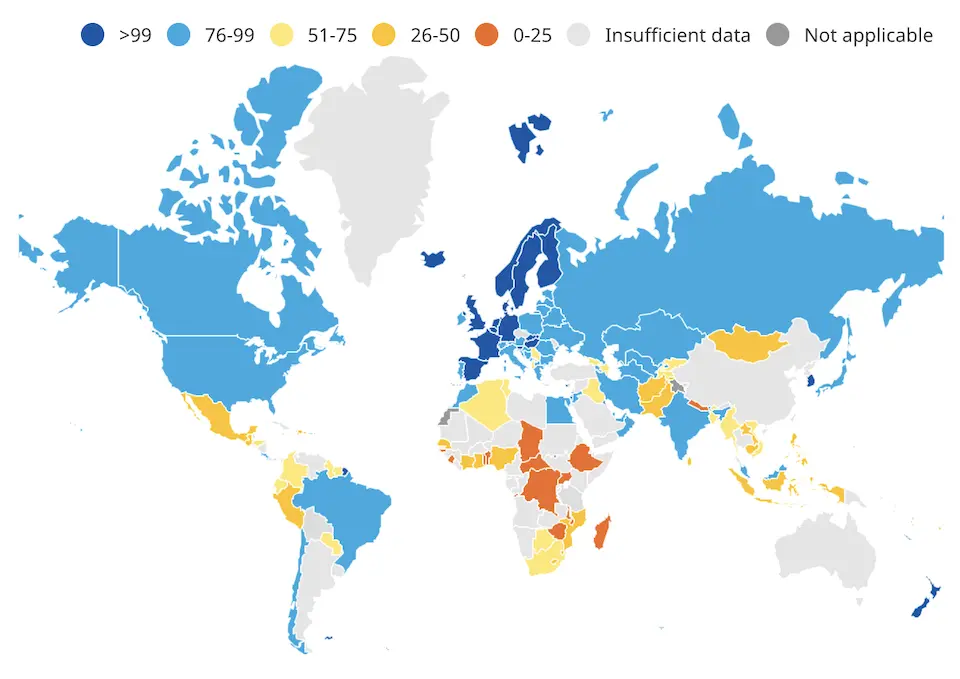
Key facts from the report:
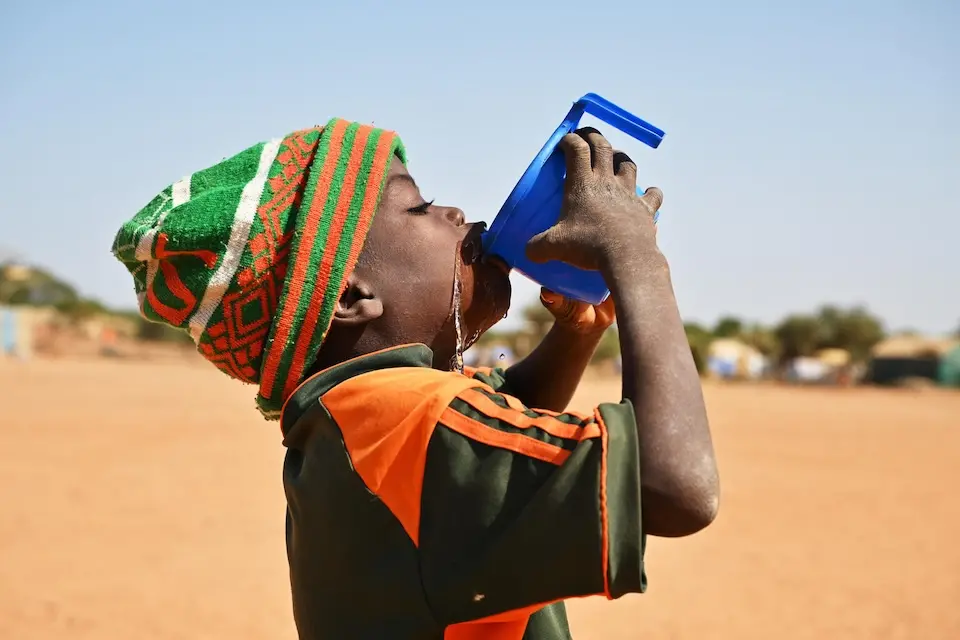
- despite gains since 2015, one-quarter of the world's population — some 2.1 billion people — still lack access to safely managed drinking water, defined as on the premises, free from contamination and available when needed; this number includes 106 million who drink directly from untreated surface water sources
- 3.4 billion people still lack safely managed sanitation, including 354 million who practice open defecation
- 1.7 billion people still lack basic hygiene services at home, including 611 million without access to any facilities
- people in the least developed countries are more than twice as likely as people in other countries to lack access to basic drinking water and sanitation services, and more than three times as likely to lack basic hygiene
- in fragile contexts — where there is exposure to economic, environmental, human, political, security and/or societal risks, and insufficient coping capacities to manage, absorb or mitigate those risks — safely managed drinking water coverage is 38 percentage points lower than in other countries
- while there have been improvements for people living in rural areas, they still lag behind; safely managed drinking water coverage rose from 50 percent to 60 percent between 2015 and 2024, and basic hygiene coverage from 52 percent to 71 percent; in contrast, drinking water and hygiene coverage in urban areas has stagnated
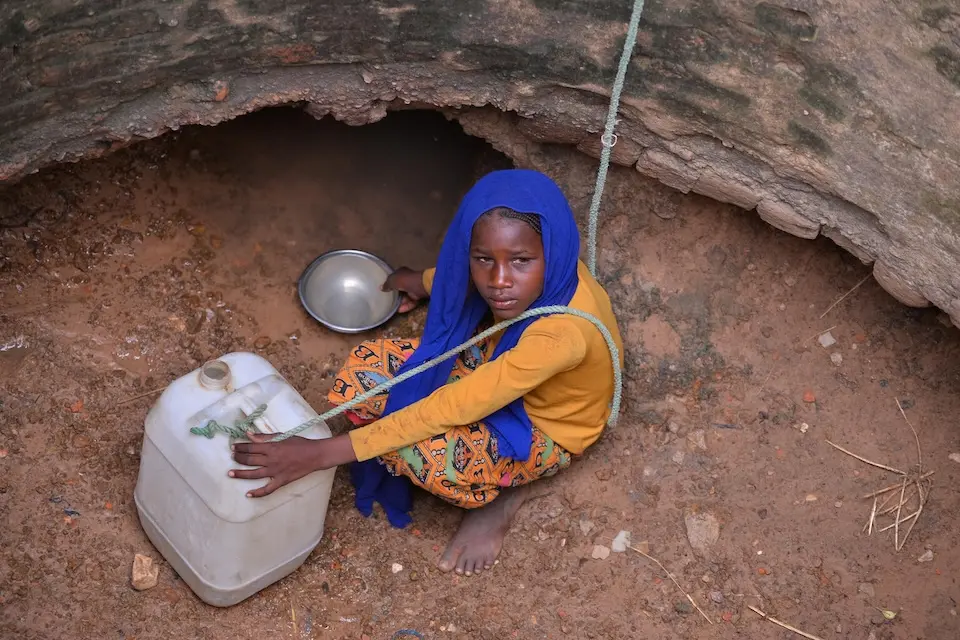
"These inequalities are especially stark for girls, who often bear the burden of water collection and face additional barriers during menstruation," noted Cecilia Scharp, UNICEF Director for WASH.
In most countries with available data, women and girls are primarily responsible for water collection, with many in sub-Saharan Africa and Central and Southern Asia spending more than 30 minutes per day collecting water, the report stated.
Data from 70 countries show that while most women and adolescent girls have menstrual materials and a private place to change, many lack sufficient materials to change as often as needed. And adolescent girls aged 15–19 are less likely than adult women to participate in school, work and social activities during menstruation, the report found.
Read or download the full report
Accelerated action needed to achieve global WASH goals
The WHO/UNICEF Joint Monitoring Program was established in 1990 and has been tracking global progress for 35 years. The report released this week is the JMP's latest assessment of progress toward specific Sustainable Development Goal (SDG) targets, and includes updated national, regional and global estimates for WASH in households for the period 2000 to 2024 based on data from 160 countries.
The SDGs include a call for universal access to safe water, sanitation, hygiene and the elimination of open defecation by 2030. The WHO/UNICEF report concluded that these goals appear increasingly out of reach; achieving the global targets will require accelerated efforts to address persistent inequalities.
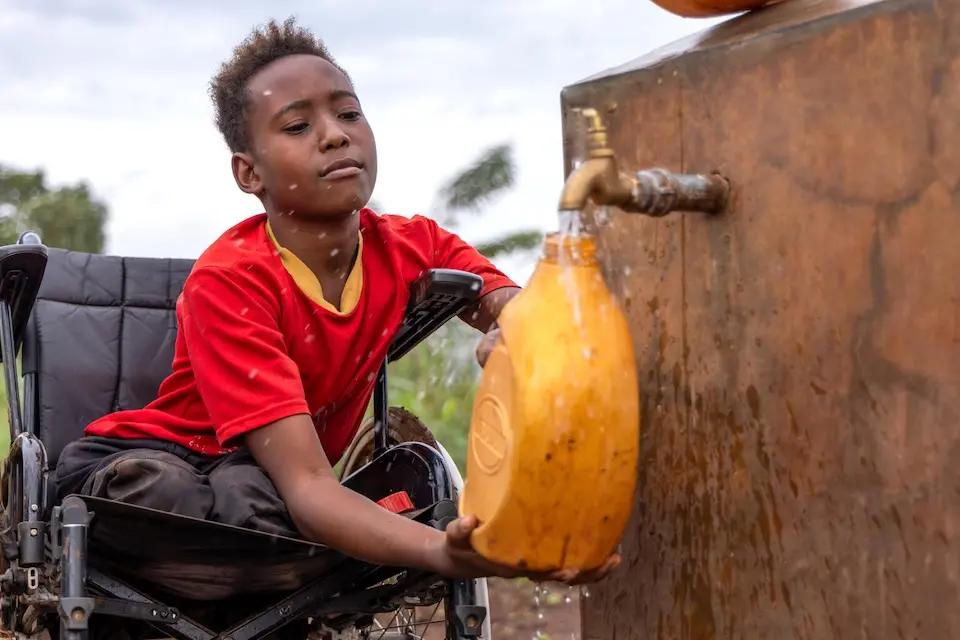
“Water, sanitation and hygiene are not privileges, they are basic human rights,” said Dr. Ruediger Krech, WHO's Director a.e. for Environment, Climate Change and Health. “We must accelerate action, especially for the most marginalized communities, if we are to keep our promise to reach the Sustainable Development Goals.”
Scharp echoed these concerns. “When children lack access to safe water, sanitation and hygiene, their health, education and futures are put at risk,” she said.
"At the current pace, the promise of safe water and sanitation for every child is slipping further from reach — reminding us that we must act faster and more boldly to reach those who need it most.”
WASH programs in 100 countries
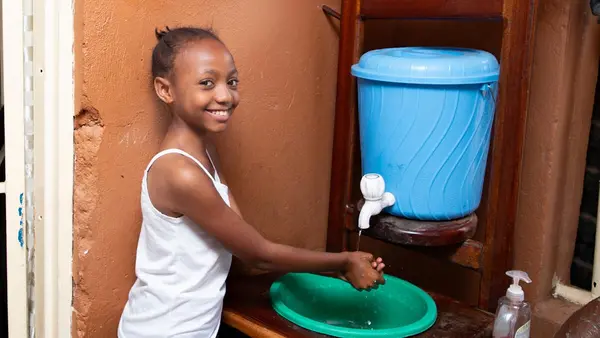
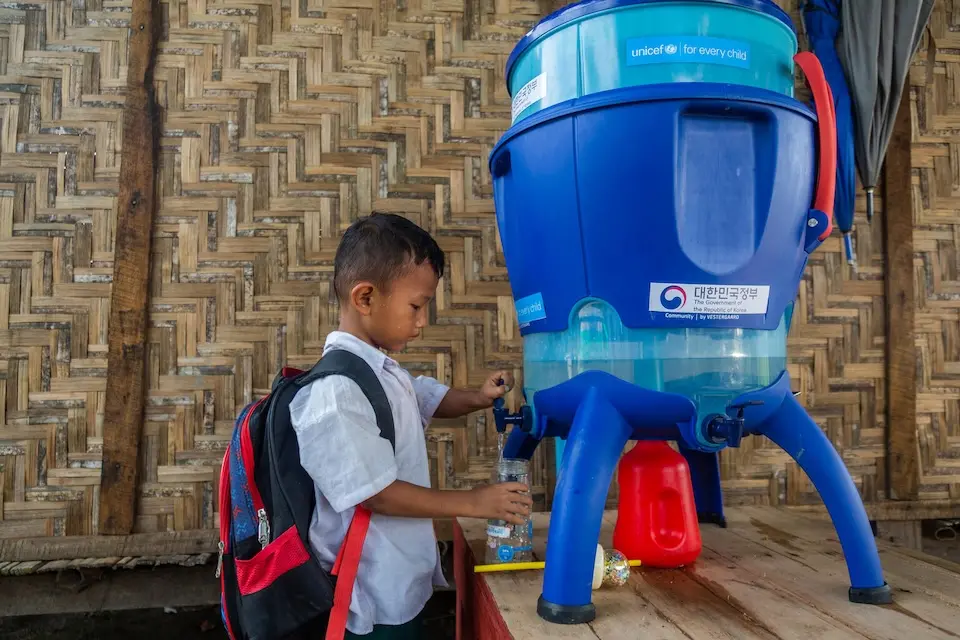
UNICEF is the largest provider of water, sanitation and hygiene services, with programs in more than 100 countries, providing over 35 million people with safe water access every year.
Through its extensive global supply network, UNICEF coordinates, procures and delivers essential WASH supplies and services for children in both humanitarian and development settings. This includes products to support girls' menstrual health and hygiene.
These and other activities are core to the organization's mission, supporting and protecting children's health and well-being.
3 ways UNICEF creates sustainable access to water for children
Though innovation and technical expertise, UNICEF and partners work together to address the global water crisis by improving water security for children and families in need. Here are three methods for doing so:
Groundwater mapping
Satellites are used to scan for groundwater sources; the technology is called remote sensing. The data generated helps make borehole drilling projects more successful, improving water access in drought-affected areas of Ethiopia, Madagascar and other countries.
Solar-powered water systems
In solar-powered water systems, the sun's rays are converted into electricity. That power operates a water pump that draws water from underground sources. When sunshine is not available, users can draw water stored in the system's tank.
These systems reduce walking and waiting times, making safe, clean water more readily accessible to schools, health care facilities and entire communities. Since 2019, UNICEF has helped install more than 8,900 solar-powered water systems in 56 countries.
Solar-Powered Water Systems a Game Changer for Girls in Rwanda
Managed aquifer recharge
With managed aquifer recharge, water from ponds and rooftops is collected, filtered and injected into a saline aquifer, where it creates a freshwater bubble that is then stored underground and protected against storm surges and contamination.
There are dozens of these systems providing safe water access to tens of thousands of people in urban and drought-prone areas of Bangladesh.
Safe Water for Every Child: Learn more about UNICEF's WASH programs
HOW TO HELP
There are many ways to make a difference
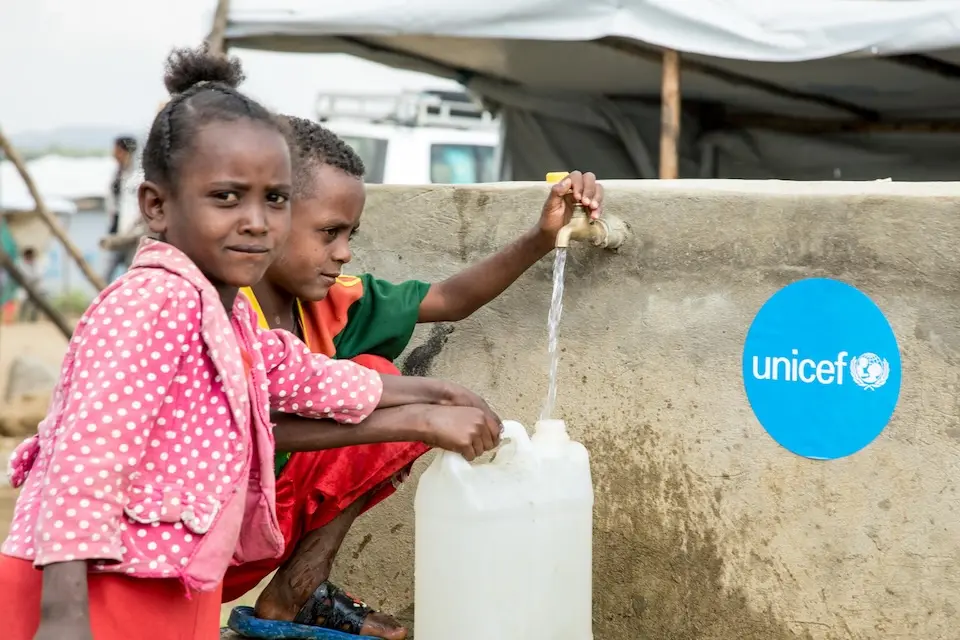
War, famine, poverty, natural disasters — threats to the world's children keep coming. But UNICEF won't stop working to keep children healthy and safe.
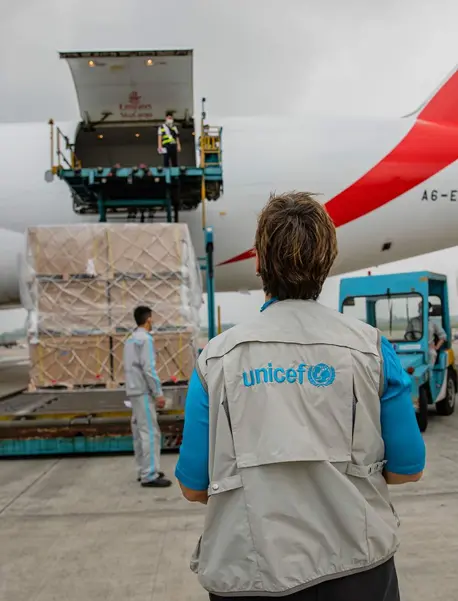
UNICEF works in over 190 countries and territories — more places than any other children's organization. UNICEF has the world's largest humanitarian warehouse and, when disaster strikes, can get supplies almost anywhere within 72 hours. Constantly innovating, always advocating for a better world for children, UNICEF works to ensure that every child can grow up healthy, educated, protected and respected.
Would you like to help give all children the opportunity to reach their full potential? There are many ways to get involved.