Protect Children from Cholera: Support UNICEF
Cholera is preventable and treatable yet the world's most vulnerable children remain susceptible to severe — and sometimes fatal — forms of the waterborne disease. Learn more about cholera, why it continues to be a threat to children, what UNICEF does to counter that threat — and how to help support those efforts.
Over 1 billion people in the world at risk of cholera — and children under 5 are especially vulnerable
Cholera doesn't recognize borders between countries or continents. Despite being an entirely preventable and easily treatable waterborne disease, children continue to suffer from it.
Cholera often spreads because of a lack of clean water and sanitation facilities. Children living in volatile and unstable communities are particularly at risk.
And cholera can be fatal if left untreated.
UNICEF and partners focus on strengthening cholera prevention and treatment by improving water and sanitation services and building local health system capacities.
In coordination with national authorities and partners, UNICEF also responds to cholera outbreaks by delivering emergency interventions across health, water, sanitation and hygiene (WASH) and through community engagement. UNICEF is also a partner in global cholera vaccination efforts.
The ultimate goal is to reduce and ultimately eliminate cholera as a public health threat.
Learn more about what UNICEF is doing to protect children's health
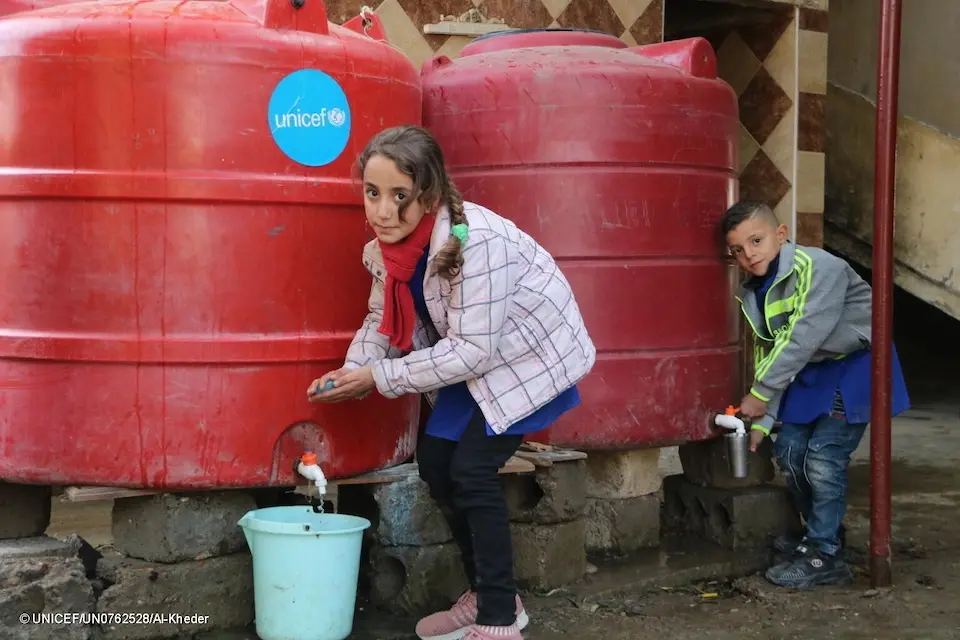
Cholera risks heightened by climate change
Many countries are experiencing more intense rainy seasons, which can trigger severe flooding that displaces families, often disrupting their access to safe water and sanitation — conditions that are favorable to cholera transmission.
When disasters strike, UNICEF both deploys emergency measures and supports longer-term solutions to help contain major outbreaks in countries and across regions and prevent future ones.
Here are the answers to some frequently asked questions about cholera.
What is cholera and how is it spread?
Cholera is an intestinal infection caused by eating food or drinking water contaminated with the bacterium Vibro cholerae. After ingesting contaminated food or water, it can take between 12 hours to 5 days before a child begins to show symptoms.
The bacteria remain in the feces for up to 10 days after infection and is shared back into the ecosystem, which could lead to other people potentially being infected.
A cholera-endemic area is where cases have been detected during the past three years, with evidence that it was caused by local transmission rather than being imported from elsewhere. A cholera outbreak, or epidemic, can occur in any country.
What are cholera symptoms?
Most children infected with cholera will have no or mild symptoms. In severe cases, cholera can cause acute watery diarrhea with severe dehydration, which can be fatal.
Infants and children with diarrhea are at greater risk of dehydration compared to adults — even more so if they are malnourished.
Is cholera life-threatening?
If left untreated, cholera can claim the life of a small child within hours. Malnourished young children with already weakened immune systems are particularly vulnerable to experiencing severe, potentially fatal symptoms. Other factors that increase risks, especially for children under age 5: poor hygiene and lack of sanitation and safe water.
Who is most at risk of cholera?
Cholera disproportionately affects the world’s poorest and most vulnerable communities. An increased likelihood of cholera transmission is linked to a lack of access to clean water and sanitation facilities. Disruptions in these essential services are common in war zones and other humanitarian crisis settings.
So children living in poor, densely-populated city neighborhoods, children living in refugee camps and camps for internally displaced people — settings where minimum requirements for safe water and sanitation are often unmet — are particularly vulnerable.
Other factors that increase risks for children: poor water management, increased poverty and conflict, all situations that make safe water scarcer.
Climate change also contributes to the spread of cholera. Access to safe water is often disrupted in communities prone to heavy rains and flooding, forcing families and their children to rely on unsafe water, increasing the risk of contracting cholera or another waterborne disease.
More than 600,000 cases of cholera or acute watery diarrhea — and nearly 7,600 deaths — were reported to the World Health Organization (WHO) from 33 countries in 2025.
How is cholera treated?
Cholera is easily treatable — when the right supplies are available. Basic treatment for cholera is with a quick administration of oral rehydration solution, which is a mixture of salt and sugar. UNICEF distributes sachets of this solution, which needs to be dissolved in clean water.
Severe cases of cholera require rapid treatment with intravenous fluids and antibiotics.
Increasing access to ready-to-use therapeutic food to treat acutely malnourished children — those most likely to die if contracting cholera — is another lifesaving measure.
How does UNICEF respond to cholera outbreaks?
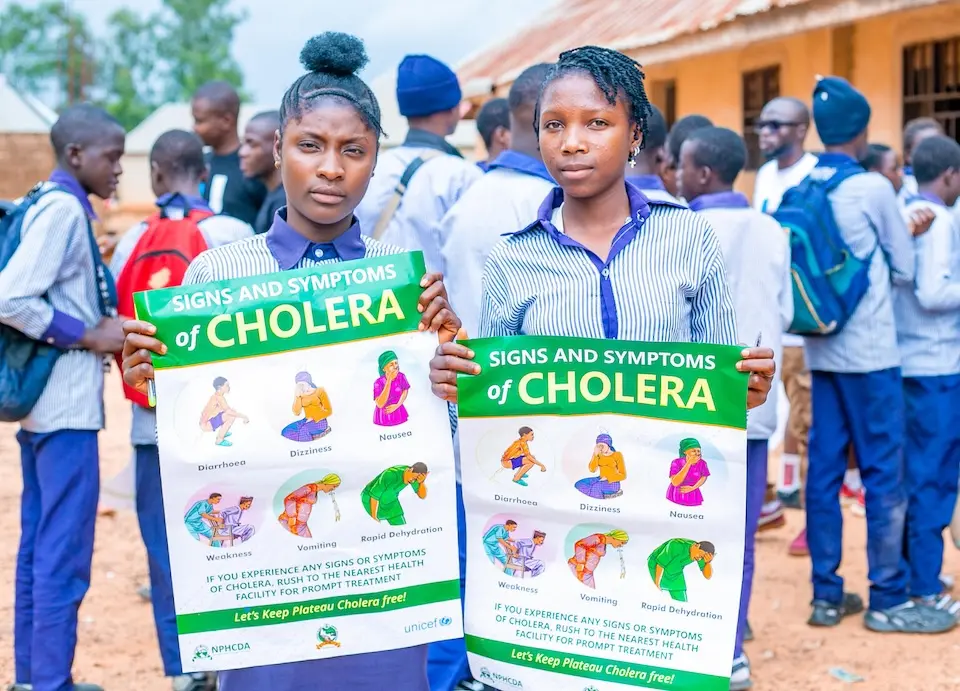
UNICEF's emergency outbreak response measures typically include distributing these medical supplies to treatment centers, while also activating community awareness drives to educate families on proper hygiene practices and how to recognize signs of cholera — and the importance of seeking timely treatment.
A 64-percent decline in young child fatalities between 2000 and 2021 coincided with the expanded use of oral rehydration solution for treating diarrhea. Giving zinc to children under 5 is also important, because so much of the vital micronutrient is lost during bouts of diarrhea.
In the summer of 2025, with cholera threatening children in 12 countries across West and Central Africa, UNICEF issued an emergency call for support to scale up a region-wide response. From the start of the outbreaks, UNICEF delivered direct assistance, provided health and WASH supplies for treatment facilities and communities, supported cholera vaccination in affected areas and encouraged families to seek timely treatment and improve their hygiene practices.
UNICEF also stepped up preparedness and response efforts, including surveillance measures across neighboring nations to prevent cross-border spread.
Learn more about UNICEF emergency response
How does UNICEF help prevent cholera?
Cholera is entirely preventable with regular handwashing with soap and maintaining separate water and sanitation facilities. UNICEF programs and interventions focused on ensuring access to safe water and meeting requirements for safe sanitation and hygiene help with preventing cholera as well as other waterborne diseases.
UNICEF also works with partners to distribute oral cholera vaccines to communities at risk. UNICEF is a member of the International Coordinating Group that manages the global stockpile of oral cholera vaccines.
An initial series of mass vaccination campaigns in cholera hotspots and crisis settings resulted in the administration of over 100 million doses of oral cholera vaccines.
Preventive vaccinations stalled in 2022 due to a global shortage amid a surge in cases, but in February 2026, Gavi, the Vaccine Alliance, UNICEF, and WHO announced campaigns would resume, starting with Mozambique, where cholera risks were high due to severe flooding and mass displacement.
The oral cholera vaccine is safe and effective and is recommended for individuals over 1 year of age. One dose of OCV provides short-term protection for at least 6 months and can help bring outbreaks under control, while two doses provide protection against infection for longer (3 years).
"Resuming preventive cholera vaccination will protect children and help stop this highly contagious disease in its tracks," UNICEF Executive Director Catherine Russell said. "But it must go hand in hand with other efforts, including better access to safe water and basic sanitation.”
Investments in safe water, sanitation and hygiene infrastructure, alongside disease surveillance, rapid treatment and community engagement all remain essential to prevent outbreaks from starting and spreading, and to reduce deaths in the long term.
What are some emergency interventions that strengthen prevention?
To further strengthen cholera prevention in emergency contexts, UNICEF will often supply safe water through water trucking, help repair or rehabilitate damaged or failing water systems, distribute hygiene supplies and provide chlorine tablets so families can treat water at home.
Community engagement also plays an important role by promoting protective hygiene measures and advocating for an end to open defecation.
Helping to ensure quick access to treatments during an outbreak — UNICEF supplies local health departments with oral rehydration salts, zinc and acute watery diarrhea kits — and maintaining effective surveillance systems, data collection and sharing are also crucial.
Other ways UNICEF takes action at the community level to enhance protection against cholera:
- training community health workers in cholera transmission, symptoms, treatment and prevention
- airing prevention information on local radio and TV stations to raise awareness
- engaging local leaders and community members to raise awareness of cholera risks, prevention and treatment
- helping to set up oral rehydration points
- promoting healthier routines
More about UNICEF's water and sanitation programs
Which countries are affected by cholera?
After years of steady decline, cholera cases started spiking again in the early 2020s as a result of a confluence of factors, including prolonged conflict, displacement, flooding and other climate shocks and weak water and sanitation systems.
Afghanistan, Ethiopia, Haiti, Nigeria, Pakistan, Somalia, Syria and many other countries continue to have outbreaks. Cholera disproportionately affects the world’s poorest and most vulnerable communities.
Cholera in Sudan
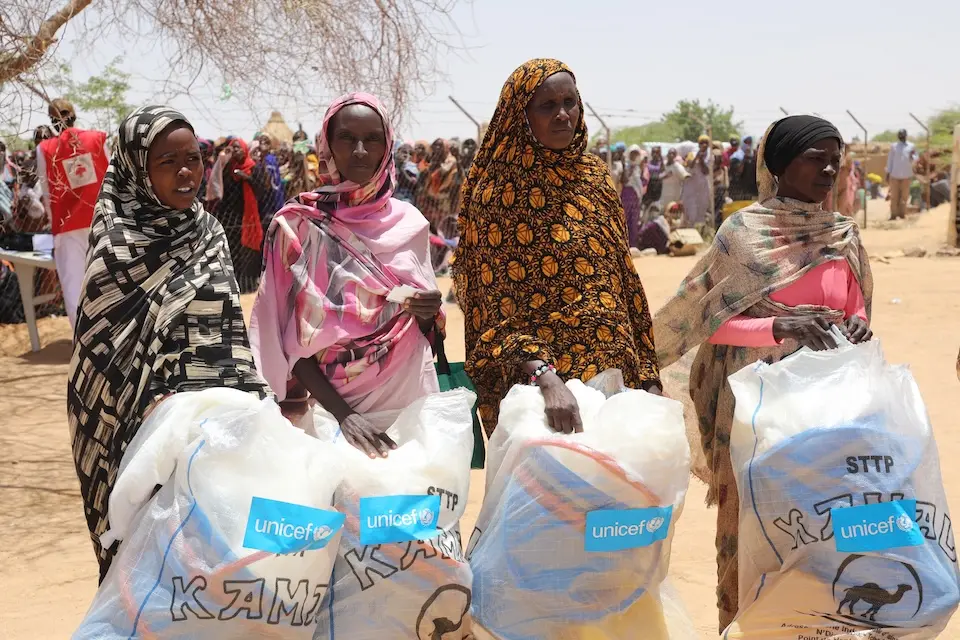
The brutal war that erupted in Sudan in 2023 has done more than displace millions of people and drive food insecurity sky high, resulting in widespread malnutrition among children; it has allowed cholera cases to surge, especially in Tawila, North Darfur State, as the town absorbed hundreds of thousands of people fleeing violent conflict in Al Fasher.
Severely limited access to health care, combined with shortages of clean water and poor sanitation, continues to heighten the risk of cholera and other deadly diseases spreading, especially in crowded displacement sites. Sudanese refugees living in overcrowded camps in Chad are also at higher risk.
As part of its ongoing emergency response to the Sudan war, UNICEF continues to work with partners to reach Sudanese children suffering from severe acute malnutrition with lifesaving treatment, while also working to improve access to health and safe water and sanitation services.
UNICEF battles deadly cholera outbreak in Sudan
Cholera in Democratic Republic of the Congo
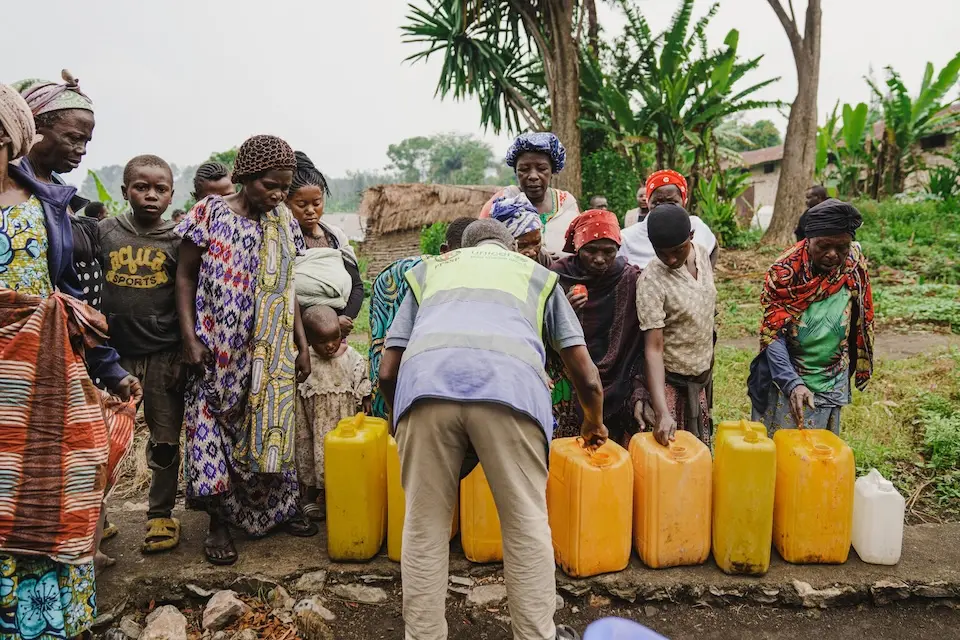
DR Congo is dealing with its worst cholera outbreak in more than half a decade, fueled by escalating violence and displacement in the eastern region.
Severe flooding in Kinshasa following intense rainfall is another contributing factor, and the rise in cholera cases is putting added strain on an already overstretched health system.
UNICEF's ongoing emergency response interventions in DRC is helping to contain cholera outbreaks while improving access to treatment for sick children.
Learn more about how UNICEF is supporting children in crisis in the DRC
UNICEF relies on donor support to fulfill its mission for children in need worldwide. You can help.