On the Front Lines of the Ebola Fight
Highlights
UNICEF’s Ebola outbreak response efforts in DRC include:
-
strengthening infection prevention and control (IPC) at hundreds of schools
-
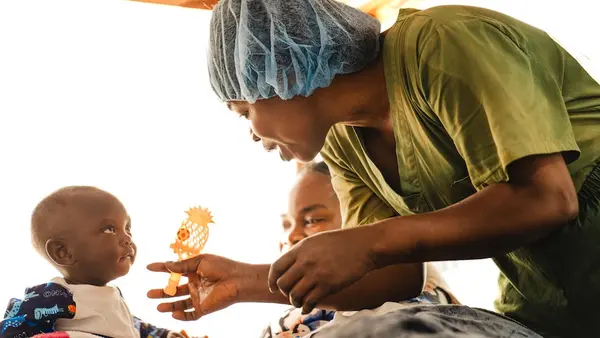
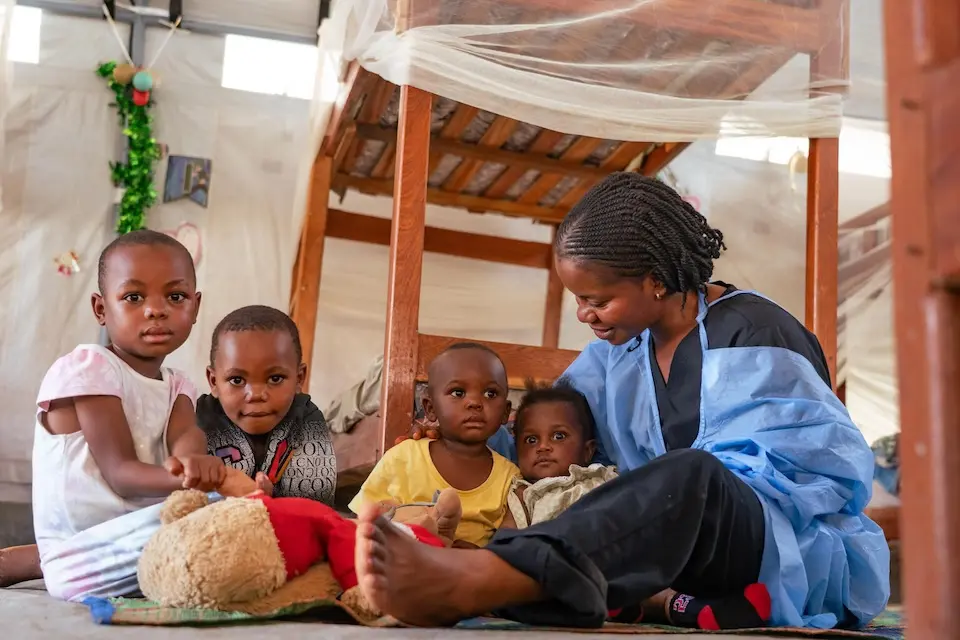
providing nursery care to children who have lost or become separated from parents and caregivers
-
building community trust in health facilities
-
improving access to safe water
-
facilitating public information campaigns
-
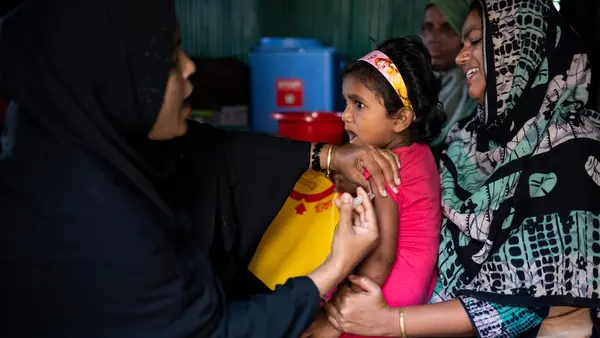
supporting vaccination to protect frontline workers
Donating to UNICEF can help strengthen these measures and reduce the risk of further spread in DRC, across Africa and beyond.
The Ebola threat in the Democratic Republic of the Congo is far from over. Learn how UNICEF is supporting and protecting children and communities in DRC's worst outbreak-affected areas while helping to stop the spread of this deadly disease in DRC and beyond.
Updated Nov. 4, 2026
7 ways UNICEF is supporting the DRC government-led Ebola outbreak response
With UNICEF's help, the Democratic Republic of the Congo continues to battle the world's second-largest Ebola outbreak since the virus was first discovered in 1976.
With 10,193 cases confirmed in DRC as of Oct. 27, 2026, and 4,960 deaths, it is the fastest-growing outbreak ever and on track to become the deadliest. Children, who make up just over one-quarter of cases but 38 percent of Ebola-related deaths, have been disproportionately affected, and young children in particular, with 7 in 10 children under age 5 with confirmed Ebola dying compared with fewer than 3 in 10 among those 18 or older.
UNICEF has been on the ground from the beginning, assisting the government-led efforts to contain the spread, treat the sick and maintain essential services, including keeping kids in school. UNICEF also continues working with partners across the region to strengthen disease surveillance, data collection and reporting and other systems that are critical for containing the spread of disease within households and in communities and countries, across the African continent and beyond.
More support is needed to help scale and sustain the outbreak response. Nine cases in Kenya and one in Nigeria — all caused by the same relatively rare Bundibugyo strain of the virus fueling DRC's outbreak, all confirmed in mid-October — highlights the real and persistent risk of cross-border spread. UNICEF has shifted its response in Kenya from preparedness to active containment. In Nigeria, UNICEF is supporting government-led efforts including community-based surveillance and containment measures.
Eastern DRC remains the outbreak's epicenter. By the end of September, UNICEF had scaled response operations in the country from 60 to 63 health zones, maintaining a presence in all 16 hotspots. Community-based surveillance was strengthened through the deployment of another 3,400-plus community mobilizers. And risk communication and community engagement activities had expanded to 55 affected health zones, involving over 11,500 frontline and community actors.
Here is a closer look at seven ways UNICEF is delivering for children, families, communities and frontline workers in the most vulnerable areas.
Related: The Race to Save Lives: UNICEF Ramps Up Ebola Reponse
1. Equipping schools to prevent the spread of infection
Every morning before leaving for school, 9-year-old Obed carefully prepares his uniform, briefcase and notebooks. For him, the start of the school year is synonymous with joy: the joy of returning to his classroom and continuing to learn.
But this school year began under exceptional circumstances. The Ebola outbreak in Ituri has become part of children’s daily lives, affecting even the most routine moments of their school day.
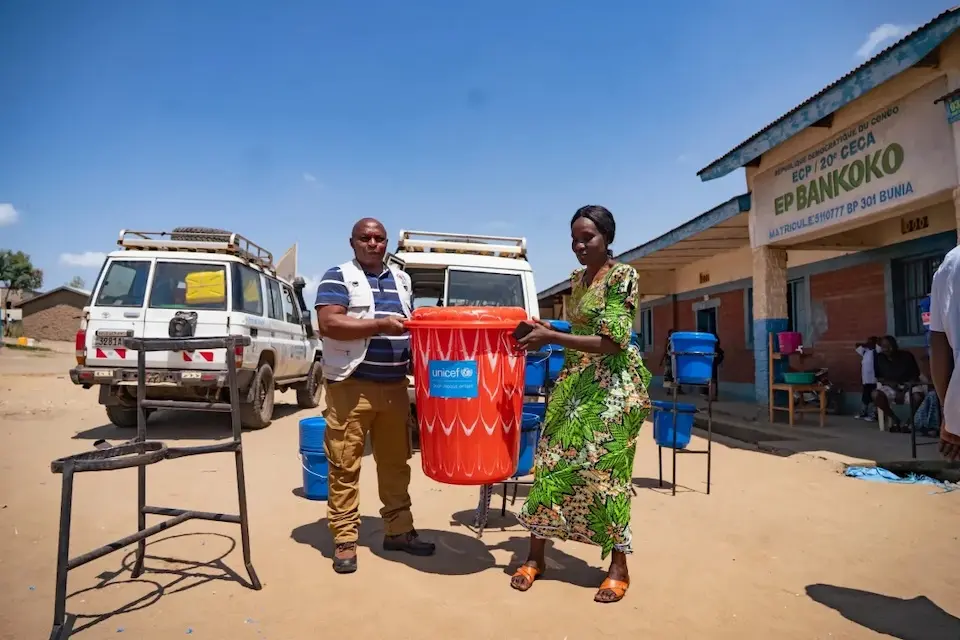
At Bakoko Primary School in Bunia, prevention measures are now part of the daily routine. Before entering their classrooms, students wash their hands and have their temperatures checked. These practices have become routine for both students and school staff.
“Handwashing stations have been installed in front of each door so that we can wash our hands with soap," Obed explains. "The teacher also checks our temperatures before we enter the classroom."
The equipment is critical for infection prevention and control (IPC). UNICEF is also providing water, sanitation and hygiene (WASH) kits to hundreds of schools.
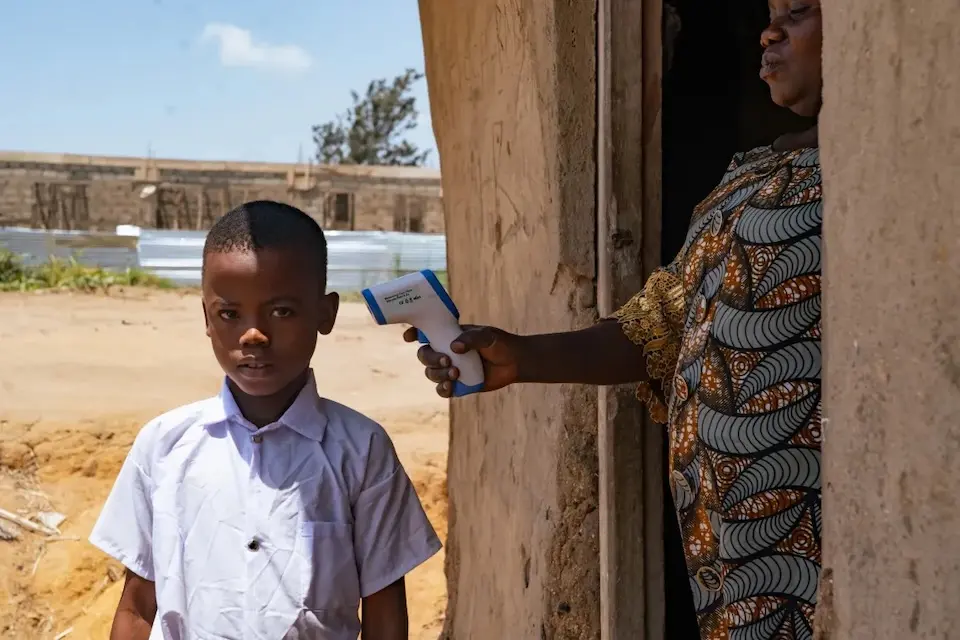
According to the Director of Bakoko Primary School Déborah Ageno, the IPC/WASH supplies and related support have helped the school resume regular student activities while reassuring families who remain concerned about Ebola risks.
The kids are also learning how to stay safe. “We were taught to recognize the signs of Ebola: vomiting, headaches, nosebleeds, diarrhea and fever," Obed says. "We were also taught not to touch someone who has died."
UNICEF has trained 150 people to support more than 19,000 teachers in Ituri with guidance on Ebola prevention. The messages are absorbed by the students, who then bring the guidance home to their families and their communities.
2. Keeping children safe and protected when parents die from the disease or while caregivers are in quarantine undergoing treatment
More than 1,900 children in eastern DRC have been orphaned or separated from their families by Ebola since the outbreak was declared in May. The true number is likely higher as the figure covers areas where UNICEF is collaborating with DRC's Provincial Division of Social Affairs.
An additional 214 children living and working on the streets in Bunia have been identified as needing protection.
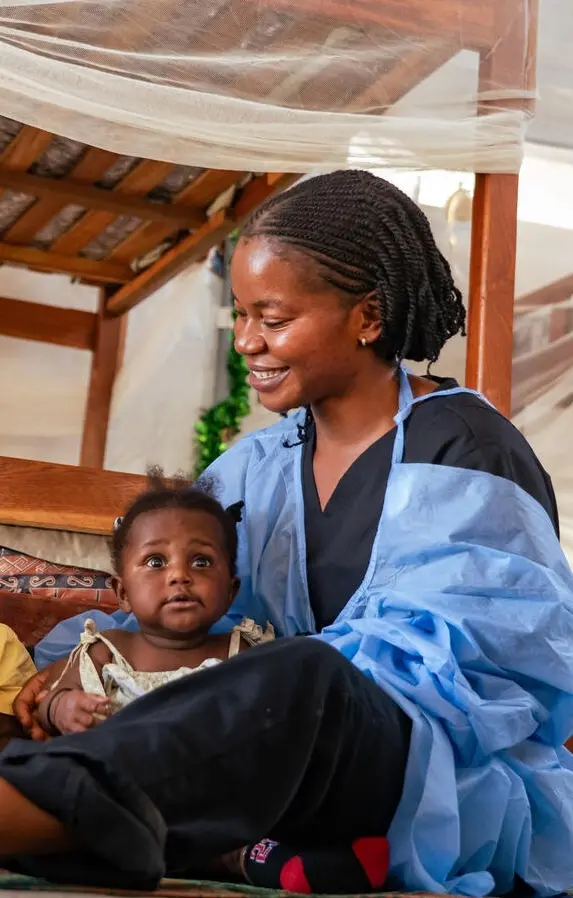
Without a caregiver, children risk infection; they are less likely to be reached by contact tracing or brought in to a facility to receive care if they fall ill. Without a caregiver, children face heightened risks of exploitation and violence. Even before the outbreak, children in eastern DRC were living through one of the world's most protracted humanitarian crises. Ongoing conflict and displacement in provinces where the Ebola virus is spreading make early detection harder.
"For children, Ebola can set off a rapid chain of harm," said UNICEF Director of Emergency Operations Lucia Elmi, following a visit to the epicenter of the outbreak in Bunia. "A parent falls ill and a child may be exposed. That parent is then hospitalized or dies, and the child is left without the person they depend on, while fear of infection and stigma leaves relatives and neighbors afraid to step in."
Meeting the needs of these children is a major focus of UNICEF's emergency outbreak response. With partners, UNICEF has helped establish, staff and equip safe spaces, many of them adjacent to treatment facilities, to provide care and protection to young children who have lost caregivers or whose caregivers are under quarantine. There are now 12 nurseries up and running in Ituri, North Kivu and South Kivu provinces.
"Treating a child for Ebola is not enough," Elmi said. "Nurseries must be a standard part of every Ebola treatment center. They protect children and they give parents the confidence to seek treatment, knowing their little ones are safe and within reach."
The nurseries also enable close monitoring of children for symptoms and rapid referral to pediatric care within a treatment center.
UNICEF continues to advocate for governments, donors and partners to work together to ensure there is a nursery at every Ebola treatment center, and that high-quality pediatric clinical care is also available. UNICEF is also calling for the deployment of more social workers and psychosocial staff to hotspot health zones.
In collaboration with local health authorities, UNICEF also provides case management services, including family tracing and reunification, arranging for alternative care for children in need and providing home-based psychosocial support. Over 100,000 people have already been reached with these support services.
More resources are needed to support the nurseries, case management, family reunification and support for foster and extended families, and to support children's return to school.
"Ebola takes the people children depend on and unravels their lives." — UNICEF DRC Chief of Communication Halimatou Amadou discusses DRC's Ebola outbreak as a major child protection crisis
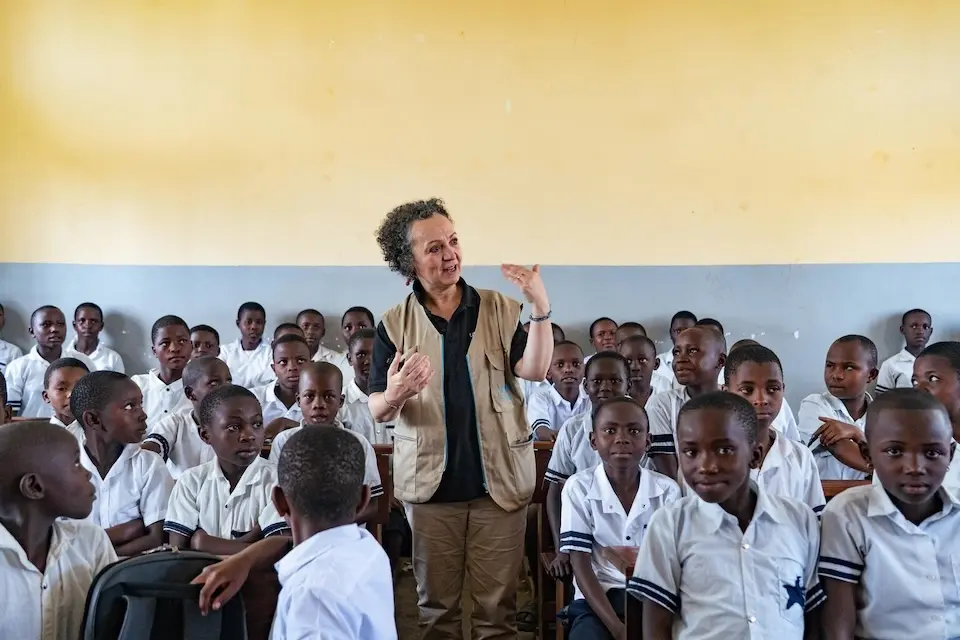
3. Building community trust in health facilities to ensure continuity of essential care, including routine child immunization
One of the ripple effects of DRC's Ebola outbreak is the impact it has had on routine health care service delivery. Fear of infection and misinformation about how people are infected by the Ebola virus has caused families to stay away from health facilities, leading to a drop in child vaccinations and important prenatal check-ups for pregnant women. The virus, which spreads through blood, bodily fluids and contaminated objects also puts health workers at risk.
In response, UNICEF is reinforcing infection prevention and control measures at health facilities and working at the community level to build trust.
"Until now, many health-care workers were afraid because they did not have adequate personal protective equipment," says Losha Dhedda, Head Nurse at Bigo Hospital in Bunia, Ituri Province. "Now that we have received this equipment, they can provide care with greater confidence and treat patients without fear."
Watch the video:
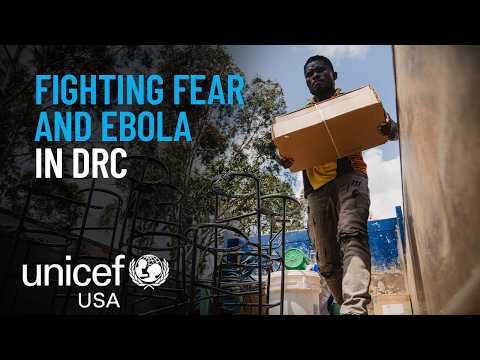
4. Providing supplies, from liquid soap to motorcycles
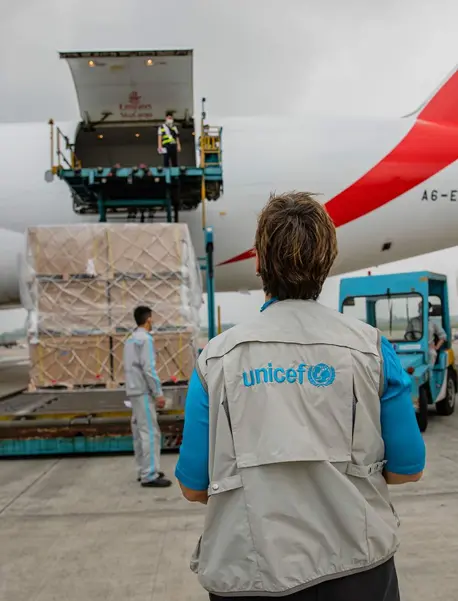
Providing supplies is fundamental to every UNICEF emergency response. Since the start of this Ebola outbreak, UNICEF has delivered 455 metric tons of supplies to support the Ebola response across affected and at-risk countries, including 314 metric tons for DRC. Another 219 metric tons of UNICEF supplies are in the pipeline for all countries, including 110 metric tons for DRC.
In the month of September alone, UNICEF reached close to 48,000 people in outbreak-affected areas with WASH and shelter kits, and close to 159,000 children received school or IPC/WASH kits. IPC/WASH kits also went to 10 Ebola treatment centers and over 140 health facilities.
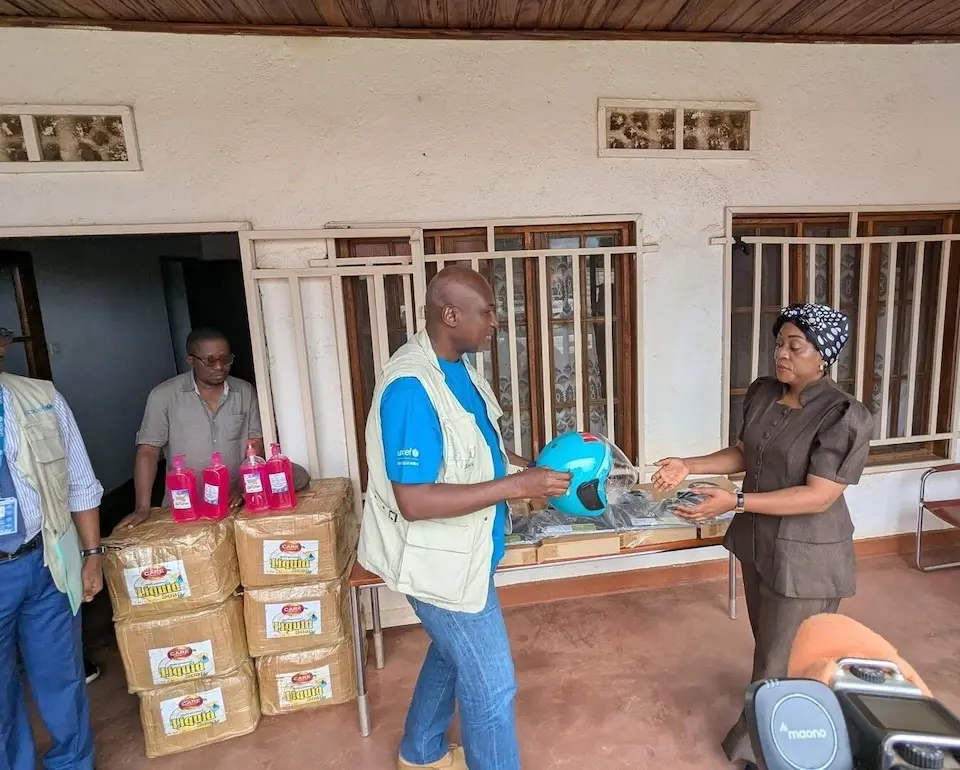
Other gear being provided is used to strengthen epidemiological surveillance, data collection and reporting, improve the mobility of field teams and enable early case detection and rapid alerts — all critical for interrupting disease transmission in communities and protecting families.
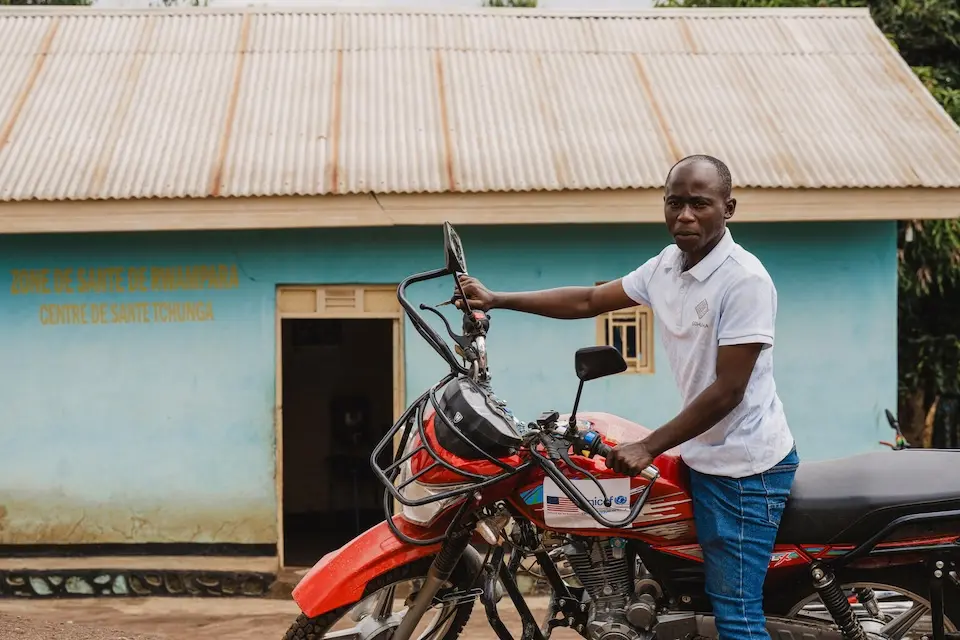
UNICEF has provided DRC with more than 100 motorcycles to date, helping frontline workers like Pelo Gloire Esaie, a nurse-in-charge in the Tchunga health area of Ituri, go village to village to check alerts and conduct investigations.
5. Improving access to safe water
Consistent, reliable access to a sufficient supply of safe water is essential to protecting good health even in the best of times. During an outbreak of a fatal infectious disease such as Ebola, it is lifesaving.
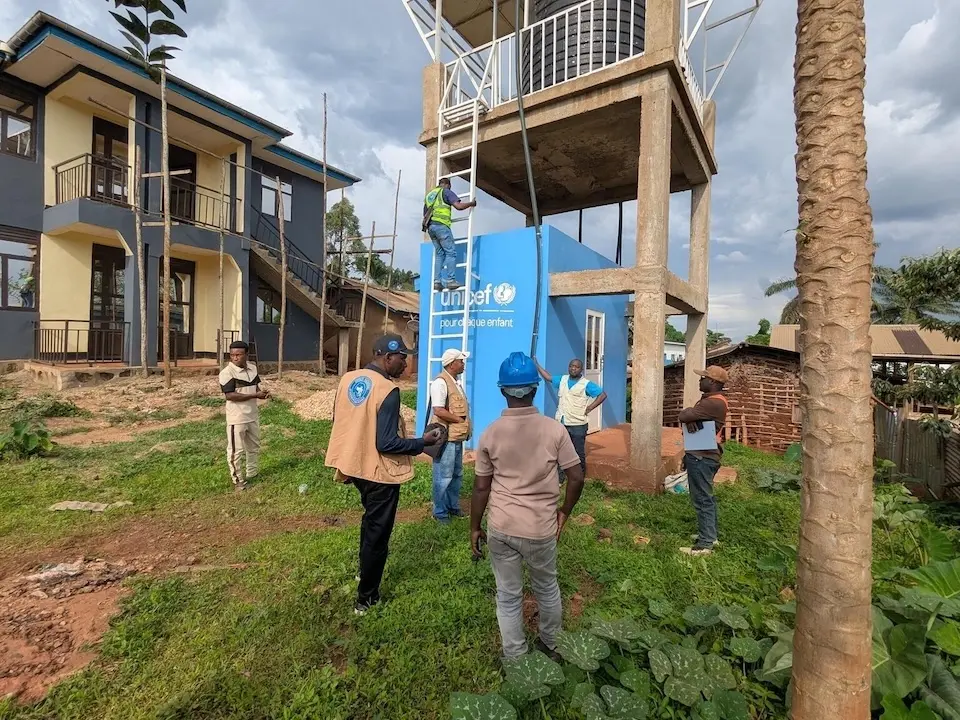
UNICEF is helping to install new safe water access points to serve hospitals and surrounding communities in outbreak-affected areas.
One recent project involved opening a new borehole at Mabalako General Referral Hospital in Mabalako, in the Beni territory of DRC's North Kivu province. The project was initially funded as part of a climate resilience initiative for children and their families.
For area residents, the borehole is a huge relief. "Before, we used to fight over access to unclean water from the small canals," said Masika Charline Musayi, a resident of Mabalako, whose family now has a steady supply of safe water for drinking, cooking and laundry. "Thank you to UNICEF for bringing us clean water in our neighborhood."
Learn more about safe water projects as part of UNICEF's mission
6. Facilitating public information campaigns
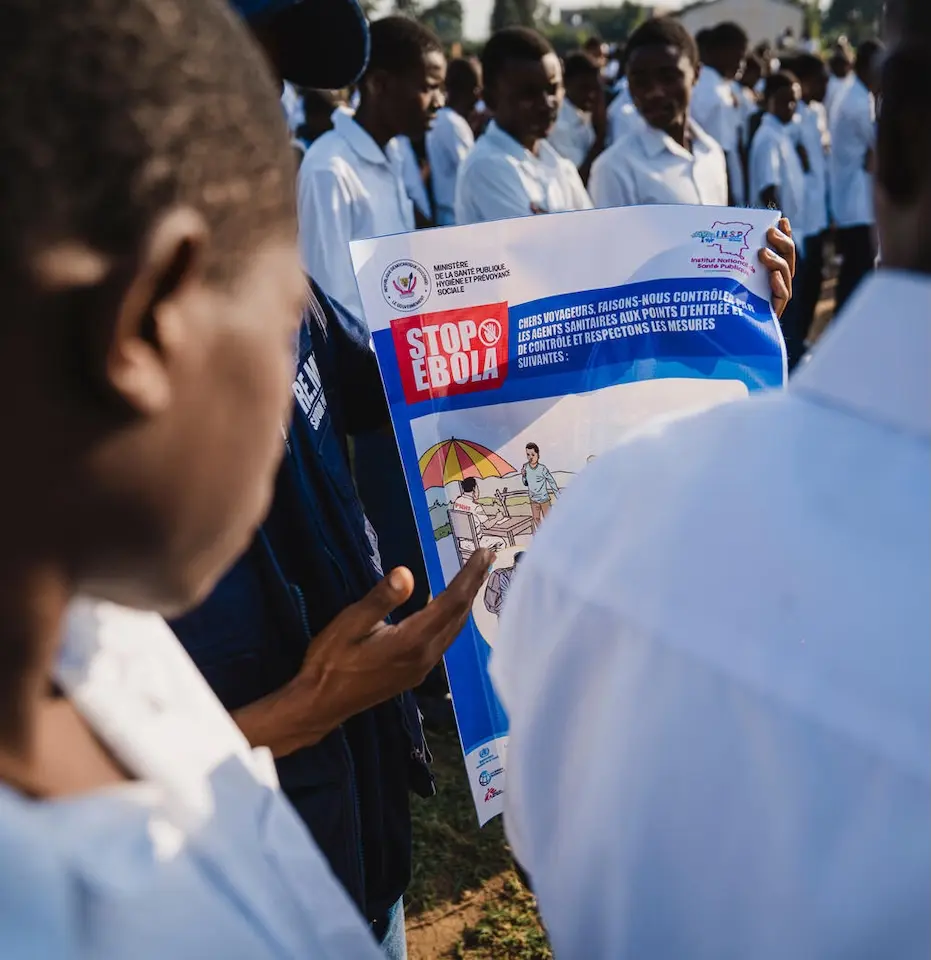
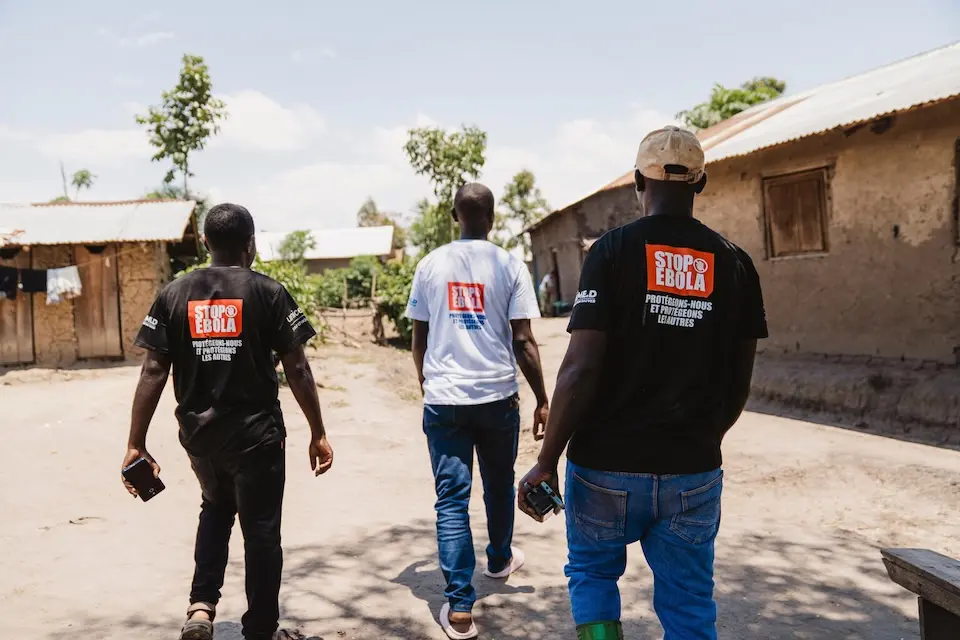
With the support of UNICEF and its partners, community outreach workers help disseminate essential information throughout villages and strengthen community engagement in the prevention of and response to the Ebola outbreak.
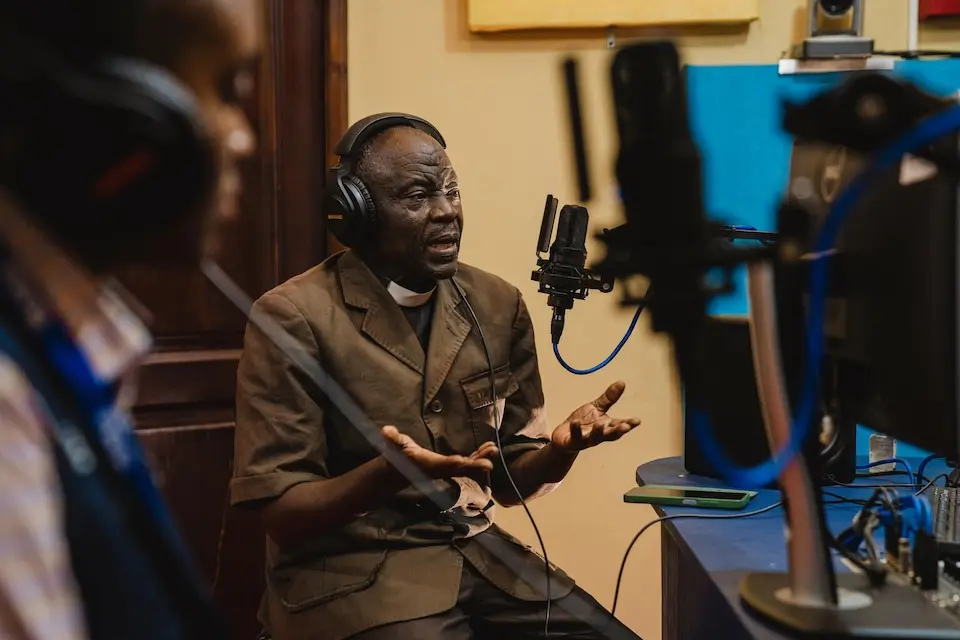
In collaboration with local media networks, UNICEF is also supporting radio broadcasts where survivors of the disease address rumors and share information. In September, these efforts extended from 108 to 114 radio stations.
Yanga Reckem, a pastor, shared his experiences as an Ebola survivor, appearing on a local radio program in Bunia called "Savoir pour Sauver" in July. "Ebola virus disease exists," Reckem said. "I was a victim of it and I am now a living witness."
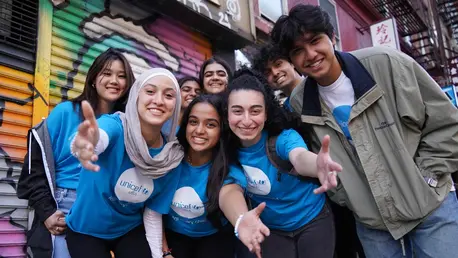
U-Reporters — members of a global community who leverage UNICEF's innovative U-Report mobile platform to organize, collect and disseminate information and take local action — are also playing an important role, helping to raise Ebola awareness by visiting schools and sharing information about best practices for stopping the spread of disease.
Guidance also includes how to recognize the signs of infection and the importance of seeking timely medical care should symptoms appear.
7. Supporting vaccination to protect frontline workers
UNICEF supported the deployment of close to 70,000 doses of the ERVEBO Ebola vaccine, manufactured by Merck, for compassionate use to protect health and other frontline workers in DRC during the ongoing outbreak emergency.
UNICEF is also helping health facilities with stock management and strengthening the cold chain to ensure safe vaccine transport and storage.
There is no approved vaccine for the Bundibugyo Ebola strain, but ERVEBO has been shown to be safe and effective against other types of Ebola virus disease.
Learn more: Frequently asked questions about Ebola
Timely, flexible funding is urgently required to sustain outbreak control, protect children and maintain essential health including mental health and psychosocial support, nutrition, education, WASH and protection services in communities already affected by conflict, displacement and high risks of other diseases like cholera.
UNICEF estimates it requires $150.8 million to fund the Ebola response — $113.4 million for DRC alone. Just over $40 million has been mobilized to date. Closing this gap is critical to strengthening the response in DRC and reducing the risk of further spread while ensuring preparedness and readiness in 11 neighboring countries.
Read UNICEF's DRC humanitarian situation report for September, released Oct. 24, 2026
Portions of this article were adapted from content originally published by UNICEF DRC
The story doesn't end here. Help change what happens next.
HOW TO HELP
There are many ways to make a difference
War, famine, poverty, natural disasters — threats to the world's children keep coming. But UNICEF won't stop working to keep children healthy and safe.
UNICEF works in over 190 countries and territories — more places than any other children's organization. UNICEF has the world's largest humanitarian warehouse and, when disaster strikes, can get supplies almost anywhere within 72 hours. Constantly innovating, always advocating for a better world for children, UNICEF works to ensure that every child can grow up healthy, educated, protected and respected.
Would you like to help give all children the opportunity to reach their full potential? There are many ways to get involved.