What Is a Cold Chain?
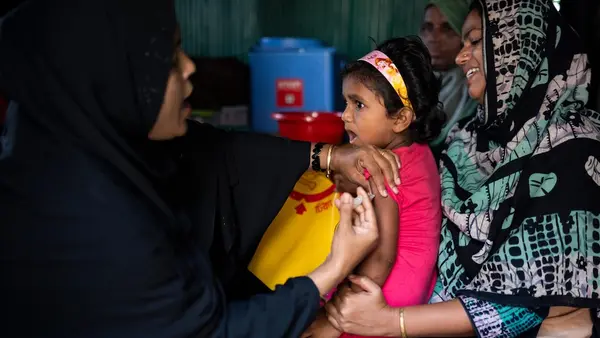
A high-quality cold chain allows health workers to deliver lifesaving vaccines to children around the world.
A cold chain keeps vaccines at the optimal temperature from point of manufacture to the moment of vaccination
Each year, UNICEF delivers nearly 3 billion vaccine doses, enough to immunize almost half of the world’s children.
Delivering vaccines to all corners of the world is a complex undertaking. It takes a chain of precisely coordinated events in temperature-controlled environments to store, manage and transport these lifesaving products. This is called a cold chain.
Vaccines must be continuously stored in a limited temperature range — from the time they are manufactured until the moment of vaccination. When temperatures are too high or too low, a vaccine can lose its potency, robbing it of the ability to protect against disease. Once lost, a vaccine's potency cannot be regained or restored.
Learn more about how vaccines save lives
How do vaccines move along the cold chain?
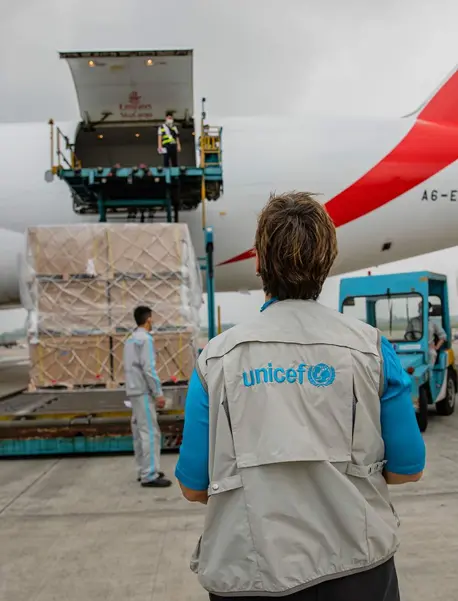
UNICEF mainly uses air transport to deliver vaccines quickly, with a few shipments traveling by road. All vaccines are shipped as refrigerated cargo directly from the manufacturer to the country, where they will be used.
To make vaccine deliveries more sustainable and cost-effective, UNICEF is also exploring sea shipping, which could reduce greenhouse gas emission by up to 90 percent and freight costs by 50 percent per shipment compared to air transport. In July 2025, UNICEF successfully completed its first-ever shipment of vaccines by sea, delivering 500,000 doses of pneumococcal 13-valent conjugate vaccines by refrigerated container ship from Belgium to Abidjan, Côte d'Ivoire, paving the way for expanded use of sea transport in future vaccine deliveries.
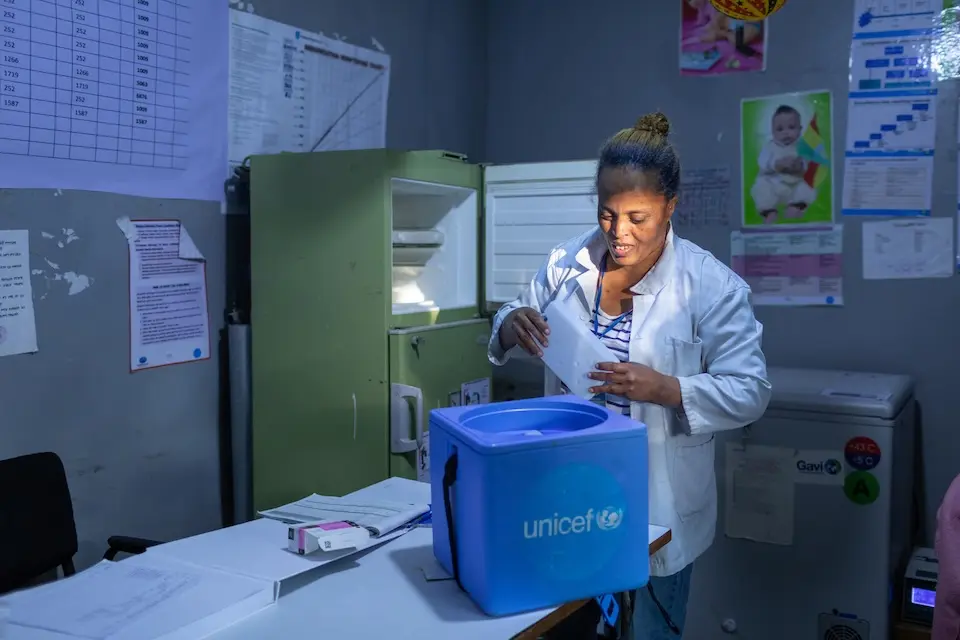
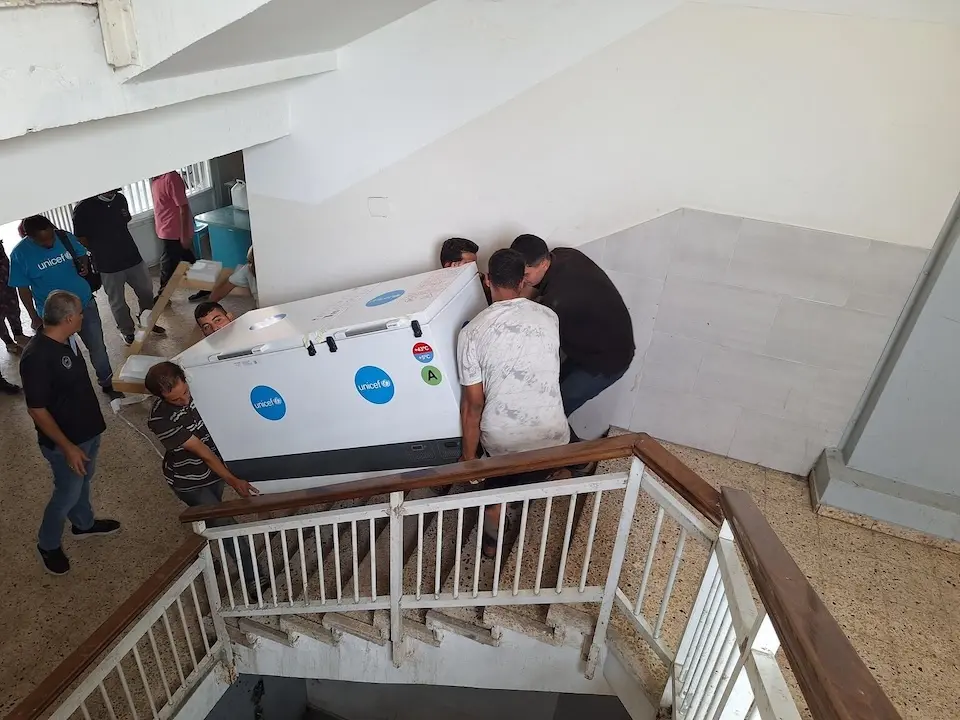
Once the vaccines arrive in the destination country, they are stored in cold rooms before being distributed to regional and sub-regional cold storage facilities by refrigerated vehicles.
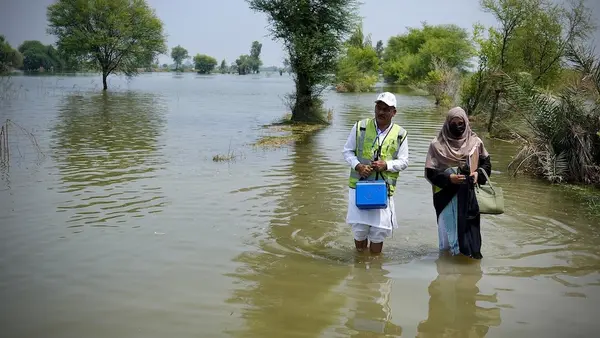
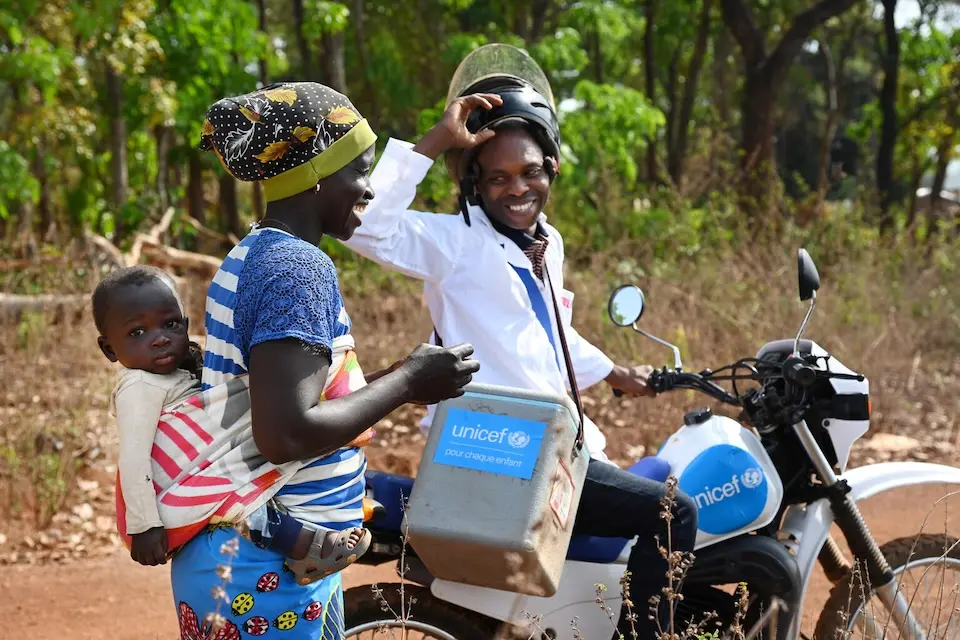
From storage facilities down to the village level, health workers carry vaccines in cold boxes and vaccine carriers, traveling by car, motorcycle, bicycle, donkey, camel or on foot to immunize every last child, even in the most remote of villages.
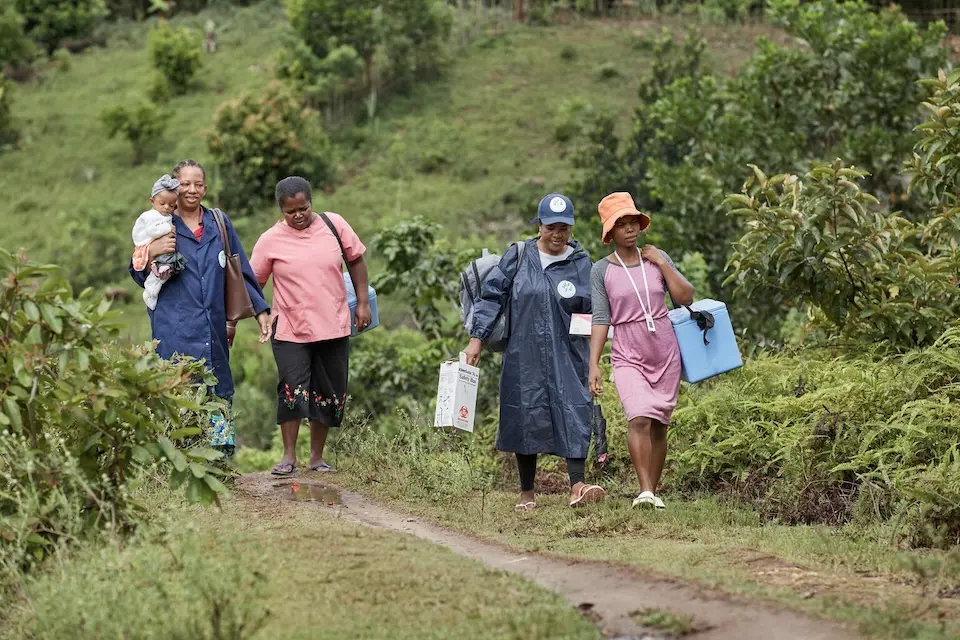
Keeping vaccines safe and effective
Storage and transport equipment such as cold rooms, refrigerators, freezers, cold boxes and vaccine carriers must comply with performance standards defined by the World Health Organization (WHO). Stock management procedures must also follow WHO guidelines specific to each type of vaccine.
UNICEF procures cold chain equipment and services, and works closely with partners and governments to ensure that the cold chain is unbroken and that systems continue to work efficiently in every country, keeping vaccines for children safe and effective.
Right now, the lives of the most vulnerable children hang in the balance as conflicts and crises jeopardize the care and protection that they deserve. Dependable, uninterrupted and effective foreign aid is critical to the well-being of millions of children. Please contact your members of Congress and urge them to support ongoing U.S. investments in foreign assistance.
This story was adapted from unicef.org
HOW TO HELP
There are many ways to make a difference
War, famine, poverty, natural disasters — threats to the world's children keep coming. But UNICEF won't stop working to keep children healthy and safe.
UNICEF works in over 190 countries and territories — more places than any other children's organization. UNICEF has the world's largest humanitarian warehouse and, when disaster strikes, can get supplies almost anywhere within 72 hours. Constantly innovating, always advocating for a better world for children, UNICEF works to ensure that every child can grow up healthy, educated, protected and respected.
Would you like to help give all children the opportunity to reach their full potential? There are many ways to get involved.