The Race to Save Lives: UNICEF Ramps Up Ebola Response
UNICEF is rapidly scaling up lifesaving support in the Democratic Republic of the Congo and neighboring nations, working with partners to stop the spread of disease, strengthen case referrals and speed up supply delivery to the worst-affected areas. Protecting children and their communities remains paramount. More funding from donors is urgently needed to ensure an effective response.
Updated June 9, 2026
Over 110 tons of emergency supplies dispatched from UNICEF hub to DRC
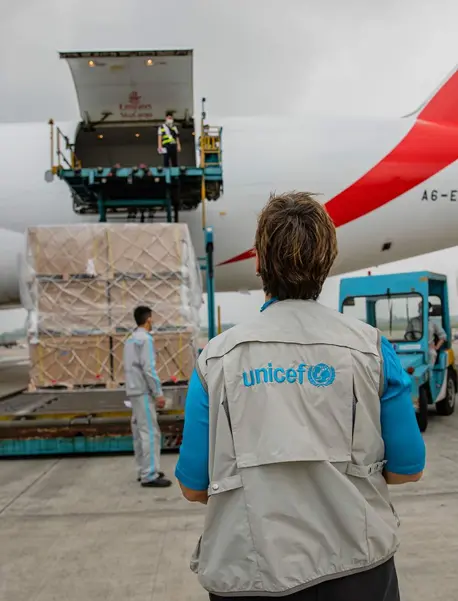
More than 110 tons of lifesaving supplies from UNICEF have arrived in the Democratic Republic of the Congo in the last week as part of the emergency response to the escalating Ebola outbreak.
The emergency items — including personal protective equipment for frontline health workers, medicines, and water, sanitation and hygiene (WASH) materials — were dispatched from UNICEF's global supply and logistics hub in Copenhagen to the outbreak's epicenter. The European Commission is providing transport via specialized humanitarian air service.
We are in a race against time to contain this outbreak. — John Agbor, UNICEF Representative in DRC
“We are in a race against time to contain this outbreak," said John Agbor, UNICEF's Representative in DRC. "The situation remains highly concerning and dynamic. These emergency supplies are critical to help protect frontline workers and support affected communities, including children."
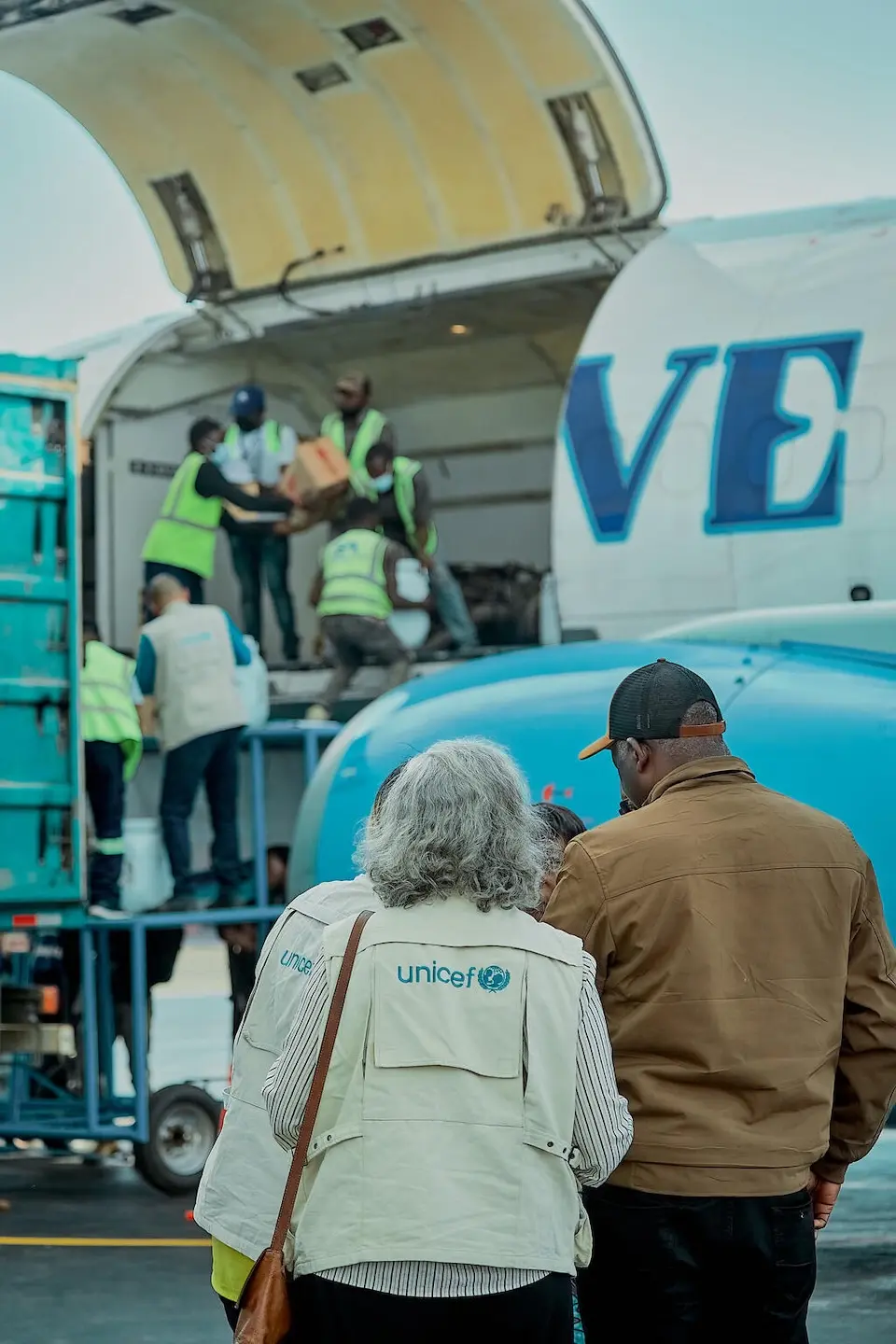
An Ebola virus disease outbreak in DRC and Uganda was confirmed on May 15, 2026, in Ituri province, eastern DRC, and declared a public health emergency of international concern by the World Health Organization on May 17, 2026. By the next day, UNICEF had mobilized 55-plus tons of emergency supplies, with additional shipments landing in Bunia starting on May 28, 2026; some 165 tons of supplies have been delivered to date.
This is the 17th Ebola outbreak DRC has faced. Having responded to past outbreaks, UNICEF knows what works to fight this one. But significantly more funding support is urgently needed to quickly scale response efforts.
By June 4, 2026, with the number of confirmed cases mounting across a wider geographic area, UNICEF had expanded its six-month response plan and increased its funding needs estimate from $50 million to close to $71 million.
UNICEF's response plan focuses on building trust to stop transmission; breaking chains of infection; detecting community cases early and responding faster; protecting children beyond Ebola; and coordinating with governments and other partners across borders and sectors, amid significant operational challenges.
UNICEF's six-month response plan in DRC targets 3.7 million people.
Learn more about how UNICEF is supporting community response to stop Ebola
Video:
High risk of cross-border spread
As of June 7, 2026, the WHO reported, there were 550 confirmed cases and 101 confirmed deaths in DRC. In Uganda, as of June 8, 2026, there have been 19 confirmed cases and two confirmed deaths.
Due to limited testing capacity and underreporting, the true scale of the outbreak remains unclear — though in the DRC, the rise in confirmed cases alongside a decline in suspected cases reflects expanded laboratory testing capacity — which is progressively confirming or ruling out previously suspected cases — rather than necessarily slowing transmission, UNICEF explained in its latest situation report
Uganda remains at risk, particularly along the DRC border, which is about 500 miles long and highly porous.
UNICEF is also focused on preventing further spread by activating high-risk readiness plans in South Sudan, Burundi and Rwanda while also supporting preparedness and contingency efforts in neighboring countries in the region, including Angola, the Central African Republic, Ethiopia, Kenya, the Republic of the Congo, Tanzania and Zambia.
What is fueling the current Ebola outbreak in DRC and Uganda
Fueling the current outbreak is the rare Bundibugyo strain of the Ebola virus, for which there is no approved vaccine or specific treatment. Ebola virus disease often starts with fever, fatigue and pain, and it can progress to vomiting, rash, bleeding and organ failure.
But patients can recover. As of June 7, 2026, the WHO reported, 24 people had recovered from Ebola virus disease contracted during the current outbreak — 19 in DRC and five in Uganda. Seeking medical attention at the first sign of any symptoms improves the odds of survival. A priority for responders is to strengthen referrals to care at the community level.
Lessons from previous outbreaks show that success depends on sustained coordination among responders and partners and integrating the health response with risk communication, community engagement and humanitarian support. Maintaining access to routine care — including malaria treatment and measles vaccination — is also essential to prevent additional preventable deaths.
The many ways Ebola affects children
The current Ebola outbreak is affecting a region of Africa where many children and families are living with conflict, displacement and poverty.
Children not only risk contracting the disease; they face disruptions to health, education and other essential services.
Beyond the immediate danger to children's physical health and well-being, children may experience lasting emotional distress from witnessing the suffering of loved ones. Families that are impacted by Ebola also face social stigma and isolation, which can be traumatizing.
For children, this outbreak is more than a health crisis. It brings fear, it disrupts education. Their daily lives are deeply unsettled. — Hela Skhiri, UNICEF bureau chief in Bunia, DRC
"For children, this outbreak is more than a health crisis," said Hela Skhiri, UNICEF DRC's bureau chief in Bunia. "It brings fear, it disrupts education. Their daily lives are deeply unsettled."
To protect children, UNICEF works with partners to ensure the emergency outbreak response addresses their specific needs related to:
- Abrupt separation: When parents are taken to treatment centers, children are often separated from their primary caregivers. Infants whose mothers are infected can no longer be breastfed and require urgent nutritional alternatives.
- Loss of loved ones: Children who lose their parents need long-term protection, mediation with extended families who may fear taking them in, and support to return to school — a critical step for their education and mental well-being.
- Stigma and discrimination: The fear surrounding Ebola can leave children isolated within their own communities. Dedicated psychosocial support is vital to help them feel accepted, valued and supported.
- Child-specific medical care: Infected children require specialized nursing and rehabilitation. Malnourished children need therapeutic food formulated specifically for their bodies.
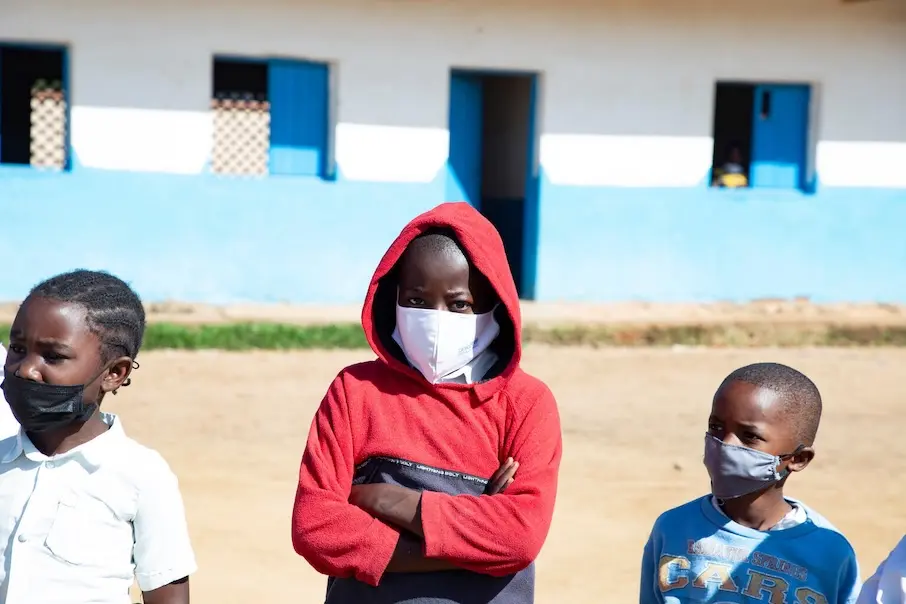
Critical to outbreak response: building community trust
In DRC, UNICEF continues to support the government-led response, working alongside national authorities and humanitarian partners to accelerate infection prevention and control measures and lifesaving WASH interventions. Risk communication and community engagement are also key.
"Previous outbreaks have shown that building community trust and engagement is critical to the response," said Gilles Fagninou, UNICEF Regional Director for West and Central Africa. "That means working closely with local communities, community leaders, faith-based groups, women’s associations, youth groups and frontline health workers to strengthen awareness, early detection and safe practices."
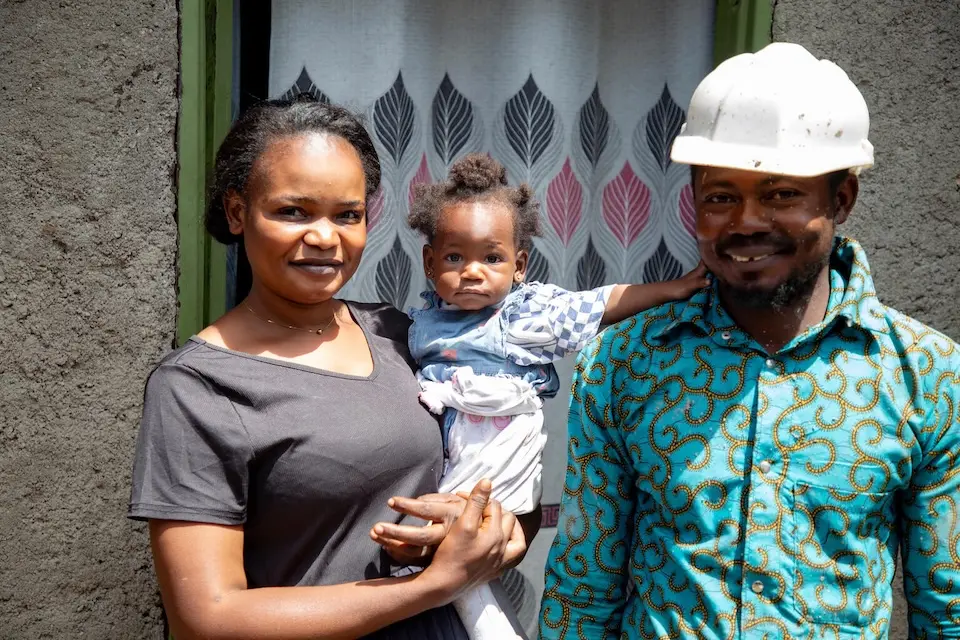
It also means countering misinformation. Jean Assumani, who lives and works as a mason in Ituri and is the father of 8‑month‑old baby Eunice, shared his perspective:
"Some people say Ebola is a story invented by doctors. Others claim that humanitarians created this disease to make money. But those who have seen people die of Ebola completely change their minds and start protecting themselves. They then understand that this disease is real.”
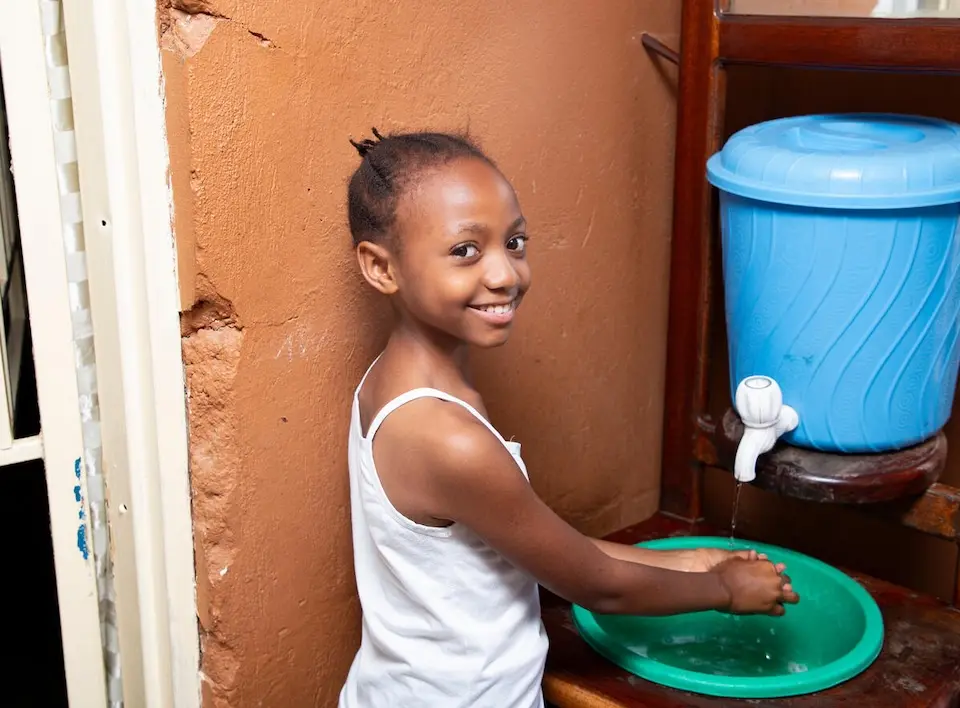
UNICEF's community-led approach includes broadcasting information through public channels such as local radio to help families understand how the virus is transmitted and how to reduce their risk; training and equipping local hygiene teams to safely decontaminate homes, schools and health facilities when a new case is confirmed; and installing handwashing stations and temperature screenings in public spaces.
Front-line psychosocial support services also draw on the lessons from past outbreaks. UNICEF-supported psychosocial teams provide timely support to affected families, assisting them through traumatic moments, from transferring a loved one to a treatment center to agreeing to household disinfection or organizing the safe and dignified burial of a loved one. They also perform contact tracing to help with early detection.
Youth-led action on the front lines of the Ebola crisis in DRC
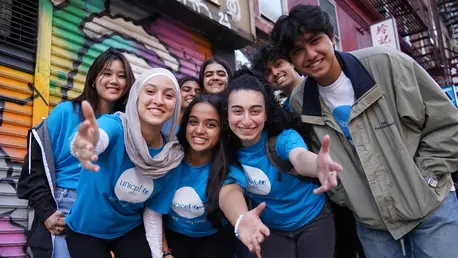
U-Reporters are on the scene too, assisting with ongoing public information campaigns. “I don’t want to see the disease spread in my community, that is why I raise awareness on how to prevent it,” DRC U-Reporter Aimerance said.
In Uganda, helping to strengthen infection prevention and control
To assist the Ebola outbreak response in Uganda, UNICEF is combining technical support with supply delivery and community action. Efforts include:
- supporting community-based surveillance and early alert systems
- strengthening infection prevention and control in health facilities, schools and communities
- improving access to safe water, sanitation and hygiene
- supporting risk communication and community engagement activities, including helping families understand symptoms, prevention measures and when to seek care
- supporting the delivery of psychosocial support, nutrition and child protection services
While working to contain the spread, UNICEF, alongside partners, is committed to helping ensure continued delivery of primary health care and other essential services. Emergency response measures are also designed to strengthen long-term resilience across the broader health system.
HOW TO HELP
There are many ways to make a difference
War, famine, poverty, natural disasters — threats to the world's children keep coming. But UNICEF won't stop working to keep children healthy and safe.
UNICEF works in over 190 countries and territories — more places than any other children's organization. UNICEF has the world's largest humanitarian warehouse and, when disaster strikes, can get supplies almost anywhere within 72 hours. Constantly innovating, always advocating for a better world for children, UNICEF works to ensure that every child can grow up healthy, educated, protected and respected.
Would you like to help give all children the opportunity to reach their full potential? There are many ways to get involved.