Understanding the Bundibugyo Ebola Virus Outbreak in DRC
DRC's worst Ebola outbreak on record
A major outbreak of the Bundibugyo strain of the Ebola virus in the Democratic Republic of the Congo (DRC) continues to endanger vulnerable communities in the African nation while also posing a threat to Uganda and other neighboring nations in the region.
The outbreak, which began in DRC's eastern Ituri province in May 2026, is now the largest ever recorded in the country. As of July 30, 2026, there were 3,605 confirmed cases — 743 of them children — and 1,587 deaths, including 330 children under 18, according to the World Health Organization.
Children are particularly vulnerable to the ravages of the disease. Although children represent nearly 1 in 4 confirmed cases, they account for almost 1 in 3 deaths. Young children under 5 are particularly affected, with a case fatality rate more than double that of adults.
Learn more: UNICEF responds to Ebola outbreak in DRC and Uganda
Outbreaks also tend to disrupt access to essential services including health care, heightening risks for children. The disruption in health services combined with fears of infection has resulted in a sharp decline in routine childhood vaccinations in outbreak hotspots, UNICEF reported. The loss of parents and the stigma of having a family member contract Ebola is also traumatic and isolating.
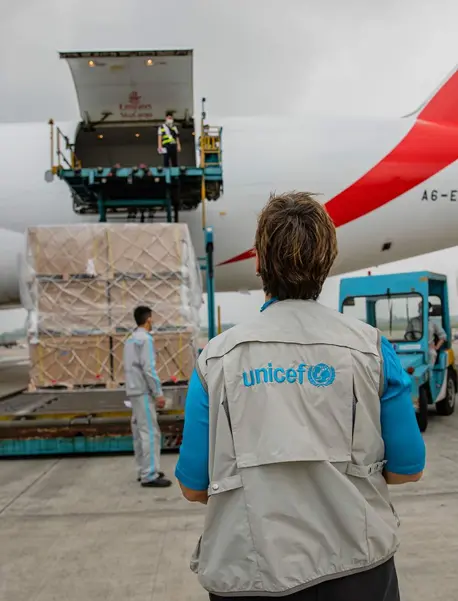
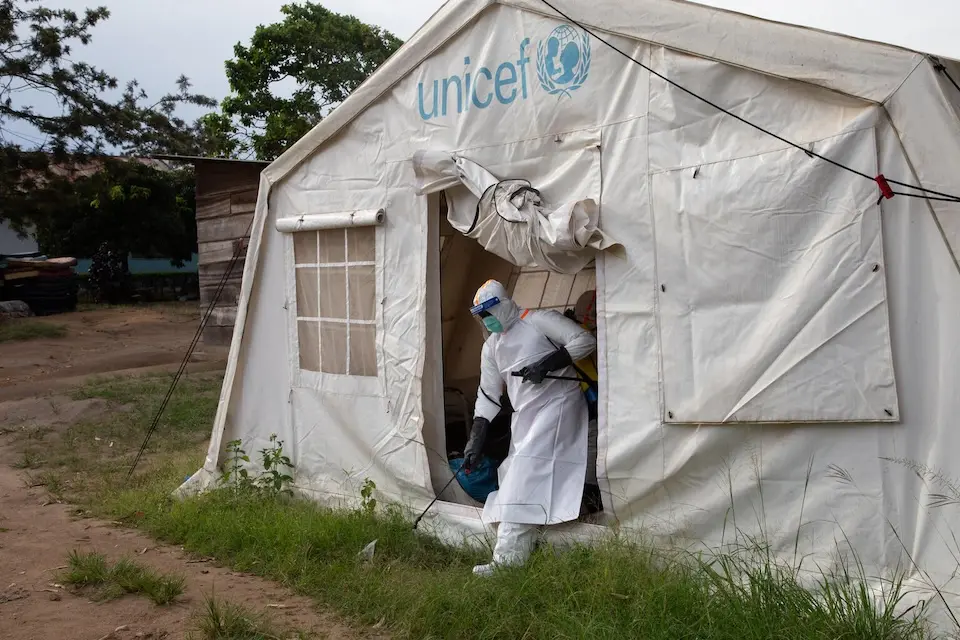
Working with local partners and government agencies, UNICEF is helping to contain the spread of disease and is reaching children affected by this outbreak with lifesaving humanitarian relief. UNICEF's ongoing emergency response includes distributing emergency medical supplies and safe water, supporting health workers, treatment centers and nurseries, maintaining safe sanitation and disseminating critical health information. Building trust through community engagement is critical to containment efforts.
What is the Bundibugyo Ebola strain and how it is affecting children?
Named after the region in Uganda where the strain was first identified in 2007, Bundibugyo Ebola virus disease is a relatively rare strain of the Orthoebolavirus species, one of four strains of Ebola that can infect humans.
While not as deadly as the better known Zaire strain — the one responsible for the majority of previously recorded Ebola deaths — there is no accepted course of treatment or vaccine for Bundibugyo. A new Ebola vaccine trial in the UK has been announced, but even the most optimistic timeline is months away.
The incubation period for Bundibugyo virus disease ranges from 2 to 21 days, during which time symptoms can manifest. Once a person is symptomatic, they are highly contagious to others. The fatality rate for previous Bundibugyo outbreaks ranges from 30 percent to as high as 50 percent.
The WHO declared the current outbreak a public health emergency of global concern on May 17 as it spilled into Uganda, linked to cross-border travelers from the DRC. While no new cases have been reported in Uganda since early July, the highly contagious nature of the disease requires continued vigilance.
Learn more about how UNICEF responds to Ebola outbreaks
What are the symptoms of the Bundibugyo Ebola virus disease?
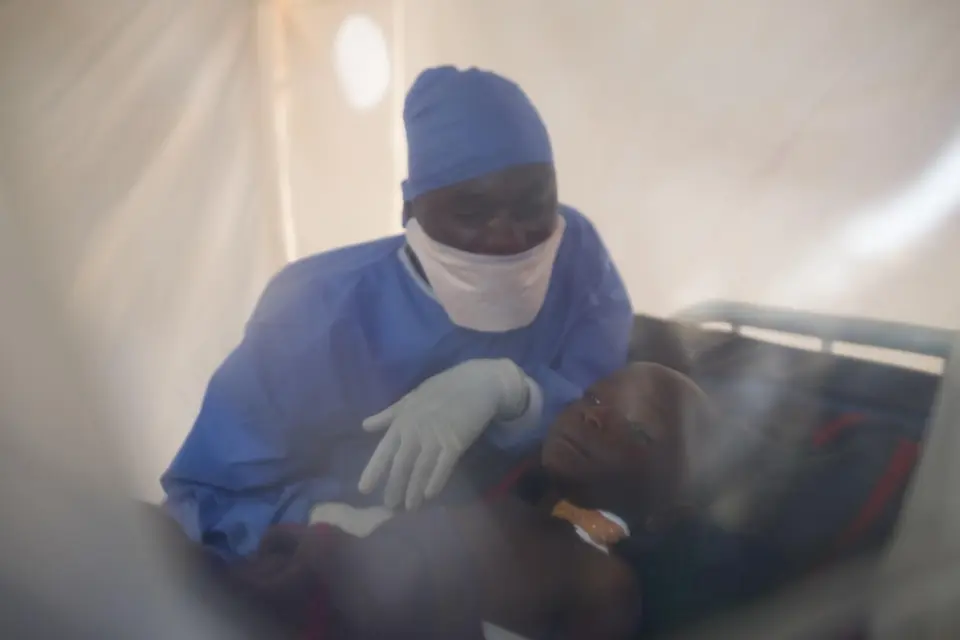
The earliest symptoms of Bundibugyo virus disease, like other Ebola strains, can include fever, muscle pain, headaches, fatigue, and sore throat – symptoms that can mirror other less dangerous diseases, making a diagnosis difficult and early detection challenging.
The earlier Ebola virus disease is detected, the sooner the patient is placed into quarantine, the better in terms of the individual's survival and for preventing wider transmission.
As the disease progresses, symptoms can escalate to include vomiting, diarrhea, failing kidney or liver function, seizures and unexplained bleeding. In some cases, infected people develop rashes and other skin conditions.
How does the Bundibugyo Ebola virus spread?
Ebola virus spreads at first from direct contact with infected wildlife, such as fruit bats or non-human primates. After the initial human infection, Bundibugyo and other ebolavirus strains can be spread from a sick person to others by direct contact with blood, secretions, or other bodily fluids.
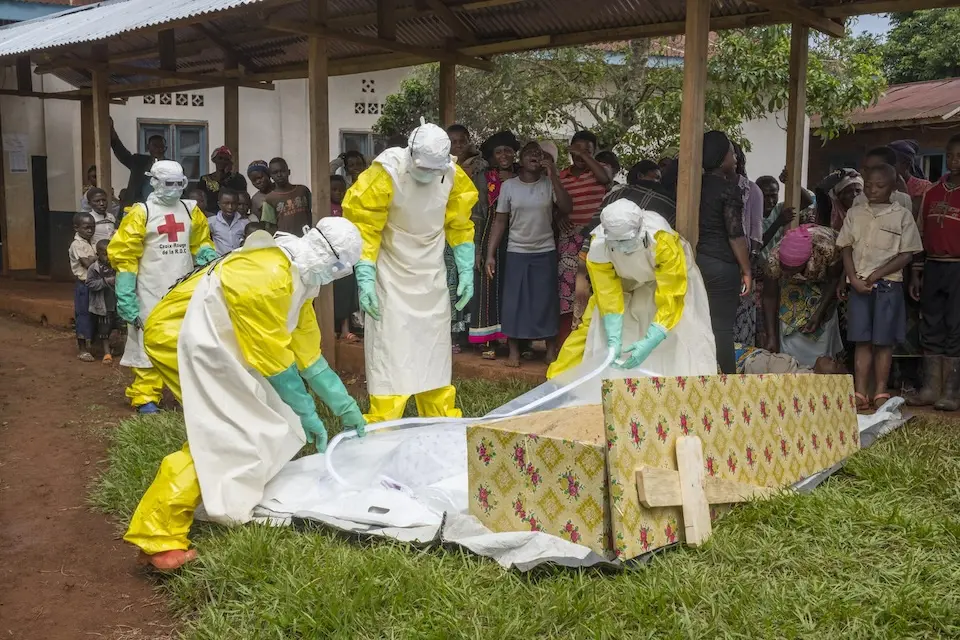
Because it is so highly contagious, the virus can be transmitted through contaminated objects such as bedding, clothes, bandaging, and used syringes. Ebola can be transmitted from a dead body if proper care is not taken during funerary practices.
Since the virus is not airborne, Bundibugyo virus and other Ebola strains are not spread in the same manner as respiratory diseases. To contain an outbreak, proper practices including contact tracing, the use of protective equipment by health workers, proper education about best sanitation habits and safe burial practices are essential.
Related: Supporting Community Response to Stop Ebola
When Ebola reaches a community, childhood is interrupted
The youngest are also the most vulnerable during an Ebola outbreak. Children who contract the disease face a higher risk of dying than adults.
Outbreaks can also disrupt social services and access to health care, close schools, and separate children from their caregivers when family members fall sick or are quarantined. The toll from that isolation can also lead to increased psychosocial distress.
How UNICEF helps families stay safer during Ebola outbreaks
UNICEF has developed a coordinated response with national and regional governments, health agencies, local responders and humanitarian partners during previous Ebola outbreaks.
With a multi-pronged approach, the UNICEF response has included:
- delivering medical supplies
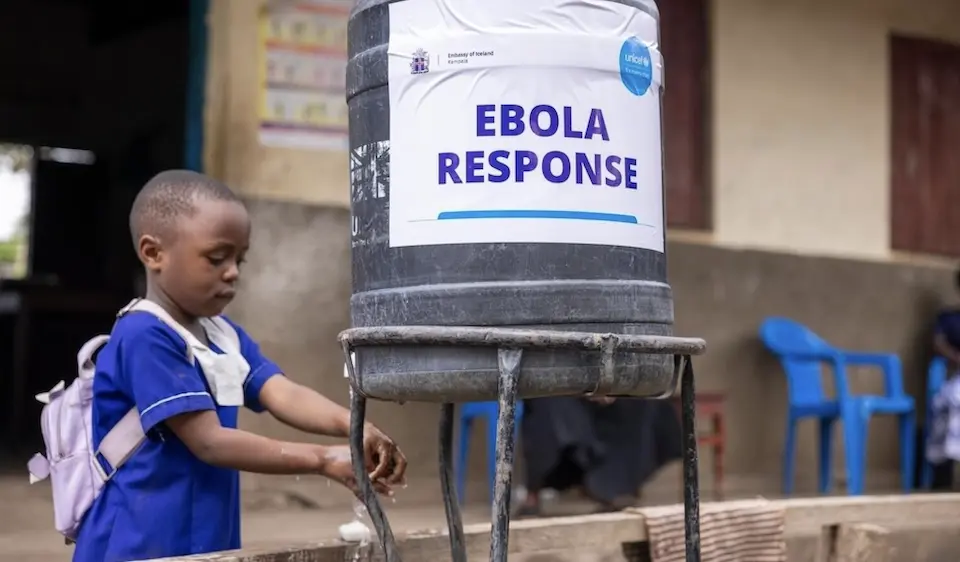
- providing emergency water and sanitation services, such as handwashing stations
- supporting public information campaigns communicating the risks of the disease and best hygienic practices to prevent further spread
- supporting safe school environments to allow children to continue their education
- facilitating tracing efforts to track the spread of the disease
- providing psychosocial care for children who have suffered trauma from the disease, including the loss of family members
- providing protection services for children who have been separated from their families, including tracing and reunification support.
UNICEF's six-month plan to help combat the Bungibugyo outbreak in the DRC and Uganda aims to reach 3.7 million people.
Help protect children and families during health emergencies
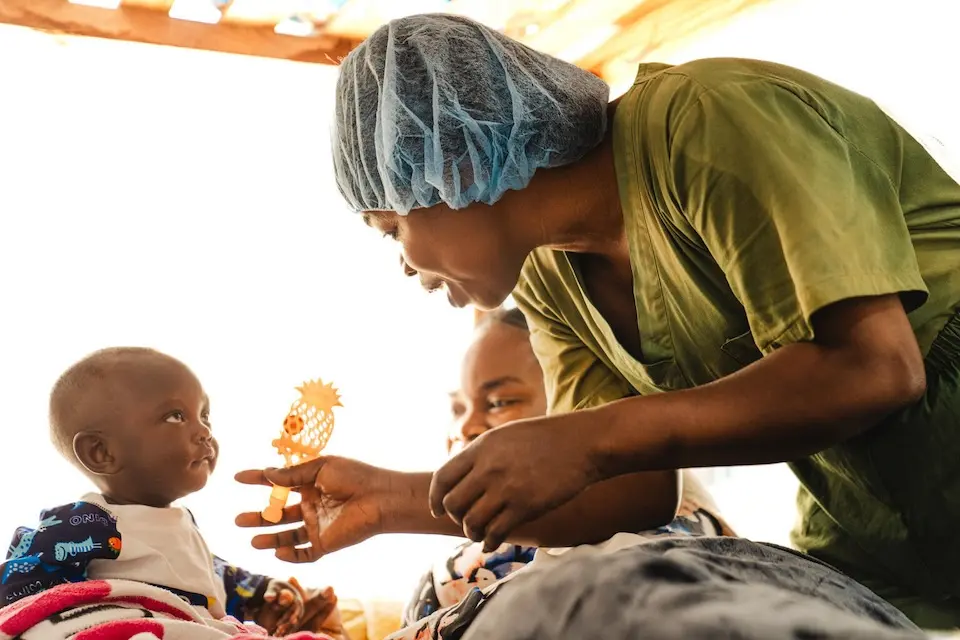
Ebola outbreaks, including the current Bundibugyo virus crisis in the DRC, require emergency support to protect children and their families and equip frontline responders to contain further spread.
Flexible funding helps UNICEF respond to changing conditions on the ground, aiding partners and government agencies address emergency needs. In the case of Ebola outbreaks, that can take the form of medical supplies, sanitation support, safe water provisions and information sharing.
Donors play an essential role in supporting these efforts.
Learn more about UNICEF’s lifesaving emergency response
Frequently asked questions about Ebola outbreaks
Why is safe water important during an Ebola outbreak?
Safe water, sanitation, and hygiene access helps reduce infection risks in affected communities by minimizing the potential for contamination. Handwashing stations and hygiene supplies can protect other family members and children, as well as caregivers and frontline workers.
Can you get Ebola from skin contact?
Though rashes can be a symptom of the Bundibugyo virus, the disease is not transmitted through skin to skin contact, such as from a handshake. Transmission comes through contact with infected blood, secretions, or bodily fluid, or through contact with surfaces contaminated from those type of fluids. As a result, personal protective equipment (PPE), clean water, and proper hygiene precautions such as handwashing stations can make a big difference in ending outbreaks.
How can I help children affected by Ebola outbreaks?
By donating toward the flexible emergency funding that helps UNICEF tackle crises such as the Bundibugyo virus outbreak in the DRC, you can help the organization provide essential supplies and services to protect children. Sharing accurate information from trusted sources over unverified reports and social media posts can help reduce the spread of fear and misinformation.
HOW TO HELP
There are many ways to make a difference
War, famine, poverty, natural disasters — threats to the world's children keep coming. But UNICEF won't stop working to keep children healthy and safe.
UNICEF works in over 190 countries and territories — more places than any other children's organization. UNICEF has the world's largest humanitarian warehouse and, when disaster strikes, can get supplies almost anywhere within 72 hours. Constantly innovating, always advocating for a better world for children, UNICEF works to ensure that every child can grow up healthy, educated, protected and respected.
Would you like to help give all children the opportunity to reach their full potential? There are many ways to get involved.