Building Trust to Stop the Spread of Ebola in DRC
Highlights
- Two months into the Ebola outbreak in eastern Democratic Republic of Congo, 2,344 cases have been confirmed and 930 confirmed deaths reported
- Children and adolescents are almost twice as likely to die from the Ebola virus disease than adults
- UNICEF's response and preparedness measures include risk communication and community engagement
As a deadly outbreak continues in the Democratic Republic of Congo, UNICEF-supported psychosocial workers provide comfort for Ebola patients and their families and share accurate health information with community members to prevent the highly infectious Ebola virus from spreading.
Dispelling rumors and building trust helps protect communities from Ebola
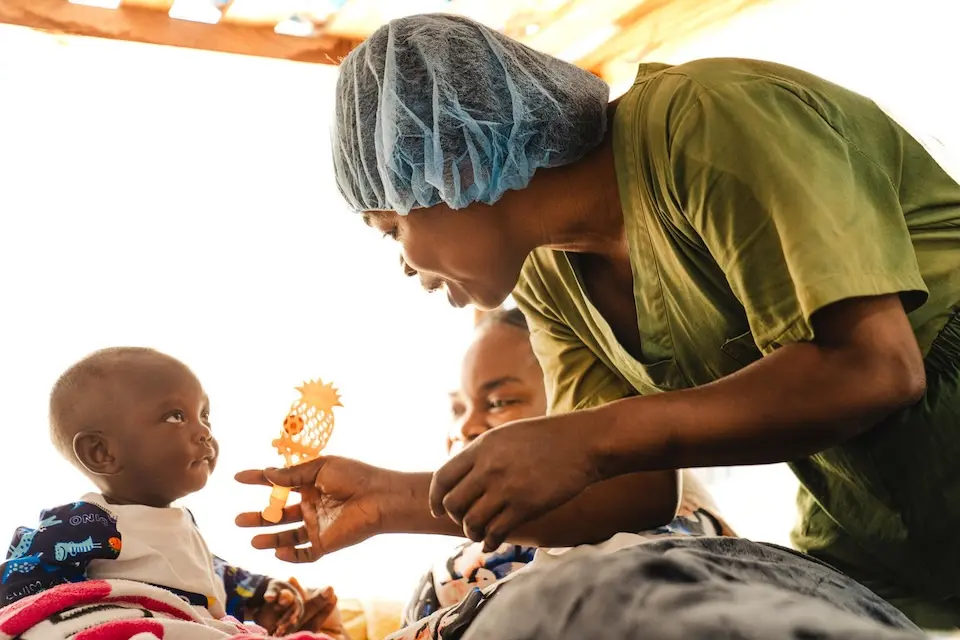
A 17-year-old girl arrives at an Ebola treatment center in Bunia, Ituri province, Democratic Republic of the Congo, with her 6-year-old sister and a 3-month-old baby. Their mother has been hospitalized with Ebola for several days. The children don't know what to expect and they're afraid of what will happen next.
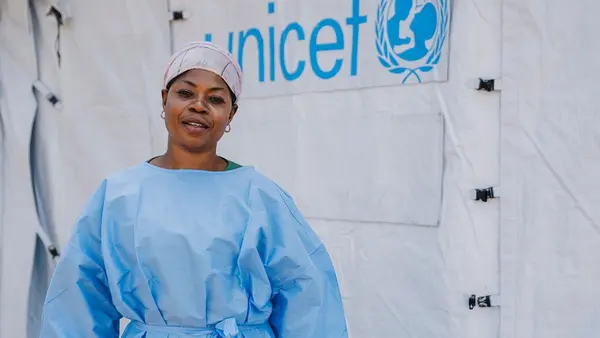
For UNICEF-supported psychosocial worker Wivine Ngumbi Kabala, this scenario is repeated daily. She provides support for Ebola patients, their relatives and caregivers, and works in the nursery set up at the treatment center for children whose parents have been hospitalized with the disease.
"The children don't really understand what is happening. I listen to their concerns, answer their questions, and try to transform this place of fear into a slightly more reassuring space," Wivine says. Many in the community have heard rumors about the disease and the treatment center. "Every day, psychosocial workers like me restore dialogue when fear takes over. We build trust between communities and the health teams."
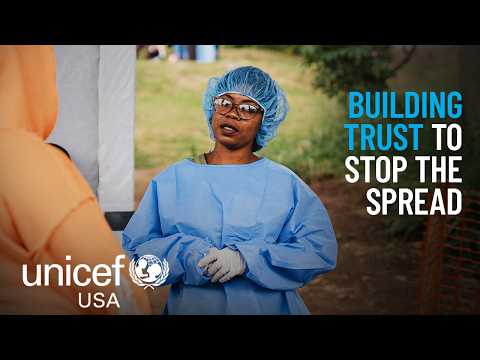
Video: See inside an Ebola treatment facility in Ituri province, DRC
This is the 17th Ebola outbreak in the DRC
The current Ebola outbreak was declared a Public Health Emergency of International Concern on May 15, 2026, a rare designation used for serious, sudden, unusual or unexpected situations that carry implications for public health beyond a country's borders.
Since the designation was developed in 2005, it has been used just nine times — three of those for outbreaks of Ebola, an acute and serious disease that is often fatal if left untreated.
Learn more about the DRC Ebola outbreak and UNICEF's response
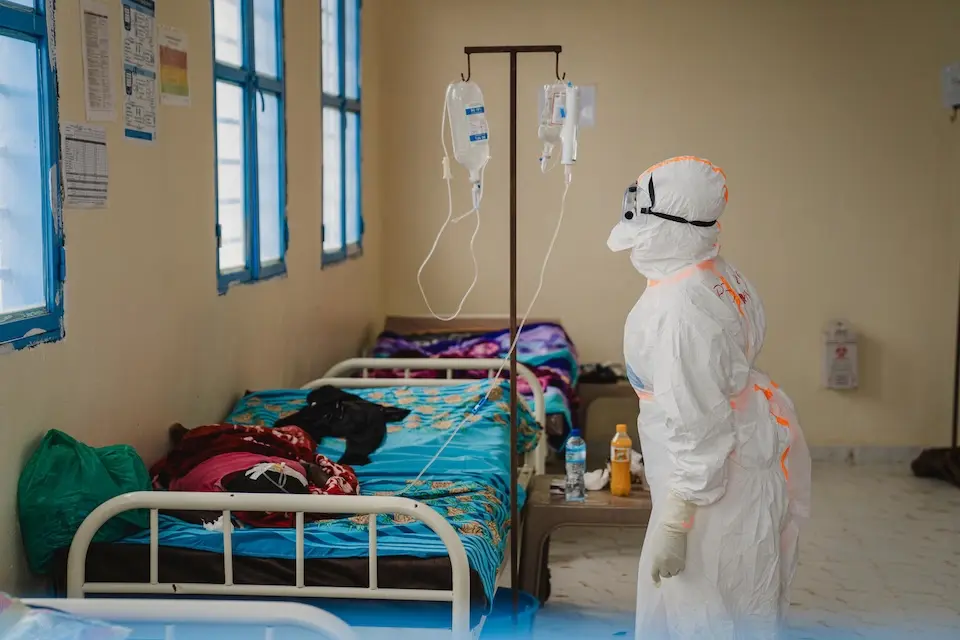
Nearly 3 million children and adolescents are at risk
More than 2,340 Ebola cases had been confirmed and 930 confirmed deaths reported across five provinces in the DRC by July 18, 2026. Children and adolescents are almost twice as likely as adults to die from the disease.
An estimated 2.95 million children and adolescents aged 18 and under — representing 54 percent of the population in 31 affected health zones — are at risk from Ebola itself and the breakdown of essential services in eastern DRC.
Accurate, culturally appropriate health information
With patience and sensitivity, Wivine and her colleagues provide frightened community members with the accurate, culturally appropriate health information they need to help prevent the outbreak from spreading.
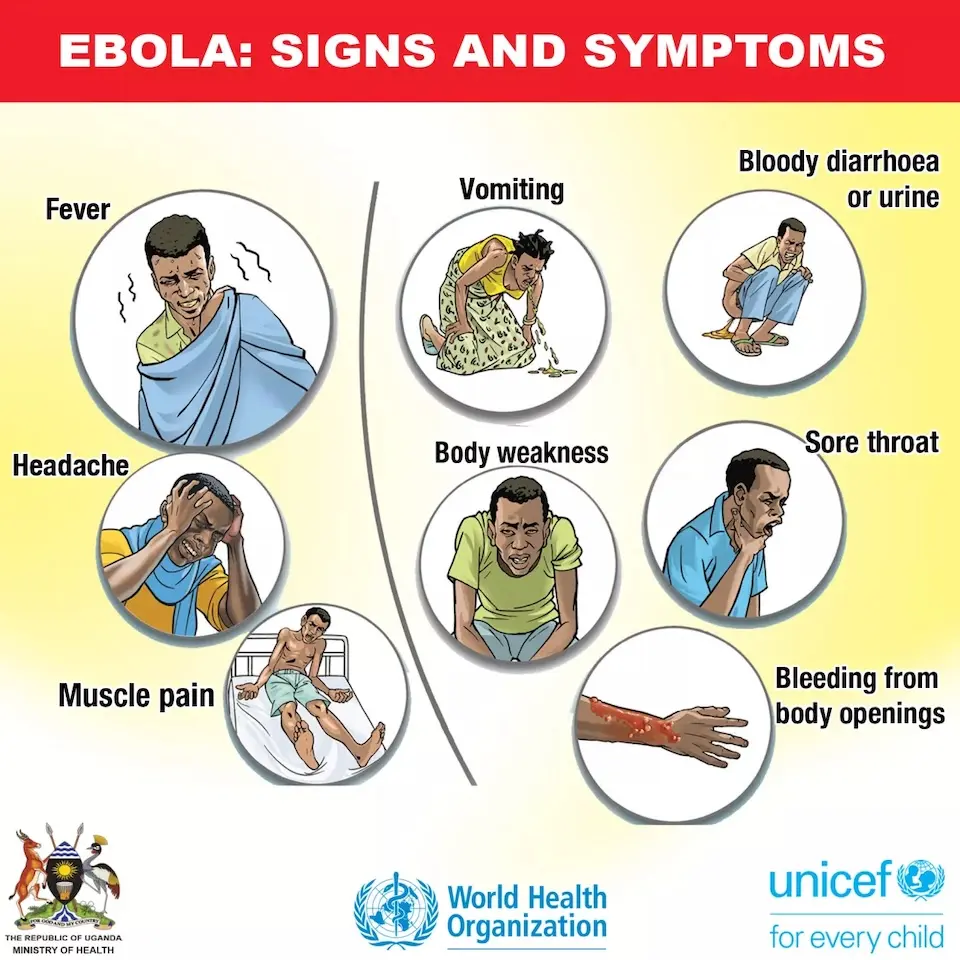
The Ebola virus is transmitted through direct contact with blood and body fluids (urine, feces, saliva, vomit, breast milk, sweat and semen), and objects that have been contaminated by a person with Ebola. The virus is also transmitted through contact with sick or dead wild animals. Signs and symptoms of the disease include sudden onset of fever, headache, intense body weakness, muscle pain, sore throat, vomiting, bloody diarrhea or urine and bleeding from body openings.
Safe and dignified burial practices protect communities
Coming into contact with the body of someone who has died from Ebola can infect mourners, so Wivine and her colleagues work with the bereaved to keep burial practices safe. Family members cannot wash, touch or kiss the body. Funerals are conducted promptly by trained burial teams wearing full personal protective equipment (PPE). All surfaces, personal effects and equipment must be disinfected.
"The pain is immense and so is the anger," Wivine says. "I let them express their sadness. Then, calmly and respectfully, I explain the safety measures put in place to protect the community. In an Ebola response, we help people find the strength to get through the ordeal."
UNICEF's revised Ebola response plan estimates that $119.3 million is needed to address the current outbreak, prioritizing lifesaving interventions while reinforcing systems for sustained outbreak control.
HOW TO HELP
There are many ways to make a difference
War, famine, poverty, natural disasters — threats to the world's children keep coming. But UNICEF won't stop working to keep children healthy and safe.
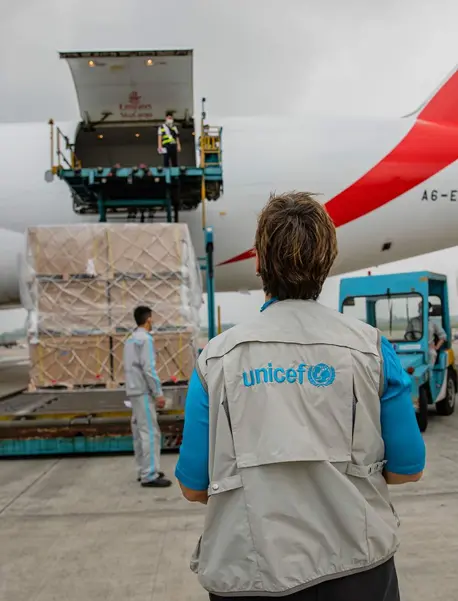
UNICEF works in over 190 countries and territories — more places than any other children's organization. UNICEF has the world's largest humanitarian warehouse and, when disaster strikes, can get supplies almost anywhere within 72 hours. Constantly innovating, always advocating for a better world for children, UNICEF works to ensure that every child can grow up healthy, educated, protected and respected.
Would you like to help give all children the opportunity to reach their full potential? There are many ways to get involved.