Youth Learn Fundamentals of Disaster Risk Protection in Mali
"Stop Disasters," an online video game developed by the United Nations Office for Disaster Risk Reduction (UNDRR), teaches young people how to reduce risks linked to flooding, hurricanes and other natural hazards — and how to take action before disaster strikes.
Young people across Mali are learning how to prepare for catastrophic weather events and other natural disasters
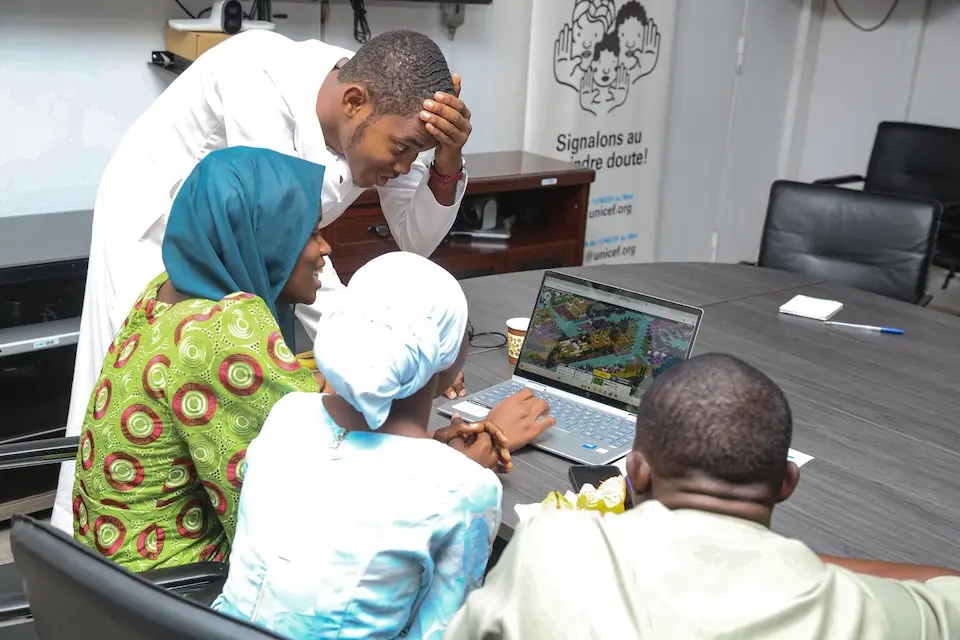
In a room in Bamako, Mali's capital city, teams of young people are learning how to take concrete steps to protect their communities from natural disasters, many of them directly related to climate change. They're playing an online video game, "Stop Disasters," developed by the United Nations Office for Disaster Risk Reduction (UNDRR).
The game teaches players how to select safe locations for housing, use appropriate construction materials, set up early warning systems and design evacuation plans to protect communities when disaster strikes. Each scenario offers multiple difficulty levels and lasts about 10 to 20 minutes, depending on the type of disaster and the level selected.
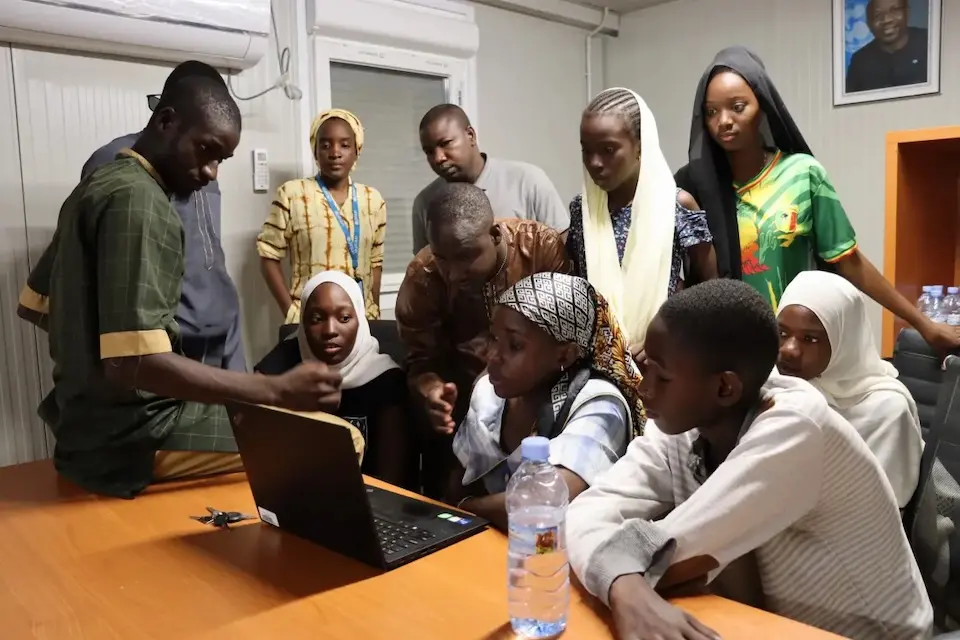
Playing as a team strengthens negotiation skills
Teams from four cities in Mali — Bamako, Gao, Mopti and Timbuktu — signed up to participate in the project. Playing a video game as a team presents an opportunity to strengthen negotiation skills. Each group has a limited budget to protect its community from an imminent disaster, and every action comes with a different cost. In Timbuktu, team members debate each decision and strategy — much like a town council — before the team leader implements them in the game.
Learn more about UNICEF's work for children in Mali
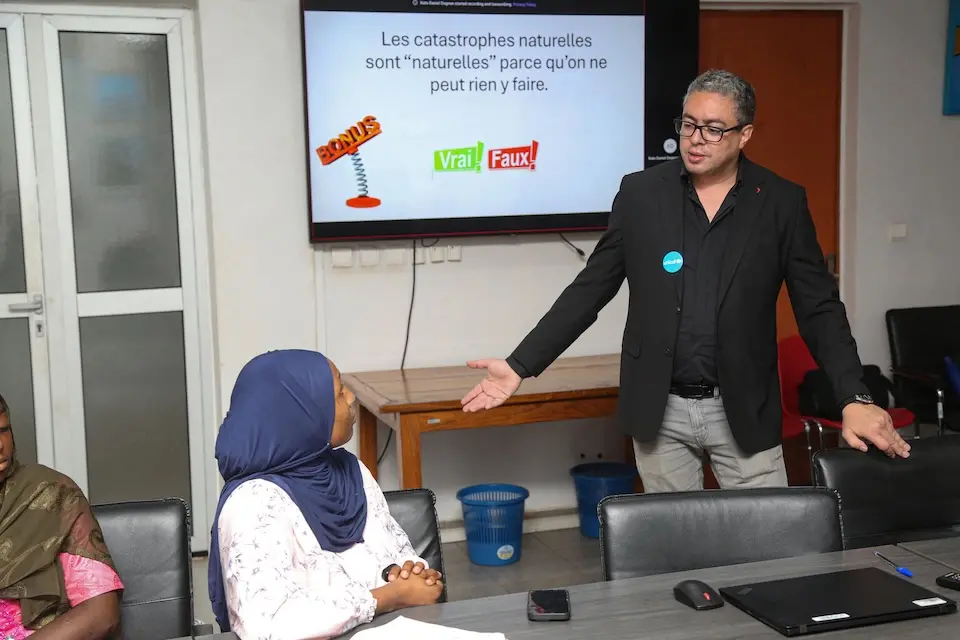
UNICEF WASH specialists explain the basics of disaster risk reduction before the simulations begin
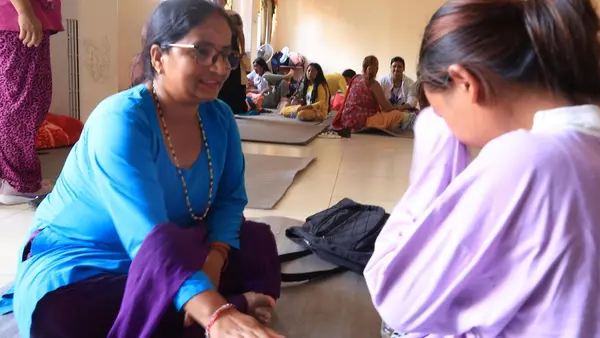
Before the simulations begin, UNICEF specialists in WASH (water, sanitation and hygiene) and ADAP (adolescent development and participation) explain the basics of disaster risk reduction and answer participants’ questions.
If I were an urban planner, I would promote reforestation, build shelters for people affected by floods, clear drainage channels and dig trenches. — Mahamane, 15
The students learn quickly. “If I were an urban planner, I would promote reforestation, build shelters for people affected by floods, clear drainage channels and dig trenches," says Mahamane, 15, who lives in Gao, a city that experienced severe flooding when the River Niger overflowed in 2024.
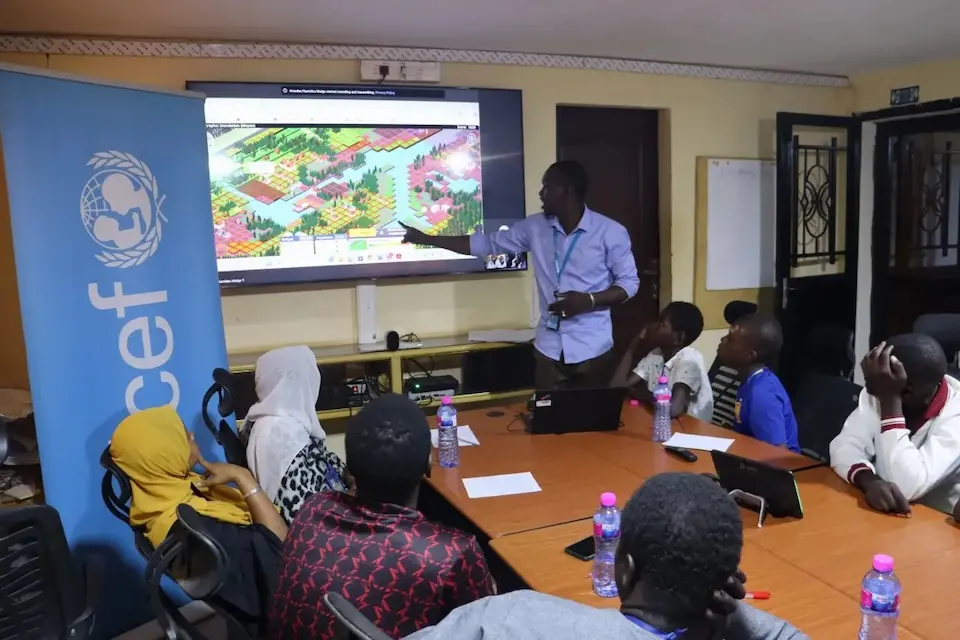
Players must consider evacuation routes, improved infrastructure, communication and community preparedness
In Mopti, U-Reporters took part in the simulation. Fully focused on their goal, they had to consider the key elements of a risk prevention strategy — evacuation routes, improved infrastructure, communication and community preparedness — all within a limited budget. Once the funds are spent, the disaster unfolds. The score is then calculated based on the impact of preventive actions, damage avoided and lives saved.
Play the game to "Stop Disaster"
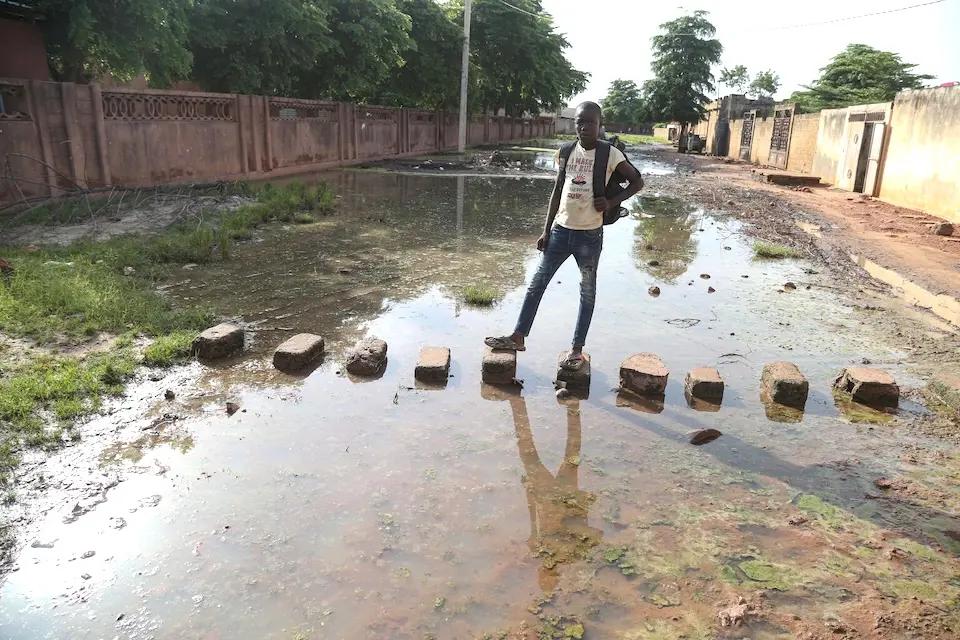
Severe flooding and heavy rainfall affected more than 66,000 people in Mali in 2024
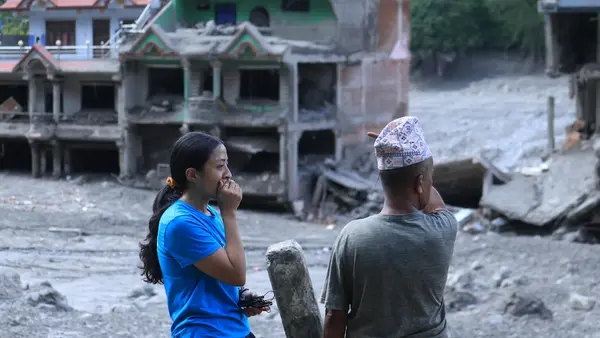
"Stop Disasters" offers a variety of natural hazard scenarios: earthquakes, floods, hurricanes, tsunamis and wildfires. In the four participating cities, young people worked on flood simulations — a common hazard in Mali. In 2024, flooding from the Niger River combined with heavy rainfall affected more than 66,000 people nationwide.
Because of the widespread damage, the start of the 2024 school year had to be postponed, as many families took refuge in classrooms. Regions of Mali regularly experience seasonal floods; intense rainfall, river overflows and dam releases exacerbate flooding, causing loss of life, mass displacement and higher risks of malnutrition and disease.
Related: Shelter From the Storm for Children in Mali
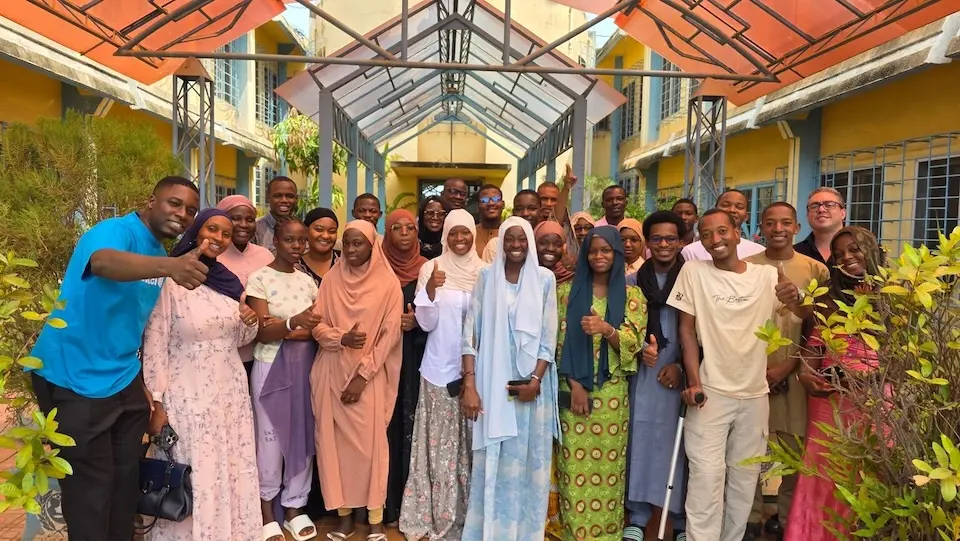
Support for UNICEF helps strengthen community resilience to disasters
After an active and emotional session, participants understand the importance of preparedness and communication to strengthen community resilience to disasters.
The initiative — "Kalan ye juguya la: Let’s play to understand and take action to prevent disaster risks in Mali” — was implemented under the Sahel Resilience Partnership with GIZ, the World Food Program and UNICEF, with funding from the Government of Germany (BMZ).
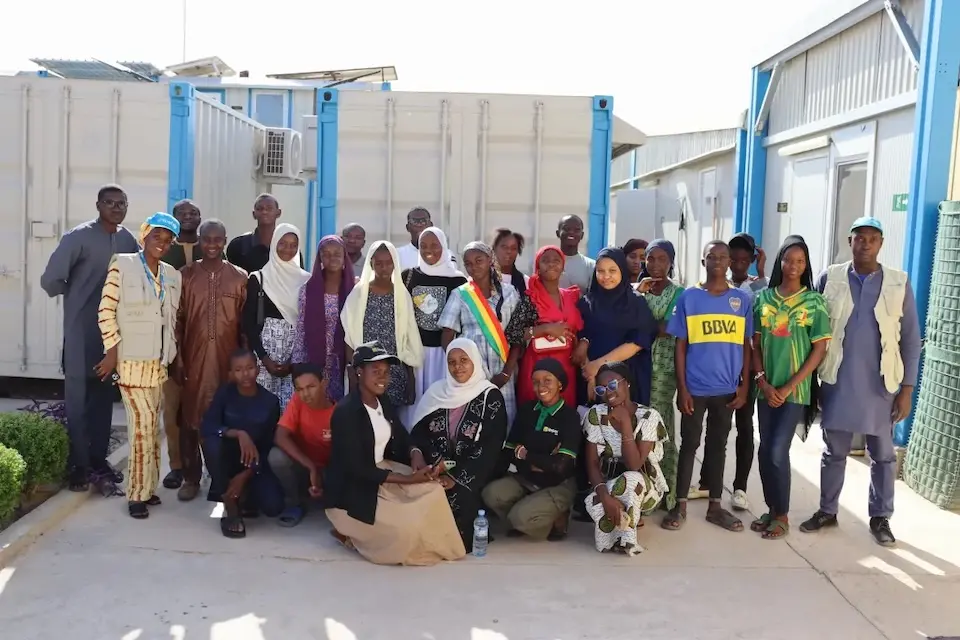
Children and young people are the ones who will benefit most from reducing the risk and impact of disasters, curtailing climate shocks and achieving the global Sustainable Development Goals (SDGs). UNICEF works around the world to safeguard every child's right to a safe and healthy childhood, and to ensure that children's voices are heard.
Right now, the lives of the most vulnerable children hang in the balance as conflicts and crises jeopardize the care and protection that they deserve. Dependable, uninterrupted and effective foreign aid is critical to the well-being of millions of children. Please contact your members of Congress and urge them to support ongoing U.S. investments in foreign assistance.
This story was adapted from UNICEF.org
HOW TO HELP
There are many ways to make a difference
War, famine, poverty, natural disasters — threats to the world's children keep coming. But UNICEF won't stop working to keep children healthy and safe.
UNICEF works in over 190 countries and territories — more places than any other children's organization. UNICEF has the world's largest humanitarian warehouse and, when disaster strikes, can get supplies almost anywhere within 72 hours. Constantly innovating, always advocating for a better world for children, UNICEF works to ensure that every child can grow up healthy, educated, protected and respected.
Would you like to help give all children the opportunity to reach their full potential? There are many ways to get involved.