Support Children in Jamaica - Donate to UNICEF
Learn how UNICEF is working with partners in Jamaica and across the Eastern Caribbean to support disaster response, improve the lives of children and safeguard child rights.
Helping to fulfill the rights of every child in Jamaica
Jamaica is one of 12 island nations in the Eastern Caribbean region where UNICEF works, collaborating with the government, non-governmental organizations, civil society change makers and private sector partners to influence and improve laws, policies and programs that impact children and their ability to access quality services.
Uniquely positioned to collaborate with everyone from advocates to service providers to elected leaders, UNICEF Jamaica integrates the voices of children and adolescents by engaging them on the issues that affect their lives.
Priorities include children's health and nutrition, education and protection. When disasters strike, UNICEF emergency response teams are there to help deliver lifesaving relief and recovery support, focusing on the most vulnerable families and communities.
Hurricane response in Jamaica
Every year since 2015, UNICEF estimates that 11 million people in Latin America and the Caribbean — including nearly 4 million children — were directly affected by natural and human-made hazards. Hurricane season has become increasingly threatening due to climate change.
UNICEF works with partners to provide relief while also helping to strengthen disaster preparedness and build resilience to future crises. When extreme weather looms, UNICEF prepositions hygiene kits, water purifiers, medicines and other essential items, shares early warning messages with communities and provides cash assistance to high-risk households to mitigate impacts.
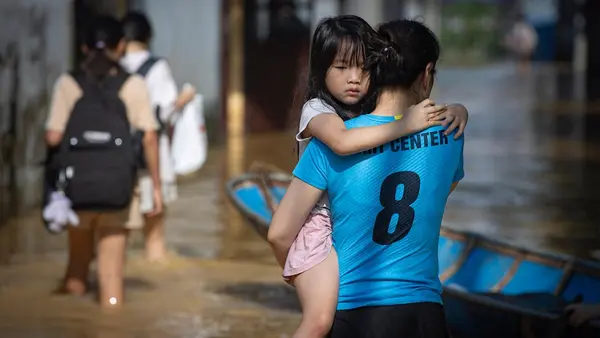
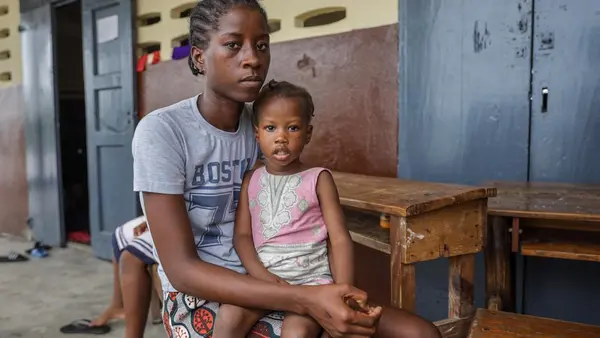
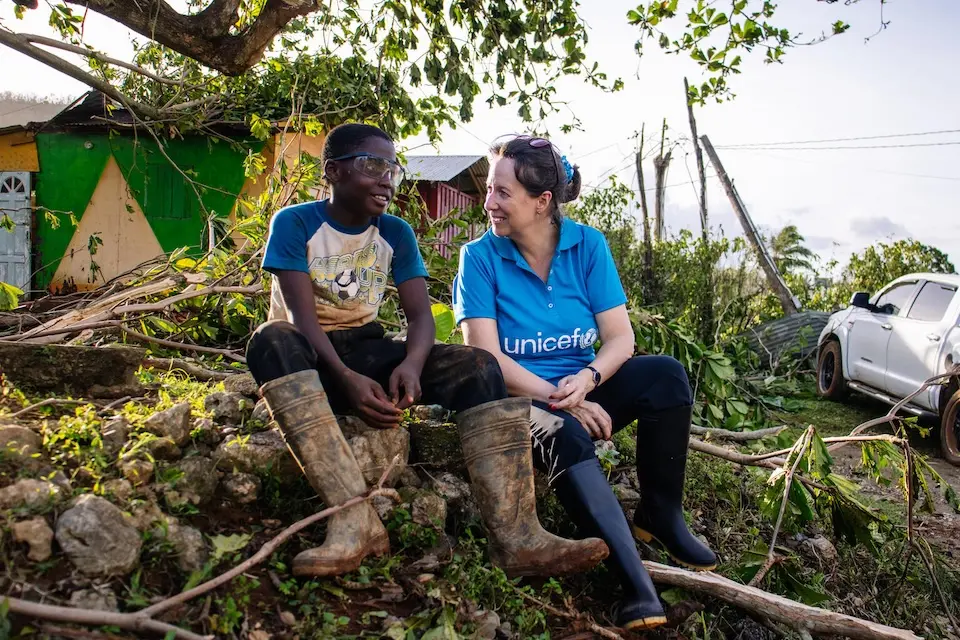
Hurricane Melissa, the most powerful storm to strike Jamaica since 1988, brought extensive flooding and landslides, displacing families, shuttering hospitals and schools and causing prolonged power and internet outages among other service disruptions. UNICEF moved quickly to mobilize emergency supplies, help restore access to safe water and sanitation and protect children from gender-based violence, sexual exploitation and abuse, especially unaccompanied and separated children.
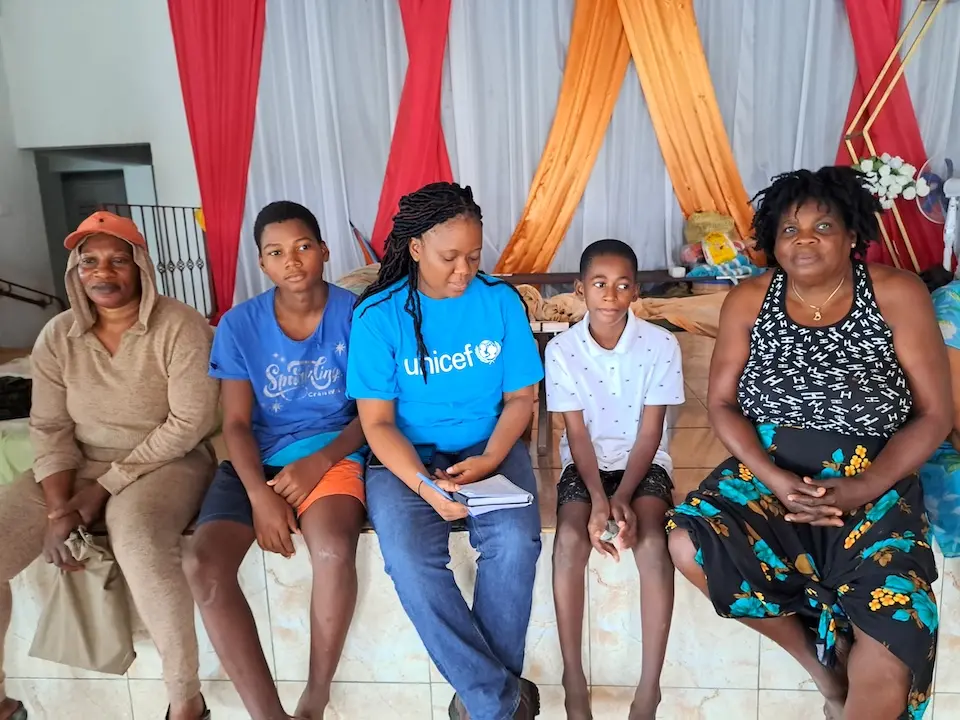
With education interrupted nationwide, UNICEF also helped set up safe spaces for children to continue to learn and distributed learning materials, including School-in-a-Box and early childhood development (ECD) kits, and helped ensure mental health and psychosocial support services were made available to children and caregivers at shelters and in their communities.
UNICEF continues to support relief and recovery efforts, coordinating closely with the government and local authorities and taking the lead in WASH, nutrition and education in coordination with other UN agencies. With a declared leptospirosis outbreak, confirmed tetanus cases and rising dengue threat driven by stagnant water and uncollected waste, escalating public health risks remain a major concern.
Related: UNICEF Child-Friendly Spaces
Disaster preparedness and risk reduction a top priority
A top priority for UNICEF in Jamaica and across the Eastern Caribbean region is to help strengthen national capacities to anticipate and respond to weather-related emergencies while continuing to deliver essential services for children. "This is fundamental," UNICEF's Regional Director for Latin America and the Caribbean Roberto Benes says.
“All efforts to prepare for the arrival of a hurricane are vital to mitigate damage and loss of life in the most vulnerable communities, especially in regions like the Caribbean," Benes notes. “Small islands always face heightened vulnerability to extreme climate events."
Strengthening systems to support children's health and well-being
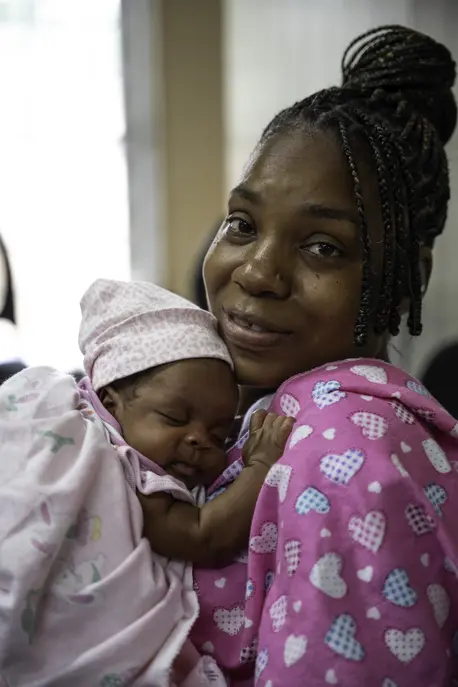
Reducing disaster risks means strengthening the systems children rely on for long-term health and well-being.
UNICEF is working closely with the Ministry of Health and Wellness to rehabilitate or otherwise improve or expand water and sanitation systems, addressing post-hurricane needs and beyond.
UNICEF is also helping to bolster nutrition support services and expedite malnutrition screenings and treatment — measures that have taken on new urgency in hurricane-impacted areas.
To ensure access to quality health services, including immunization, maternal and newborn care and treatment common childhood illnesses, UNICEF is supporting the deployment of mobile clinics; strengthening cold chain systems for vaccine storage and delivery; and promoting health through risk communication and community engagement campaigns.
Transforming education
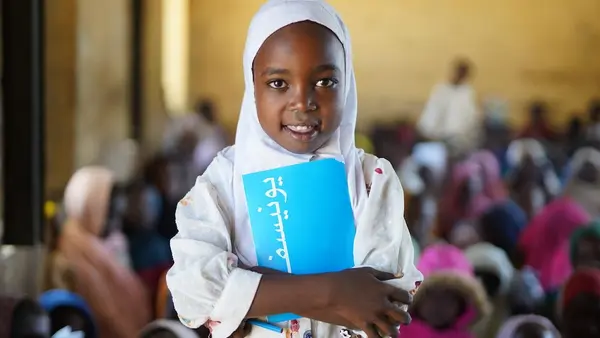
UNICEF and partners have been working hard across Jamaica and 11 other countries and territories in the Eastern Caribbean region to ensure all early childhood development centers and primary and secondary schools provide quality, inclusive education. Support is provided to teachers and parents as well as students.
As a partner in the GIGA initiative, UNICEF is also helping to bridge the digital divide by improving internet connectivity and Wi-Fi access in schools, while training teachers in the use of digital learning resources.
UNICEF is also championing the Caribbean Safe Schools Initiative (CSSI), through which schools are assessed and recognized for implementing safety measures. UNICEF helps schools adopt child-centered disaster risk reduction plans and is supporting efforts to integrate climate issues into mainstream curricula.
In emergencies, UNICEF works with partners to conduct a rapid assessment of schools affected; help provide temporary learning spaces and learning materials if needed; and to ensure students have access to mental health and psychosocial support. UNICEF's Hurricane Melissa response efforts included helping to provide psychosocial support to children and adolescents through chat and tele-mental health services.
Related: 6 Ways UNICEF Supports Youth Mental Health
Protecting every child's right to grow up free from violence
Preventing and responding to all forms of violence against children is another major priority for UNICEF Jamaica.
The most common form of violence that children are exposed to is violent discipline inflicted by parents and caregivers at home. Corporal punishment is not yet legally prohibited in the country. Other forms of violence suffered by adolescents and youth include gang violence, sexual violence and bullying (both physically and online).
UNICEF works with partners to strengthen Jamaica's child protection system. Efforts include improving access to violence prevention and response services, while ensuring those services are inclusive and gender-responsive; strengthening reporting and referral mechanisms for children at risk and child victims of violence; building capacities and quality assurance systems; and working in communities to change social norms in favor of non-violent practices, by rolling out gender-responsive parenting skills programs.
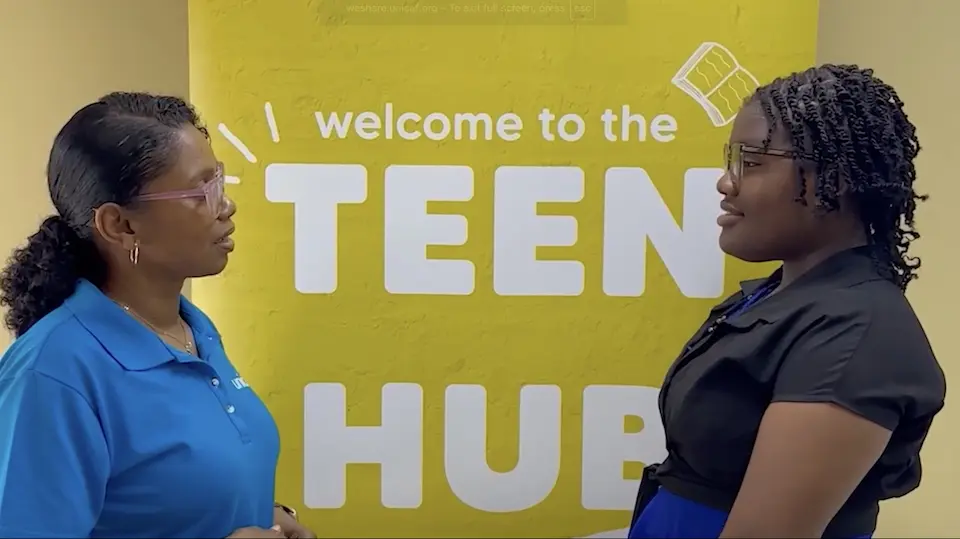
Educating, Protecting Girls
Another key focus area for UNICEF in Jamaica, as well as other Eastern Caribbean island nations: supporting adolescent girls' physical and mental health, helping them stay in school longer and helping them avoid early marriage and child labor.
UNICEF supports a number of Teen Hubs in Jamaica where adolescent girls can get together in a safe space and access health and social services, including mental health support, nutrition information, life skills and vocational training and mentorship. Maintaining the hubs is a collaborative effort between UNICEF Jamaica, the Ministry of Health and Wellness and international partners.
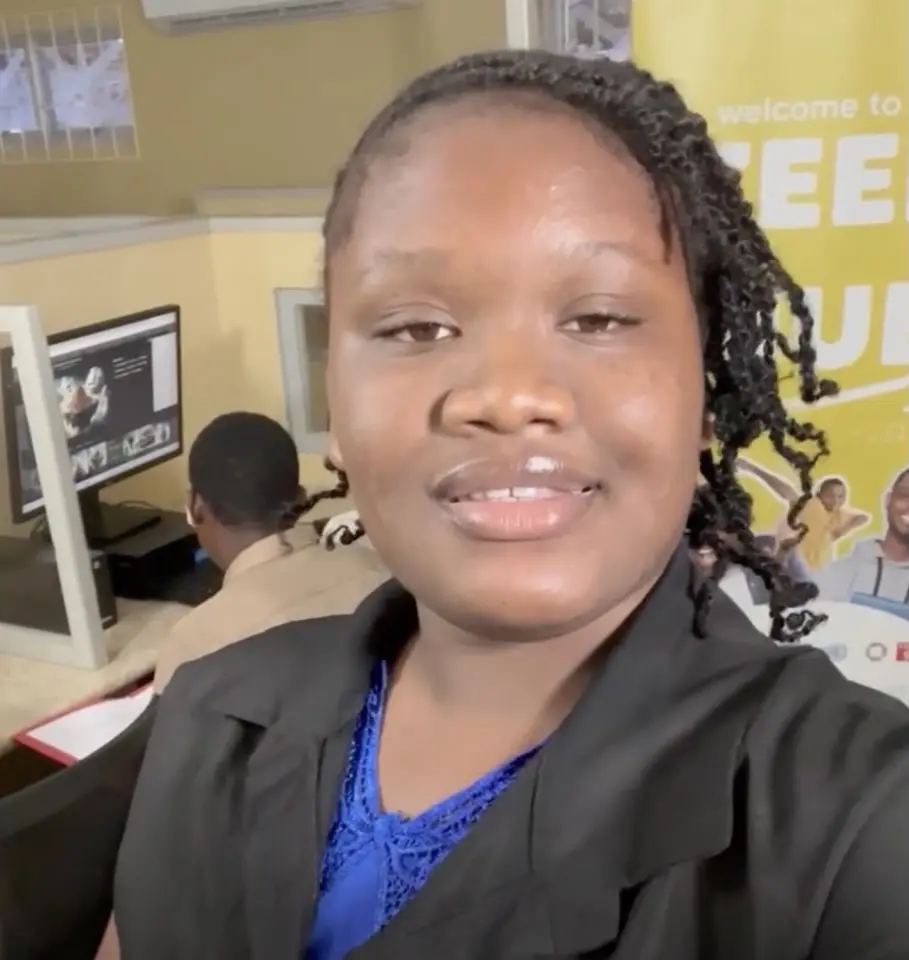
Breanna, 18, calls the UNICEF-supported Teen Hub in St. Thomas her second home. "I really enjoy coming here, because I am being supported by the center manager Auntie Chantal, who provides homework support, a training skills workshop and the best of all, the one that I need the most, emotional support," Breanna says.
Having gained confidence and inspiration from the sessions, Breanna is now a peer educator, sharing information about human rights, sexual and reproductive health and gender-based violence.
"In Saint Thomas, many adolescent girls grow up facing challenges," UNICEF Jamaica Nutrition Officer Vonetta Nurse says. "High rates of poverty dims hope and possibilities. Family violence can leave invisible scars, and adolescent pregnancy also closes doors even before they're opened... [T]he Teen Hub gives adolescent girls all tools that are critical to their ability to survive and thrive. This is an avenue for empowerment, hope and healing."
Keep up with UNICEF's activities in Jamaica