Back to Learning in Nigeria After Devastating Floods
As Nigeria looks to rebuild after catastrophic flooding, an innovative program delivered by UNICEF with funding from Education Cannot Wait is getting internally displaced children back into the classroom.
Funding from Education Cannot Wait fuels UNICEF's innovative learning programs for students caught in emergencies
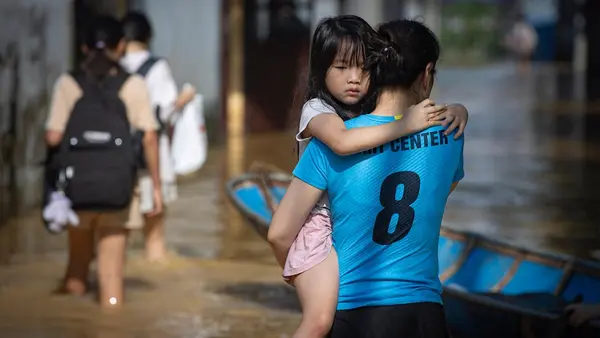
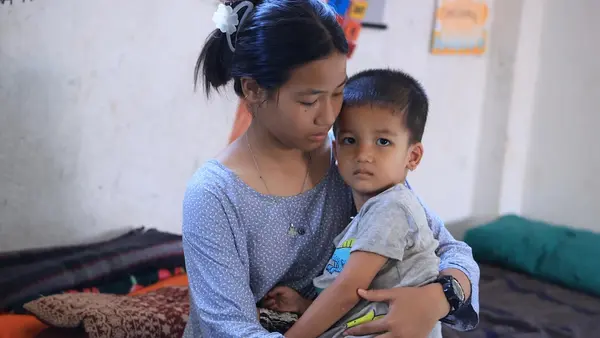
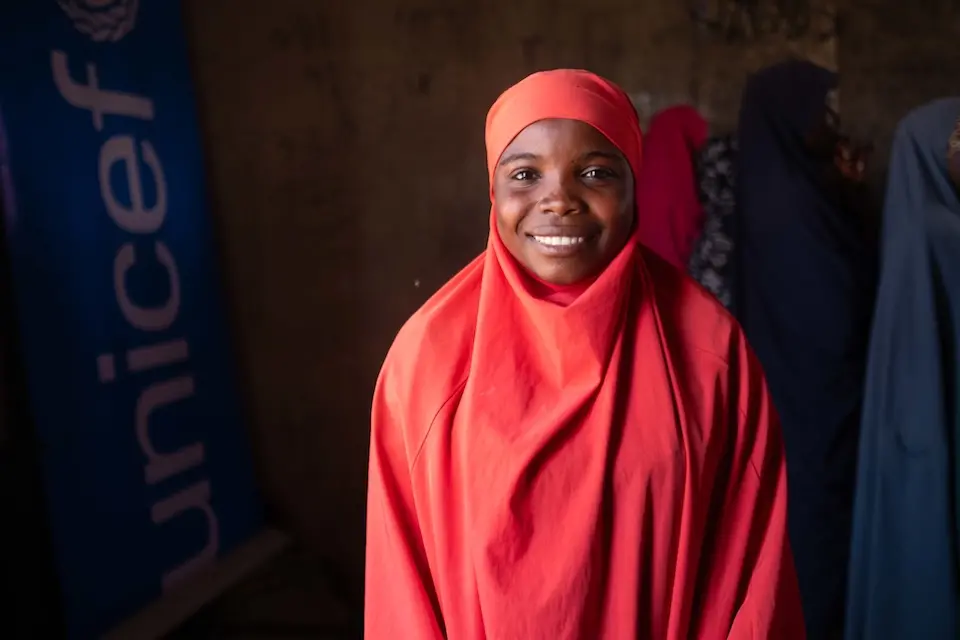
Fatima, 15, lost her school uniform, her bag and even her shoes in the floods that ripped through Maiduguri, Borno State, Nigeria, last September. Her life and her future washed away in a disaster that displaced millions across northeastern Nigeria.
With support from a UNICEF-delivered program, Fatima has returned to the classroom, along with 10,000 other girls and boys like her who were impacted by the floods. Even more learners will benefit from the supports of a Multi-Year Resilience Program delivered by UNICEF and a consortium of partners with funding from Education Cannot Wait (ECW), the global fund for education in emergencies and protracted crises hosted by UNICEF.
We cannot fail the children who are maimed and abducted, nor girls forced into child marriage and subjected to sexual violence. We can change all that by financing both protection and recovery through a holistic quality education. — Yasmin Sherif, Executive Director of Education Cannot Wait
In all, approximately 18 million children are out of school in Nigeria. In the North East — where years of armed insurgency by Boko Haram and other terrorist splinter groups have caused widespread devastation — the challenges are even more pronounced.
“North East Nigeria has suffered for far too long," says Yasmine Sherif, Executive Director of Education Cannot Wait. "We cannot fail the children who are maimed and abducted, nor girls forced into child marriage and subjected to sexual violence. We can change all that by financing both protection and recovery through a holistic quality education. The international community needs to scale up funding in response to the massive education crisis in Nigeria.”
Learn more about how UNICEF helps children in Nigeria
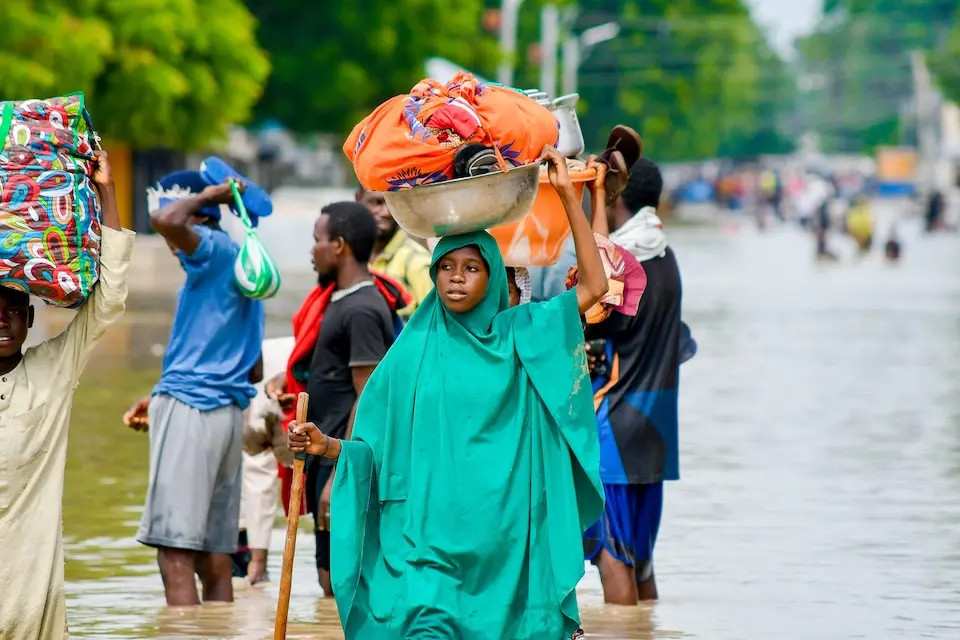
Before the floods, Fatima attended the Iman Secondary School in Maiduguri. She lived a normal life, attending to her classes, helping out with household chores and spending time with her friends and family. Then came the floodwaters, destroying her home and collapsing her school.
Now she attends informal classes in the Gubio IDP Camp: far from home, far from her old friends and far from hope.
“There was nothing left of our belongings," Fatima says. "My father moved us here because there was nowhere else to go. I really missed school. People are helping us here, but I would love it if we could get support to return to our house.”
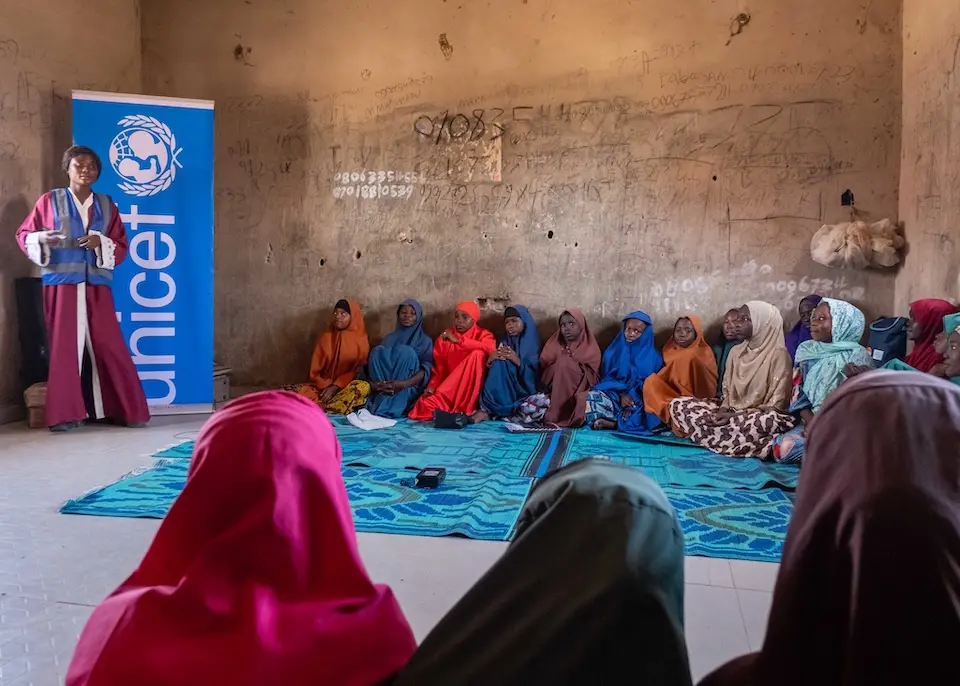
Volunteer teachers and radio learning classes help displaced students resume their studies
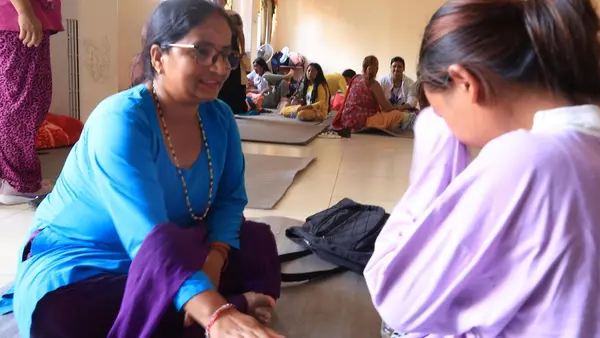
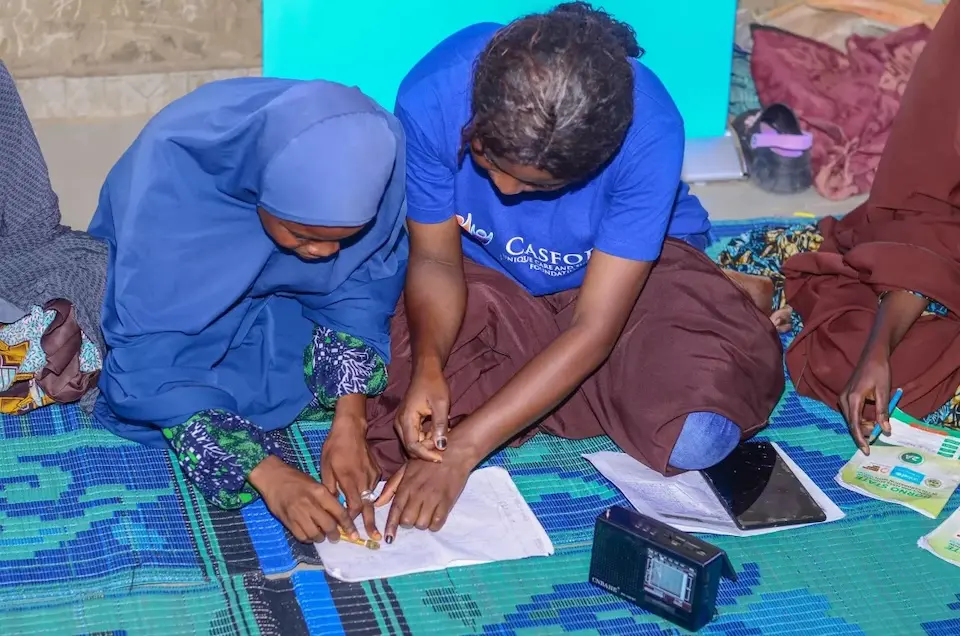
Fatima is making friends in the camp, and radio learning classes — provided by UNICEF in collaboration with the Borno State Government and the Unique Care and Support Foundation — are helping her continue her studies.
“The subjects available through radio learning are mathematics, English language and basic science," Fatima says. "My favorite subject is basic science because I want to become a medical doctor.”
My favorite subject is basic science because I want to become a medical doctor. — Fatima, 15
To ensure holistic education supports for the girls and boys who lost everything in the floods, UNICEF is also providing dignity kits, writing materials and other learning supplies. In all, more than 100 volunteer teachers have been recruited to support the children in continuing their studies and finding new hope in their world turned upside-down.
“On my first day in the class, I was pleasantly surprised," says Fatima. "I had never taken a radio learning class before. We learned about the skeletal system, and I found it interesting."
Supporting access to education for children with disabilities
ECW investments in Nigeria have reached close to 600,000 children with quality education supports. This includes more than 125,000 IDPs, 440,000 host community children and thousands of refugees and children with disabilities. The work is delivered through a consortium approach to resources and partners.
I lost my wheelchair and my school uniform in the floods, and we eventually ended up in Gubio [IDP] Camp. My dream is to become a lawyer when I finish school. — Hauwa, 16
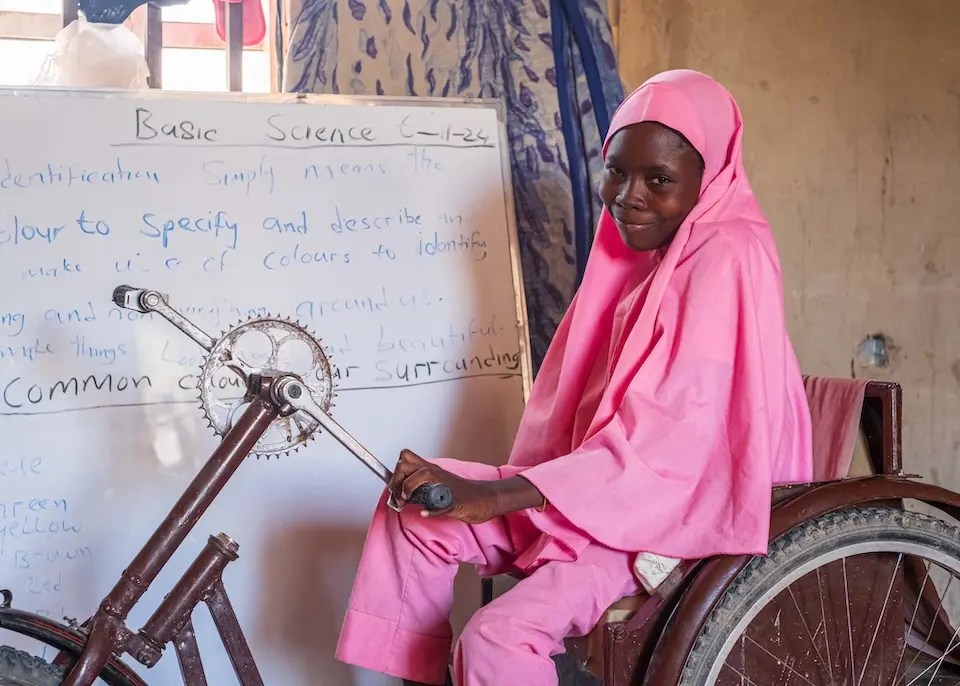
Sixteen-year-old Hauwa has a disability that confined her to a wheelchair. The program not only got her back to learning, it also provided her with a new set of wheels so she can get to classes in the informal learning center.
“I am living with a disability," Hauwa says. "I lost my wheelchair and my school uniform in the floods, and we eventually ended up in Gubio Camp. My dream is to become a lawyer when I finish school.”
Being out of school puts children at heightened risk of child labor and child marriage
Nearly a quarter of a billion children had their schooling disrupted by extreme climate events including heat waves, cyclones, floods and storms in 2024. In fragile contexts, prolonged school closures make it less likely that students will be able to return to the classroom and place them at heightened risk of child marriage and child labor. Evidence shows that girls are often disproportionately affected, facing increased risks of dropping out of school and gender-based violence during and after disasters.
To address these challenges, ECW is scaling up its climate investments worldwide. This is a global investment in climate resilience, disaster risk reduction and climate change adaptation. Perhaps most importantly, it’s a global investment in providing children a lifeline in a world torn apart by conflict, climate change and other protracted crises.
Learn more about how UNICEF supports every child's right to a quality education.
Right now, the lives of the most vulnerable children hang in the balance as conflicts and crises jeopardize the care and protection that they deserve. Dependable, uninterrupted and effective foreign aid is critical to the well-being of millions of children. Please contact your members of Congress and urge them to support ongoing U.S. investments in foreign assistance.
HOW TO HELP
There are many ways to make a difference
War, famine, poverty, natural disasters — threats to the world's children keep coming. But UNICEF won't stop working to keep children healthy and safe.
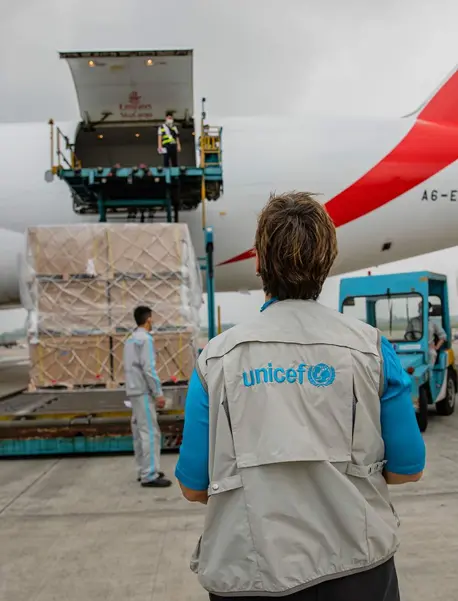
UNICEF works in over 190 countries and territories — more places than any other children's organization. UNICEF has the world's largest humanitarian warehouse and, when disaster strikes, can get supplies almost anywhere within 72 hours. Constantly innovating, always advocating for a better world for children, UNICEF works to ensure that every child can grow up healthy, educated, protected and respected.
Would you like to help give all children the opportunity to reach their full potential? There are many ways to get involved.