What Does Natural Disaster Relief Look Like?
Natural disasters are occurring at an unprecedented rate worldwide. Climate change continues to wreak havoc, increasing the frequency and intensity of hurricanes, heat waves and other weather-related emergencies. When a crisis hits, UNICEF is there — before, during and after — to support government-led relief efforts. Learn about UNICEF USA's role in UNICEF’s natural disaster relief efforts around the world, delivering support to children who need it most.
How UNICEF USA supports UNICEF emergency response
As a UNICEF National Committee, UNICEF USA secures crucial financial support and government funding for UNICEF — while also educating the American public and rallying their support for children. Through this work, UNICEF USA helps facilitate UNICEF disaster relief efforts, providing support that helps keep operations moving swiftly and efficiently and that prioritize the health and well-being of children.
Learn more about UNICEF emergency response
What is disaster relief?
Disaster relief is emergency aid provided in response to natural disasters, conflicts, disease outbreaks and other crises alongside partners that include governments, local organizations and other UN agencies.
The assistance may include:
- providing shelter and safe spaces for children and families
- ensuring access to nutrition
- restoring access to clean, safe water
- providing medical care, hygiene kits and other vital supplies
- identifying unaccompanied and separated children and helping to reunite them with caregivers
- humanitarian cash transfers to mitigate economic impacts on vulnerable households and support their recovery
A UNICEF natural disaster response also includes helping communities recover, rebuild and become more resilient to future shocks.
Learn more about how climate change is impacting children's health
Fundraising and resource mobilization
When a natural disaster strikes, UNICEF USA jumps into action to rally support from individuals, businesses, civil society organizations and other private sector partners. Sometimes there are specific appeals for donations to support UNICEF's response to an earthquake, hurricane, typhoon, flood or other disaster. These appeals are designed to raise immediate awareness, convey the urgency of the situation and inspire giving.
When a donation is made to UNICEF USA, 86 cents of every dollar goes directly to support children. Flexible funding — supported through unrestricted giving — is the most impactful, enabling UNICEF to respond faster and more efficiently, deploying resources wherever and whenever they are needed most.
Unrestricted funds also support UNICEF responses to ongoing conflicts and other chronic crises affecting children — emergencies that do not receive sustained news coverage and may otherwise be overlooked, and underfunded.
UNICEF USA retains complete control over the use of donated funds in furtherance of its mission and purpose, and may direct some or all of a donation to a specific UNICEF program, like disaster operations.
Frequently Asked Questions about UNICEF USA
Donor confidence, transparency and accountability
In times of crisis, donors want to ensure their financial support is making the greatest impact possible. When supporting UNICEF USA, donors can rest easy knowing their money is making a difference for children.
The effectiveness and results of UNICEF’s programs are always publicly available through annual reports, financial statements and regular evaluations accessible online. UNICEF USA has earned top marks from watchdog organizations such as GuideStar and Charity Navigator, reflecting its dedication to transparency and accountability.
UNICEF USA is a highly efficient charity, as defined by these trusted independent monitors. For every dollar spent, 84 cents goes directly to programs helping children; 16 cents is invested on the fundraising and operational support needed to deliver that impact.
Review recent tax forms on UNICEF USA's finances page
UNICEF has helped save and meaningfully improve more children’s lives than any other humanitarian organization. And UNICEF won't stop until every child is healthy, educated, protected and respected.
Advocacy and awareness in the United States
UNICEF USA’s Public Affairs team, based in Washington, D.C., speaks on behalf of children regarding current advocacy campaigns from a nonpartisan position. These advocates work to urge decision makers in government and other sectors to adopt policies and implement budgets that support and empower children, both in the United States and around the world.
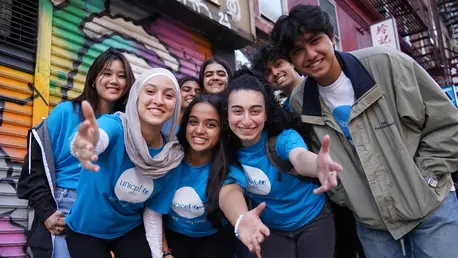
Another large part of UNICEF USA’s work is engaging the American public and raising awareness of global crises. Through social media and digital platforms, events and programs such as Trick-or-Treat for UNICEF, UNICEF USA helps educate the public and policymakers on the importance of children's rights, including their right to safe water, healthy food, a clean and safe environment and an education.
Learn more about how UNICEF works to safeguard children's rights
Recent examples of UNICEF natural disaster responses
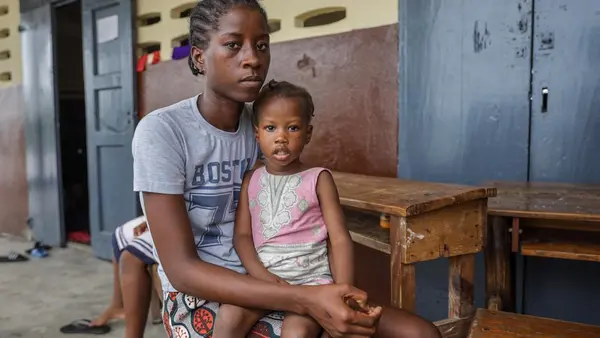
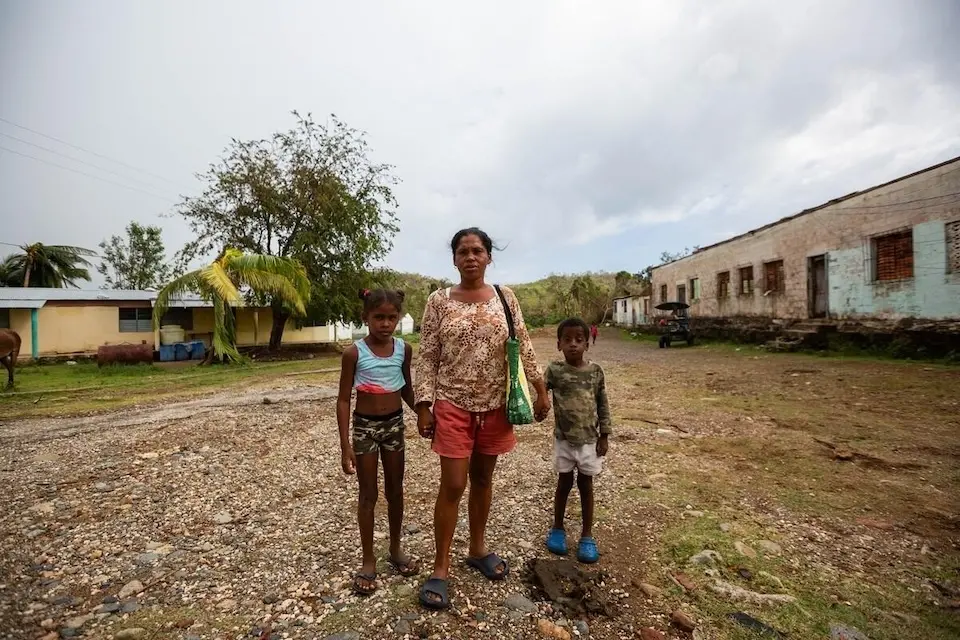
When Hurricane Melissa — a Category 5 storm with sustained winds of 185 mph — made landfall in Jamaica on October 28, 2025, it became the most powerful hurricane to hit the country since 1988. Melissa also swept through Cuba, Haiti and the Dominican Republic, impacting the lives of more than 700,000 children.
UNICEF immediately began distributing pre-positioned essential supplies — nutrition, water, medicines and emergency hygiene kits — and launched needs assessments and response planning with partners.
In Jamaica, UNICEF allocated $1 million to support an immediate emergency response, helping the government reach more than 284,000 children with nutrition support, access to safe water, sanitation and hygiene (WASH) and mental health support.
In Cuba, UNICEF delivered emergency supplies including 1,300 hygiene kits, recreation kits, school supply kits, early childhood kits and more. In Haiti, UNICEF provided 7,500 vulnerable households with humanitarian cash transfers. In the Dominican Republic, UNICEF delivered 750 hygiene kits to children in the most affected communities.
Floods
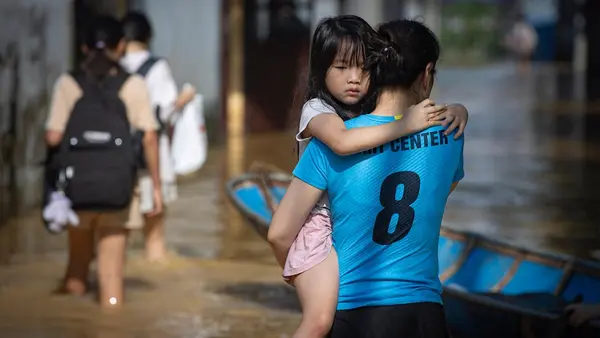
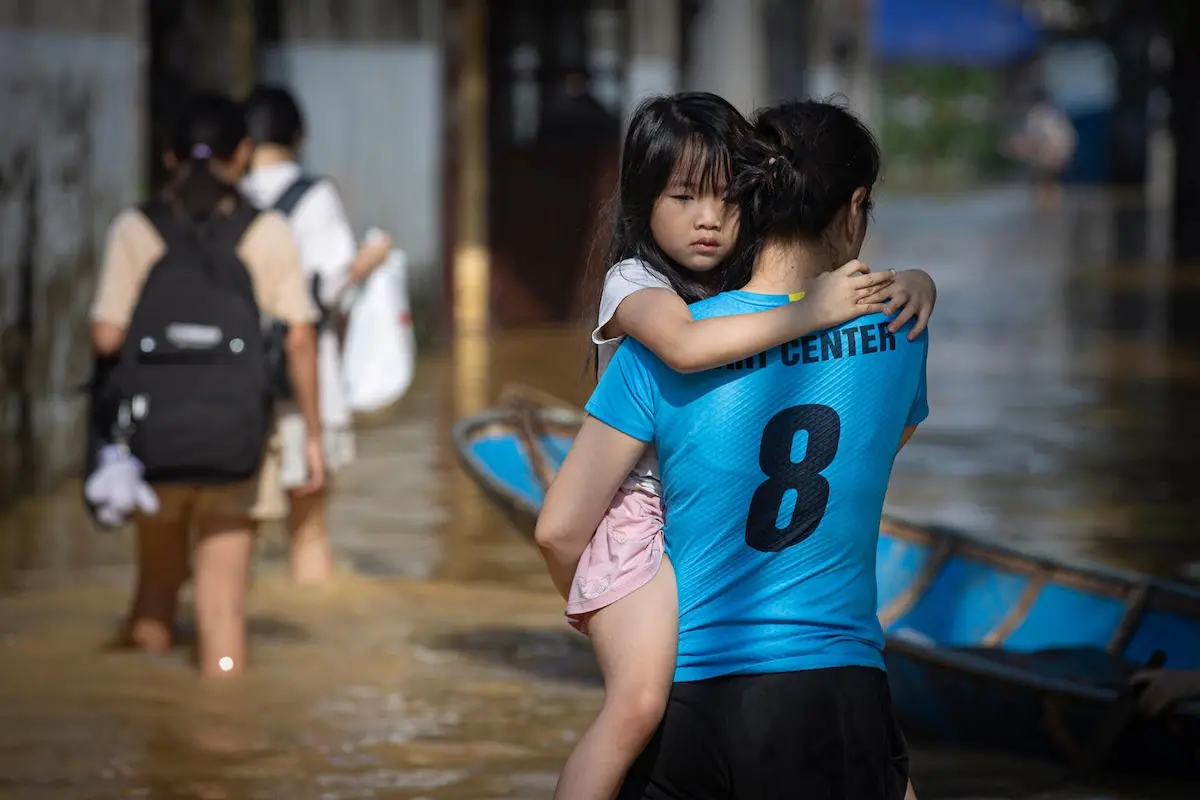
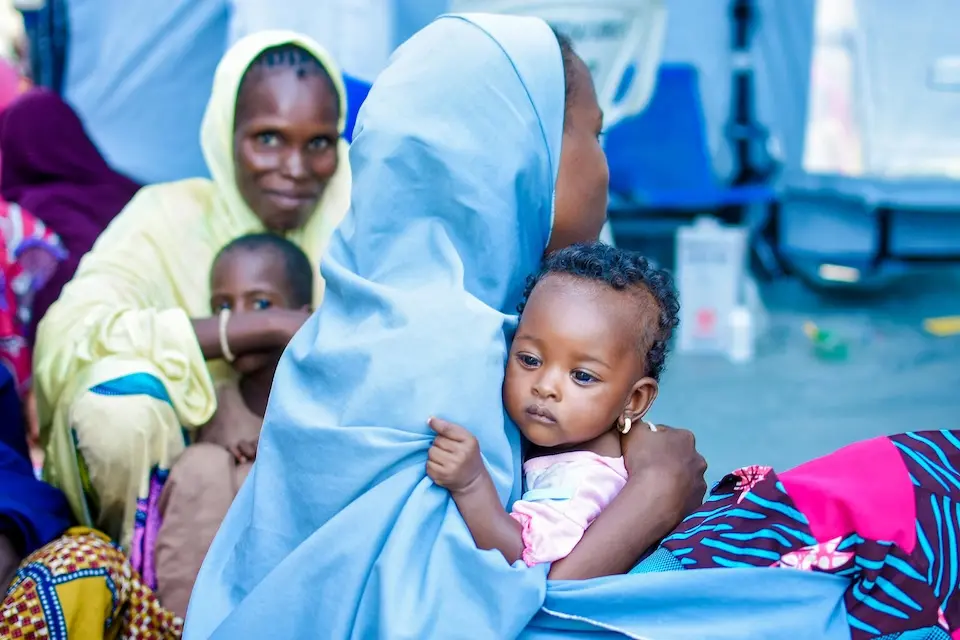
Destructive flooding poses a very high risk to the some 500 million children who live in flood zones around the world — especially as sea levels rise, and extreme weather events keep occurring. In times of need, UNICEF USA drives fundraising for flood emergencies, supporting UNICEF’s flood relief logistics.
In September 2024, a dam burst in northeast Nigeria, resulting in massive flooding, especially in Maiduguri, where 40 percent of the town was flooded. Nigeria had already been dealing with severe flooding throughout the year, affecting an estimated 900,000 people.
UNICEF rapidly deployed pre-positioned health and WASH (water, sanitation and hygiene) supplies to flood-hit areas in the country and worked with local authorities to register 5,000 households for emergency cash distributions.
In the months that followed, UNICEF and partners implemented a program that helped 10,000 students return to school, and more than 100 volunteer teachers were recruited to help children continue their studies. UNICEF also provided children affected by the floods with dignity kits, writing materials and other learning supplies.
Earthquakes
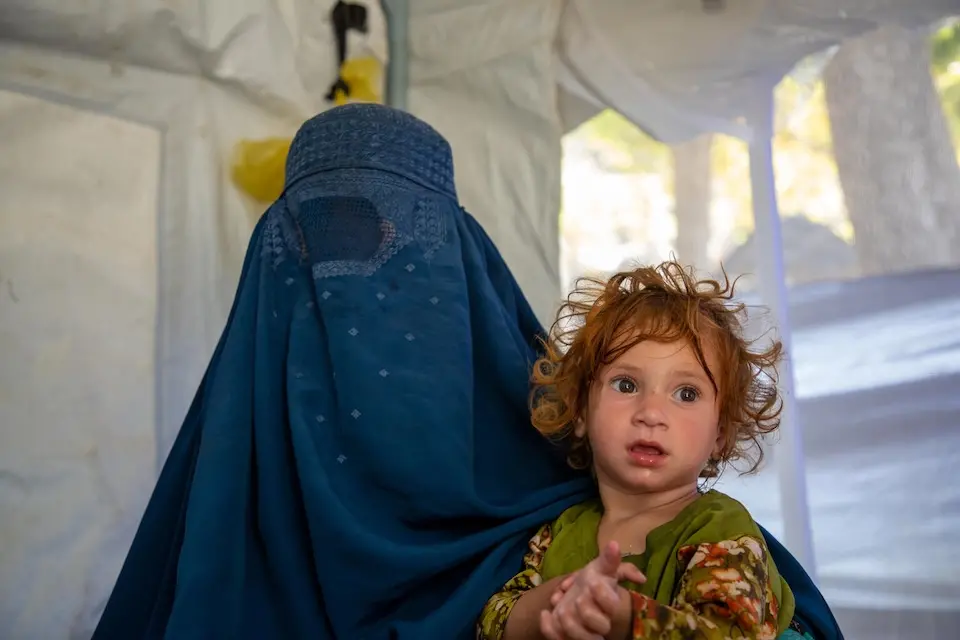
When a powerful earthquake strikes, displacing families, children are left traumatized and vulnerable. Access to safe water, food, shelter, health services and schools can become difficult or impossible. When an earthquake catastrophe occurs in one of the 160 countries where UNICEF works, UNICEF USA will act to raise awareness and funds to support earthquake relief and recovery efforts.
When a 6.0-magnitude earthquake rocked Afghanistan on Aug. 31, 2025, claiming the lives of more than 1,172 children (more than half of the total death toll), destroying entire villages and disrupting the lives of half a million people, UNICEF delivered emergency supplies within 72 hours, along with urgent health, nutrition, protection and WASH support.
With affected regions among the most remote in Afghanistan, with deeply rooted cultural norms that restrict the mobility of women and girls, UNICEF prioritized the deployment of female health workers and social service providers to ensure safe and equitable access for women and girls.
Over 25 UNICEF-supported health facilities provided critical services to children and families affected by the earthquake, treating more than 2,850 trauma cases and conducting 304 major surgeries in the first week alone.
Extreme heat
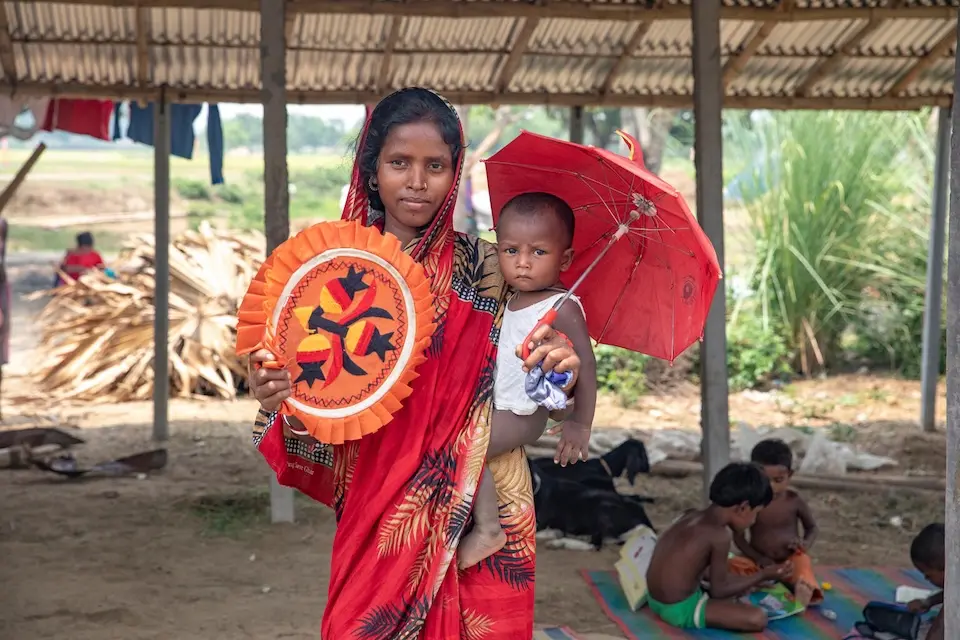
Globally, 1 in 4 children are exposed to frequent heat waves increasing risks to their health and overall well-being. UNICEF works with partners to mitigate the effects of extreme temperatures on children's health and well-being, and help countries adapt.
In Bangladesh, heat waves have caused widespread school closures, disrupting schooling for 30 million children across the country. UNICEF is providing technical support to the government to help advance adaptation measures, which include integrating climate change education into school curricula to foster a generation that is better equipped to tackle environmental challenges. UNICEF also helped Bangladesh set new guidelines for protecting children and pregnant women from heat stress.
Take Action: Support what UNICEF USA enables
Through fundraising, advocacy and accountability, UNICEF USA makes it possible for UNICEF to lead natural disaster relief globally.
And UNICEF USA’s natural disaster response will evolves over time, as needs evolve. There are urgent appeals when a disaster first strikes; sustained campaigns over many months or years to support recovery and resilience efforts; and there are early efforts to support preparedness and capacity building, when UNICEF USA will rally donors when forecasts warn of disaster ahead.
Every dollar counts, and every dollar can make a difference for a child in need.
Right now, the lives of the most vulnerable children hang in the balance as conflicts and crises jeopardize the care and protection that they deserve. Dependable, uninterrupted and effective foreign aid is critical to the well-being of millions of children. Please contact your members of Congress and urge them to support ongoing U.S. investments in foreign assistance.
HOW TO HELP
There are many ways to make a difference
War, famine, poverty, natural disasters — threats to the world's children keep coming. But UNICEF won't stop working to keep children healthy and safe.
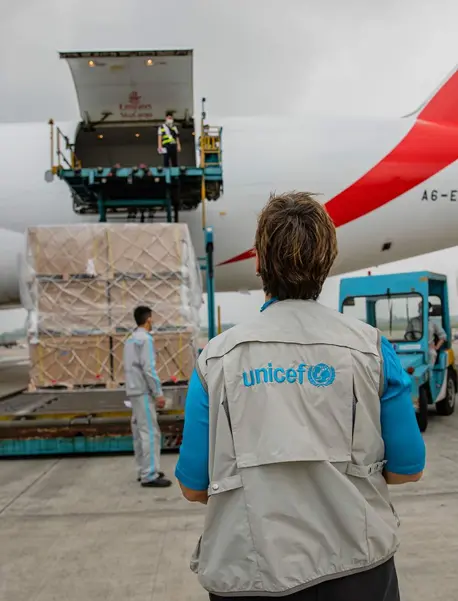
UNICEF works in over 190 countries and territories — more places than any other children's organization. UNICEF has the world's largest humanitarian warehouse and, when disaster strikes, can get supplies almost anywhere within 72 hours. Constantly innovating, always advocating for a better world for children, UNICEF works to ensure that every child can grow up healthy, educated, protected and respected.
Would you like to help give all children the opportunity to reach their full potential? There are many ways to get involved.