Shelter From the Storm for Children in Mali
UNICEF is delivering life-changing investments in children's futures in Mali, with funding from Education Cannot Wait (ECW), the global fund for education in emergencies and protracted crises.
Support children globally
Years of conflict, chronic poverty and climate shocks have made Mali a hard place to be a child — and for girls, the challenges are even greater
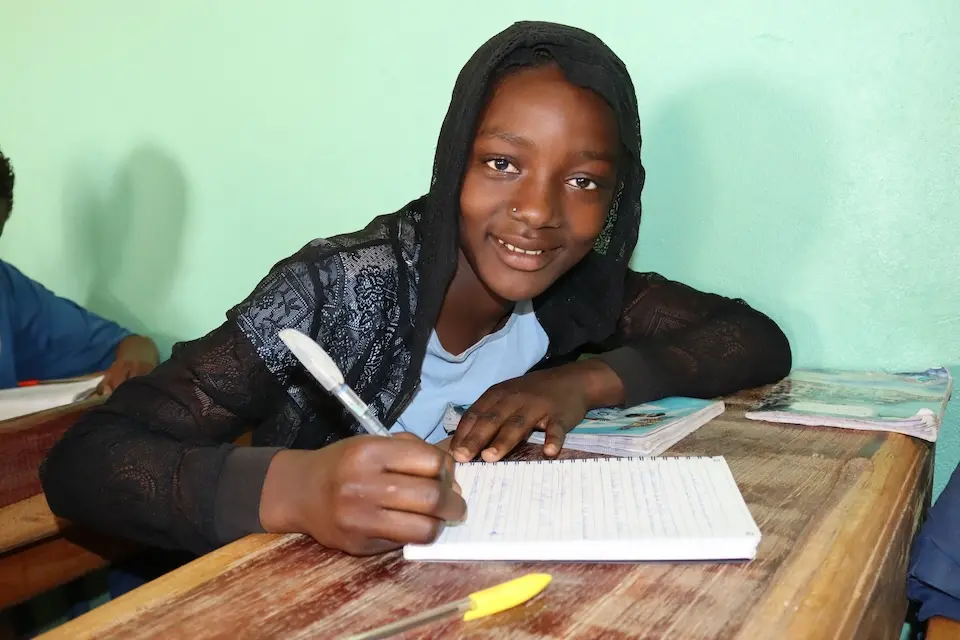
Twelve-year-old Aichatou lives in one of the most challenging parts of Mali, the Gao region, where conflicts, large-scale displacements, severe food insecurity, climate shocks and widespread human rights violations are commonplace. Without basic services such as education, girls like Aichatou are vulnerable to violence, exploitation, child marriage and other grave violations.
Even there, in the heart of the storm, Aichatou clings to her dreams of a better life, security and an education.
UNICEF and Education Cannot Wait build schools and train teachers
“Before, we studied in poor conditions and it was very difficult to follow the lessons,” says Aichatou. To address these issues, Education Cannot Wait (ECW), the global fund for education in emergencies and protracted crises hosted by UNICEF, has invested $51.6 million in Mali since 2019.
Through an ECW Multi-Year Resilience Program — delivered by UNICEF in collaboration with the Ministry of Education and the Education Cluster — new schools have been built and teachers have received training. Through thematic funds, UNICEF is also setting up facilities to provide safe water for drinking and handwashing.
Related: Youth Learn Fundamentals of Disaster Risk Protection in Mali
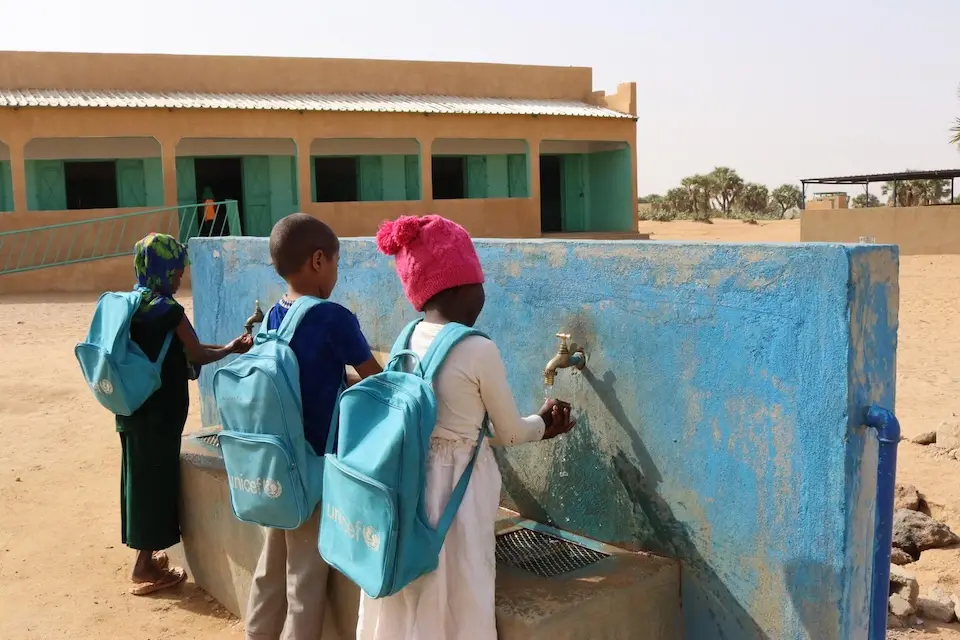
New classrooms provide shelter and a safe space to learn and grow
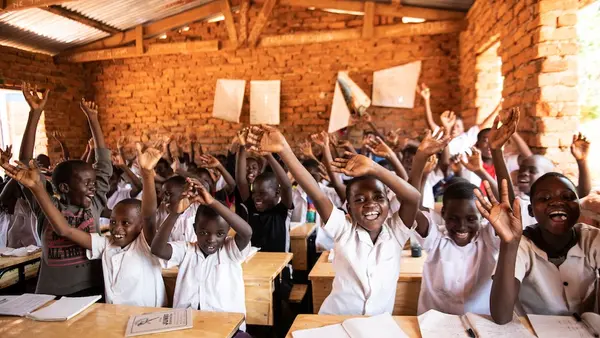
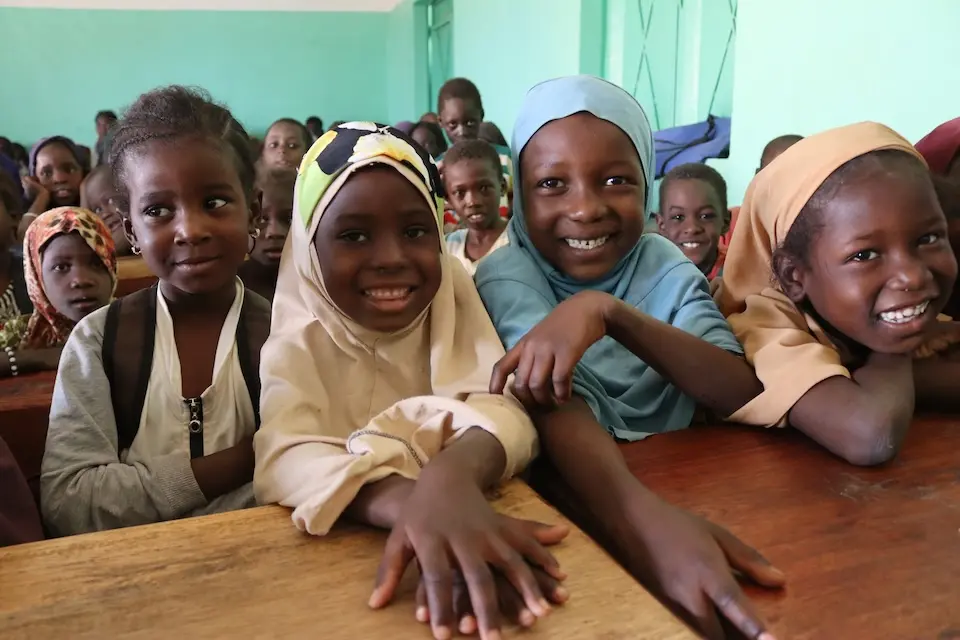
At Kongo Gamo School, where Aichatou is a student, UNICEF built three new classrooms that offer shelter from the sun, sand and wind. The new facilities also include a safe drinking water station that improves students’ hygiene, nutrition and health.
“Today, thanks to the new classrooms, we have new benches and school kits. This encourages us to attend classes and achieve better results," says Aichatou. "I’m happy to come to school every day. We're well-protected from the sun and wind. My classmates and I will keep the school clean for our younger brothers and sisters."
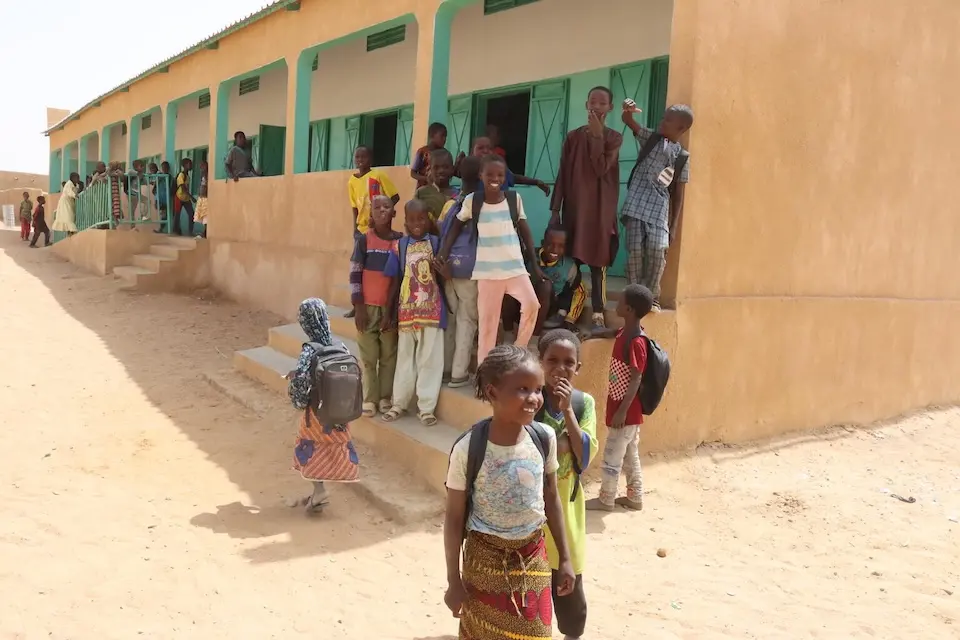
Connecting international investment with local action creates real impact for children
In Mali, more than 2 million girls and boys are out of school. Even when they are enrolled in school, the quality of education is often lacking. In fact, more than half of Mali’s young people between the ages of 15 and 24 are illiterate. Very few children will attend high school. While about 73 percent of girls are enrolled in primary education nationwide, only 32.6 percent will make it into secondary school, according to CPS Education Rapport Des Indicateurs 2023. Outcomes for boys are only slightly better: 33.2 percent.
The ECW-funded program is connecting international investment with local action to provide real impact for the people of Mali. Community outreach efforts have resulted in a huge spike in school attendance at the Kongo Gamo School. Before the classrooms were built, total enrollment was 393 students. With the new classrooms, the total enrollment has increased by 32 percent from 393 to 518, with 251 girls and 267 boys, for the 2024–2025 school year.
ECW investments in Mali have reached more than 490,000 children since 2019
Between 2019 and 2024, ECW investments in Mali reached more than 490,000 children, over half of whom are girls. Through these investments, 1,700 classrooms have been built or rehabilitated, over 8,000 teachers have received training and 15,000 children have received access to healthy school meals.
"[This investment] has brought new life and hope to the children of Gao. Half of our students are internally displaced and have integrated well," says School Director Youssoufa Abdourhamane.
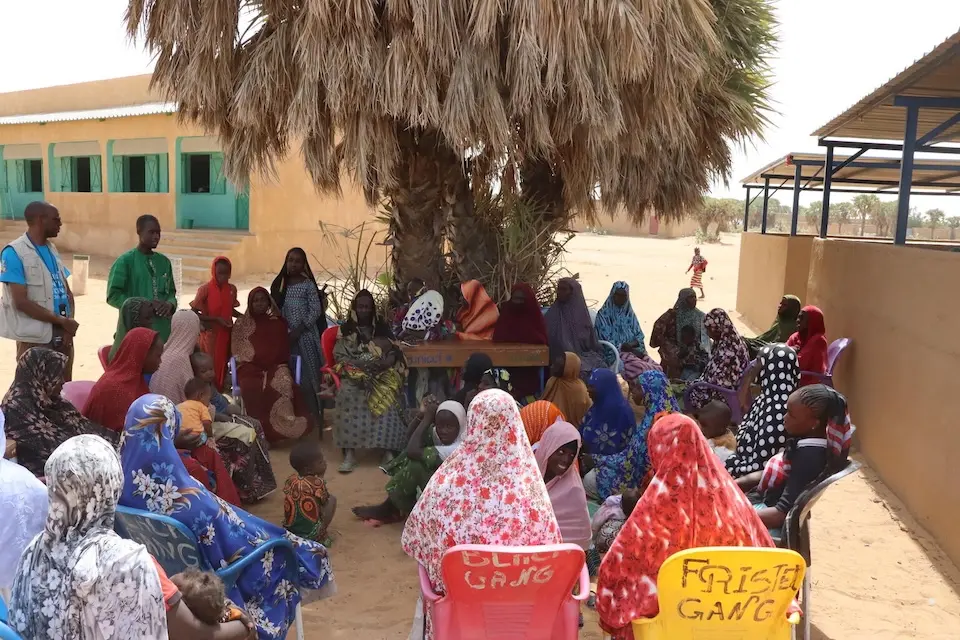
Local school management committees have a stake in the success of their young learners
It takes a village to raise a child, and the entire community is involved. Volunteers from the local school management committees cook nutritious meals, local craftsmen and local materials were hired to build the new classrooms, and parents and community members are key in guiding the school's progress.
The involvement of these committees has significantly increased attendance rates, especially for girls. The children are also learning about the environment and doing their part to protect the planet from the clear and present risks of climate change.
“I water the plants every day at school to set a good example for my classmates and, together, we're raising awareness among the younger ones to take action in the fight against climate change,” says Hamchatou, 12.
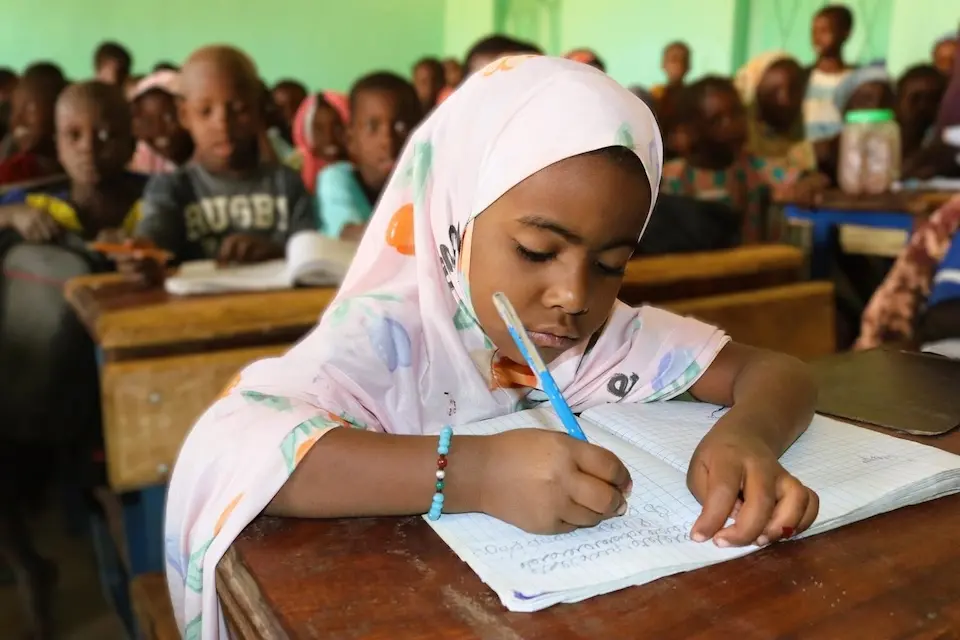
The end goal is simple. Create quality and protective learning environments, so the children of Mali can learn to dream again.
“I’m happy to be in a clean classroom,” says 7-year-old Aminatou, a first-grade student at the Kongo Gamo School. “I’m going to study hard to become a good citizen and a teacher, like my mum.”
Right now, the lives of the most vulnerable children hang in the balance as conflicts and crises jeopardize the care and protection that they deserve. Dependable, uninterrupted and effective foreign aid is critical to the well-being of millions of children. Please contact your members of Congress and urge them to support ongoing U.S. investments in foreign assistance.
HOW TO HELP
There are many ways to make a difference
War, famine, poverty, natural disasters — threats to the world's children keep coming. But UNICEF won't stop working to keep children healthy and safe.
UNICEF works in over 190 countries and territories — more places than any other children's organization. UNICEF has the world's largest humanitarian warehouse and, when disaster strikes, can get supplies almost anywhere within 72 hours. Constantly innovating, always advocating for a better world for children, UNICEF works to ensure that every child can grow up healthy, educated, protected and respected.
Would you like to help give all children the opportunity to reach their full potential? There are many ways to get involved.