What Is UNGA? Understanding the UN General Assembly and UNICEF's Role
Highlights
- The United Nations General Assembly (UNGA) draws representatives from all 193 UN member states and others to discuss urgent global challenges. Policy discussions and other side events draw a diverse group of participants from both the public and private sectors.
- For UNICEF, UNGA is an opportunity to advocate for children — a chance to reinforce the importance of safeguarding children's rights, including the right to protection in conflicts and other emergencies.
- Individuals can help support children around the world by sharing information, advocating to government leaders and donating to help fund UNICEF’s global work.
Each September, UNGA brings together world leaders to discuss major global challenges, set priorities and advance collective action. For UNICEF, it's an opportunity to advocate for children.
What is UNGA?
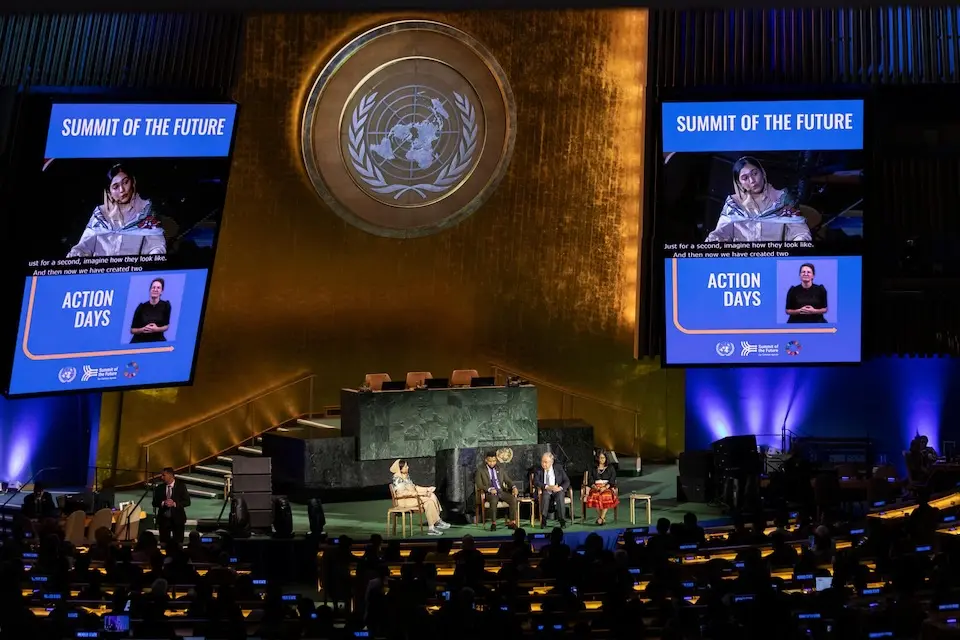
UNGA stands for the United Nations General Assembly, the UN's main policymaking and representative body. A new session begins every year in early September, with members and observers convening at UN headquarters in New York City to discuss global challenges and plan for collective action.
Some use the term UNGA ("UNG-guh") to refer to the session's High-level Week, a weeklong period of peak activity and attendance in late September.
The 81st session of UNGA opened on Sept. 8, 2026, with Khalilur Rahman, Minister of Foreign Affairs of Bangladesh, presiding. Key moments planned during High-level Week 2026, which begins Sept. 18, will focus on:
- action and progress toward the Sustainable Development Goals — just 36 percent of which are on track or making moderate progress toward their targets
- climate action and a just transition to renewable energy
- pandemic prevention, preparedness and response
- the existential threat posed by sea level rise
Also on this session's docket: naming a successor to UN Secretary-General António Guterres.
For UNICEF, UNGA represents an important opportunity to advocate for children.
Who goes to UNGA?
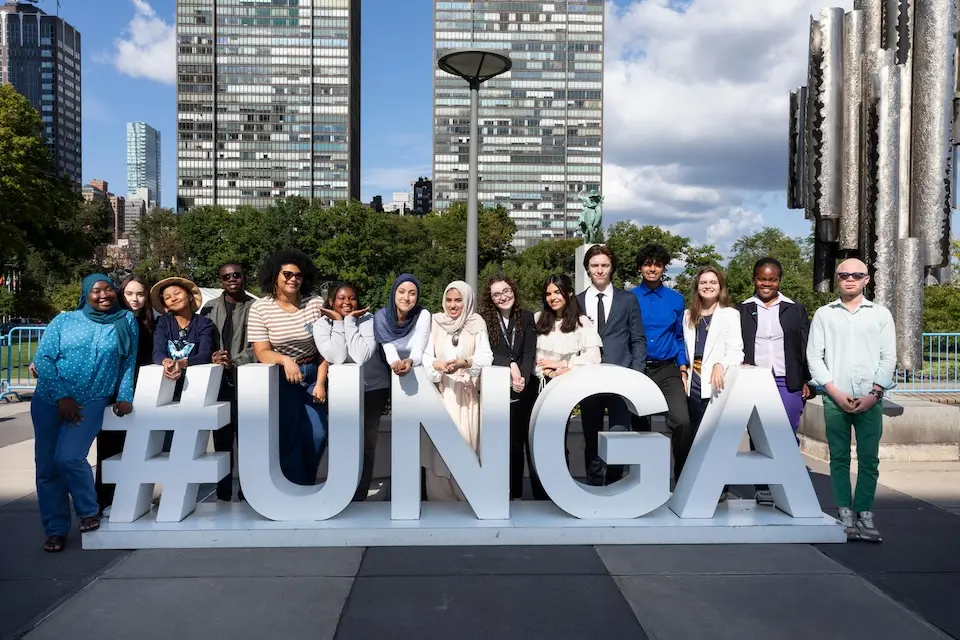
UNGA is one of the largest annual diplomatic gatherings in the world, with peak attendance during High-level Week. Heads of state and government, foreign ministers and diplomats convene for the General Debate in the General Assembly Hall and attend hundreds of other meetings and summits. Thousands of other people representing government, business, non-profits, activist groups, civil society, academia and more also come to New York to participate.
The General Assembly itself includes representatives from 193 member states and two non-member observer states, The Holy See (Vatican City) and State of Palestine. The European Union also participates as an observer organization.
Access to the Assembly Hall is tightly controlled and requires credentials, but the proceedings are ordinarily webcast for public viewing on UN Web TV. The General Debate dates are Sept. 22-26 and 28.
Having so many decision-makers in one place at one time is an opportunity for organizations like UNICEF to provide information on the work they are doing and to advocate across key issues.
How UNICEF advocates for children
What is UNICEF's role at UNGA?
UNICEF's role at UNGA is to bring evidence and experience from its global program work around the world into policy discussions and to urge the international community to prioritize children's rights and needs.
At UNGA and throughout the year, UNICEF advocates for the protection of children from armed conflict, climate-related disasters, famine and other grave threats, and investing in systems and services that secure their health, safety and future well-being.
UNGA's high-level sessions are an important platform for influencing global policy and mobilizing international commitments for children. Support from UN member states is key for UNICEF to maintain and grow its lifesaving work for children around the world.
Advocacy priorities during UNGA 2026 are focused around the need for sustained investment and cooperation to drive long-term progress for children.
UNICEF's message: Building a better future for children is not only the right thing to do. It is the smart thing to do.
What is UNICEF advocating for at UNGA this year?
The advocacy goal for UNICEF at UNGA this year and every year is to keep the spotlight on children and to advocate for action that benefits children's health, nutrition, protection and overall well-being.
Plans include highlighting partnerships with faith-inspired organizations and exploring responsible uses for AI. One key area that UNICEF will be highlighting alongside partners during UNGA 2026: the need to build more resilient health systems for children living with non-communicable diseases.
These and other advocacy priorities are guided by UNICEF's longstanding commitment to ensure that:
Every child survives
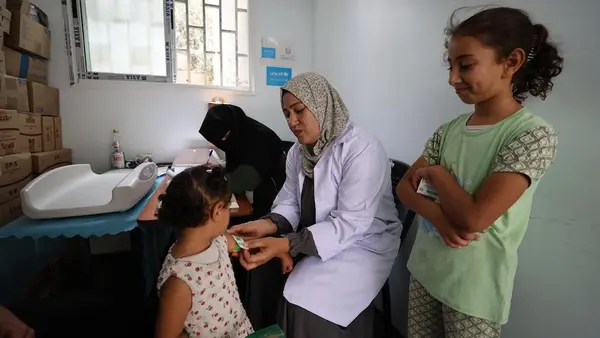
UNICEF consistently urges governments to prioritize children's survival and health, by supporting nutrition and ensuring equitable access to essential health services, including immunization.
Every child is protected
As a champion of children's rights as set forth by the Convention on the Rights of the Child, UNICEF will also be reinforcing the need to protect children before, during and after emergencies, including armed conflicts.
Every child learns
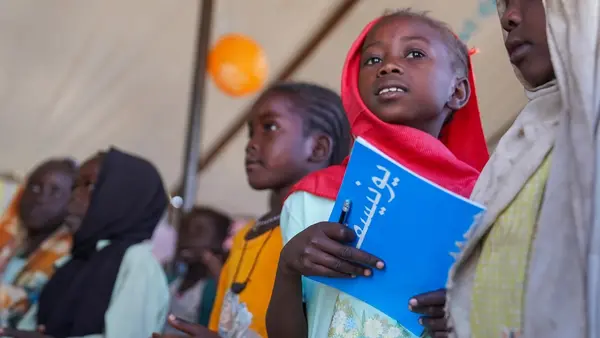
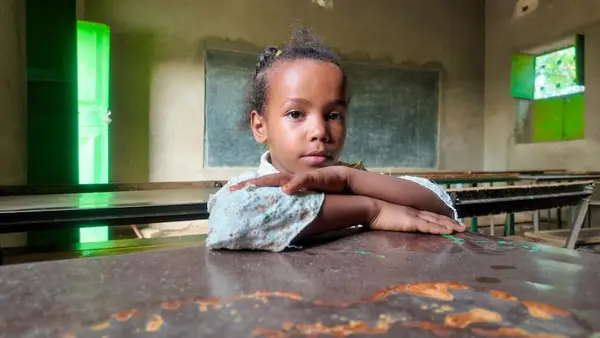
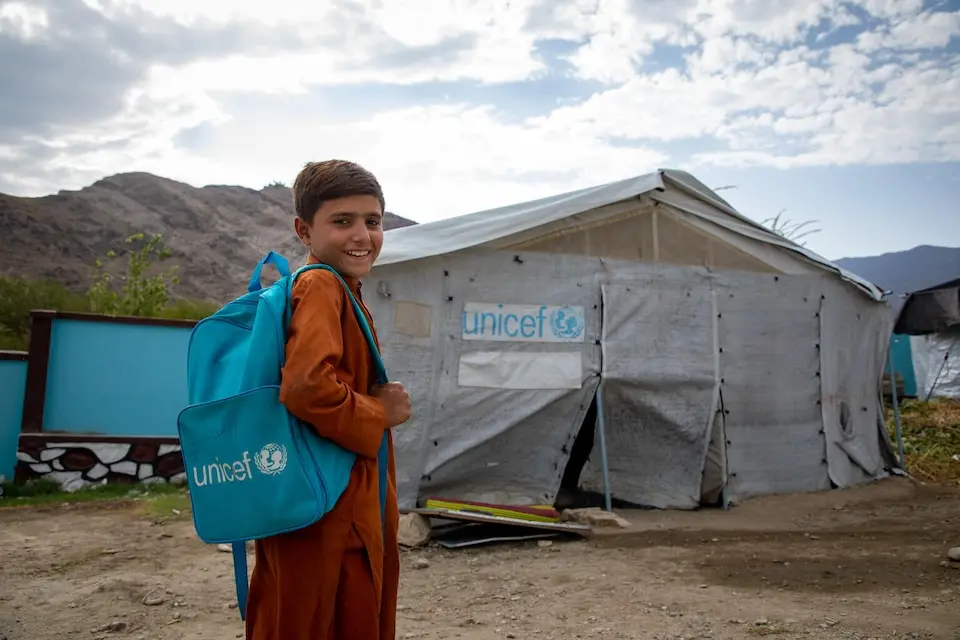
UNICEF will also stress the importance of ensuring every child can access quality education — including during emergencies — and the need for increased and sustained investments that keep children learning.
Why does UNGA matter for children?
Because of the rare access to the full body of member states of the United Nations and dignitaries at the highest level of governments, UNGA gives UNICEF a platform for advocacy that puts children’s needs and rights at the center of global attention.
Commitments made during the UN General Assembly can have a real-world impact on children’s health, safety, education and future. International agreements can lead to action.
How can you take action for children?
Everyone can contribute in their own way to advocating for children, during UNGA and all year long.
Sharing information and educating others about the challenges facing children around the world helps put pressure on world leaders to prioritize efforts to make positive change. American supporters of UNICEF can advocate to U.S. government legislators.
Donations to UNICEF help raise critical funds that enable the organization to keep delivering for children and increase impact on a global scale.
Learn more ways to help support children globally
HOW TO HELP
There are many ways to make a difference
War, famine, poverty, natural disasters — threats to the world's children keep coming. But UNICEF won't stop working to keep children healthy and safe.
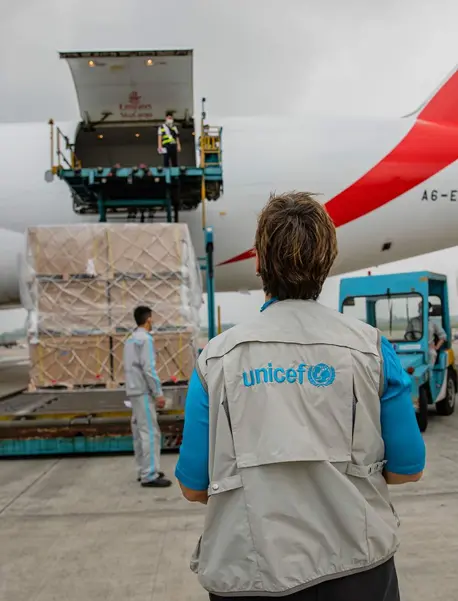
UNICEF works in over 190 countries and territories — more places than any other children's organization. UNICEF has the world's largest humanitarian warehouse and, when disaster strikes, can get supplies almost anywhere within 72 hours. Constantly innovating, always advocating for a better world for children, UNICEF works to ensure that every child can grow up healthy, educated, protected and respected.
Would you like to help give all children the opportunity to reach their full potential? There are many ways to get involved.