Rotary International and UNICEF: Partnering to End Polio

Rotary International is a leader in the fight to eradicate polio
Rotary International is a worldwide organization of more than 1.2 million business, professional and community leaders. Members of Rotary clubs, known as Rotarians, provide humanitarian service, encourage community engagement, and help build goodwill and peace in the world.
Rotary International helps fund critical elements of UNICEF’s polio eradication programs, such as national immunization days, polio vaccine delivery and health worker training. With a global reach on par with UNICEF’s own, this international organization empowers frontline workers in polio-endemic regions and members have contributed countless volunteer hours to ensure that even the hardest-to-reach children are immunized.
Rotary’s steadfast generosity also boosts UNICEF’s vaccine procurement and distribution operations and complements Community Health Workers' (CHW) training and outreach efforts. These community mobilizers dispel misinformation and gain the trust of parents and caregivers to vaccinate their children. And their advocacy efforts have galvanized governments and other organizations to join this mission.
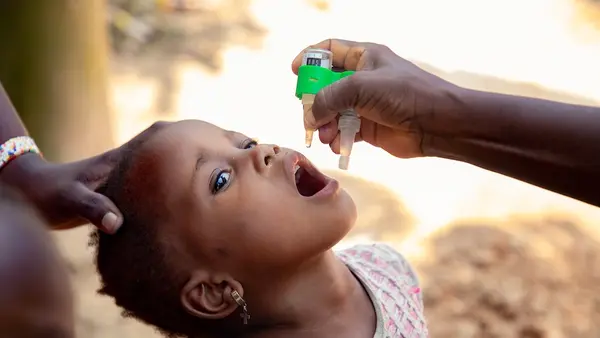
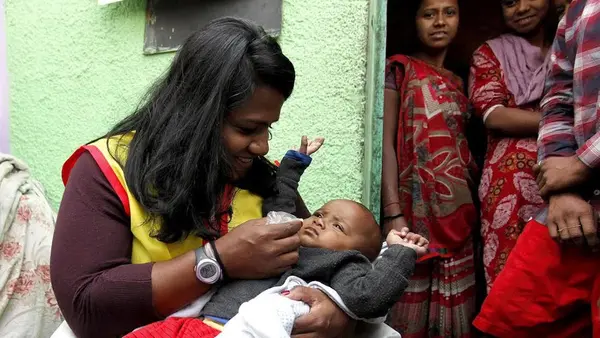
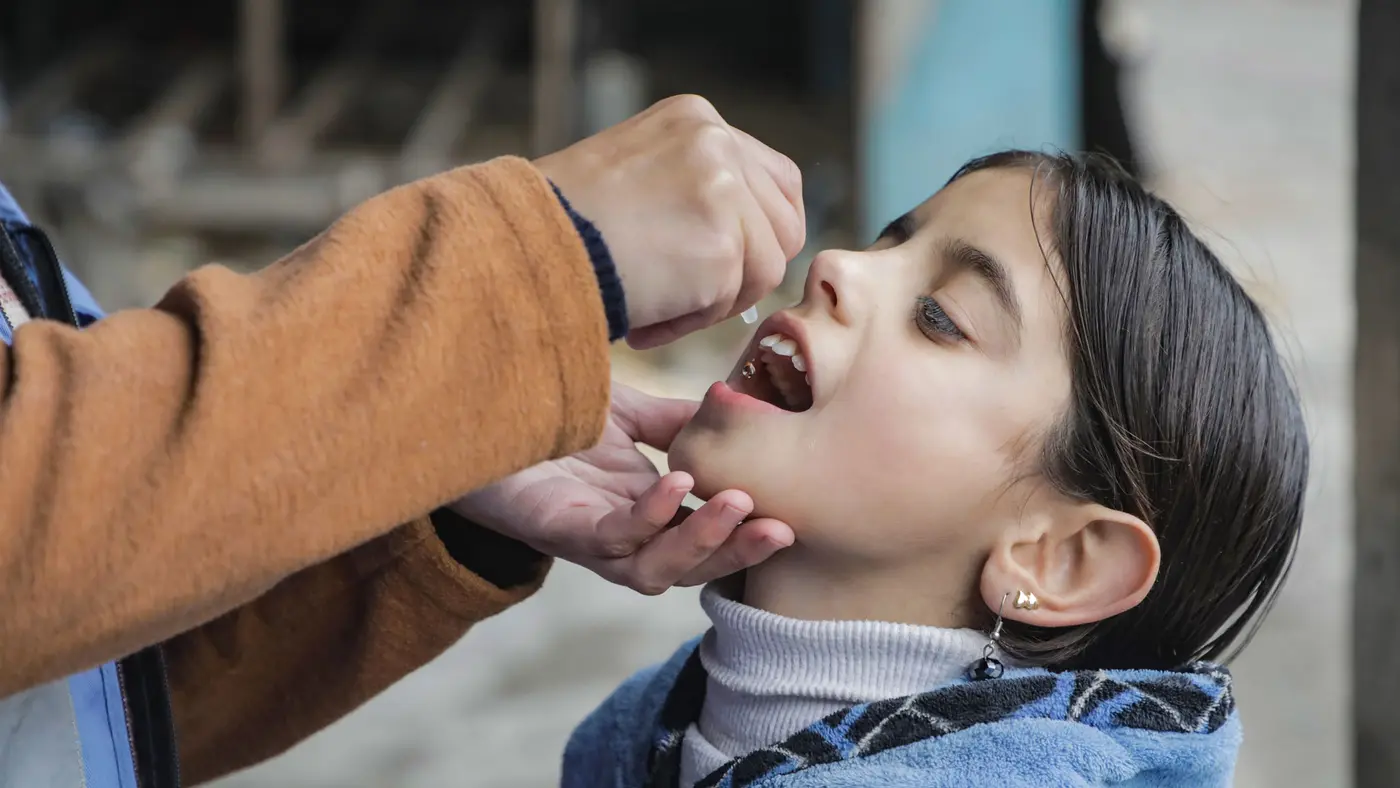
Since UNICEF and Rotary began their partnership in 1988, both organizations, as members of the Global Polio Eradication Initiative (GPEI), have played a fundamental role in dramatically decreasing the number of polio-endemic countries. Every year, with the support of Rotary International, UNICEF helps vaccinate more than 400 million children against polio. Rotary’s advocacy, fundraising, and community mobilization of members in over 200 countries have made possible the immunization of 3 billion children, and cases have decreased globally by an astonishing 99.9 percent. Widespread vaccination has prevented an estimated 650,000 cases of paralysis every year and saved up to 60,000 children’s lives. Today, wild poliovirus remains endemic in only two countries: Afghanistan and Pakistan. Synchronized polio vaccination campaigns in April 2026 reached 57 million children across both countries. These efforts were supported by partners, including Rotary International, showcasing what is possible when organizations and governments work together to protect every child.
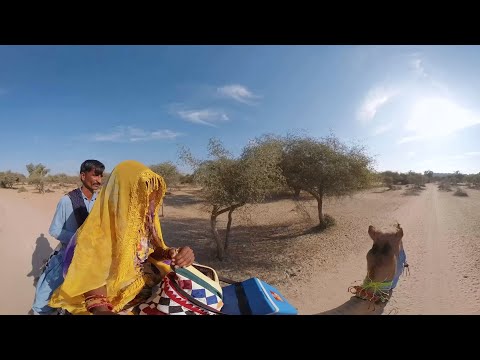
In February 2025, over 400,000 frontline health workers visited homes across Pakistan to reach 45.4 million children under 5 with life-saving vaccines in under one week.
Local Rotary clubs
There are over 45,000 Rotary clubs across more than 200 countries and geographical areas. In nearly every country where there is a Rotary club, there is also a UNICEF presence, and Rotary’s seven areas of focus directly overlap with UNICEF’s priorities and global Sustainable Development Goals. Each organization brings unique experiences and resources to this complementary partnership, continually expanding program reach by building on the critical public health infrastructure which is the backbone for tackling pressing global health issues, including those related to water, sanitation and hygiene (WASH).
While polio remains the primary focus of the Rotary-UNICEF partnership, Rotary members and UNICEF offices are also collaborating locally in several countries to improve Early Childhood Development, Child Protection, Water, Sanitation and Hygiene, and Social & Behavior Change programs. UNICEF has partnered with Rotary International on WASH strategies under the Rotary WASH in Schools Target Challenge Framework in Belize, Guatemala, Honduras, India and Kenya. The program seeks to motivate Rotary clubs to develop comprehensive, sustainable WASH projects in schools to improve school attendance and education outcomes that align with UNICEF standards.
And UNICEF and Rotary International continue to collaborate in new and additional ways globally and locally to tackle the world’s most pressing issues.
UNICEF does not endorse any brand, company, organization, product or service.