UNICEF’s Support for Primary Health Care Helps Children with NCDs Reclaim Their Futures
With support from Eli Lilly and Company to UNICEF USA, UNICEF is helping strengthen primary health care so children living with non-communicable diseases in resource-limited settings can access quality care closer to home and look toward the future with hope.
KISHOREGANJ, BANGLADESH — Ask 13-year-old Sayma what she wants to be when she grows up, and she doesn't hesitate. A doctor. This is not any abstract dream. The doctors who saved her life treated her, she says, with a respect and gentleness she wants to give others one day, for free, the way it was given to her.
Through Eli Lilly and Company’s collaboration with UNICEF USA, UNICEF is strengthening health systems so more children living with non-communicable diseases can receive quality care closer to home.
In Bangladesh, that support is helping families like Sayma's secure consistent, affordable care for a lifelong diagnosis that once threatened to derail her childhood.
Non-communicable diseases (NCDs) including diabetes, sickle cell disease and asthma are chronic conditions that require ongoing management, often for life. In children, NCDs can be especially disruptive. Without regular monitoring, medication and follow-up care, a manageable condition can quickly become a medical emergency, and repeated hospital visits can pull children out of school for good.
A family’s search for answers
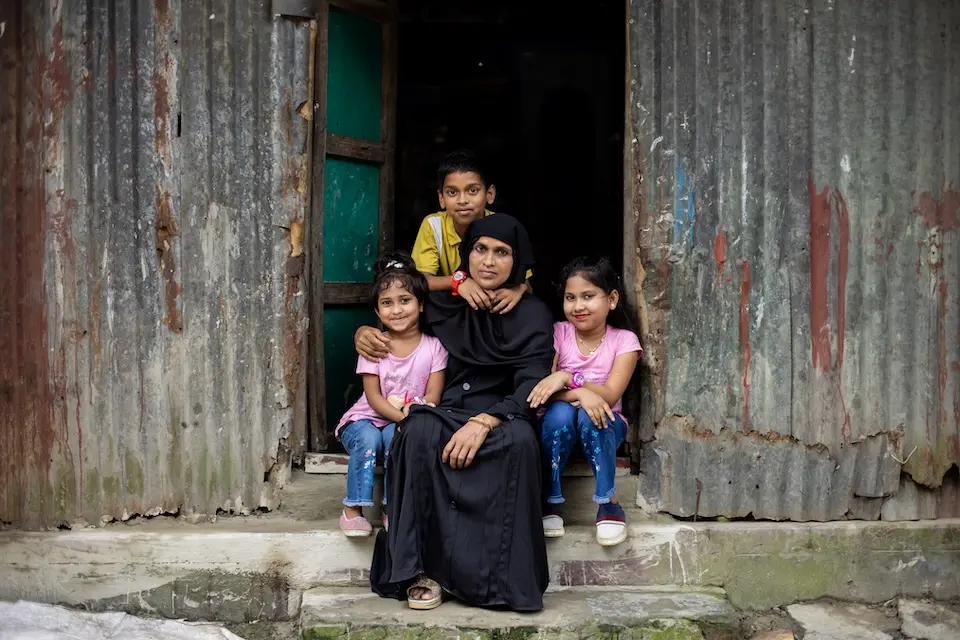
Sayma lives with her parents and siblings in Bangladesh’s Kishoreganj district. She was 5 years old when she developed a persistent headache. Her mother, Julekha, took her to a local pharmacy, then a district hospital, followed by a series of clinics, but for three months, no one could tell the family what was wrong. Full diagnostic testing had been recommended early on, but the family could not afford it.
Each visit ended the same way, with more questions than answers. Doctors recommended additional tests, but the cost was out of reach. As the weeks passed, Sayma grew weaker while her parents searched desperately for someone who could explain what was happening.
By the time doctors identified that it was Type 1 Diabetes Mellitus, Sayma’s condition had become critical. Her weight had dropped to just 18 kilograms, and she was rushed by ambulance, unconscious, to Mymensingh Medical College Hospital. She spent nine days in the hospital before being discharged, dependent on daily insulin.
Sayma's story is deeply personal, but it is far from unique. Across Bangladesh, more children are being diagnosed with chronic NCDs that require lifelong care. In an early 2000s study conducted in Bangladesh, only about 30 percent of newly diagnosed diabetes cases in children were Type 1; in a more recent study of over 1,600 patients, that figure had risen to 88 percent, with research also pointing to a higher prevalence among girls.
A growing but invisible burden
For families with limited incomes, a diagnosis like Sayma’s brings not only a lifetime of treatment, blood sugar monitoring and dietary restrictions, but also a recurring financial burden that includes the cost of medicine, testing and travel to distant hospitals for routine follow-up care.
Bangladesh's health system for children with NCDs depends on a patchwork of public hospitals, private clinics, NGOs and donor-funded programs. That structure has produced real gains nationally, but access for children and adolescents remains uneven, particularly for families living far from major cities.
Reaching families like Sayma’s
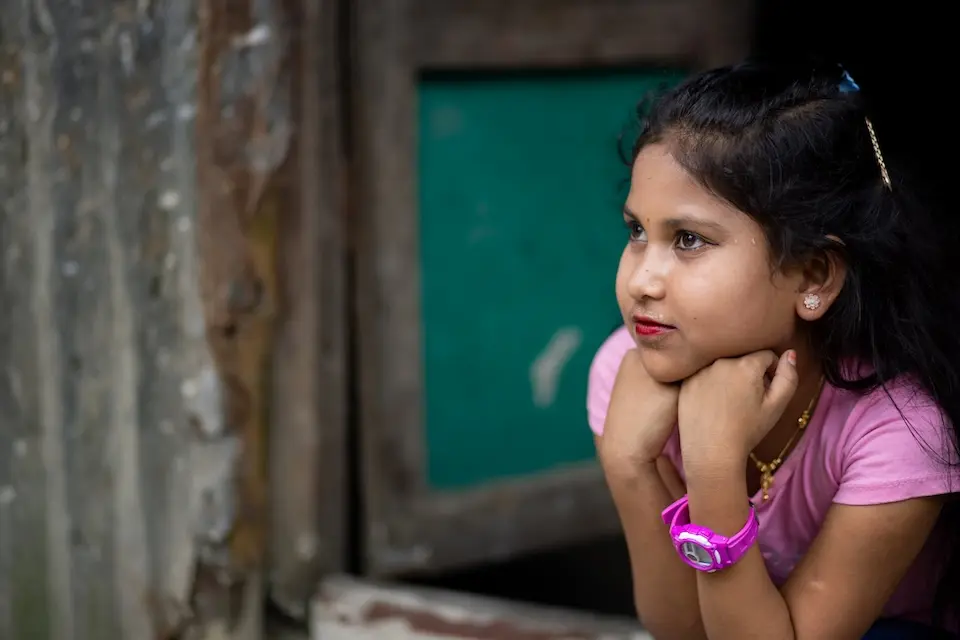
For nearly two years after her diagnosis, Sayma's family paid for her follow-up tests and treatment out of pocket, at times going without recommended care simply because they could not afford it. That changed when a relative working at the district health office told Julekha about a local support program for children with NCDs, one that didn't turn away from families, even years after a diagnosis.
Through the program, part of which has been supported by the UNICEF USA and Lilly collaboration, Sayma now receives regular monitoring, treatment and follow-up care close to home. Her family no longer must travel long distances or delay treatment because of the cost.
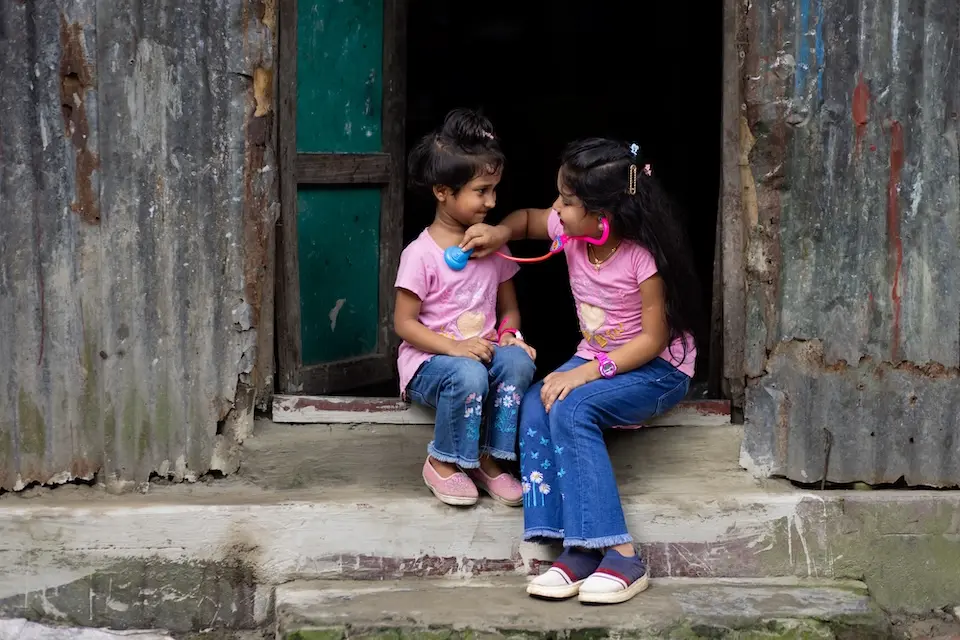
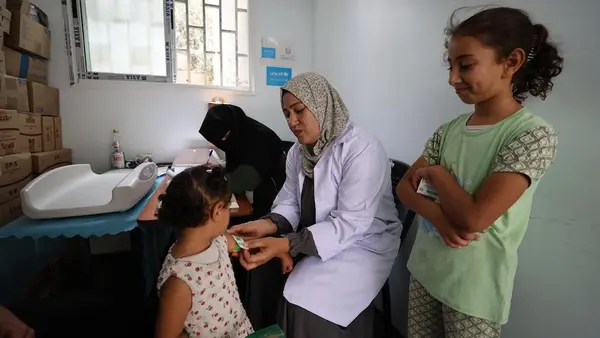
That access exists because of a deliberate effort to bring NCD care into primary health facilities themselves, rather than leaving families to travel to specialized city hospitals for every visit. As part of the initiative, pediatric NCD corners, which are dedicated spaces within local health facilities set up specifically to screen for, diagnose and manage childhood NCDs, mean a child like Sayma can now have her blood sugar monitored and her insulin resupplied by trained providers near home, instead of waiting until a crisis forces another trip to Mymensingh.
Since receiving consistent care, Sayma's blood sugar has stabilized, and the abdominal pain that once kept her out of school has steadily eased. For the past 20 days, her mother says she has been almost entirely well.
Ask Sayma to tell a story, and she’ll take you to the sea. Earlier this year, she traveled to Cox's Bazar with her family, to a shoreline that stretches farther than the eye can follow, one of the longest beaches in the world. She let the big waves find her. “I enjoyed it very much,” she says, and something in the way she says it suggests the sea hasn't quite let go of her yet.
Back home, the magic is smaller, but just as real. At school, English is the subject Sayma loves best. Her afternoons belong to her friends, Maisha, Safa, Sawda, Saifa and Ritu. And at home, she often plays with her younger sister, the two of them taking turns pretending to be the doctor, a reflection of the future Sayma imagines for herself.
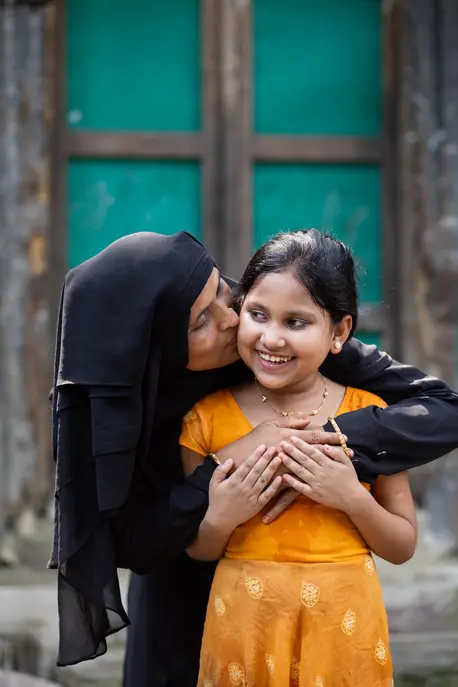
“She really wants to go to school,” Julekha said, “She also says that in the future, she wants to become a doctor. She says the doctors treated her with great respect and affection, and helped her in every way, including medicine. She wants her life to be like that too, so that she can provide free treatment to people.”
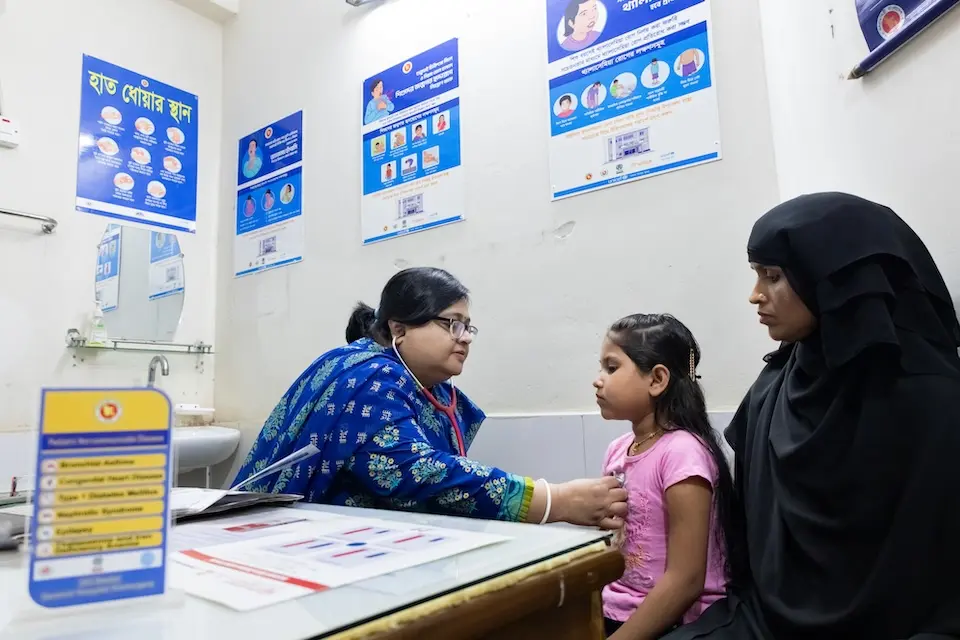
Sayma’s story is a reminder that for children living with non-communicable diseases, consistent and affordable care can mean the difference between a childhood interrupted and one not only restored but reinforced.
Today, Sayma dreams of becoming a doctor like the ones who care for her with kindness, dignity and compassion. Her story is a reminder that when children have access to consistent, quality care, they gain more than better health. They gain the opportunity to learn, to dream and to build the futures they imagine for themselves.
UNICEF does not endorse any company, brand, organization, product or service.
HOW TO HELP
There are many ways to make a difference
War, famine, poverty, natural disasters — threats to the world's children keep coming. But UNICEF won't stop working to keep children healthy and safe.
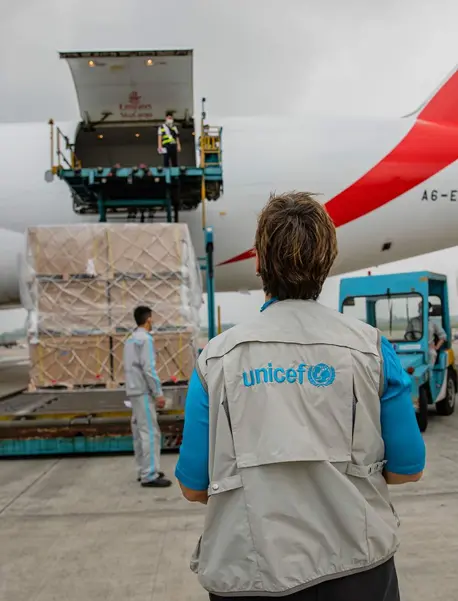
UNICEF works in over 190 countries and territories — more places than any other children's organization. UNICEF has the world's largest humanitarian warehouse and, when disaster strikes, can get supplies almost anywhere within 72 hours. Constantly innovating, always advocating for a better world for children, UNICEF works to ensure that every child can grow up healthy, educated, protected and respected.
Would you like to help give all children the opportunity to reach their full potential? There are many ways to get involved.