Helping Children Get Back to School: How UNICEF Expands Education Access
Highlights
- Millions of children face barriers to education due to crisis, poverty and discrimination.
- Education is a fundamental right that helps children learn, grow and thrive.
- UNICEF helps children learn through emergency education, teacher training and stronger school systems.
- Girls and marginalized children face greater obstacles, and UNICEF works to expand equitable access to education.
- Donor support helps children start school, return to class and keep learning.
Being able to attend school in a safe environment is a fundamental right — yet millions of children are still waiting for their first safe chance to learn. UNICEF works with partners to remove barriers and expand access to education. Here's how they do it, why it's important and how to help.
Why back to school looks different for children in crisis
While children around the world prepare for the start of a new school year, children caught in conflict and other crises may be facing any number of obstacles.
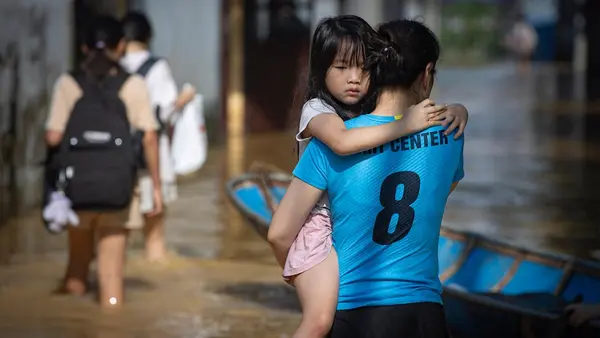
In places impacted by climate-related disasters, classrooms and other school infrastructure may be damaged or destroyed. Perhaps the route to school has become unsafe. Maybe the family can no longer afford basic school supplies. Some kids face exclusion and discrimination due to a disability, gender or language. In other cases, a lack of well-trained teachers may limit learning opportunities.
Economic pressures can push families to negative coping strategies such as sending children to work instead of school or into a child marriage. Older siblings sometimes must stay home to care for younger children.
Many of the barriers to education overlap, making it difficult for children to attend classes consistently or even enroll. As a result, they fail to build foundational skills and future opportunities become limited.
Education: every child's right
Education access is a right, not a privilege. It is a critical part of childhood that sets children up for future success. Going to school helps develop critical life skills while connecting with peers and building friendships.
UNICEF works to remove barriers to education through emergency support, local partnerships and system strengthening. The goal is to ensure that every child, no matter their background or circumstances, can access quality learning opportunities, return to school after crises and continue learning through secondary education.
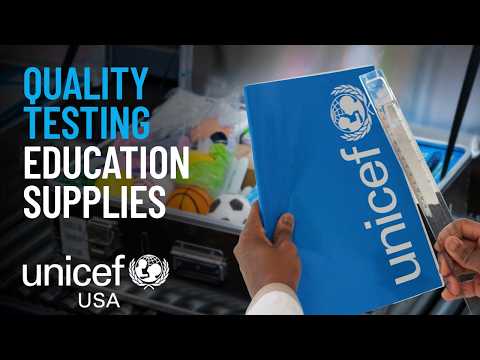
Watch the video to see UNICEF's quality assurance team at work:
What stands between girls and a first day of school
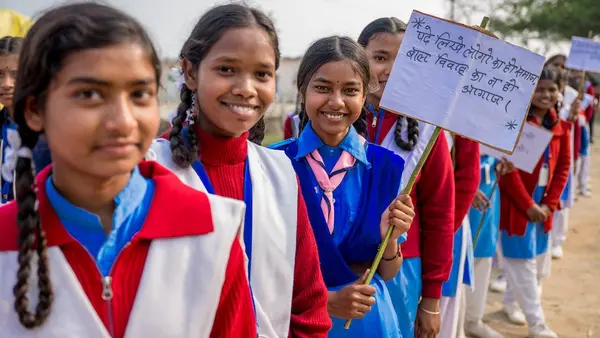
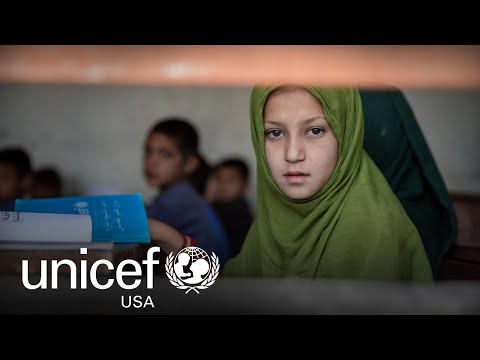
For girls in many parts of the world, the barriers to education tend to be greater. Obstacles are often linked to gender discrimination and cultural differences in expectations and access.
UNICEF is committed to educating girls, and works with partners to enhance learning and skills-building opportunities for girls around the world.
Learn how UNICEF works toward equality for girls
How safety, poverty and caregiving keep girls from school
When crises occur, girls are more likely to miss school as household responsibilities, safety risks and economic pressure increase.
In many parts of the world, when families face economic hardship, they prioritize investing in the education of boys over girls. Pressure increases on girls to enter the workforce young, or to marry early to alleviate financial burden.
Globally, adolescent girls spend more time than boys performing household chores. In areas lacking safe, accessible drinking water, girls are often the ones responsible for walking long distances to fetch it for the family.
Daughters are typically expected to stay home to help care for younger siblings or act as caregivers for sick or aging family members. All of these tasks eat up hours that could and should be spent learning.
Why water, sanitation and menstrual health matter for girls education
A classroom is more welcoming when girls have what they need to feel safe, healthy and supported. This includes access to water, sanitation and menstrual health supplies, yet schools often lack these resources.
Shame, stigma and misinformation may discourage girls from attending school while menstruating and prevent schools from teaching healthy attitudes about menstruation. Many girls stay home to avoid being teased.
UNICEF works to ensure that schools have the supplies and hygiene facilities necessary to support girls’ attendance during their periods.
For only $85, help give girls the support they need to stay in class, feel confident and keep learning with a Keep Girls in School Pack
How UNICEF improves children's access to education
Research shows that missing school can have a negative effect on children’s physical and mental health, safety and well-being. When children are out of school, they also lose access to protection, social support, nutrition and other essential services that schools can provide.
Ensuring access to education and strengthening education systems are considered smart investments in children, families, communities and society at large.
Education support in an emergency
When a crisis hits and schooling is interrupted, UNICEF works to ensure continuity of learning for children by supporting short-term measures that are often deployed as part of a broader emergency response. Education is often one of the first services UNICEF helps restore during emergencies because learning can provide children with stability, protection and hope.
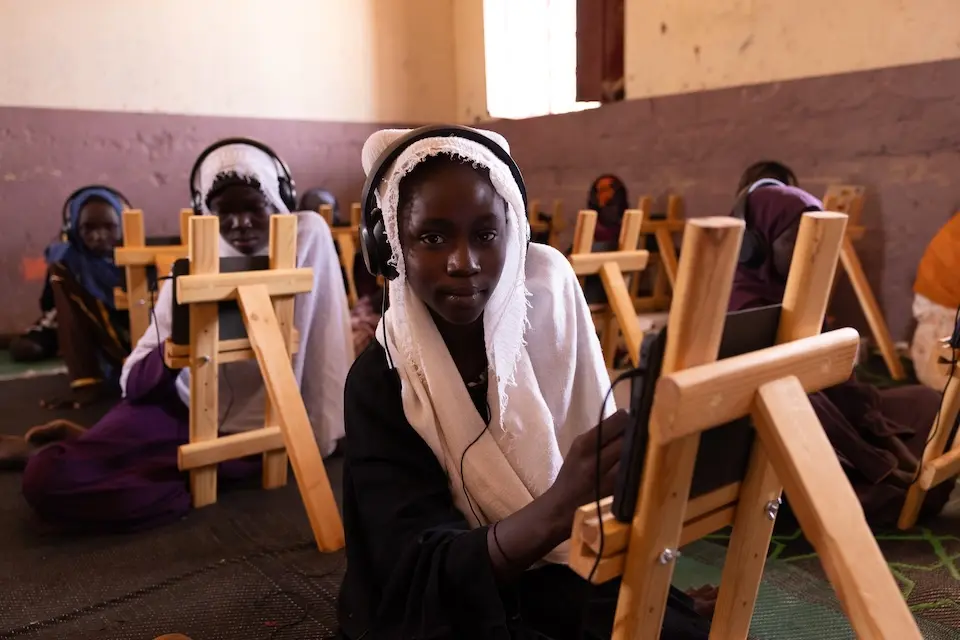
Immediate, practical support often includes providing tents to serve as temporary classrooms and learning supplies. Temporary learning spaces established in the wake of a disaster or in other humanitarian settings help children continue their education and find a sense of normalcy with structured lessons and recreational activities. Mental health and psychosocial support services to help children recover from any trauma they may have experienced are often made available in these temporary spaces as well.
Building stronger education systems so children can return for good
UNICEF also works with governments and local partners to train teachers, improve curricula and build schools that are climate-resilient, among other long-term measures that help strengthen education systems for the long term and ensure quality instruction. Attending school is one thing; UNICEF also works to help ensure that students are learning and acquiring the foundational skills they need to reach their full potential.
This work includes advocating for government investment in education, supporting gender equity in access to learning and ensuring schools are safe, inclusive spaces, among other efforts. The goal is to help children stay in school, continue learning and develop the knowledge and skills they need to thrive.
Learn more about how UNICEF and partners are working to ensure that every child is educated
Supporting inclusive education for equitable access
Supporting inclusive education is a top priority. UNICEF is committed to ensuring that children with disabilities and other marginalized children have equal opportunities to access quality education and fulfill their right to learn.
The Let Us Learn program provides out-of-school children with alternative learning pathways, while also strengthening formal education systems for fully enrolled students, paying particular attention to girls and children with disabilities.
School supplies help make a first day possible
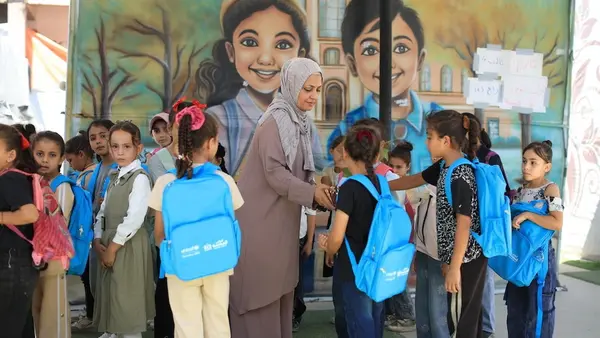
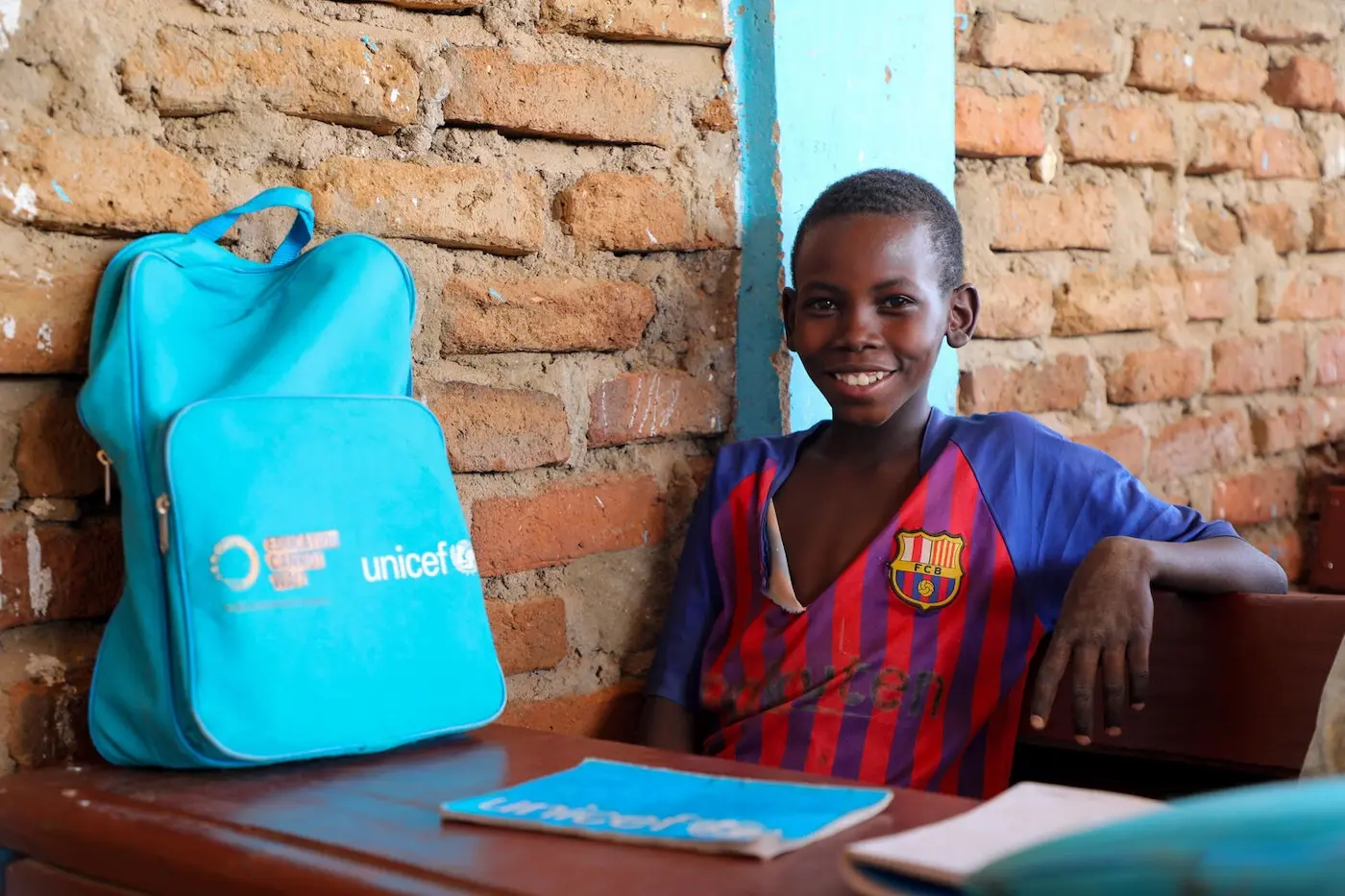
Making sure a student has the pencils, notebooks and other basic learning supplies goes a long way. UNICEF works with partners to distribute backpacks full of materials for learning and recreation, making it easier for children to get back to school, or start school for the first time.
Here are three simple ways to help UNICEF prepare children heading back to school:
- Share the joy of reading: storybooks for 12 children, $8
- Help students feel ready for class: backpacks for five children, $14.99
- Equip an entire school with an essential tool: 1,000 pencils, $30
Help give every child the chance to have a first day of school
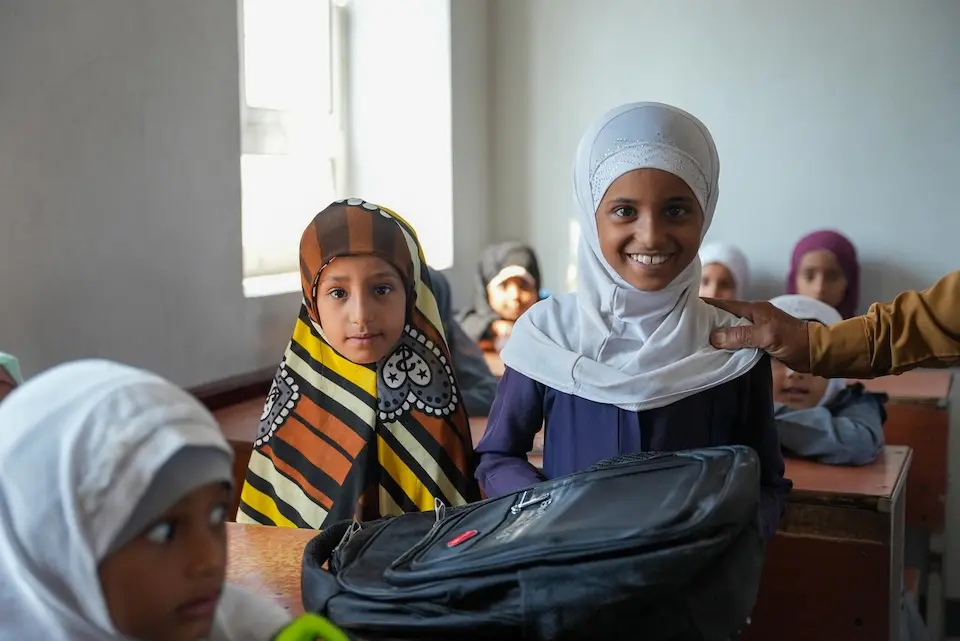
Every child deserves the chance to walk into a classroom, meet their teacher and begin learning — no matter their background or circumstances. While progress has been made, there are still many gaps in education access globally, especially for children facing crisis, poverty, displacement, discrimination and other barriers to education.
Donor support for UNICEF helps provide school supplies, safe learning spaces, teacher training, inclusive resources and long-term education programs around the world.
Help children start school, return to class and keep learning with an education-focused UNICEF Inspired Gift.
Frequently asked questions
What does education access mean?
Education access is a child’s real opportunity to enroll in school, attend safely and keep learning. Safe classrooms, trained teachers, learning materials, an adequate supply of safe, clean water and inclusive support are all necessary to ensure meaningful access to education.
What does UNICEF do to help children go to school?
UNICEF works with partners worldwide to provide temporary classrooms, distribute supplies, support teacher training and inclusive education approaches to ensure all children can access quality education and develop the knowledge and skills they need to thrive. UNICEF’s work helps children start school, return to school and continue learning during and after a crisis.
Why does back to school look different for children in crisis?
Children living through conflict, poverty, displacement, climate disasters and other educational obstacles often can't get back to school when the new school year starts. They may be forced to wait until it is safe, for teachers to return, for classrooms to reopen. UNICEF's global programs and partnerships help remove barriers to education so that more children can have a first day of school.
HOW TO HELP
There are many ways to make a difference
War, famine, poverty, natural disasters — threats to the world's children keep coming. But UNICEF won't stop working to keep children healthy and safe.
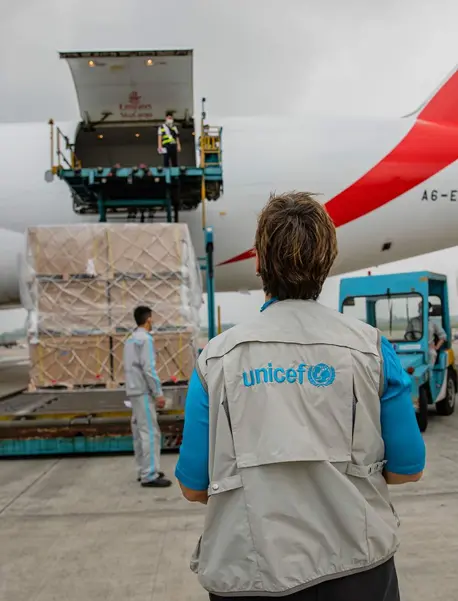
UNICEF works in over 190 countries and territories — more places than any other children's organization. UNICEF has the world's largest humanitarian warehouse and, when disaster strikes, can get supplies almost anywhere within 72 hours. Constantly innovating, always advocating for a better world for children, UNICEF works to ensure that every child can grow up healthy, educated, protected and respected.
Would you like to help give all children the opportunity to reach their full potential? There are many ways to get involved.