Sustainable Solutions: UNICEF Pioneers Vaccine Delivery by Sea
UNICEF Supply Division is piloting the delivery of vaccines by sea — a greener, more cost-effective alternative to air freight.
Success story: UNICEF’s first-ever shipment of vaccines by sea
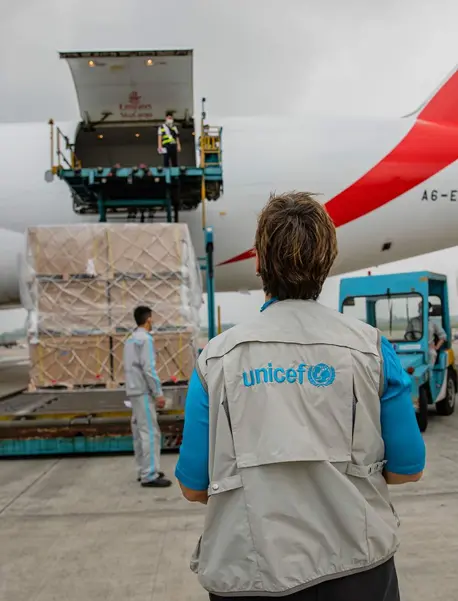
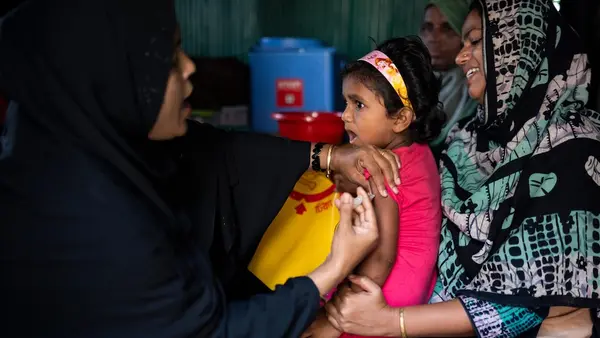
Each year, UNICEF delivers nearly 3 billion doses of vaccines, enough to immunize almost half of the world’s children. Behind the numbers is a complex supply chain operation coordinated from UNICEF’s global supply and logistics hub in Copenhagen, Denmark. Since vaccines require secure cold chains and have set expiration dates, nearly all UNICEF’s vaccines have been shipped by air for decades, with only a few being transported by road.
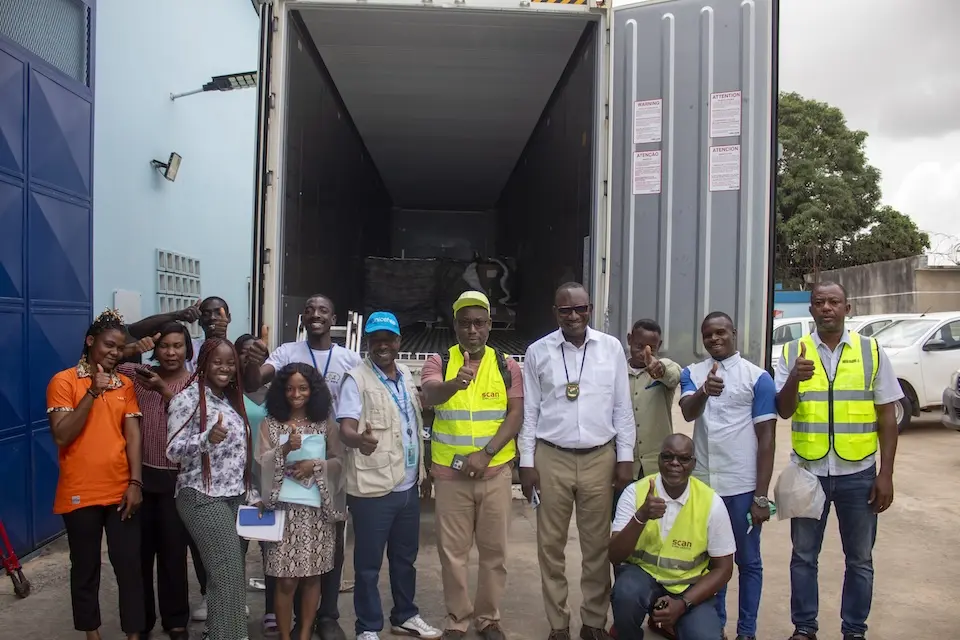
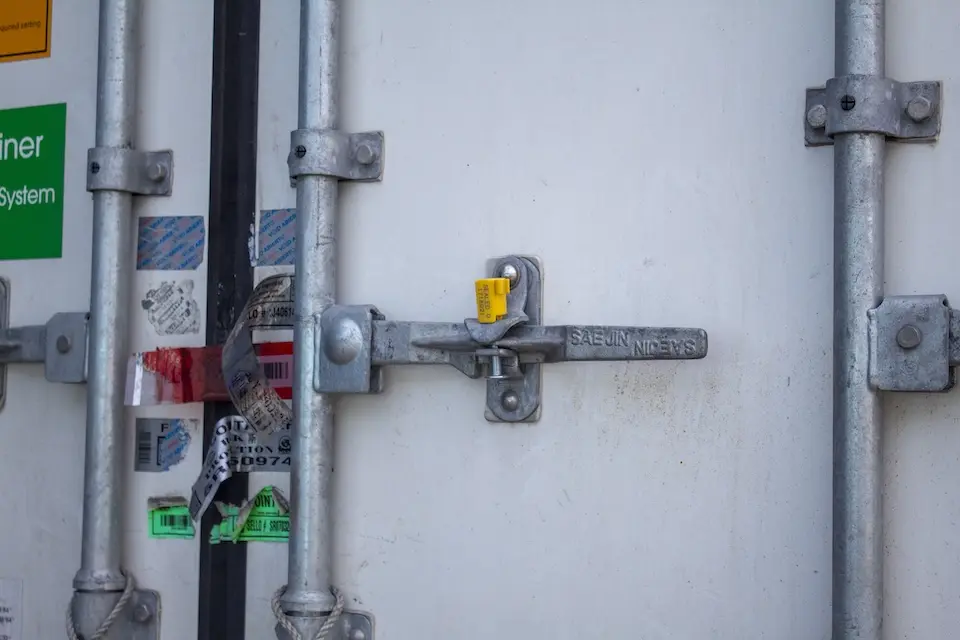
As part of a pilot program to deploy vaccines by sea, UNICEF successfully delivered its first-ever vaccine shipment by sea in July 2025. The journey took a little over five weeks, departing from the supplier in Belgium on June 4, 2025 and arriving safely in the central warehouse in Abidjan, Côte d'Ivoire on July 10, 2025.
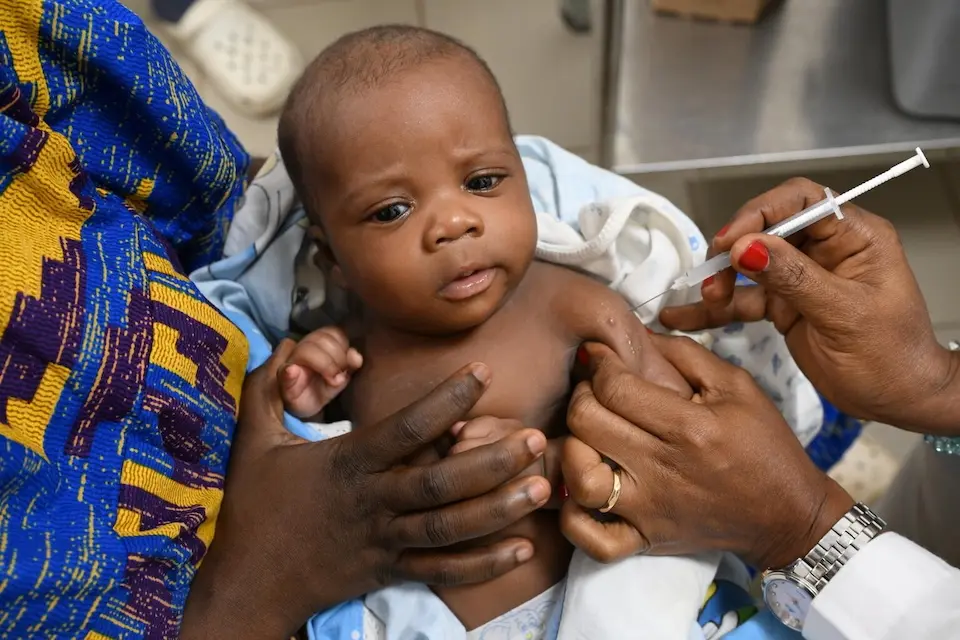
This shipment carried over 500,000 doses of pneumococcal 13-valent conjugate vaccines (PCVs), for use in Côte d'Ivoire’s routine childhood immunization program. Pneumonia is the world’s biggest infectious killer of children under 5, particularly in low- and lower-middle income countries, including sub-Sahara Africa. The routine use of PCVs has drastically reduced the number of serious cases of pneumonia in many countries.
Learn more: Why Vaccines Matter for Children
Shipping vaccines by sea could reduce greenhouse gas emissions by up to 90 percent and cut costs in half
Despite the longer transit times, shipping vaccines by sea offers major benefits, including a reduction of greenhouse gas emissions and freight costs, depending on origin, destination, volume and other factors. At the same time, there are several risks, including delays and costs during customs clearance in receiving countries, storage conditions in the refrigerated container parks of ports, and local transit logistics from seaports to central warehouses.
Getting all stakeholders on board takes time. UNICEF Logistics Officer Maxime Dessoy began discussions for the project in 2024. "It requires a lot of alignment, a lot of convincing because you need to onboard colleagues internally, but you also need permission or at least approval from the partners and the ministries to receive the vaccines by sea," said Dessoy.
"For this pilot, the assessment estimated that converting air to sea freight could reduce greenhouse gas emissions by up to 90 percent and lower costs by approximately 50 percent per shipment," Dessoy continued.
Maintaining a high-quality cold chain, every step of the way
Vaccines must be continuously stored in a limited temperature range — from the time they are manufactured until the moment of vaccination. Refrigerated containers used in sea freight are temperature-controlled, eliminating the need for insulated shippers typically required for air freight.
"This not only reduces packaging waste but also cuts the cargo weight by 30 to 70 percent," said Dessoy. "Additionally, by accommodating larger volumes of vaccines, sea freight could reduce the need for split shipments due to limited airline capacity, thereby increasing operational efficiency."
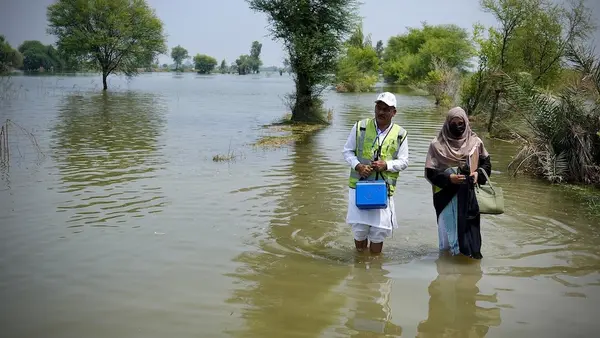
Given the anticipated longer transit times and greater susceptibility to delays compared to air freight, sea shipments are not suitable for emergency responses. The volume of vaccines also determines the suitability of sea freight, as it is most efficient when shipment volumes are sufficiently large. The pilot targets destinations with direct port access; access to landlocked countries is a challenge yet to be addressed.
UNICEF is always innovating for children
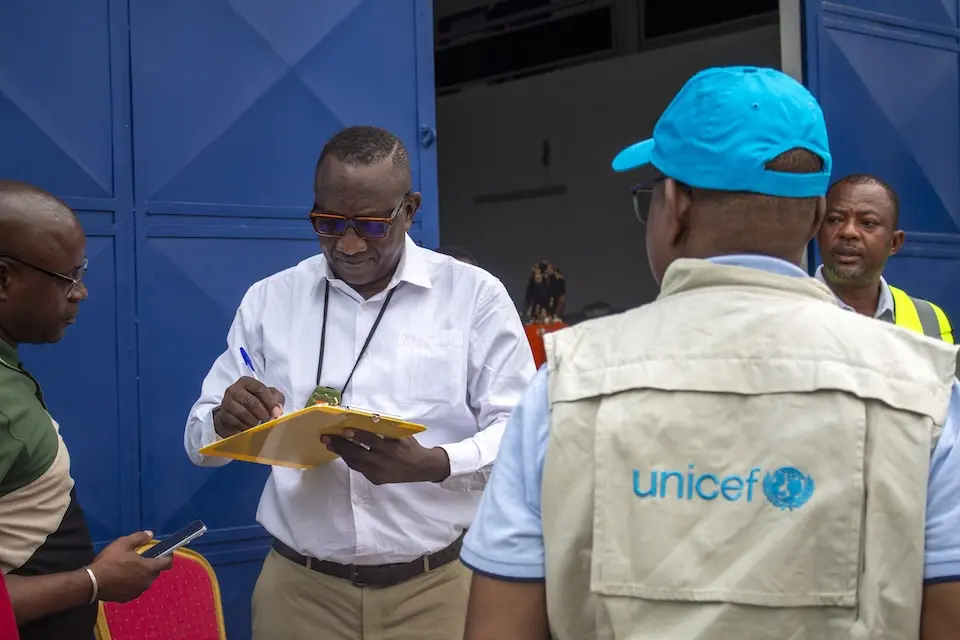
For this pilot, UNICEF and its suppliers, forwarders and carriers assessed the cold chain control possibilities and implemented a real-time temperature monitoring mechanism during all stages of the journey, including transshipment (moving goods between different modes of transportation), sailing, arrival at the port and transit to the warehouse. A robust reaction mechanism was also in place should any incidents arise during the journey.
The successful pilot could pave the way for UNICEF to expand sea transport of suitable vaccine types to selected countries including Angola, Cameroon, Ghana and Senegal.
UNICEF is constantly refining and innovating, making good on its mission to deliver for the world's children. No matter how challenging or remote the setting, UNICEF will continue to reach children with safe and effective vaccines through secure cold chains.
Right now, the lives of the most vulnerable children hang in the balance as conflicts and crises jeopardize the care and protection that they deserve. Dependable, uninterrupted and effective foreign aid is critical to the well-being of millions of children. Please contact your members of Congress and urge them to support ongoing U.S. investments in foreign assistance.
HOW TO HELP
There are many ways to make a difference
War, famine, poverty, natural disasters — threats to the world's children keep coming. But UNICEF won't stop working to keep children healthy and safe.
UNICEF works in over 190 countries and territories — more places than any other children's organization. UNICEF has the world's largest humanitarian warehouse and, when disaster strikes, can get supplies almost anywhere within 72 hours. Constantly innovating, always advocating for a better world for children, UNICEF works to ensure that every child can grow up healthy, educated, protected and respected.
Would you like to help give all children the opportunity to reach their full potential? There are many ways to get involved.