Why Vaccines Matter for Children
10 facts about vaccines, child survival and global progress.
Vaccines save lives — that's a fact
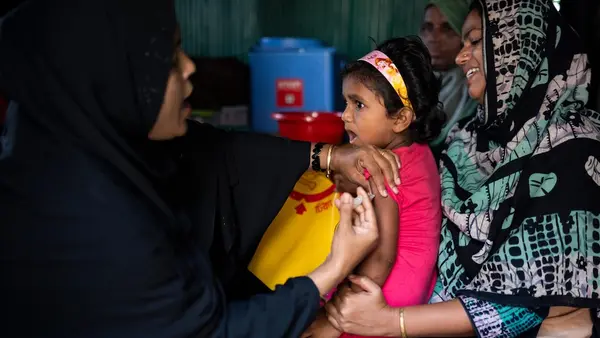
No child should die from preventable diseases. Yet more than 14 million infants did not receive a single vaccine last year, leaving them at risk of preventable, severe illnesses and death.
As overseas aid for health programs is projected to decline due to global funding cuts, and vaccine confidence is increasingly undermined, millions more children could miss out — erasing decades of progress and fueling new outbreaks.
Vaccines are among the safest and most effective public health tools in existence, preventing 3.5 million to 5 million deaths every year from diseases like measles, diphtheria, pertussis and polio.
For many families, a child’s first vaccine is also their first point of entry into the primary health care system, linking them to nutrition counseling, growth monitoring and more.
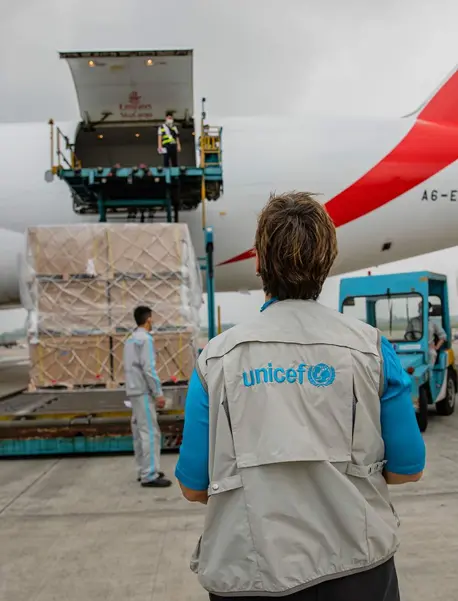
As the world’s largest vaccine buyer, UNICEF delivers more than 2 billion doses each year — enough to reach nearly half the world’s children under 5 with protection against deadly diseases — while helping governments and communities build stronger health systems for every child.
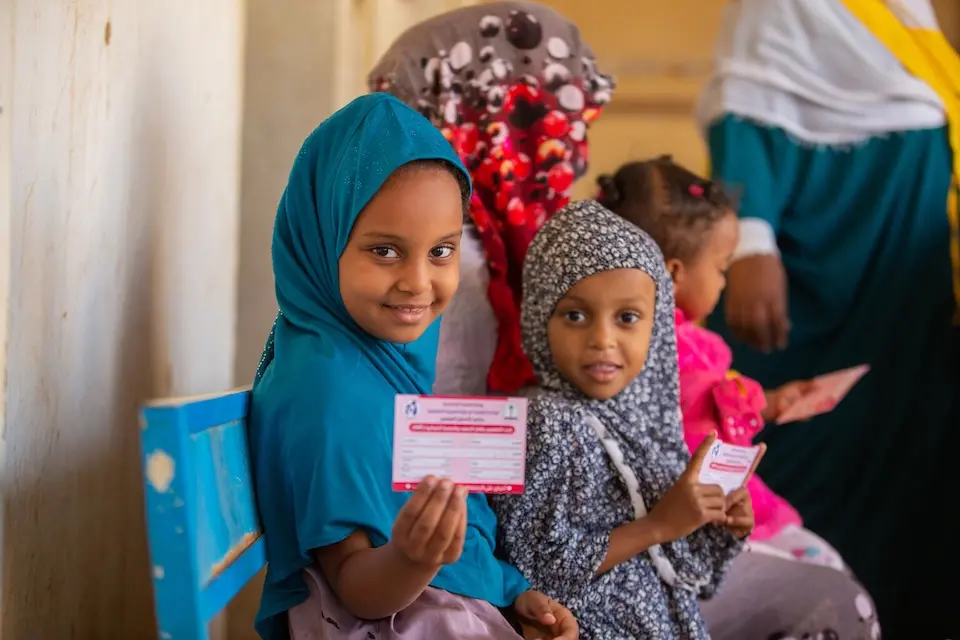
Here are 10 facts about why vaccines matter for children:
Child survival
- Over the past 50 years, immunization has helped cut global infant deaths by 40 percent, making it one of the most powerful drivers of child survival.
- Since 1974, vaccines have saved 154 million lives — 95 percent of them children under 5. Measles vaccines alone account for nearly 94 million lives saved.
Eliminating disease
- Smallpox, which killed around 300 million people in the 20th century, was declared eradicated in 1980 thanks largely to vaccines.
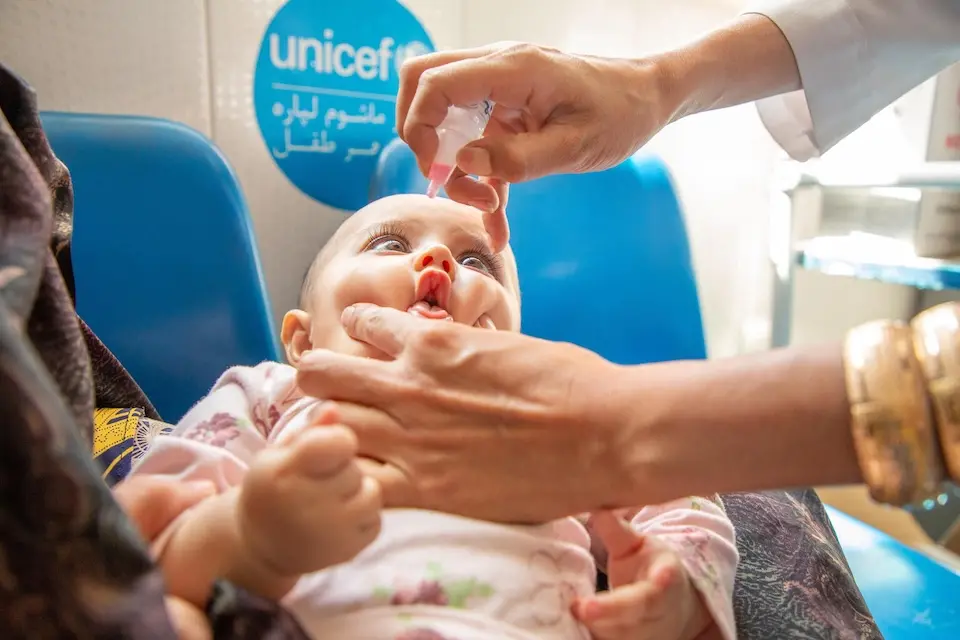
- Polio cases are down 99 percent since 1988, with 3 billion children immunized and 20 million people walking today who would otherwise have been paralyzed.
Protection and a chance to thrive
- Protection is expanding, with safe, effective vaccines against more than 30 diseases, including rotavirus, pneumonia, HPV and measles. Learn more about vaccines and the diseases they prevent.
- HPV vaccines can prevent up to 90 percent of cervical cancer cases but coverage remains uneven. Girls and women in low- and middle-income countries, where the vaccine is least available, still account for the vast majority of deaths.
Access and community
-
When coverage is high, outbreaks are stopped before they start. When coverage falls, measles is often the first to strike. In 2024, for example, Europe and Central Asia saw their highest number of measles cases in 25 years as a result of declining immunization coverage.
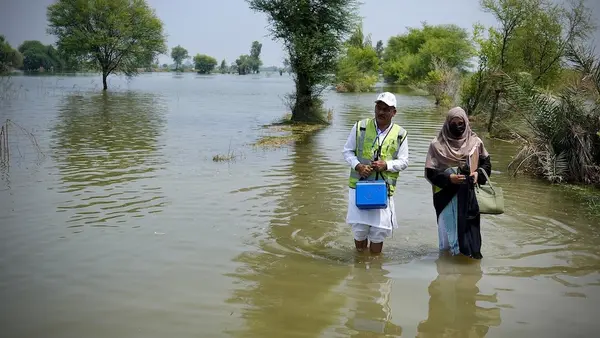
Expanding access is necessary to narrow the survival gap. Over half of unvaccinated children live in 31 fragile or conflict-affected countries, where weak health, nutrition and security systems leave them most at risk.
Vaccines are safe
- Vaccines are rigorously tested and continuously monitored. Side effects are generally mild, serious adverse effects are rare, and systems are in place to detect and act on safety issues.
Investing in global progress
- Every $1 invested in childhood immunization yields $54 in health and economic benefits. An investment in children is an investment for all.
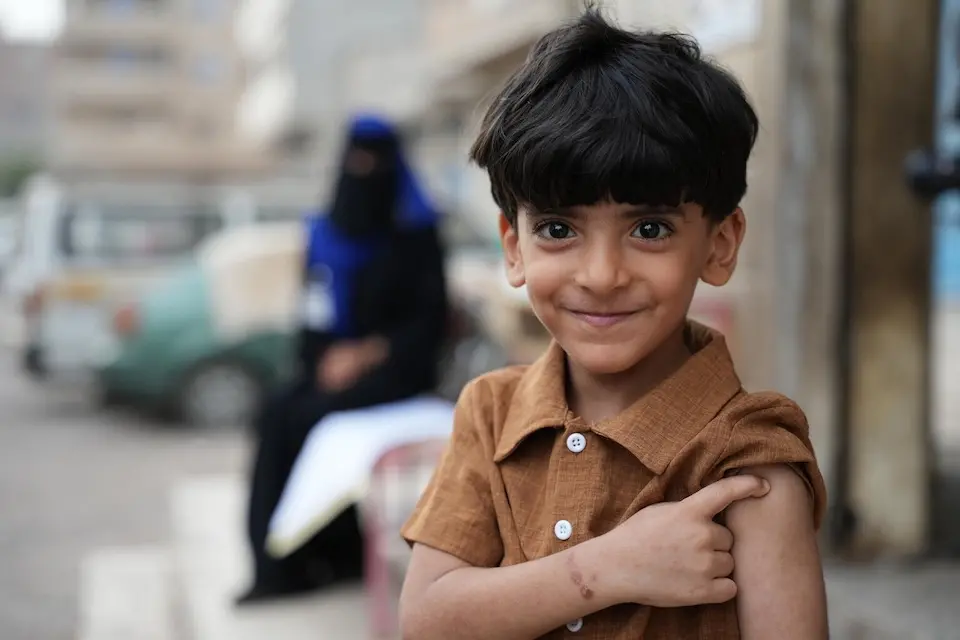
Vaccines are one of the greatest success stories in the history of public health — protecting children, saving millions of lives and ensuring healthier futures for generations.
No child should die from a disease we know how to prevent.
For every child, a healthy future.
Originally published on unicef.org
Right now, the lives of the most vulnerable children hang in the balance as conflicts and crises jeopardize the care and protection that they deserve. Dependable, uninterrupted and effective foreign aid is critical to the well-being of millions of children. Please contact your members of Congress and urge them to support ongoing U.S. investments in foreign assistance.
HOW TO HELP
There are many ways to make a difference
War, famine, poverty, natural disasters — threats to the world's children keep coming. But UNICEF won't stop working to keep children healthy and safe.
UNICEF works in over 190 countries and territories — more places than any other children's organization. UNICEF has the world's largest humanitarian warehouse and, when disaster strikes, can get supplies almost anywhere within 72 hours. Constantly innovating, always advocating for a better world for children, UNICEF works to ensure that every child can grow up healthy, educated, protected and respected.
Would you like to help give all children the opportunity to reach their full potential? There are many ways to get involved.