Supporting Children in Mauritania
Every child has the right to survive and thrive, live free from exploitation, violence, abuse and poverty and to learn and acquire skills for the future. UNICEF's programs and partnerships in Mauritania and around the world focus on protecting and advancing these rights. Learn more.
Why UNICEF works in Mauritania
Mauritania, one of 10 countries in Africa's Sahel region, has experienced robust economic growth in recent years thanks to increased gold and iron production, agricultural output and the start of gas exports. Government initiatives aim at securing the nation’s future by taming corruption, improving education and empowering its youth. But Mauritania continues to face multiple challenges from outside that require assistance.
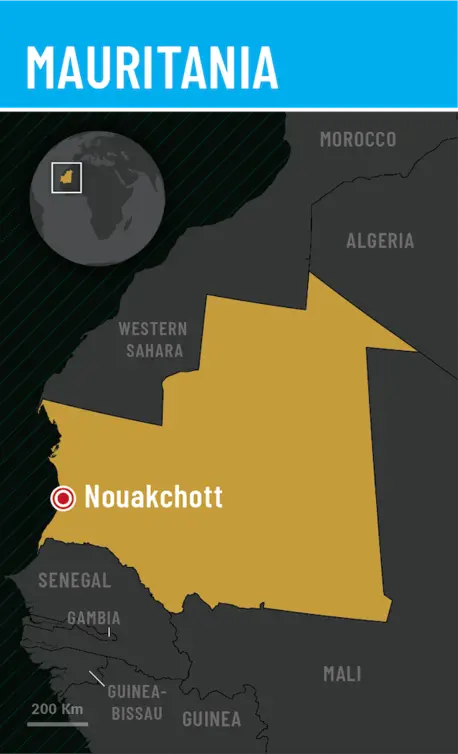
Already a key transit point for migrants en route to Europe, Mauritania has been flooded in recent years by tens of thousands of refugees fleeing violence in neighboring Mali. The majority are housed in overcrowded refugee camps in the southeastern Hodh el Chargui region, and the overflow into surrounding villages is straining existing resources.
The insecurity in Mali impacts Mauritania in other ways as well; for one thing, it disrupts seasonal cattle movement. And as more cattle in Mali cross into Mauritania, grazing areas are rapidly depleting.
Challenges facing children in Mauritania
Challenges for children in Mauritania are interconnected. Poverty is widespread. Many children are displaced and at risk of malnutrition as a result of the ongoing food crisis in the Sahel region. There are barriers to education and civil registration, and only 33 percent of schools have adequate drinking water, sanitation, and hygiene facilities.
With 90 percent of its landmass located in the Sahara Desert, Mauritania is also on the frontlines of climate change. Around 76 percent of young people surveyed stated that their families had already been affected; top concerns include the economic impacts of climate change, increasing water scarcity and the health impacts of plastic and air pollution. Periods of flooding and extreme heat are expected to worsen in the years ahead. By 2080, 94 percent of Mauritania’s children will likely be exposed to extreme temperatures.
How to keep kids safe and healthy during a heat wave
How UNICEF is making a difference
Every child has the right to survive and thrive, live free from exploitation, violence, abuse and poverty and to learn and acquire skills for the future. UNICEF's programs and partnerships in Mauritania and around the world focus on protecting and advancing these rights.
Managing Mauritania's refugee crisis
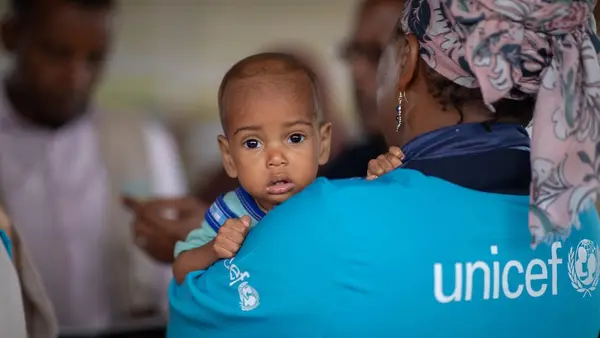
UNICEF is on the ground in Mauritania, building and maintaining infrastructure to help manage the continued refugee crisis. Among other initiatives, UNICEF deploys and supports mobile health clinics serving dozens of refugee host villages; mobile health workers vaccinate children and screen for and treat severe malnutrition.
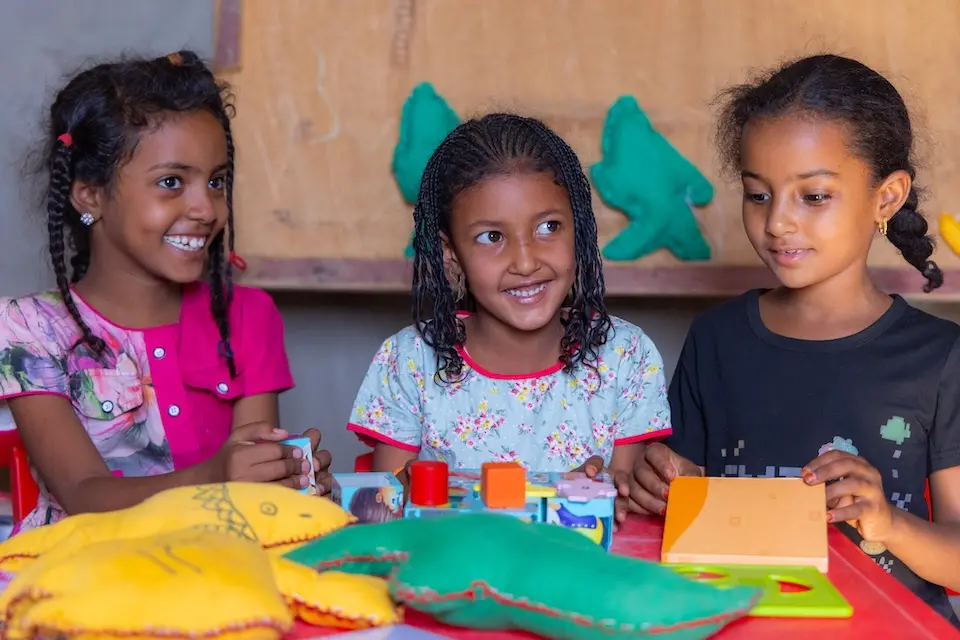
Thousands of vulnerable, traumatized children have found a safe haven in UNICEF-supported child-friendly spaces, where they can benefit from recreational activities, psychosocial support, and the kind of carefree play opportunities that are essential for healthy development. Hundreds of teenagers have registered and followed a literacy program in eight learning centers spread across 20 host villages. While others have enrolled in school under the support and monitoring of the Bassiknou education authorities.
To ensure adequate food and water, UNICEF is working closely with the World Food Program (WFP) across the region to provide a comprehensive package of interventions to strengthen the resilience of systems, communities and individuals.
Water, sanitation and hygiene (WASH) efforts
UNICEF is also building and rehabilitating drinking water supply systems; providing water to tens of thousands of people; constructing scores of latrines and shower blocks; digging pits to contain household waste and solid wastes in localities across the area; and training and deploying “hygiene promoters” across the region to ensure that villages are regularly cleaned and latrines are properly used.
More about UNICEF’s water and sanitation programs
Responding to climate impacts
To address the impacts of climate change, UNCIEF is helping to build resilience and adapt essential services to changing conditions and to prepare for more frequent disasters. This includes:
- helping the government roll out solar-powered water systems across the nation, particularly in remote and drought-prone regions
- supporting national efforts to enhance the professionalization of the solar water sector
- working to increase Mauritania's technical capacities for climate risk and vulnerability analysis in WASH services, including the ability of professionals to monitor groundwater quality and quantity
UNICEF is also helping to:
- map vulnerabilities and risks within the education sector, identifying ways climate change could impact access to quality education
- promote disaster preparedness, working with partners to strengthen resilience in the most vulnerable areas of the country by bringing leaders together to plan and coordinate responses
Learn about UNICEF emergency response and resilience efforts
Health and nutrition programs
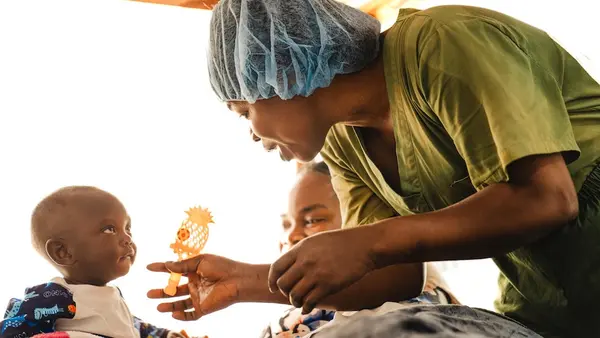
UNICEF works with the government and other partners in Mauritania to improve access to quality maternal, neonatal and child health and nutrition services through capacity building, facility improvements and continued monitoring.
UNICEF-supported services include treatment of severe acute malnutrition, routine child immunizations and counseling and prenatal care for pregnant and nursing women.
Learn more about UNICEF’s global nutrition programs
Learn more about UNICEF initiatives in children’s health
Improving access to education
Education is the key to securing future opportunities for many of Mauritania’s children. Yet nearly two-thirds of adolescent girls in Mauritania — 62 percent — do not attend secondary school, leading to a high rate of illiteracy and limited options.
Drop out rates among girls remain high, as child marriage and early pregnancy persist. More than 1 in 3 Mauritanian girls marries before age 18, and 16 percent of girls are married before the age of 15.
How UNICEF is working on ending child marriage
UNICEF has launched a number of programs aimed at boosting enrollment, reintegration and retention of adolescent girls in school, their participation in the public sphere and the strengthening of their skills and employability. UNICEF-supported efforts include:
- providing programs to improve digital literacy
- building and improving youth centers
- training teachers
- expanding counseling services specifically for adolescent girls
UNICEF is also advocating for a comprehensive law on the prevention, protection and response to gender-based violence, and helped build the capacity to implement existing laws and policies.
Learn more about UNICEF education programs
Learn about how UNICEF supports early childhood development
Protecting vulnerable children
UNICEF is working with collaborators to protect children from violence, exploitation and abuse by building rights-based and child-centered justice systems and responding to the needs of children on the move in West Africa. Among other things, UNICEF Mauritania has:
- helped to push for child protection standards and rights by training hundreds of professionals and community leaders to identify and care for victims of violence and provide psychological first aid
- established a partnership with the Nouakchott University of Social Sciences and the Ecole Nationale de l'Action Sociale to reinforce and extend the trainings to increase effectiveness and impact
- worked to strengthen the ability of the juvenile justice system to rehabilitate children by building staff capacity, equipping Ministry of Justice mediation rooms in Nouakchott and supporting system coordination
- advocated for the use of justice measures for children designed to keep them out of prisons and custodial settings
Nineteen-year-old Hamady, a resident of a poor suburb in Nouakchott, Mauritania, is one of thousands of children who have benefitted from UNICEF and partner efforts in the country.
Hamady arrived with his family from Senegal when he was 14. But, having dropped out of school, he was often on the streets. One day after a wedding ceremony, a fight broke out on the street near Hamady’s home, involving a large number of neighborhood children. In the ensuing melee, one boy was hit over the head with a heavy piece of wood and died three days later.

Hamady was among those rounded up by police in the aftermath and his brother was charged with murder, while Hamady and two other boys faced manslaughter charges and were taken to the Centre for Social Reintegration of Children in Conflict with the Law (CARSEC). Since his family was poor and could not pay the high costs for a lawyer, Hamady was detained in a dormitory with many other boys his age, for most of the day, and had little hope of freedom.
Thanks to legal assistance and help from social workers, however, a court finally declared Hamady not guilty and he was released after two years. He is now working for his father’s welding business.
“Now, welding is now not just my passion, but my career,” Hamady says. “I could have spent many more years in prison as a child and would not have the skills and outlook I have today. Thanks to the support I received, my future looks hopeful.”
Learn about UNICEF's global efforts to protect vulnerable children
How to help
There are many ways to support children in Mauritania and around the world: make a one-time donation to UNICEF, or become a monthly supporter. Join UNICEF USA in advocating for children's rights, or start a fundraiser.
Learn more about child rights and advocacy opportunities with UNICEF USA
Frequently Asked Questions
Why do children in Mauritania need help?
Mauritania faces persistent challenges that threaten children’s health, development and safety. High rates of chronic malnutrition, limited access to clean water and barriers to education, especially in rural and refugee communities, put children at risk. The effects of climate change, including recurring droughts and displacement, make it even more challenging for families to meet their basic needs. These challenges require focused, child-centered support.
What is UNICEF doing in Mauritania?
UNICEF is working with the government of Mauritania to expand access to health care, nutrition, education and child protection services. This includes treating acute malnutrition, supporting maternal health, improving school enrollment for girls and delivering clean water through climate-resilient systems. UNICEF also promotes birth registration, legal reform, hygiene education and emergency preparedness in vulnerable communities.
How can I make a donation to support Mauritania?
Your donations support UNICEF's programs for vulnerable children and families in Mauritania and worldwide. Contributions help fund programs that deliver clean water, nutritious food, education materials, vaccines and more. Your support also ensures UNICEF can provide humanitarian relief when disaster strikes. Donations can be made as one-time gifts, monthly support or by hosting your own fundraiser.
Is my donation to UNICEF tax-deductible?
Yes. Donations made to UNICEF are tax-deductible to the full extent allowed by U.S. law. You’ll receive a receipt after donating, which you can use when filing your taxes.
Does UNICEF provide aid only in emergencies?
No. While UNICEF responds to emergencies, it also works year-round to support long-term development. In Mauritania, this means strengthening health and education systems, improving infrastructure and addressing inequalities so children can thrive in their communities every day, not just in times of crisis.