Historic Catch-Up Campaign Reaches 18M Children With Lifesaving Immunization
Highlights
- From 2023 through 2025, over 100 million vaccine doses were delivered to 18.3 million children in 36 countries — a significant accomplishment.
- Launched in 2023 to address pandemic-related declines, agency partners are on track to meet their target of catching up 21 million children.
- Despite progress, every year, over 14 million infants still miss recommended vaccinations, highlighting the need to strengthen sustainable routine immunization systems beyond catch-up efforts.
UNICEF and partners share results of the Big Catch-Up, the largest-ever international effort to vaccinate missed children and strengthen routine immunization.
Childhood immunization and the global push to improve coverage
The “Big Catch-Up,” a global, multi-year initiative backed by UNICEF, Gavi, the Vaccine Alliance and the World Health Organization, delivered over 100 million vaccine doses to an estimated 18.3 million children in 36 countries over two years, protecting them from multiple vaccine-preventable diseases, the partner agencies announced on April 24, 2026, the start of World Immunization Week.
“Thanks to this accomplishment, not only are millions of children now protected from preventable diseases, but so are their communities, for generations to come," Gavi CEO Dr. Sania Nishtar said.
Around 12.3 million of the children were zero-dose children, meaning they had not previously received any vaccines. About 15 million of the children had never received a measles vaccine.
Program implementation concluded at the end of March 2026. While final data is still being compiled, the initiative is on track to meet its target of catching up at least 21 million children in the 36 participating countries, primarily low or lower-middle-income nations in Africa and Asia, the agencies announced.
An extraordinary achievement — but not the finish line
"This is an extraordinary achievement, and it is a testament to what is possible when there is global cooperation, political will and the funding to support it," UNICEF's Associate Director for Health and Global Chief of Immunization Dr. Ephrem T. Lemango said during a press briefing. "But this is not the finish line."
Over 14 million infants are still missing out on lifesaving vaccines every year, signaling a need to continue shoring up routine immunization services. Expanding these, and making sure every child is vaccinated on schedule, is the most effective and sustainable way to protect children and prevent outbreaks, the agencies noted in a joint statement.
"We need to shift from recovery to sustainability, from fragility to resilience," Lemango said.
That means making catch-up part of long-term immunization programs. And in areas affected by conflict and other crises — where there is often large-scale population movement, destruction of health facilities and a breakdown in service delivery and supply chains — immunization services must be mobile and otherwise designed to reach children in these settings, Lemango noted.
Explore how UNICEF supports children’s health — including in emergencies
Addressing vaccination declines driven largely by the COVID-19 pandemic
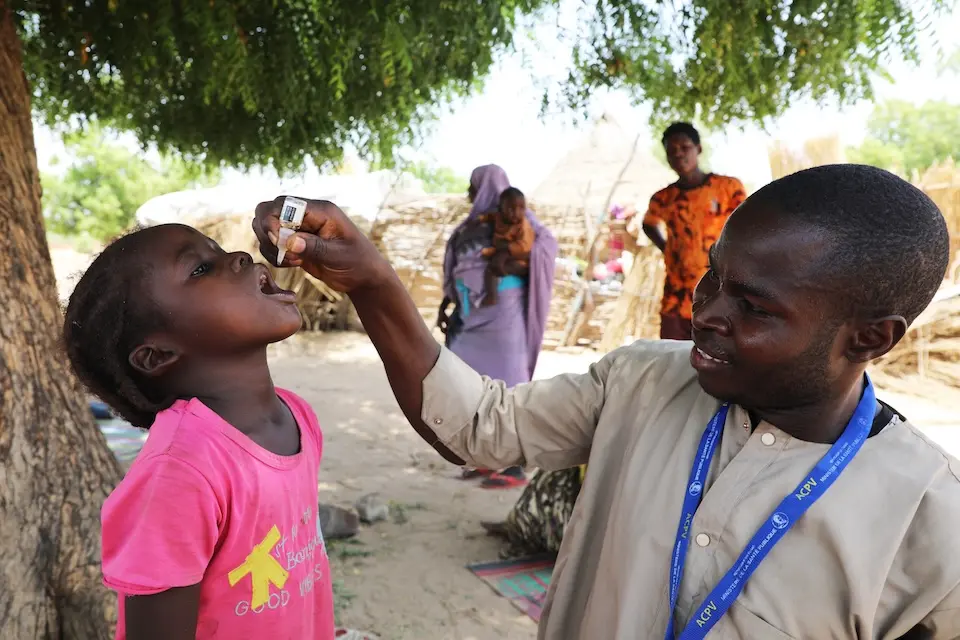
The Big Catch-Up launched in 2023 to address vaccination declines driven largely by the COVID-19 pandemic, as facilities became overwhelmed and routine services flagged or halted altogether. The number of zero-dose children increased by the millions during this time.
The campaign focused on narrowing critical immunity gaps in the 36 participating countries (listed below), by vaccinating children aged 1 to 5 who were either entirely unvaccinated or under-vaccinated. Another campaign priority was to address inequities in vaccine access.
Why Vaccines Matter for Children
Advancing vaccine equity
Millions of children every year miss the essential vaccinations they should receive before age 1. Most of them live in fragile, conflict-affected or underserved communities and are never caught up as they grow older.
The Big Catch-Up set out to catch up those older kids who should have received critical routine vaccines before the age of 1, but did not, and so remained vulnerable to preventable diseases.
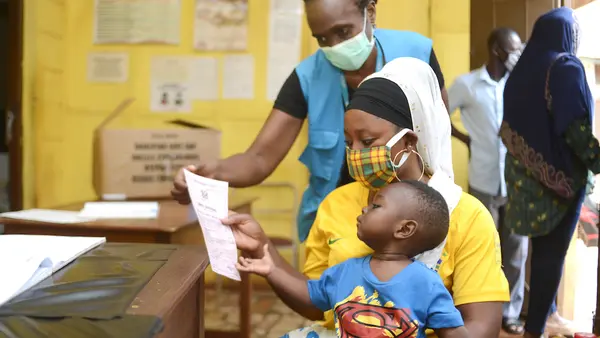
Health workers were trained to identify, screen and vaccinate missed children as part of routine care, engaging with communities and civil society to support catch-up efforts.
By expanding the reach of immunization to millions of previously missed children and their communities, and investing in systemic improvements, the Big Catch-Up has made it easier for the countries to ensure these populations and others like them continue to receive essential health and immunization services in the future.
But there is a difference between a successful catch-up effort — which is resource intensive and should only serve as a stop-gap measure — and building strong, sustainable routine immunization programs so that no child ever misses a vaccination, and sticks to the recommended schedule.
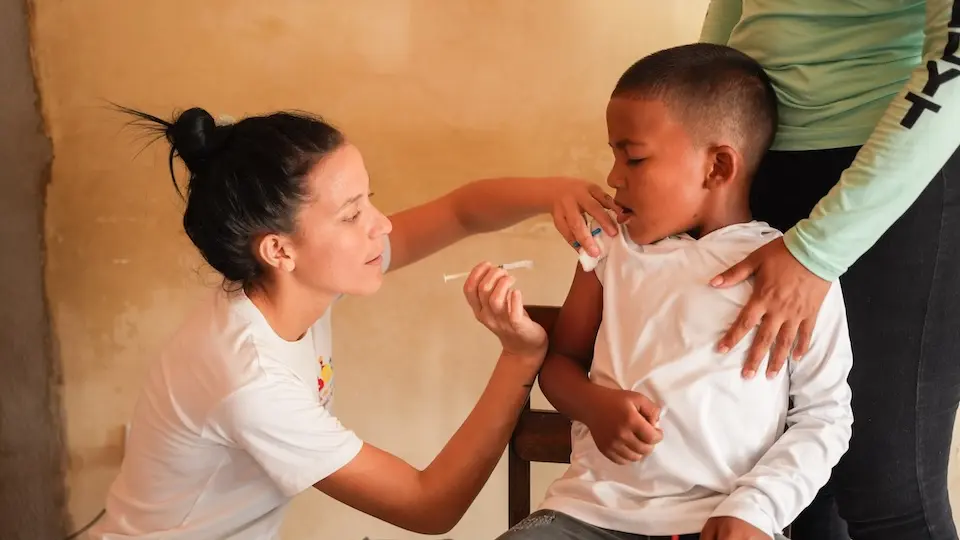
“Timely vaccination according to national immunization schedules provides optimal protection and continues to be the most sustainable way to safeguard children and communities,” the agencies noted in their statement.
“We've caught up with some of the children who missed routine vaccinations during the pandemic – but many more remain out of reach,” UNICEF Executive Director Catherine Russell said. “The gains made through the Big Catch-Up must be sustained through investment in strong, reliable immunization systems, especially at a time where measles is resurging."
Measles outbreaks have risen in every region of the world, with around 11 million cases in 2024, while the number of countries facing large outbreaks has tripled since 2021.
This surge, the agencies pointed out, is driven by persistent gaps in measles vaccination through routine immunization programs, compounded by declining vaccine confidence in some previously high-coverage communities.
Other key takeaways from the Big Catch-Up progress report:
- 12 countries — Burkina Faso, Democratic People’s Republic of Korea, Ethiopia, Kenya, Madagascar, Mauritania, Niger, Pakistan, Somalia, Tanzania, Togo and Zambia — reported reaching more than 60 percent of all zero-dose children under age 5; the numbers are calculated based on how many children missed their first dose of the diphtheria, tetanus and pertussis vaccine (DTP1)
- in Ethiopia, more than 2.5 million previously zero-dose children received DTP1 through the catch-up campaign; the country also delivered nearly 5 million doses of inactivated polio vaccine (IPV) and more than 4 million doses of measles vaccine, among other key vaccines, to un- and under-vaccinated children
- in Nigeria, 2 million previously zero-dose children were reached with DTP1, and 3.4 million doses of IPV were administered alongside millions of doses of other vaccines
The 36 Big Catch-Up participating countries are: Afghanistan, Benin, Burkina Faso, Burundi, Cameroon, Central African Republic, Chad, Comoros, Cote d'Ivoire, Democratic People’s Republic of Korea, Democratic Republic of the Congo, Ethiopia, Gambia, Guinea, Guinea-Bissau, Kenya, Kyrgyzstan, Madagascar, Mali, Mauritania, Mozambique, Myanmar, Nepal, Niger, Nigeria, Pakistan, Solomon Islands, Somalia, South Sudan, Sudan, Syria, Tajikistan, Tanzania, Togo, Yemen and Zambia.
Of these, 14 are classified by Gavi as undergoing fragility and conflict: Afghanistan, Burkina Faso, Cameroon, Central African Republic, Chad, Mali, Mozambique, Myanmar, Niger, Somalia, South Sudan, Sudan, Syria and Yemen.
All 36 countries received technical assistance from UNICEF and WHO and funding from Gavi through the initiative. Many other countries also implemented activities during the campaign to accelerate efforts to catch-up missed children and recover immunization services following pandemic-related backsliding.
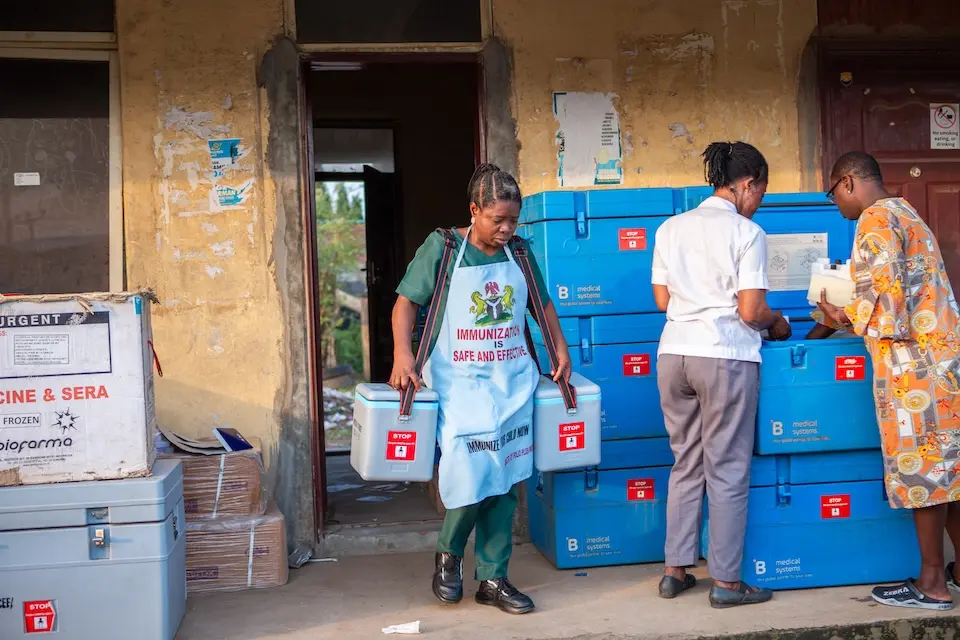
World Immunization Week: For every generation, vaccines work
UNICEF and its partners, alongside countries and communities, are marking World Immunization Week (April 24-30) with a joint campaign, "For every generation, vaccines work" — a call to action for countries to sustain and expand vaccination coverage at every age.
Learn how UNICEF strengthens routine immunization programs worldwide
For parents and caregivers: All About Vaccines
HOW TO HELP
There are many ways to make a difference
War, famine, poverty, natural disasters — threats to the world's children keep coming. But UNICEF won't stop working to keep children healthy and safe.
UNICEF works in over 190 countries and territories — more places than any other children's organization. UNICEF has the world's largest humanitarian warehouse and, when disaster strikes, can get supplies almost anywhere within 72 hours. Constantly innovating, always advocating for a better world for children, UNICEF works to ensure that every child can grow up healthy, educated, protected and respected.
Would you like to help give all children the opportunity to reach their full potential? There are many ways to get involved.