How to Build a Sustainable Future? Educate Children About the Environment
Advancing and sustaining climate adaptation, mitigation and resilience to secure a livable planet for future generations requires educating children about nature and the environment and building their green skills. A look at how UNICEF is helping today's youth become tomorrow's environmental leaders and champions.
Teaching future change makers to appreciate nature
Environmental pollution, biodiversity loss and the impacts of climate change affect every child on Earth — increasing their health, safety and protection risks and jeopardizing their futures.
UNICEF and partners are committed to expanding climate education programs around the world to ensure children gain the knowledge and skills they need not only to adapt to climate impacts but also to help mitigate them — to shape and steer the solutions.
Taking an integrated approach, UNICEF looks to align child-sensitive climate and environmental resilience education sector policy with implementation strategies, design, planning and financing. With a presence in more than 190 countries and territories around the world, UNICEF is uniquely positioned to support such efforts with local, national and regional partners. Collaborating with governments, civil society and the private sector is key.
Related: Accelerating climate action for children in — and through — education
A broad array of UNICEF-supported initiatives already under way reflect a number of priorities within this area of work. They include:
- developing and integrating environmental resilience curricula into schools and other places of learning
- advancing and reinforcing the concept of environmental stewardship among children and adolescents through activities such as planting gardens and other green spaces on school grounds
- improving school infrastructure to better withstand extreme weather — and engaging students in that process
- establishing strong school safety guidelines, policies and procedures to better prepare students and teachers for natural disasters and reduce disaster risks — consulting with students in design, development and implementation of those plans
- enhancing education skills building and training programs to better equip young people with the tools and resources they need to participate and excel within the blue/green economy of the future
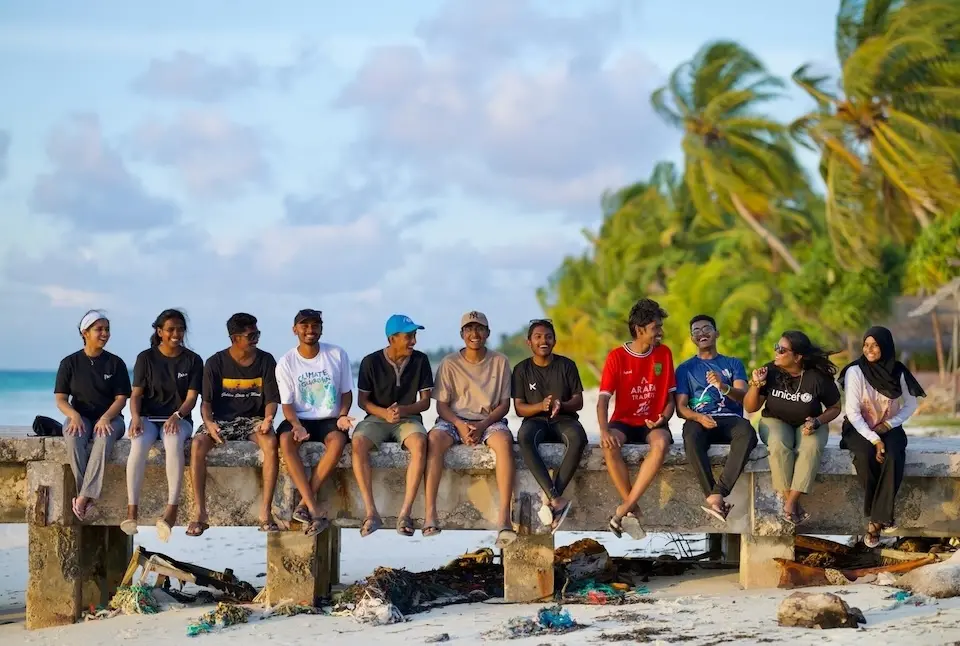
- supporting young people already taking action to protect their local environment and strengthen resilience in their communities — from volunteering for conservation, clean-up and recycling efforts to running public advocacy campaigns to launching green ventures as innovators and entrepreneurs
Related: UNICEF and the Green Rising: Mobilizing Youth to Drive Climate Action
Some examples:
Training adolescents in water system management
In Burundi, UNICEF is supporting efforts to establish resilient water supply networks using solar-powered systems serving health care facilities, schools and homes. To strengthen local accountability and sustainability of these systems, UNICEF trains community members — including adolescents — to help manage them.
UNICEF also supports school environmental clubs for children and adolescents dedicated to combatting the impacts of environmental degradation at their schools and in their homes.
Related: How to Support Children in Burundi with UNICEF
Supporting school 'Environmental Lovers' clubs
In Malaysia, UNICEF is working to equip school children aged 7 to 17 with the knowledge, skills and agency to respond to environmental degradation and related disasters. Activities include:
-
integrating environmental sustainability and disaster risk reduction into school curricula and developing inclusive, locally relevant and child-friendly teaching and learning materials
- scaling an environmental education program in primary schools to increase awareness of low-carbon practices
- scaling Environmental Lovers Clubs at primary and secondary schools
- rolling out an education module to primary schools nationwide that includes experiential learning and participatory methods that empower students to be leaders in building community resilience
Related: UNICEF in Asia
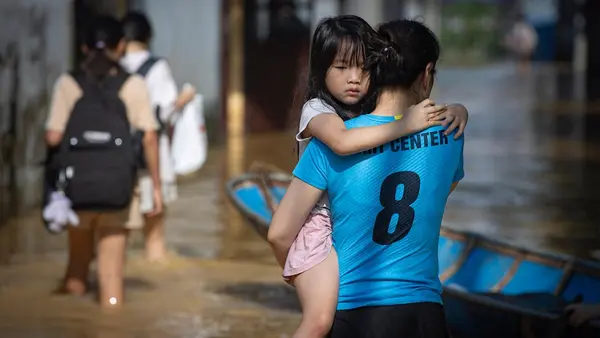
Involving schools — and students — in disaster risk reduction and response
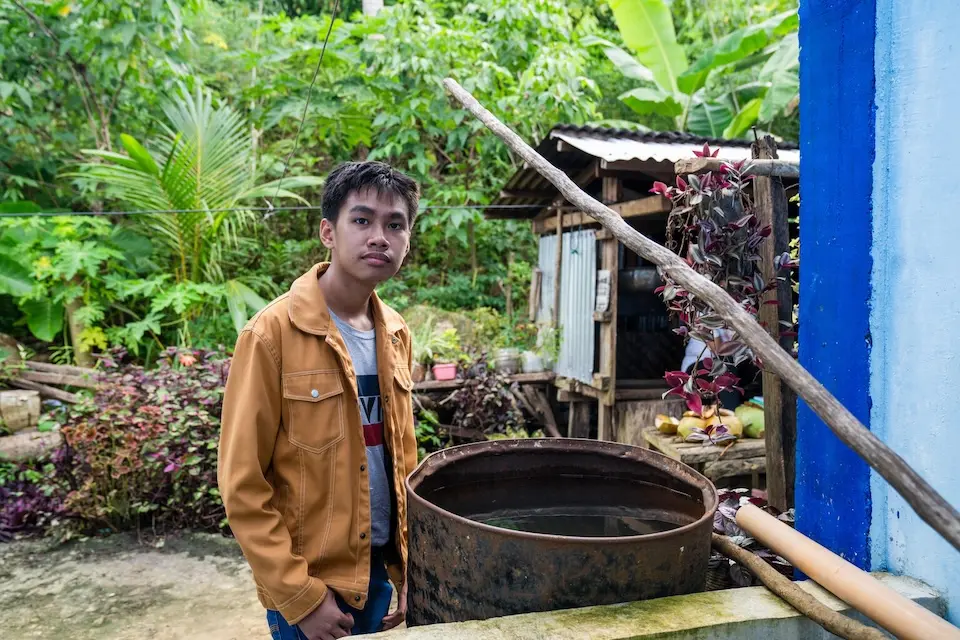
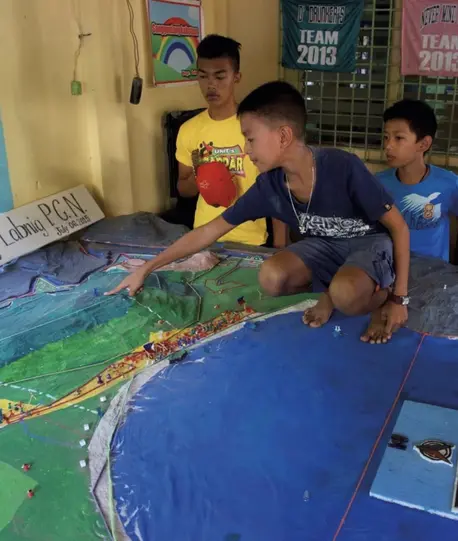
In the Philippines, UNICEF views children and young people as playing a significant role in disaster risk reduction, with schools being a main entry point for response plan design and implementation.
There are disaster risk reduction-focused school youth councils and community youth groups; young people participate in risk assessments and 3D hazard mapping, evacuation planning and community organizing/awareness raising. First aid trainings are offered to youth as well as adults.
UNICEF also supports efforts to revise both school and village emergency plans to ensure they are risk-informed and are child centered.
There are a number of youth-led climate actions ongoing in the Philippines as well, including projects focused on reducing single-use plastics, harvesting rainwater and creating urban green spaces.
Young people are also involved in advancing the use of renewable energy and establishing and running eco-data sharing platforms. And island-based high schools use a UNICEF-supported radio network to share weather information, an enhancement to the nation's early warning system.
Related: UNICEF in the Philippines
Nurturing the next generation of environmental reporters and advocates
In South Africa, UNICEF supports a program called Enviro-Champs, where youth take on various projects in their communities as a way to build their skills and open doors to future employment. Participants can join the associated Youth Agency Marketplace and its Green Challenge, earning rewards from their various activities that can be converted into vouchers for data, food or other practical needs. The platform also offers digital training and job leads.
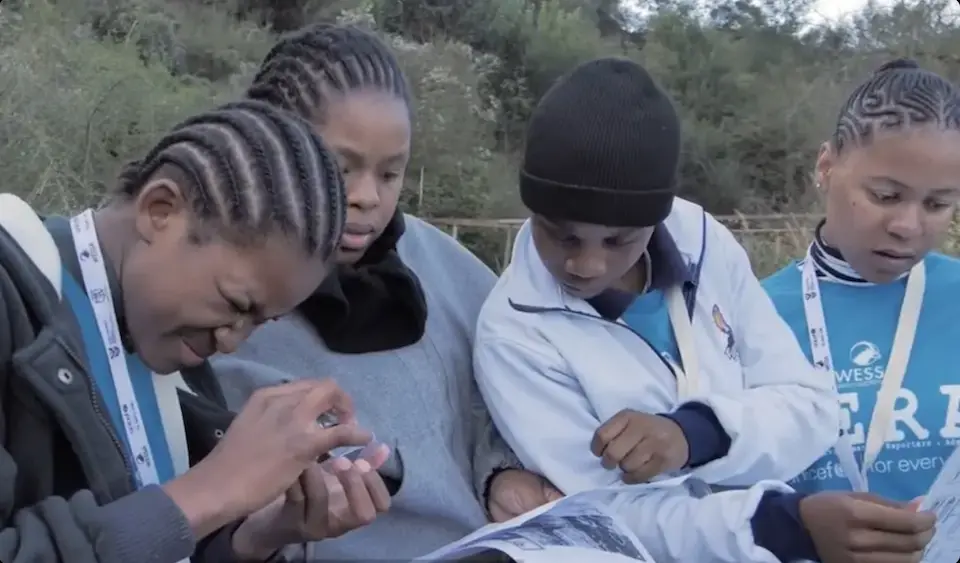
Through a separate Youth Environmental Reporters and Advocates (YERA) program, young people aged 11 to 25 work in teams to study environmental issues, learning about environmental law, data collection and research, climate justice and more. Some 400 young reporters have already received training through the YERA program.
Related: UNICEF in South Africa
THE NAT, a new community of people and groups committed to raising private capital to fund nature restoration projects, has tapped UNICEF to be a partner in climate education. Visit thenat.com to learn more.
HOW TO HELP
There are many ways to make a difference
War, famine, poverty, natural disasters — threats to the world's children keep coming. But UNICEF won't stop working to keep children healthy and safe.
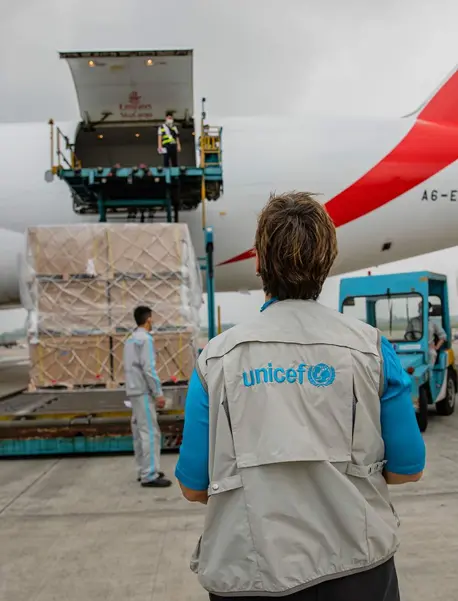
UNICEF works in over 190 countries and territories — more places than any other children's organization. UNICEF has the world's largest humanitarian warehouse and, when disaster strikes, can get supplies almost anywhere within 72 hours. Constantly innovating, always advocating for a better world for children, UNICEF works to ensure that every child can grow up healthy, educated, protected and respected.
Would you like to help give all children the opportunity to reach their full potential? There are many ways to get involved.