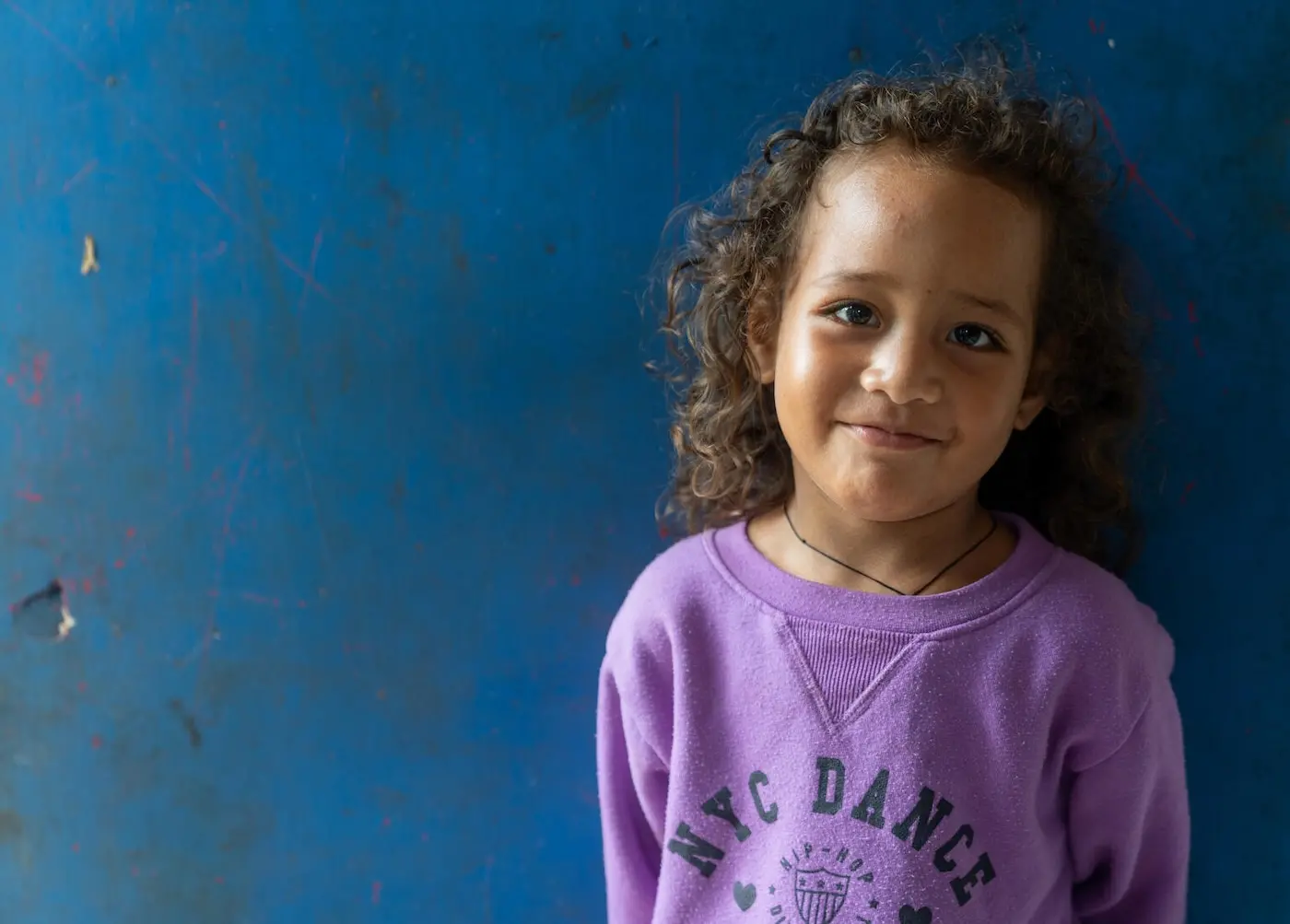
Help Children in Tonga
Tonga’s location in the Ring of Fire makes the country uniquely vulnerable to climate shocks and disasters, like the devastating volcanic eruption and tsunami in January 2022. UNICEF works for the betterment of children in Tonga, in times of emergency and stability.
Why UNICEF works in Tonga
Located in the South Pacific Ocean, Tonga is an archipelago of more than 170 islands, many of which are uninhabited. While Tonga has worked to achieve an upper-middle-income economy, inequity and persistent poverty pose significant problems for vulnerable children.
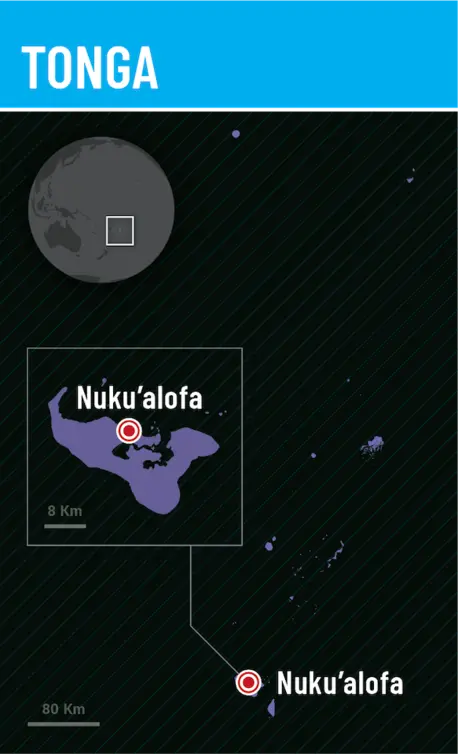
Tonga lies within the Ring of Fire — a tectonic belt of volcanoes and earthquakes — meaning that the country is highly vulnerable to tectonic activity and volcanic eruptions, creating humanitarian crises. UNICEF works in Tonga to not only provide emergency response, but also strengthen health, education, social protection and disaster resilience systems.
Learn more about UNICEF’s work in Asia and the Pacific
Challenges facing children in Tonga
Despite Tonga’s upper-middle-income economy, an estimated one in five adults — and one in three children — live below the national poverty line. Children are more likely to be living in extreme poverty, meaning that they lack five or more necessities. Poverty rates are higher in rural and outer-island areas.
Women, young girls and children with disabilities in Tonga face discrimination, limited access to health care and education as well as few employment opportunities.
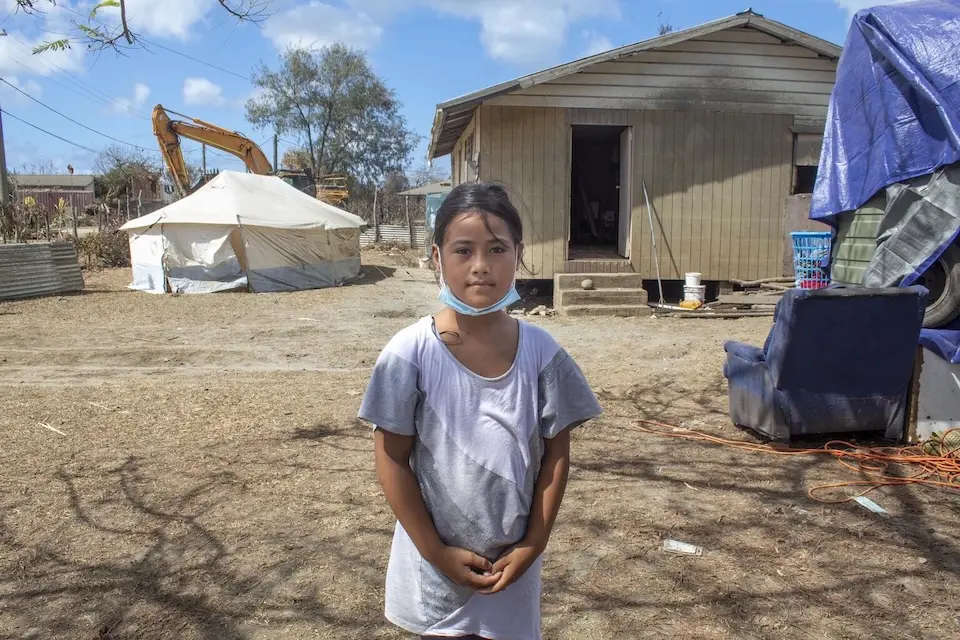
Children and families in Tonga were dealt a significant blow in January 2022, with the largest volcanic eruption in over 30 years. The Hunga Tonga-Hunga Ha’apai volcanic eruption caused an earthquake and a tsunami and left 99 percent of the country covered in volcanic ash. The widespread destruction cost an estimated $90 million in damages. Buildings and crops were destroyed, water systems were affected, schools were closed and families and children could not meet their basic needs.
Learn more about how natural disasters impact children in Tonga
How UNICEF is making a difference
UNICEF has been working in the Pacific Islands, including Tonga, since the late 1970s, advocating for the rights of children and delivering development programs.
In partnership with local governments and communities, UNICEF focuses on improving access to health care, education and safe, clean water, while also strengthening child protection through cash transfers. UNICEF also provides support during emergencies, delivering lifesaving assistance to children and families.
Learn more about UNICEF emergency response
Health and nutrition programs
Around one in six Pacific island children experience severe child food poverty due to hardship, inequity and climate crises. UNICEF works in Tonga and across the Pacific Island region in collaboration with national and local governments to improve the quality of health and nutrition services — preventative, promotive and curative.
Efforts include improving polices and regulations for a better food system that promotes healthier food options. Specifically, UNICEF works to implement quality high-impact nutrition interventions as well as promote policies and regulations that are more responsive to nutrition.
Climate Change and Child Nutrition
UNICEF also trains health facility staff and community health workers to strengthen their capacity to respond to disease outbreaks. An innovative distance education program called “Health Care on Air" uses radio as the main delivery platform and the internet for interactive discussion; during the COVID-19 pandemic, this program reached more than 4,400 health workers in remote locations across 12 Pacific Island countries, including Tonga, with the training and support they needed to respond.
UNICEF-supported immunization programs have focused on protecting children in Tonga and across the Pacific from vaccine-preventable diseases such as Rotavirus, Pneumococcal disease and Human Papillomavirus. UNICEF assists with vaccine procurement, transport and storage, provides technical assistance and training to health workers administering the vaccines, and helps educate parents about the benefits of child immunization.
More about how UNICEF supports child immunization
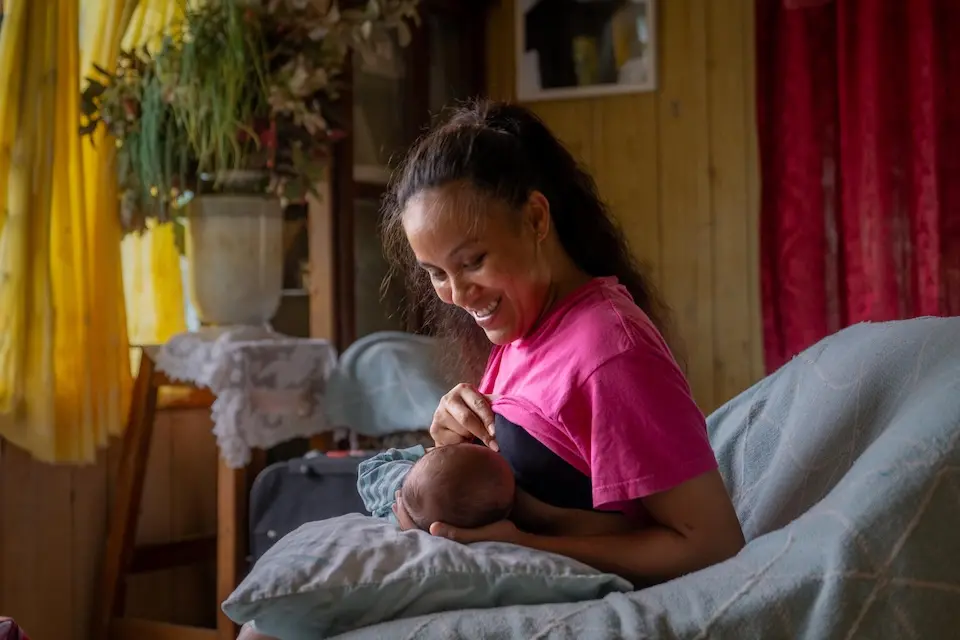
With UNICEF's help, Tonga was the first Pacific Island country to conduct the 2024 Multiple Indicator Cluster Survey, which was developed by UNICEF to improve data collection on children and families worldwide across a range of indicators including health, education and child protection. Survey results are meant to inform policymakers, stakeholders, international partners and other decision makers and support the implementation of sound strategies that drive sustainable development.
Learn more about UNICEF’s health and nutrition interventions
Education and early learning
In Tonga, almost every child completes primary school. However, completion rates fall as students get older, with just over 90 percent completing lower secondary school and about 45 percent finishing upper secondary grades. To improve completion rates, the Tongan government, along with help from UNICEF, is focused on cementing the importance of education for students in early childhood and beyond.
UNICEF is committed to making sure every child has access to a quality education, no matter who or where they are. One way UNICEF does that in Tonga is by providing training on differentiated lesson planning and inclusive education, contributing to the launch of inclusive education policies in Tonga.
In August 2023, all early childhood education teachers in Tonga, including those in the most remote island schools in the country, were trained on a new curriculum framework, called “Learning through Play the Heilala Way.” This framework uses play-based approaches through a Tongan cultural lens and is named after the national flower of Tonga. UNICEF helped to provide technical and financial support for the development and rollout of the new curriculum.
As climate change poses increasing and continuing threats to education systems in Tonga, UNICEF has also supported emergency preparedness and will continue to provide crisis support when needed.
Learn more about early childhood education in Tonga
Water, sanitation and hygiene (WASH) efforts
Although most families in Tonga have benefitted from improved water and sanitation facilities as well as good hygiene practices, significant gaps remain. Over 90 percent of people in Tonga have access to drinking water, but that coverage isn’t always equal or safe. Only about 70 percent of the population has access to basic hygiene services at home, and in about 85 percent of schools.
Climate change, meanwhile, is threatening progress, bringing on more natural disasters including prolonged droughts, heightening children's risks of disease and malnutrition. The thick blanket of volcanic ash that covered almost the entire country following the 2022 eruption made the air hard to breathe and contaminated water sources.
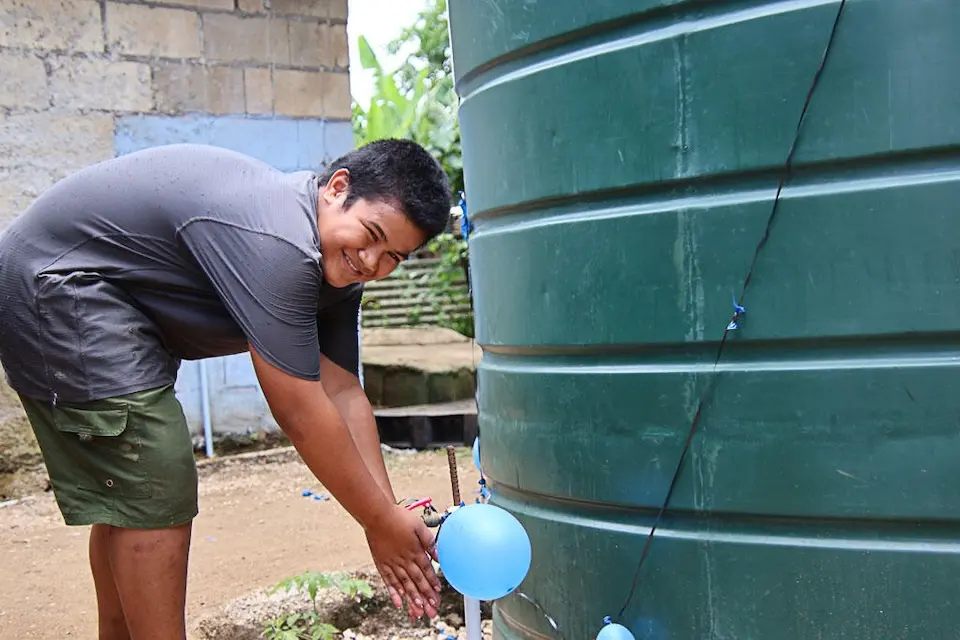
WASH support to children and families was the focus of UNICEF's emergency response. Efforts included distributing WASH kits and household water treatment supplies and the installation of 10,000-liter water tanks.
UNICEF programs providing safe, clean water
Protecting vulnerable children
In the aftermath of emergencies, children and families are left increasingly vulnerable and in need of social protection. UNICEF works with the government of Tonga to ensure children are supported during a crisis and beyond.
One example of this work is through the creation of child-friendly spaces, which aim to provide a safe, engaging and nurturing environment for all children during and after an emergency. UNICEF works to ensure that every child-friendly space is created with the most vulnerable children in mind, including those with disabilities.
Following the Hunga Tonga-Hunga Ha’apai volcanic eruption, child-friendly spaces were set up where children could play safely. In addition, 80 church volunteers previously trained by UNICEF were activated to provide psychological first aid and psychological support to traumatized children and their families. In the first year following the eruption, about 10,000 children and caregivers had been supported with psychosocial support interventions.
Following that disaster, UNICEF partnered with the government of Tonga to implement a humanitarian cash transfer program benefiting 3,200 households targeting those with children and children with disabilities. The initiative strengthened Tonga’s social protection system, enhancing its capacity to respond to future shocks — and has since become a model for social protection systems in other disaster-prone Pacific Island countries.
In November 2024, UNICEF helped the government launch its first national program focused on child protection and mental health and psychosocial support for children. The program is designed to address the diverse needs of communities while engaging with caregivers in promoting family mental health.
Learn more about child-friendly spaces after Tonga eruption
Learn more about Tonga’s ratified child-labor treaty
Learn more about UNICEF’s child protection in emergencies
How you can help
Help UNICEF support children in Tonga and around the world. Whether through a one-time donation, monthly gift, starting a fundraiser or advocating for children on social media, your support will go directly towards the health, safety and empowerment of children.
Ways to support UNICEF’s disaster relief
Help children in Tonga and around the world
Frequently Asked Questions
Why does UNICEF work in Tonga?
UNICEF supports Tonga by providing technical assistance and resources for health, nutrition, education, WASH, disaster risk reduction and child protection, with a focus on marginalized groups. UNICEF also works to strengthen data collection systems and collaborate closely with government and partners to ensure evidence-based policies and reach the most vulnerable children.
What challenges do children in Tonga face today?
Tonga faces persistent poverty and inequality, with 20.6 percent of the population living below the national poverty line; poverty rates are even higher in rural and outer island areas, and children are disproportionately affected.
Tonga's economy is growing, yet the nation remains vulnerable to climate shocks and requires strengthened social protection and disaster resilience to sustain development progress.
How can I help children in Tonga through UNICEF?
You can donate, give monthly or fundraise. Your support enables UNICEF to deliver safe, clean water, education, health services and protection during emergencies and recovery to vulnerable children around the world.
What did UNICEF do after the 2022 Tongan volcanic eruption?
UNICEF immediately provided safe‑water kits, WASH supplies, health and vaccination support, school resources and psychosocial care and provided cash transfers to reach the most vulnerable families. UNICEF continues to support Tonga by providing technical assistance and resources for health, nutrition, education, WASH, disaster risk reduction and child protection, with a focus on marginalized groups. UNICEF is also strengthening data systems, helping Tonga launch a survey in 2024 to monitor the health and well-being of children and families.