DRC Ebola Outbreak: 3M Children at Risk as Cases Keep Rising
Highlights
- Ebola risks for children in DRC are compounded by ongoing conflict, displacement and weak health systems.
- UNICEF is assisting with infection prevention, engaging communities to stop transmission, caring for children while caregivers get treated and working with partners to maintain essential services.
- More donor support is urgently needed to close funding gaps.
UNICEF is helping to contain the outbreak of deadly Ebola virus disease in the Democratic Republic of the Congo. "When communities, government and partners act together, lives are saved."
Updated July 20, 2026
As Ebola cases continue to climb in the Democratic Republic of the Congo, UNICEF estimates that some 3 million children and adolescents remain vulnerable, to the disease itself as well as to the mounting risks that result from disruptions to essential social services.
The outbreak was declared in eastern DRC on May 15, 2026. It is the country's third-largest but the fastest-growing on record.
Containing Ebola requires collective action and a faster response
"Ebola can be contained, provided that we act faster and more collectively," UNICEF Regional Director for West and Central Africa Gilles Fagninou said after visiting DRC's eastern Ituri province, the outbreak epicenter. Four other provinces are affected: North Kivu, South Kivu, Haut-Uélé and Tshopo.
As of July 18, 2026, there are 2,344 confirmed cases reported in DRC, with 930 deaths and 466 recoveries, according to the World Health Organization. In Uganda, the number of confirmed cases has held steady at 20, with two confirmed deaths.
Infections are linked to the rare Bundibugyo strain. Continued spread in the context of conflict, insecurity, population displacement and limited access makes the response both more complex and more urgent, Fagninou said.
When communities, government and partners act together, lives are saved.
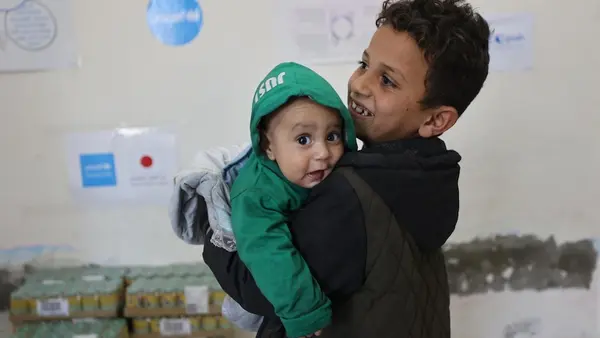
“Yet, on the ground, despite these challenges, I also saw reasons for hope," he added. "In Bunia, I met a three-month-old infant who had recovered from Ebola and a nine-month-old child who, despite the loss of both parents, is gradually smiling again thanks to the psychosocial support and protection services put in place with our partners. These children embody an essential reality: when communities, government and partners act together, lives are saved."
The race to save lives: UNICEF on the ground in DRC
UNICEF and partners have been on the ground in eastern DRC from the start, assisting government-led efforts to contain the spread of disease within affected communities and beyond.
Teams are also helping to sustain critical systems to protect children from the fallout of an outbreak that is only compounding existing vulnerabilities fueled by years of conflict and displacement in the region and weaknesses across health system. Hospitals and clinics are often short on supplies, and surveillance and response efforts are complicated by the fact that people are constantly on the move, fleeing violence, following mining routes or seeking services.
UNICEF's ongoing priorities include:
-
mobilizing communities and fighting misinformation
-
strengthening infection prevention and control
-
protecting affected children
-
providing community-based surveillance
Fagninou said he was particularly encouraged by the nurseries set up near Ebola treatment centers, which provide a safe environment for young children when their parents are hospitalized. "This innovative approach deserves to be expanded," he said.
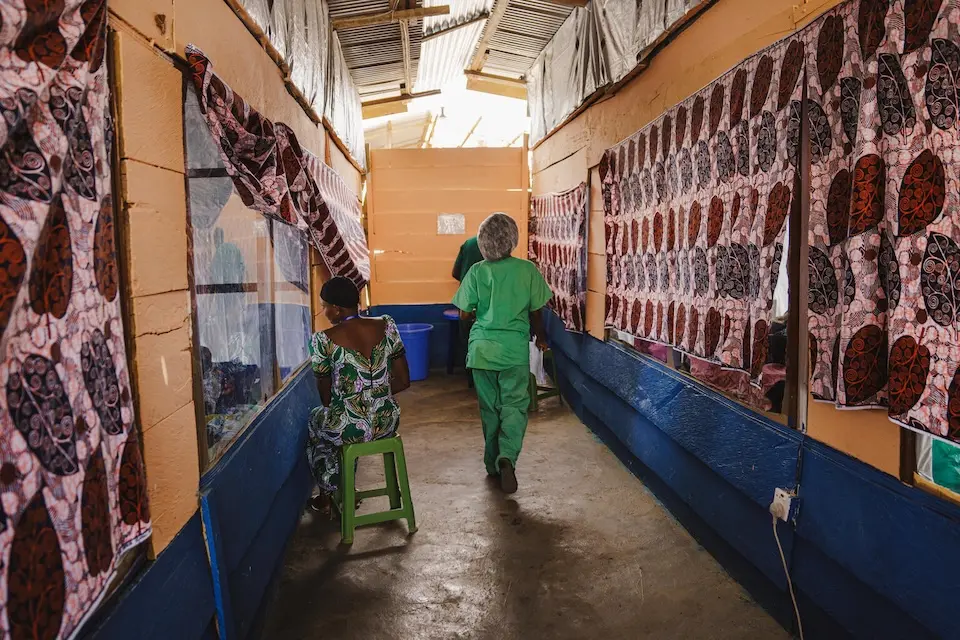
Widespread malnutrition among children is one factor compounding risks to children. In Ituri, more than half of children under age 5 are chronically malnourished. More than 1 in 5 are zero-dose children, meaning they have never received a single vaccine.
The World Health Organization declared the outbreak a public health emergency of international concern on May 17, 2026. So far the outbreak remains confined to DRC and Uganda, with no confirmed cases reported in neighboring countries to date.
Related: The Race to Save Lives: UNICEF Ramps up Ebola Response
As in past Ebola outbreaks in the region, the youngest face the highest fatality rates, with children and adolescents almost twice as likely to die from the disease as adults. So far, children represent around 15 percent of the confirmed cases, yet account for over 25 percent of confirmed deaths. To date, at least 135 children have been left orphaned.
There are other risks driven by fear. Health workers report that people have stopped coming in for routine care because they are afraid, and when families stop seeking care, children miss vaccinations and illnesses go untreated. "The outbreak starts costing lives it never directly touched," explains Douglas Noble, UNICEF's Global Lead for Public Health Emergencies and Global Incident Manager for Ebola Douglas Noble.
Recovering from Ebola is possible, with early detection and intervention
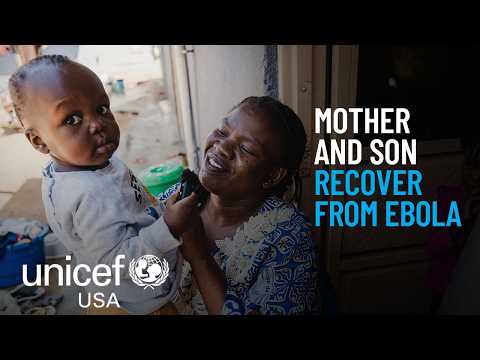
Mireille Kahindo and her 16-month-old son Miki both recovered from the disease after receiving medical care and psychosocial support at the UNICEF-supported Rwampara Ebola Treatment Center.
"From the beginning, I was put on preventive treatment including rehydration, antibiotics, vitamins and zinc," Kahindo said. "I only experienced a few headaches and occasionally diarrhea, but nothing very severe, thank God."
Several other patients who came in during her stay at the center did not make it. "It was stressful, seeing bodies being taken out, others arriving in critical condition," she said.
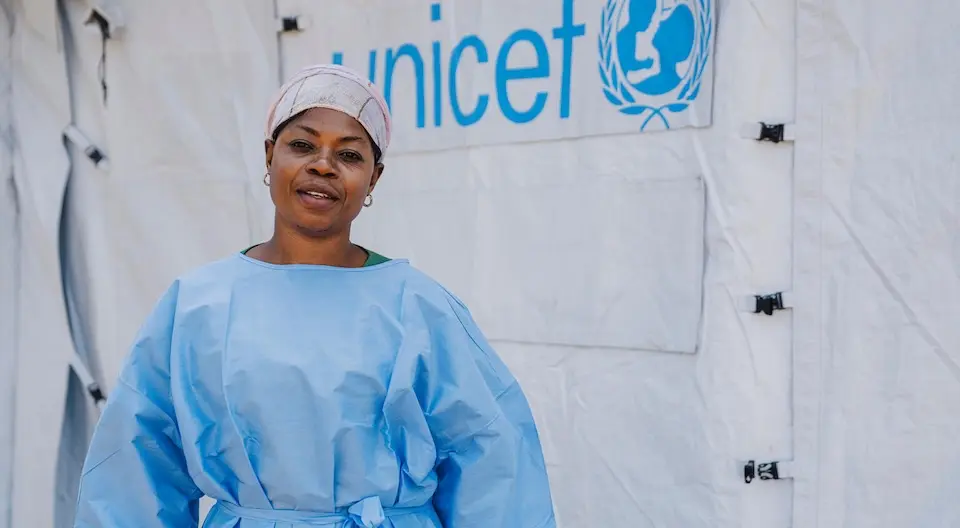
UNICEF and partners are supporting service providers and service delivery at Rwampara and other treatment centers across Ituri, where the outbreak continues to affect many communities.
Learn more about Ebola and UNICEF outbreak response
As part of its emergency response, UNICEF is providing support to children left orphaned by the outbreak, including help finding alternative care arrangements. Three nurseries have opened to provide care for infants and young children while their sick parents and caregivers receive treatment.
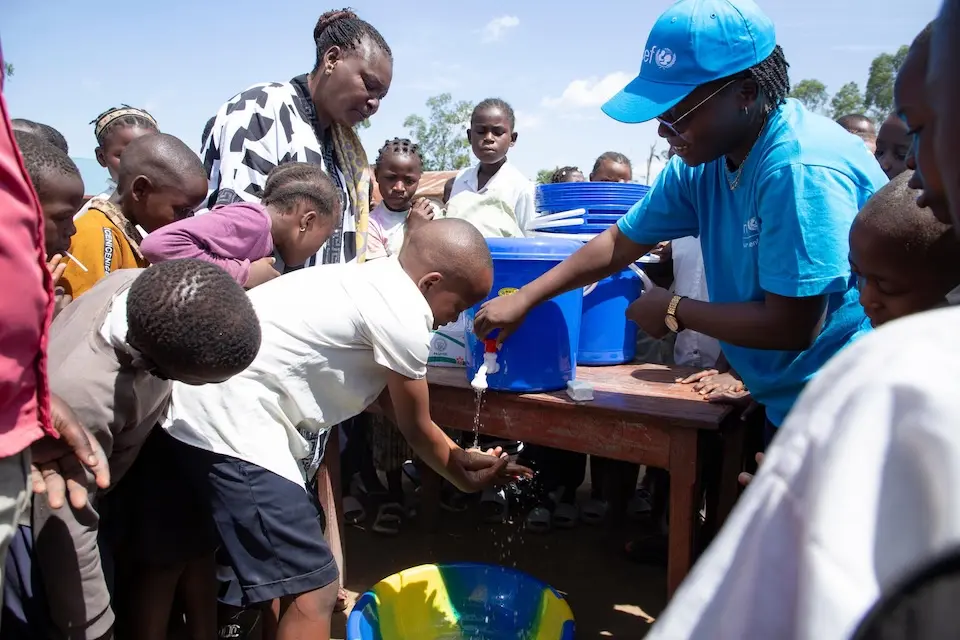
Other outbreak response efforts are well underway as part of a six-month plan that includes infection prevention and control measures along with public information campaigns to counter misinformation and encourage lifesaving practices like regular handwashing.
"Preparedness, infection prevention and control, and building community understanding and trust are our frontline tools," Noble said. “And that trust cannot be taken for granted." A recent UNICEF U-Report survey of 50,000 young people in the DRC found that two-thirds were not aware how Ebola spreads or how to protect themselves.
Supporting community engagement to stop Ebola
UNICEF and partners are also supporting efforts to ensure continued access to routine health care, including immunization, nutrition, water and sanitation, child protection and other critical services that were under strain even before the current emergency.
Such conditions make Ebola especially risky, as early symptoms can be mistaken for other illnesses such as malaria and delay detection, increasing risks of contagion. Infectious disease outbreaks also tend to increase the risk of violence, including sexual violence, against women and girls.
Related: UNICEF and Gavi call on manufacturers to speed access to Bundibugyo Ebolavirus vaccines
The importance of risk communication and community engagement
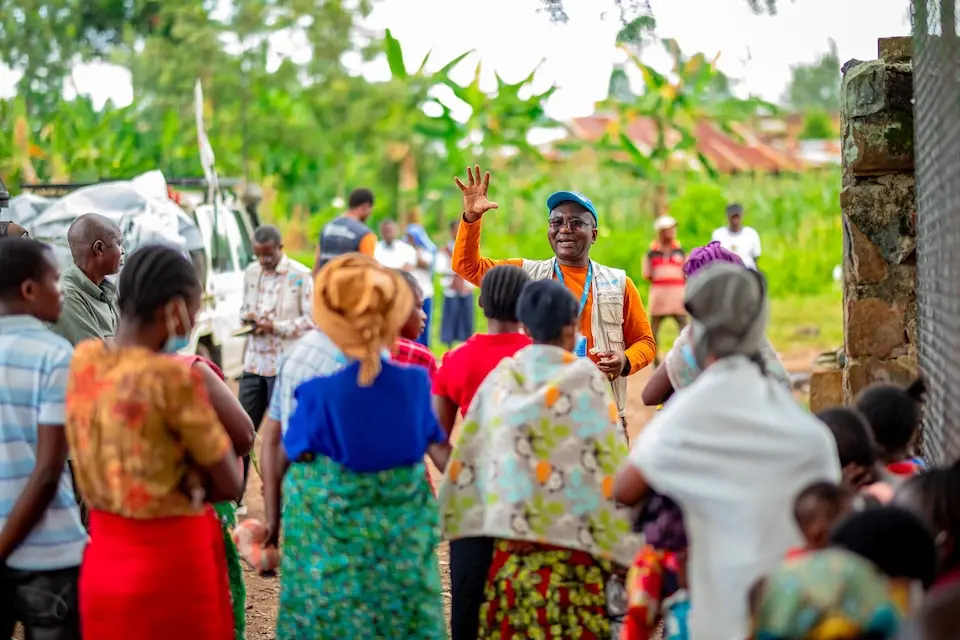
To help strengthen the government-led Ebola response in eastern DRC, UNICEF and partners have deployed strategic field missions to outbreak hotspots to reinforce diagnostic capacity, safe patient care, rapid case detection, risk communication and community engagement.
So far UNICEF and partners have trained and mobilized more than 5,700 frontline workers and community actors and have reached over 1 million people with messages on Ebola prevention and response. UNICEF-supported responders have conducted approximately 27,000 household visits and other activities to identify suspected cases, community deaths and high-risk contacts.
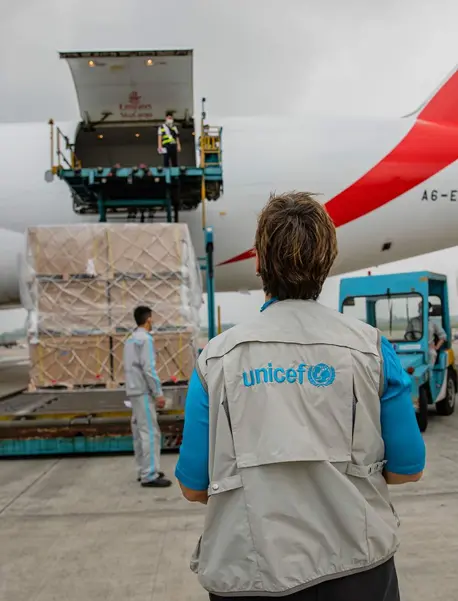
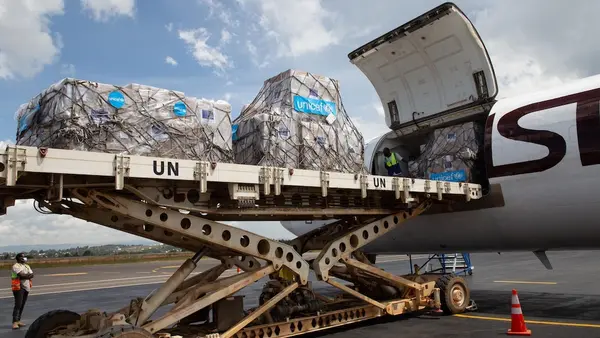
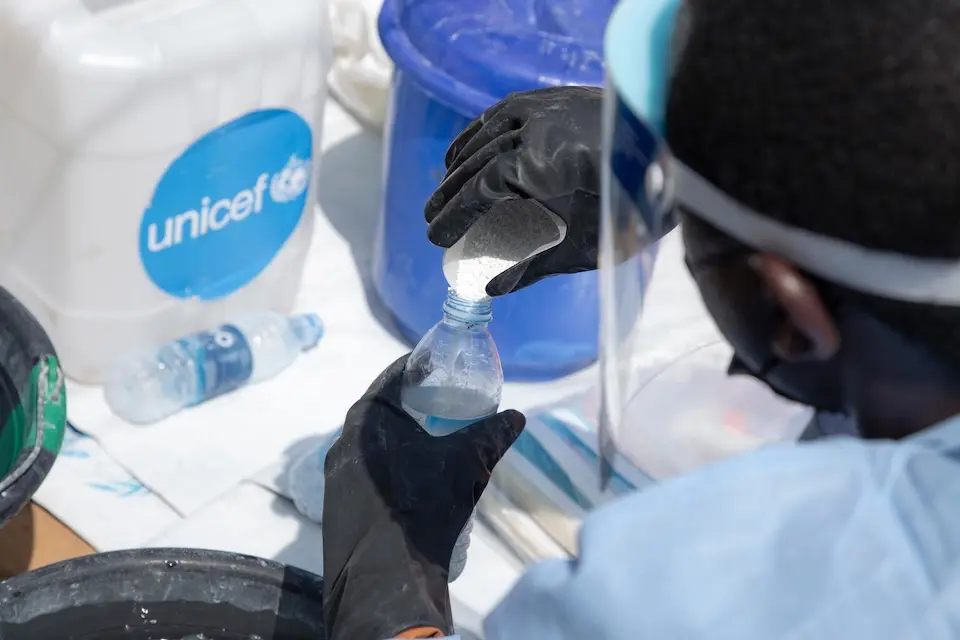
Supplies have been provided to seven Ebola treatment centers, 15 health facilities in Ituri, 154 examination centers and 12 schools. UNICEF-supported teams are conducting decontaminations and supporting safe and dignified burials.
"We can spare children the worst of it," Noble said. "Fast detection, strong pediatric care, monitoring of contacts and communities that are informed and engaged can help us bring this outbreak under control."
Read UNICEF's latest DRC Ebola humanitarian situation report
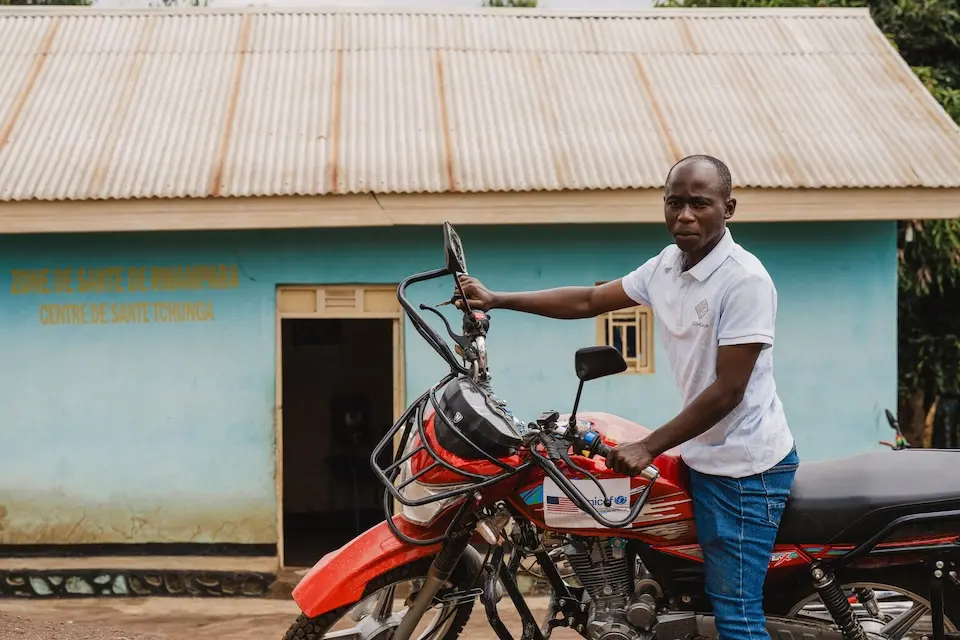
In Uganda, where the outbreak remains confined to imported cases and primary contacts (drivers and health workers), UNICEF has reached over 120,000 people with Ebola prevention messages and has supported at least 19 children under quarantine.
So far UNICEF has procured more than $3.3 million in supplies for the response in DRC and Uganda and to support readiness at neighboring at-risk countries.
Support urgently needed to close funding gaps
In the DRC, UNICEF is expanding its response from 21 to 51 affected and high-risk health zones. The revised six-month response plan, projected to cost $119.3 million, is facing an 80 percent funding gap.
"The challenge is not the lack of solutions, but the lack of funding to deploy them at the scale needed," Fagninou said. "As the virus progresses, resources are not keeping pace. Containing this epidemic is within our reach. This requires strengthened collective action, an accelerated response and sustained international solidarity alongside the government and affected communities.”
HOW TO HELP
There are many ways to make a difference
War, famine, poverty, natural disasters — threats to the world's children keep coming. But UNICEF won't stop working to keep children healthy and safe.
UNICEF works in over 190 countries and territories — more places than any other children's organization. UNICEF has the world's largest humanitarian warehouse and, when disaster strikes, can get supplies almost anywhere within 72 hours. Constantly innovating, always advocating for a better world for children, UNICEF works to ensure that every child can grow up healthy, educated, protected and respected.
Would you like to help give all children the opportunity to reach their full potential? There are many ways to get involved.