Climate Shocks and Aid Cuts Deepen Somalia's Hunger Crisis
Highlights
- Families in Somalia are losing their homes and livelihoods to the climate crisis
- Projected flooding from heavy El Niño rains could trigger new waves of displacement and push more children into acute malnutrition
- UNICEF needs more support to open nutrition centers, provide safe water and get children back in school
Projected flooding and funding shortfalls could worsen Somalia's hunger crisis and push more people —especially children — into extreme food insecurity and acute malnutrition. Here's how to help.
Families in Somalia face global warming, displacement, deepening hunger — and humanitarian aid cuts
The families crowded into an informal camp for the displaced in Burhakaba district, Bay region, Somalia have never been in an airplane, never owned a car, never used AI. They don't have electricity or air conditioning. Yet these families with zero carbon footprint have lost their homes, their crops and their livestock to the climate crisis.
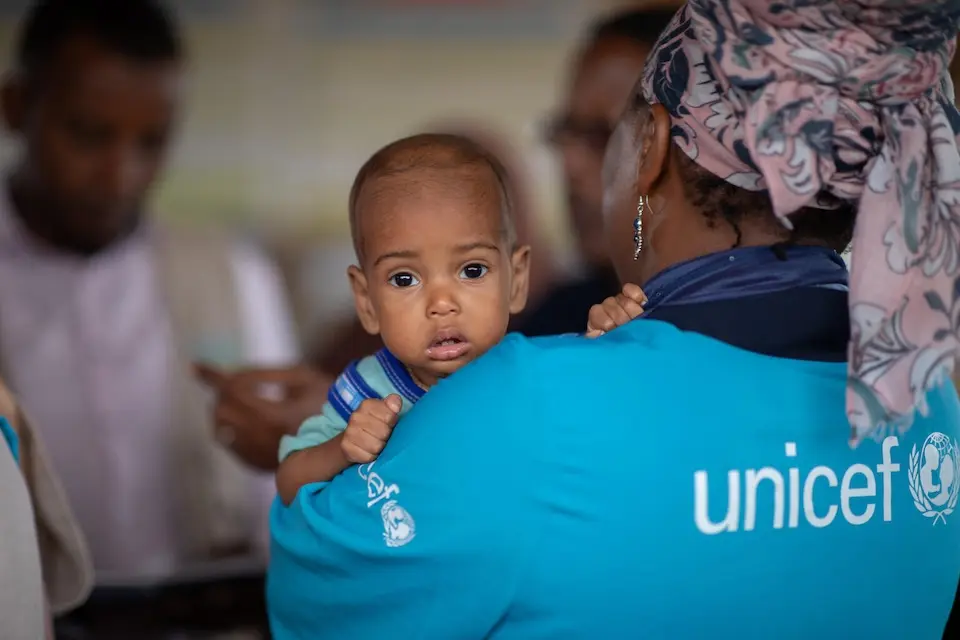
Fragile livelihoods have left many parents struggling to feed their children. As millions of people across Somalia continue to face high levels of hunger, acute malnutrition among children is set to worsen in the coming months due to heavy flooding associated with the anticipated El Niño season. At the same time, unprecedented cuts to humanitarian aid are taking a severe toll, forcing the closure of urgently needed health and nutrition centers and other facilities Somalia's children need to survive.
Video:
Analysis shows 5.4 million people in Somalia will face crisis levels of hunger or worse between October and December 2026
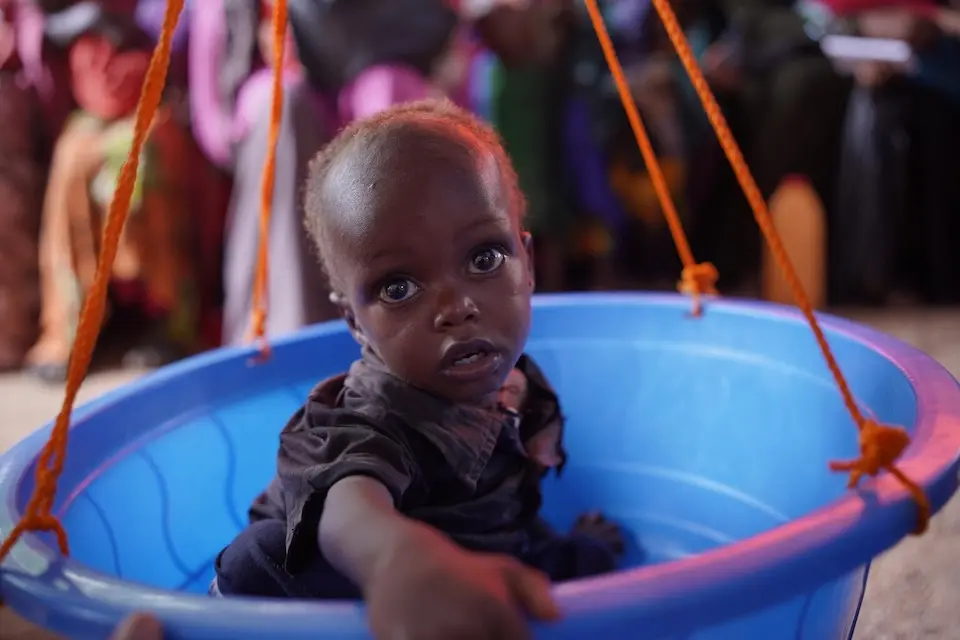
The latest Integrated Food Security Phase Classification (IPC)* analysis projects that 5.4 million people in Somalia will face crisis levels of hunger or worse from October to December 2026, including 1.5 million people facing emergency levels of hunger or worse. According to the IPC analysis, 1.92 million children under age 5 will require treatment for acute malnutrition between July 2026 and June 2027, including 433,000 children with severe acute malnutrition, the deadliest form.
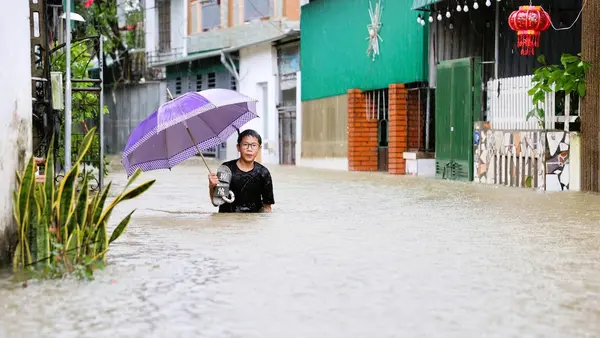
The last three months of 2026 carry the highest risk, as floods are projected due to heavy El Niño-induced rains. Rural riverine and agropastoral communities will be hit the hardest — destroying crops and livestock, cutting households off from markets and income, and triggering new waves of displacement.
According to the Somalia Disaster Management Agency (SODMA), 2.5 to 3.5 million people could be exposed to flooding, with 1 million likely to be displaced from areas where they farm and graze livestock, swelling the ranks of people already facing acute hunger.
Learn more about Child Hunger, Malnutrition and Global Food Crises
Now is not the time to turn away: children in Somalia need help now
According to the IPC assessment, acute malnutrition in Burhakaba district, Bay region, Somalia, which was at risk of famine in April, has improved, as a combined result of the Gu spring rainy season and a scale-up of the humanitarian response in that district.
Current analysis indicates a risk of famine in Baidoa, also in Bay region, where internally displaced people (IDPs) face both catastrophic hunger risk and extremely critical malnutrition classifications. Forecasts provide a narrow but critical window to act before the most severe consequences are felt.
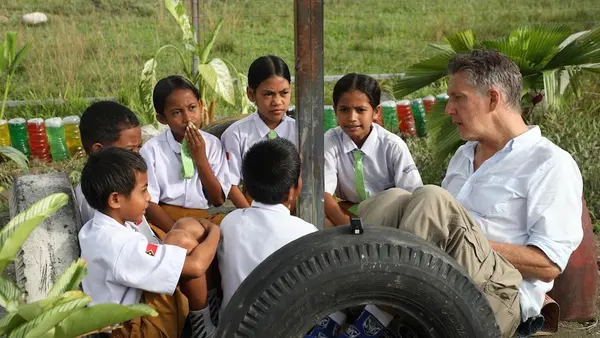
"When UNICEF opens those nutrition centers, when we provide water, when we get kids back in school in Somalia we have seen growth," said UNICEF Global Spokesperson James Elder. "We have seen proper growth in education rates, in terms of nutrition, all the things a mum wants to see. This is not the time to turn away from girls and boys and families in Somalia."
Your contribution to UNICEF is more important than ever.Please Donate
* The Integrated Food Security Phase Classification (IPC) is a multi-partner initiative for improving food security and nutrition analysis and decision-making. Governments, UN agencies, NGOs, civil society and other actors use the IPC classification and analytical approach to determine the severity and magnitude of acute and chronic food insecurity and acute malnutrition, according to internationally recognized scientific standards.
Learn more about How UNICEF Supports Children in Somalia
HOW TO HELP
There are many ways to make a difference
War, famine, poverty, natural disasters — threats to the world's children keep coming. But UNICEF won't stop working to keep children healthy and safe.
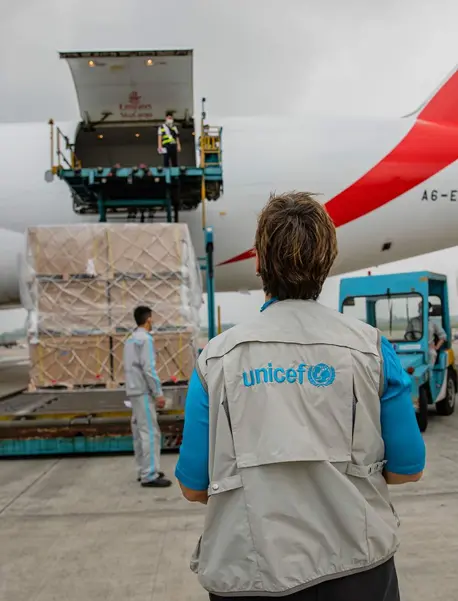
UNICEF works in over 190 countries and territories — more places than any other children's organization. UNICEF has the world's largest humanitarian warehouse and, when disaster strikes, can get supplies almost anywhere within 72 hours. Constantly innovating, always advocating for a better world for children, UNICEF works to ensure that every child can grow up healthy, educated, protected and respected.
Would you like to help give all children the opportunity to reach their full potential? There are many ways to get involved.