Bracing for El Niño
The global weather phenomenon known as El Niño is back and stronger than ever, spelling disaster for already vulnerable places across the globe. UNICEF and partners are anticipating emergency needs and working with governments and communities to prepare for the worst. The health, safety and well-being of millions of children are at stake.
A focus on building climate resilience to reduce disaster risks — present and future
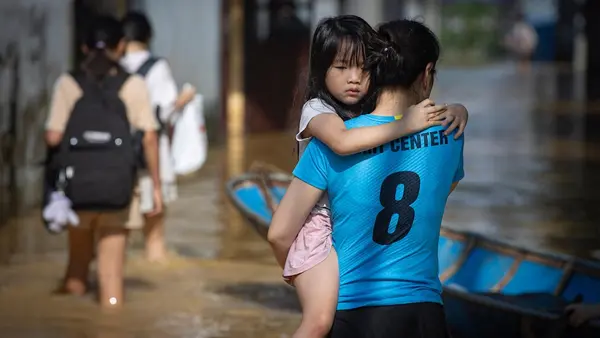
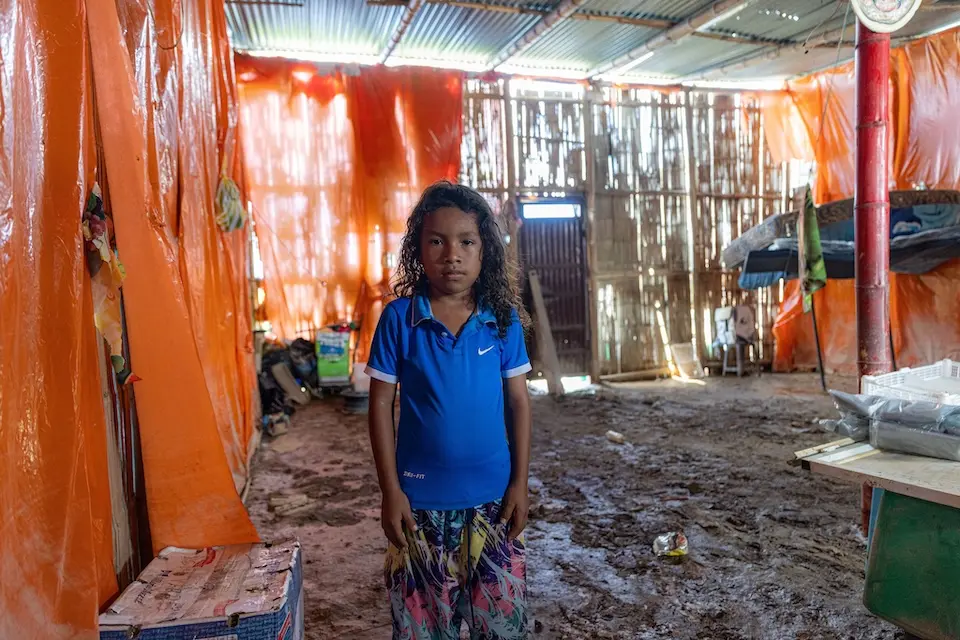
For children in Peru, El Niño isn't coming. It is already here, bringing heavy rains and flooding and disrupting children's daily lives. For many children in affected communities, getting to school, reaching a health center or simply going out to play means getting wet or walking through stagnant water. It means risking exposure to waterborne diseases like dengue and leptospirosis.
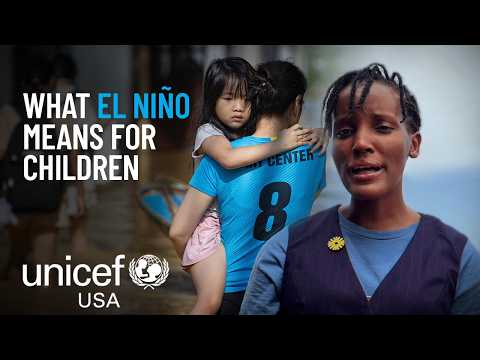
Many other countries are already feeling El Niño's effects — and bracing for more. The current El Niño phase is projected to be the strongest on record and last well into 2027, with devastating consequences. "For millions of children in nearly 100 countries and territories, it could mean going without a meal, missing school, being forced to leave home, disease outbreaks, water shortages or exploitation," UNICEF Goodwill Ambassador and climate activist Vanessa Nakate explains. "Acting now can make a difference."
UNICEF is already working with partners to get ahead of the situation and prepare families and communities for what's to come. But more support is needed to fund these efforts.
How El Niño threatens children
A recurring climate phenomenon, El Niño happens when Pacific Ocean surface temperatures surge, shifting weather conditions worldwide and compounding climate risks.
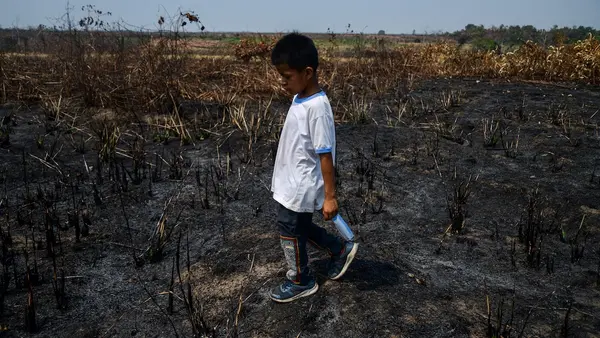
The threats themselves — the periods of extreme heat, the prolonged, severe droughts, the devastating floods — are nothing new. More than a billion children already face at least three overlapping climate hazards at great risk to their health, safety and well-being. But with El Niño, conditions can intensify.
With climate disasters come food and water shortages, leading to more malnutrition and disease outbreaks. Critical infrastructure gets damaged or shut down, disrupting essential services. The local economy takes a hit, and people lose their livelihoods. Forced displacement takes kids out of school, increasing their risks of exploitation.
In already fragile settings, places where humanitarian needs are already high and social services are already overstretched, El Niño impacts only add to the misery.
Related: Drones and Drought in Sudan
How UNICEF is working to protect children from El Niño impacts
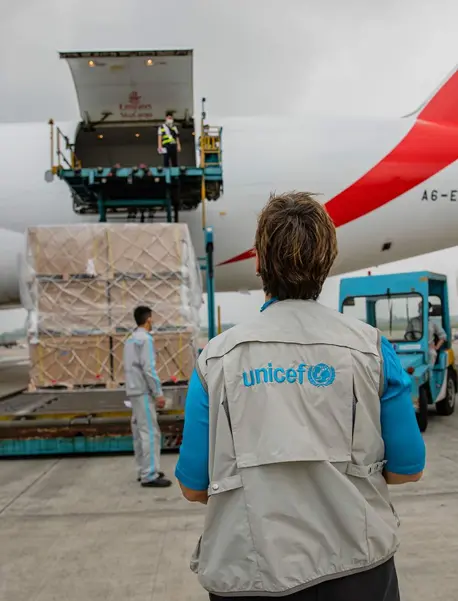
Alongside partners, UNICEF is spearheading anticipatory action focused on helping communities prepare for the worst. Priorities include pre-positioning essential supplies, upgrading critical infrastructure and services to be more climate resilient, strengthening early warning systems and expanding humanitarian cash assistance programs for vulnerable families.
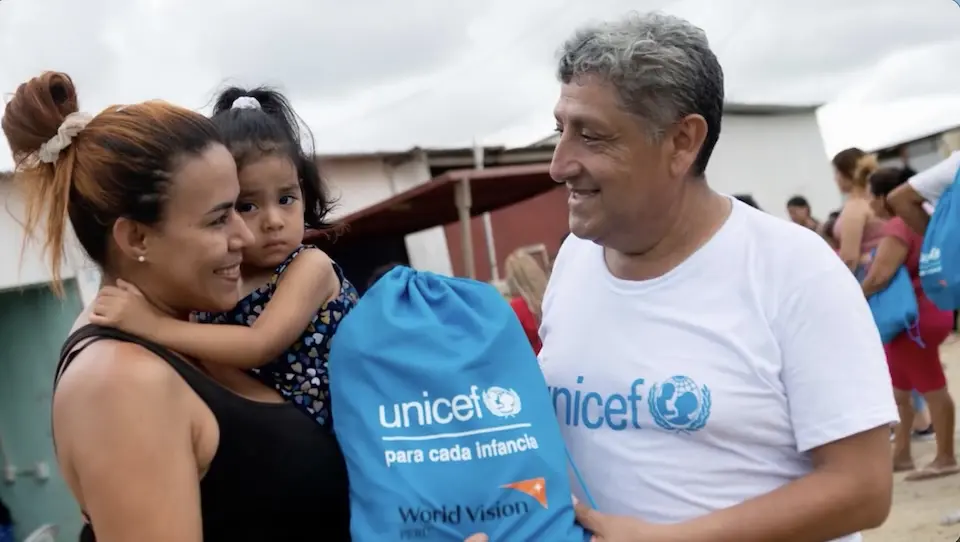
The approach bridges emergency response with longer-term support: contingency planning, readiness assessments, training and other preparedness measures that help ensure that when disaster strikes, essential services that children and families rely on can keep functioning.
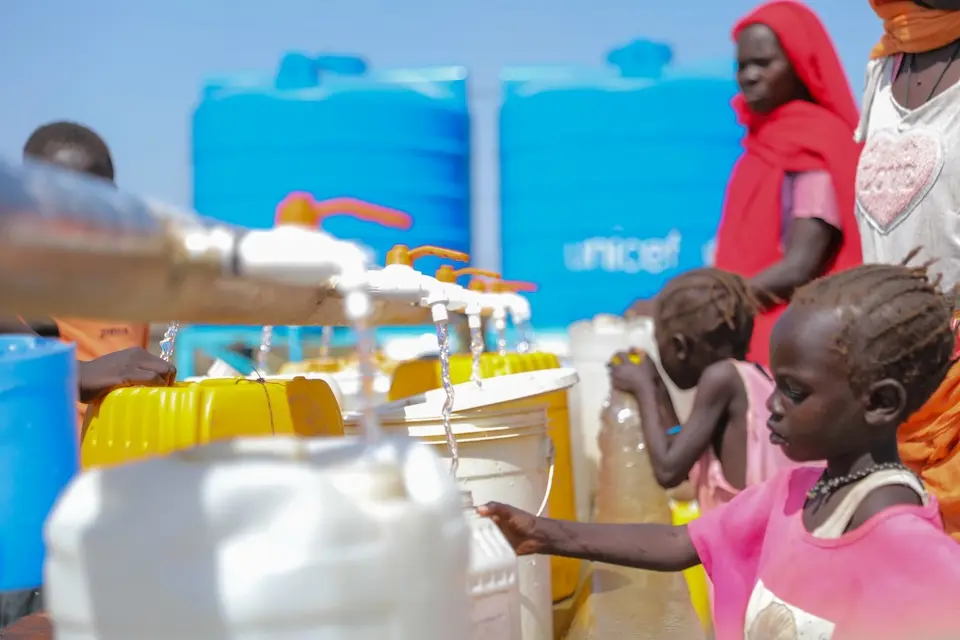
On the ground, activities include mobilizing health teams and stockpiling water, sanitation and hygiene (WASH) kits in high-risk communities — before roads close and needs skyrocket. Disease prevention and control kits include water tanks for safe storage of water and sodium hypochlorite for disinfection, mosquito nets and other items. There are learning kits for different grade levels, from pre-primary through secondary school.
Acting before disaster strikes is critical. UNICEF estimates that every dollar spent on anticipatory action saves $15 in response and recovery costs. Flexible funding is the best way to support UNICEF's global climate resilience building initiatives.
Learn more about how UNICEF is responding to the climate crisis to protect children and UNICEF's call to action for world leaders at this year's UN Climate Change Conference (COP31).
The story doesn't end here. Help change what happens next.
HOW TO HELP
There are many ways to make a difference
War, famine, poverty, natural disasters — threats to the world's children keep coming. But UNICEF won't stop working to keep children healthy and safe.
UNICEF works in over 190 countries and territories — more places than any other children's organization. UNICEF has the world's largest humanitarian warehouse and, when disaster strikes, can get supplies almost anywhere within 72 hours. Constantly innovating, always advocating for a better world for children, UNICEF works to ensure that every child can grow up healthy, educated, protected and respected.
Would you like to help give all children the opportunity to reach their full potential? There are many ways to get involved.