After Nepal Floods, A Long Road to Recovery
Highlights
- The death toll continues to rise after severe flash floods swept through Nepal on Aug. 26, 2026
- UNICEF is working with the Government and partners to meet the urgent needs of children and their families
- Nepal produces around 0.1 percent of global greenhouse gas emissions, but the country's children are among those bearing its heaviest consequences
- Flexible funding is urgently needed for UNICEF's humanitarian response
UNICEF is on the ground in Nepal, working with the Government and partners to meet the urgent needs of more than 32,000 children affected by devastating floods in late August. The climate crisis has created the conditions for disasters like this.
More than 32,000 children were affected by Nepal flash floods in August
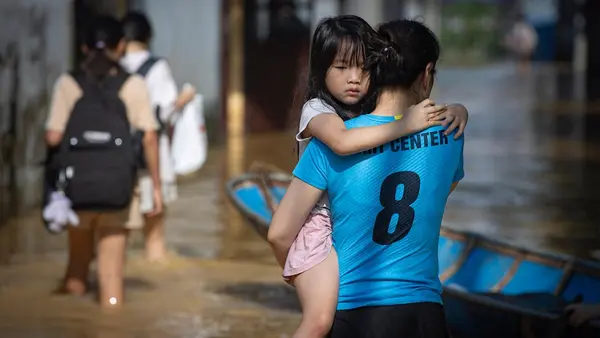
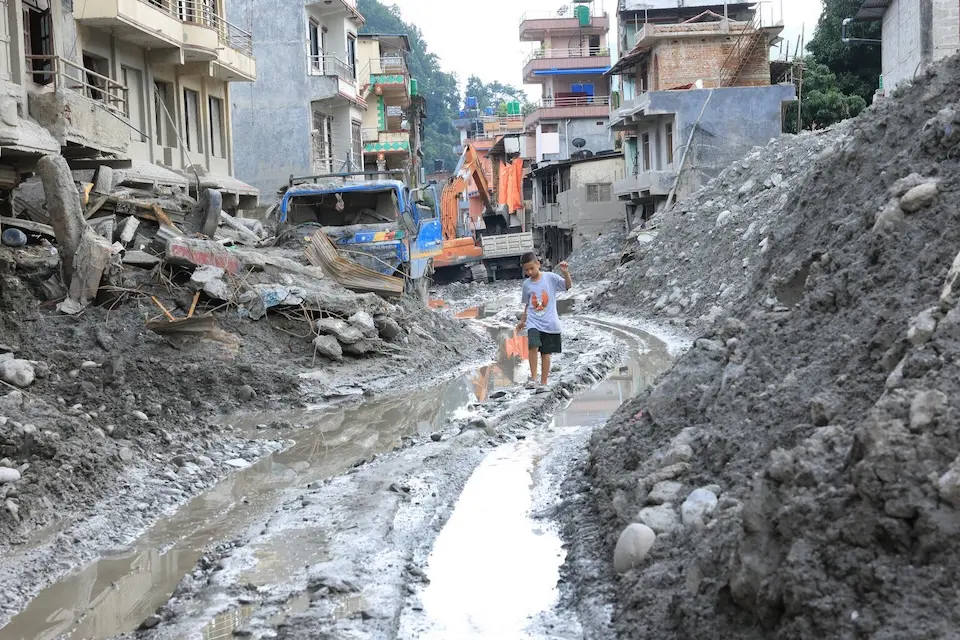
On Aug. 26, 2026, children in Nepal watched in horror as their homes and belongings were swept away by severe flash floods triggered by the collapse of a mountain of glacial ice and rock into a Himalayan river.
Over 84,000 people, including more than 32,000 children, across 17 municipalities in six districts were affected by the flooding. Families lost their livelihoods in an instant. Seven health facilities, 23 schools, 10,000 toilets and 64 water systems were damaged or destroyed.
"Parts of towns and villages look like ghost towns," UNICEF global spokesperson James Elder said on Oct. 9 after returning from Nepal. “Eighty-four children have been declared dead. With 5,285 people still missing, that number will, sadly, swell."
Related: A 13-Year-Old's Escape From Flash Flood in Nepal
UNICEF Nepal flash flood emergency response
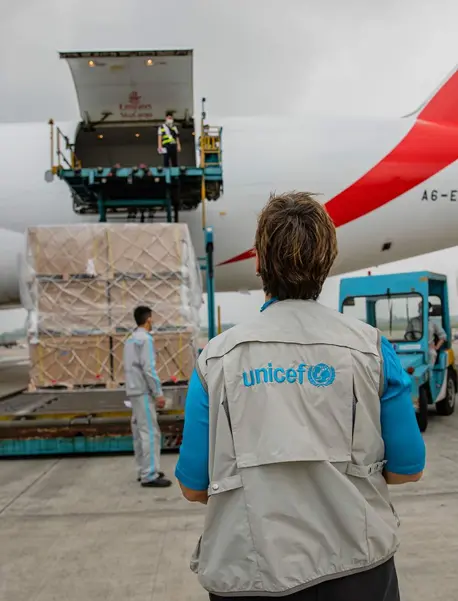
In the days and weeks after the flash flooding, UNICEF dispatched lifesaving supplies and deployed 45 staff members and 21 international surge personnel to strengthen program delivery and support resilient recovery and rehabilitation efforts in affected areas.
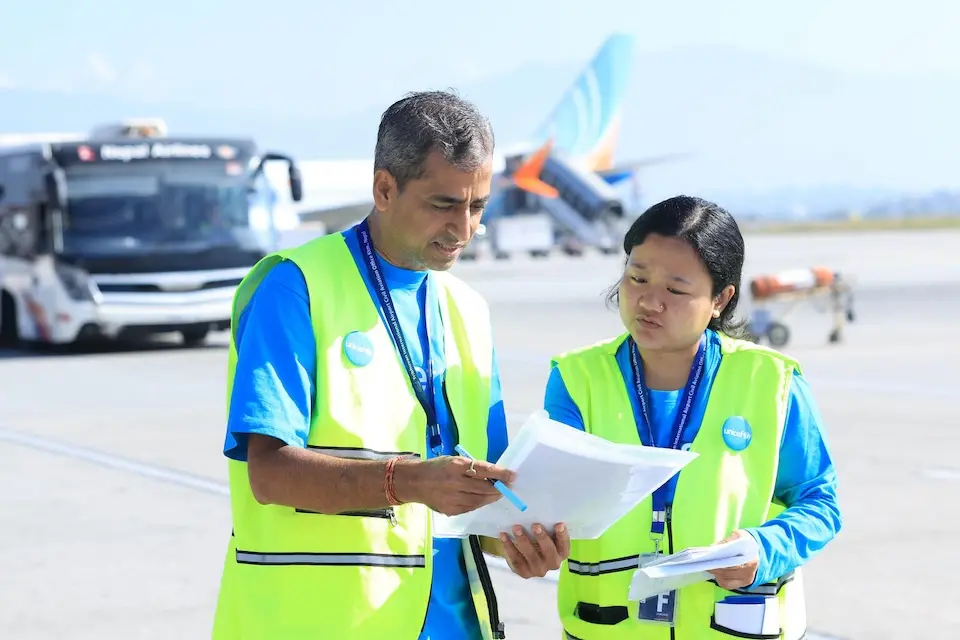
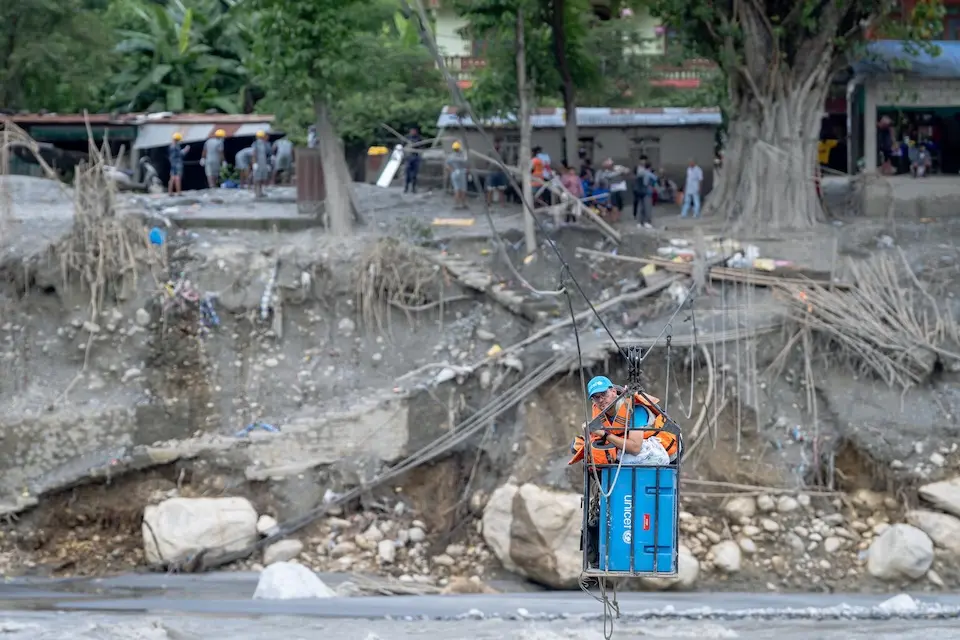
Flights from UNICEF's global warehouse in Copenhagen touched down in Kathmandu loaded with essential supplies for distribution from mobile warehouses in hard-to-reach communities: containers to store drinking water, dignity kits filled with personal hygiene items, ready-made toilets, warm clothing for babies and children.
Learn more: Helping Families Manage Grief and Fear After Nepal Floods
By Oct. 5, 2026, UNICEF had:
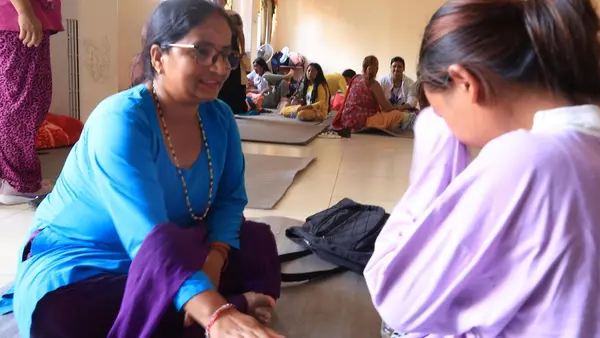
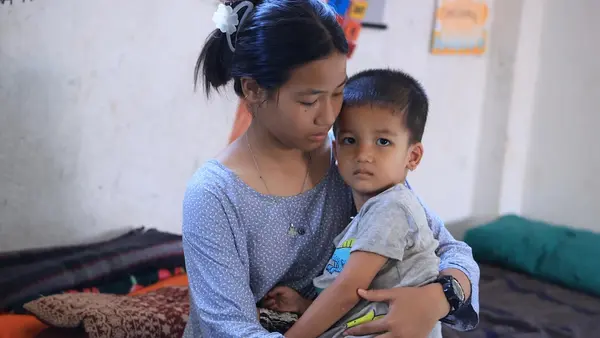
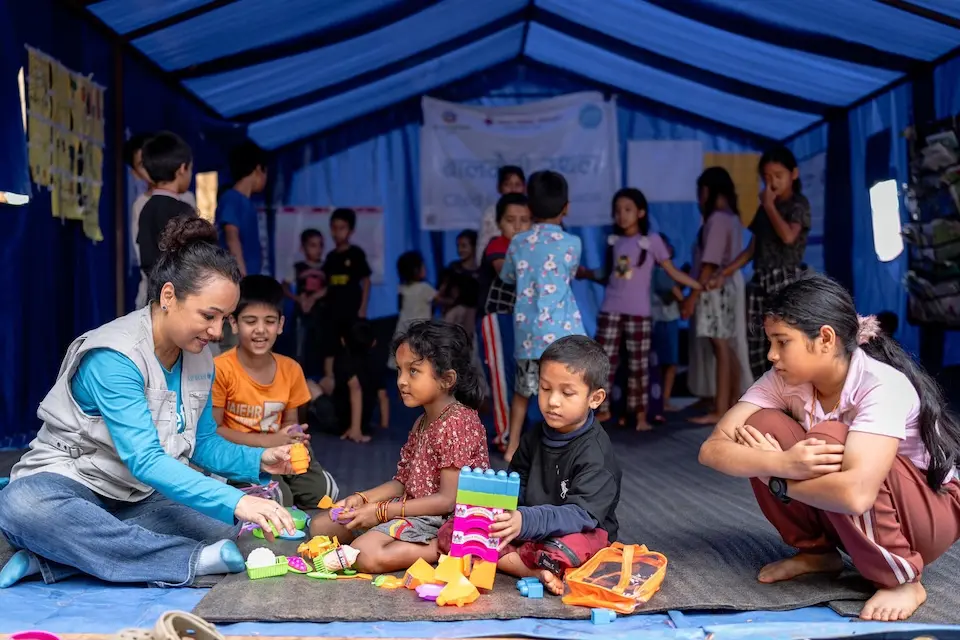
- set up 28 child-friendly spaces where more than 1,300 children accessed structured play, recreational activities and psychosocial support
- reunited 27 children with their families; 489 are undergoing vulnerability profiling and verification
- reached more than 14,300 people with mental health and psychosocial support
- constructed 70 temporary toilets and restored water supply systems serving approximately 27,000 people
- vaccinated over 66,100 people against cholera in Nuwakot and Rasuwa districts
- screened 4,825 children for acute malnutrition, with 92 receiving treatment
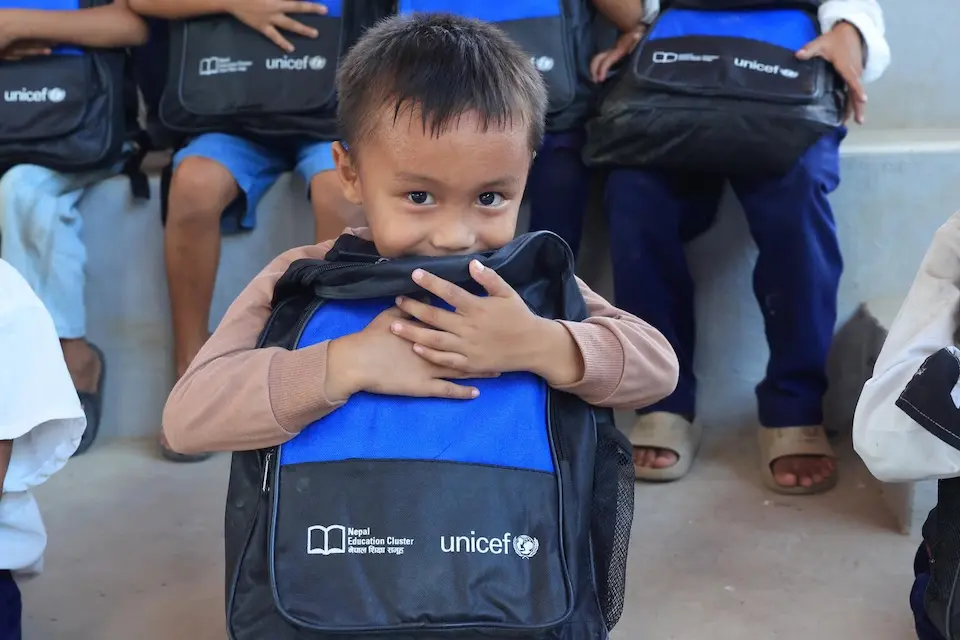
- established 52 temporary learning centers serving over 1,500 children
- reached risk communication and community engagement for more than 5.9 million people through radio, SMS, digital and community channels
Read the latest UNICEF Nepal situation reportto learn more
Nepal's children are on the front lines of the climate crisis
UNICEF is also providing cash assistance to help families who have lost everything start the long road to recovery.
Nepal produces only around 0.1 percent of global greenhouse gas emissions. Yet the country's children, who are least responsible for the climate crisis, are among those bearing its heaviest consequences.
“Scientists are careful about pinning one disaster on climate change, and rightly so," Elder said. "But the conditions behind it are well understood. The Himalayas are warming about twice as fast as the global average. Glaciers are shrinking, permafrost is thawing, and the ice and frozen ground that hold these slopes together are weakening."
“This reaches far beyond Nepal," Elder continued. "The Hindu Kush Himalaya holds more ice than anywhere on Earth, outside the polar regions. Two hundred and forty million people live in these mountains. Another 1.65 billion live downstream and rely on the rivers this ice feeds. That is nearly 2 billion people. About a quarter of humanity."
The Himalayas are warming about twice as fast as the global average. Glaciers are shrinking, permafrost is thawing, and the ice and frozen ground that hold these slopes together are weakening. — James Elder, UNICEF global spokesperson
The system is being pushed out of balance. Faster melting brings more water and more flood risk now, and serious shortages later as the glaciers disappear. Both are driven by a heating planet.
“Parties to the United Nations Framework Convention on Climate Change (UNFCCC) have agreed to provide finance and support to avert, minimize and address loss and damage," Elder said. "For countries like Nepal, these commitments must translate into practical support that reaches affected communities quickly. Such finance must be grant-based, accessible and responsive to children's needs and rights."
Learn more about UNICEF's climate change response
Flexible funding is urgently needed for the humanitarian response
UNICEF requires $17.2 million to meet the immediate health, nutrition, WASH (water, sanitation and hygiene), education, child protection, social protection and risk communications needs of children and families affected by Nepal's flash flooding in August. With $8.7 million received, the current funding gap stands at $8.5 million.
Flexible funding is urgently needed for the humanitarian response, along with medium-term resources for recovery and rehabilitation. UNICEF's early recovery and rehabilitation requirements, including winterization support, are estimated at an additional $47 million and remain largely unfunded.
HOW TO HELP
There are many ways to make a difference
War, famine, poverty, natural disasters — threats to the world's children keep coming. But UNICEF won't stop working to keep children healthy and safe.
UNICEF works in over 190 countries and territories — more places than any other children's organization. UNICEF has the world's largest humanitarian warehouse and, when disaster strikes, can get supplies almost anywhere within 72 hours. Constantly innovating, always advocating for a better world for children, UNICEF works to ensure that every child can grow up healthy, educated, protected and respected.
Would you like to help give all children the opportunity to reach their full potential? There are many ways to get involved.