How UNICEF Supports Children in Somalia
As famine once again threatens to take hold in Somalia, UNICEF is on the ground working with partners to meet urgent needs of children and families while strengthening systems and building resilience. Learn more, including how to help.
Conflict, climate shocks driving humanitarian needs in Somalia — with children bearing the brunt
Recurring drought, prolonged conflict, displacement and chronic poverty have made Somalia one of the most dangerous places in the world for children.
In May 2026, agencies confirmed the East African coastal nation's first famine risk since 2022 due to the compounding effects of multiple shocks. An estimated 6 million people, one-third of the population, are at critical levels of food insecurity.
Water scarcity also continues to magnify humanitarian needs, with rivers drying, boreholes failing and local water sources becoming increasingly unreliable, uprooting entire communities.
Rising fuel costs and supply disruptions due to escalating conflict in the Middle East is further straining families and putting essential services out of reach. Somalia's dependence on imports and international logistics makes the country highly vulnerable to global economic and geopolitical shocks.
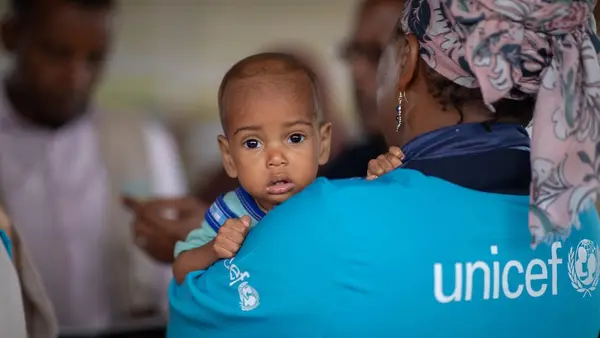
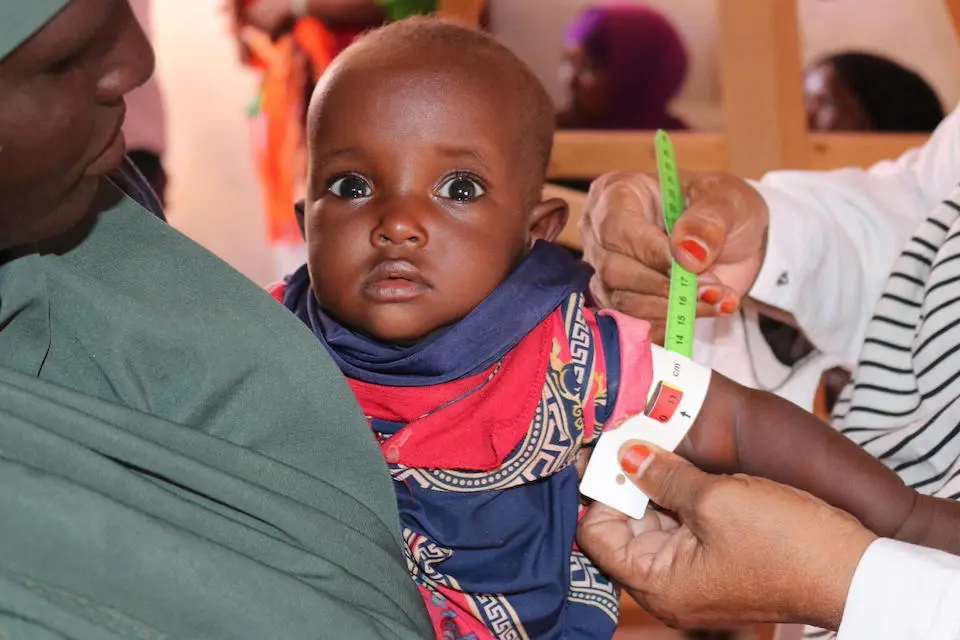
Acute malnutrition threatens the lives of an estimated 1.9 million children under age 5 — including nearly 493,000 children who face severe acute malnutrition and are at imminent risk of death without treatment.
Malnutrition increases children's vulnerability to disease outbreaks — while outbreaks in turn tend ot worsen malnutrition and other health risks. Cases of cholera and measles, both preventable diseases, have soared while Somalia's fragile health system faces potential collapse — more than 500 health and nutrition facilities have closed because of funding shortages — increasing risks that children and families will lose access to essential care at the very moment they need it most.
Some 3.5 million people remain internally displaced due to escalating violence. Millions of children are out of school, which only magnifies their risks of being forcibly recruited by armed groups, falling victim to physical violence or sexual abuse or being abducted.
Displaced children and women face similar heightened risks of family separation, exploitation, gender-based violence and armed group recruitment. Many overcrowded displacement sites continue to experience severe shortages of water, sanitation, health and education services.
Roughly 4.8 million people in Somalia, including 3 million children, require humanitarian assistance, while UNICEF's action plan for the country remains significantly underfunded.
Across Somalia, children are facing a rapidly worsening crisis and time is running out. While communities and frontline workers remain resilient, they cannot do it alone. — Ms. Sandra Lattouf, UNICEF Somalia Representative
“Across Somalia, children are facing a rapidly worsening crisis and time is running out," says UNICEF Somalia’s Representative, Ms. Sandra Lattouf.
"While communities and frontline workers remain resilient, they cannot do it alone. UNICEF is urgently scaling up lifesaving support. With swift action, we can still save lives and uphold every child’s right to survive and thrive.”
Droughts and floods perpetuate cycle of despair
Many Somali families are still struggling to recover from the fallout of prolonged, severe drought that destroyed livelihoods and displaced entire communities.
Famine remains a threat. Food became too expensive for most households with the onset of the war in Ukraine and related issues with the global food supply chain. Low crop yields and livestock deaths during the drought years have only increased Somalia's dependence on grain imports.
Drought conditions tend to give way to heavy flooding — a separate climate emergency that has impacted multiple regions, exacerbating food insecurity and other stresses and fueling displacement.
There are other disruptions and threats to Somali children's rights and futures. Clan conflicts, military operations against Al-Shabaab and the withdrawal of the African Union Transition Mission in Somalia have heightened insecurity and instability in the country. Grave violations against children are all too common. The presence of unexploded ordinance and landmines poses a major safety risk.
Humanitarian response efforts: how UNICEF is helping children in Somalia
UNICEF continues to work with the government, other UN agencies and local partners in Somalia to reach children and families with the urgent needs, managing to do more with less funding by shifting to a more integrated, community-centered approach where service delivery is led by local partners.
UNICEF also continues to support investments in system strengthening and resilience building for sustainable impact.
Here are some examples of how UNICEF is making a difference for children and families in Somalia:
Improving nutrition — and fighting child malnutrition
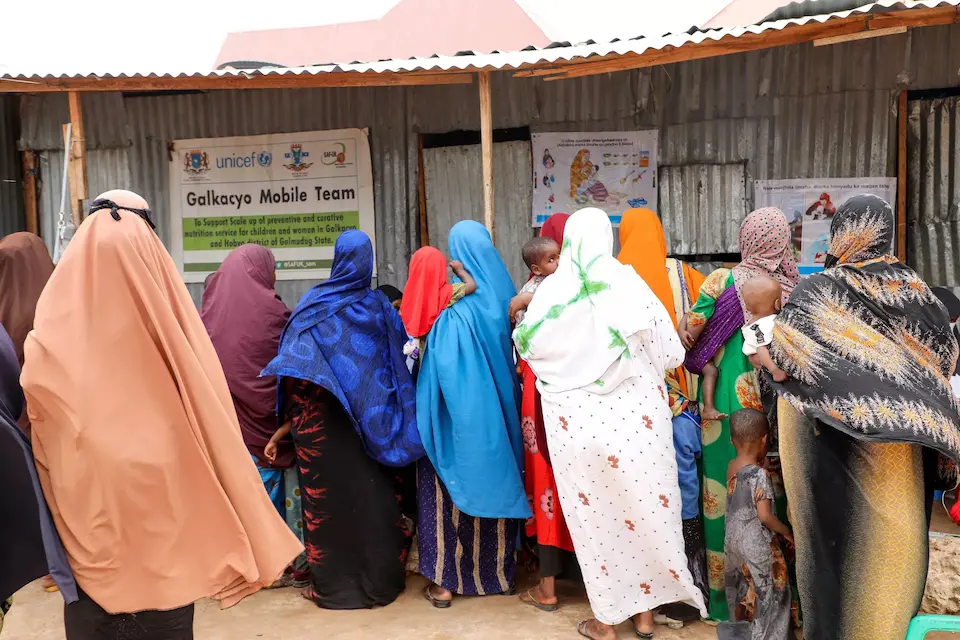
UNICEF has active nutrition programs in 70 of Somalia's 74 districts, supporting services at hundreds of nutrition facilities, including mobile units. Pre-positioning supplies like ready-to-use therapeutic food (RUTF), a lifesaving treatment for children with SAM, helps keep services going in an emergency.
Ensuring access to that lifesaving treatment remains a top priority for UNICEF in Somalia, as is overcoming any logistical and operational challenges that can affect delivery of critical supplies.
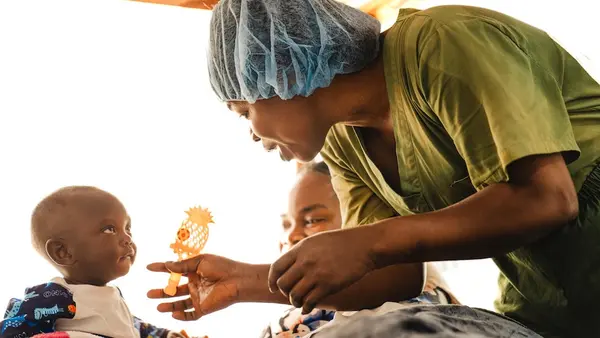
UNICEF also supports programs that train caregivers to screen children for malnutrition at home to support early detection — which can make all the difference between life and death for an acutely malnourished child — and help pregnant and nursing mothers successfully breastfeed, which helps prevent newborn and infant malnutrition.
Ensuring access to health care and safe water
UNICEF is also working in Somalia to improve essential health care service delivery at facilities and through mobile units. Priorities include:
- boosting vaccine acceptance to help improve immunization rates among children: UNICEF has deployed thousands of social mobilizers in Somalia to conduct community outreach campaigns to stress the importance of vaccines to protect children from preventable diseases; mothers who lost children to measles share their stories to help convince reluctant parents
- supporting nationwide mass vaccination campaigns working alongside Somalia's Ministry of Health and in collaboration with other partners
- reaching pregnant women with maternal health services, including antenatal care and delivery services from skilled birth attendants
- providing operational support and supplies to cholera treatment centers
To improve access to safe water, UNICEF works with partners to meet immediate needs with water trucking, while advancing longer-term solutions — supporting the drilling of new boreholes and the rehabilitation and construction of water supply systems, including pipeline extensions to schools, health facilities and community water kiosks.
To help contain the spread of cholera and other infectious diseases, UNICEF distributes hygiene kits to households and promotes protective measures through home visits, community meetings and media campaigns.
Strengthening child protection
Another major focus area for UNICEF in Somalia is child protection. Ongoing efforts include:
- supporting unexploded ordnance and landmine risk education so kids know how to stay safe
- strengthening case management and psychosocial support services for children who have been victims of violence, exploitation and abuse, including children who were released (or who successfully escaped) from an armed group. Through UNICEF-supported programs, these children receive psychosocial support, education support and skills training, among other services, to help them reintegrate back into their communities
UNICEF also works to integrate gender equality, protection from sexual exploitation and abuse, and gender-based violence prevention and response across all its program work in Somalia.
Supporting children's education in Somalia
School attendance rates can drop as low as 21 percent for newly displaced children in Somalia. For children who are not displaced, school attendance is higher, yet still low at 39 percent.
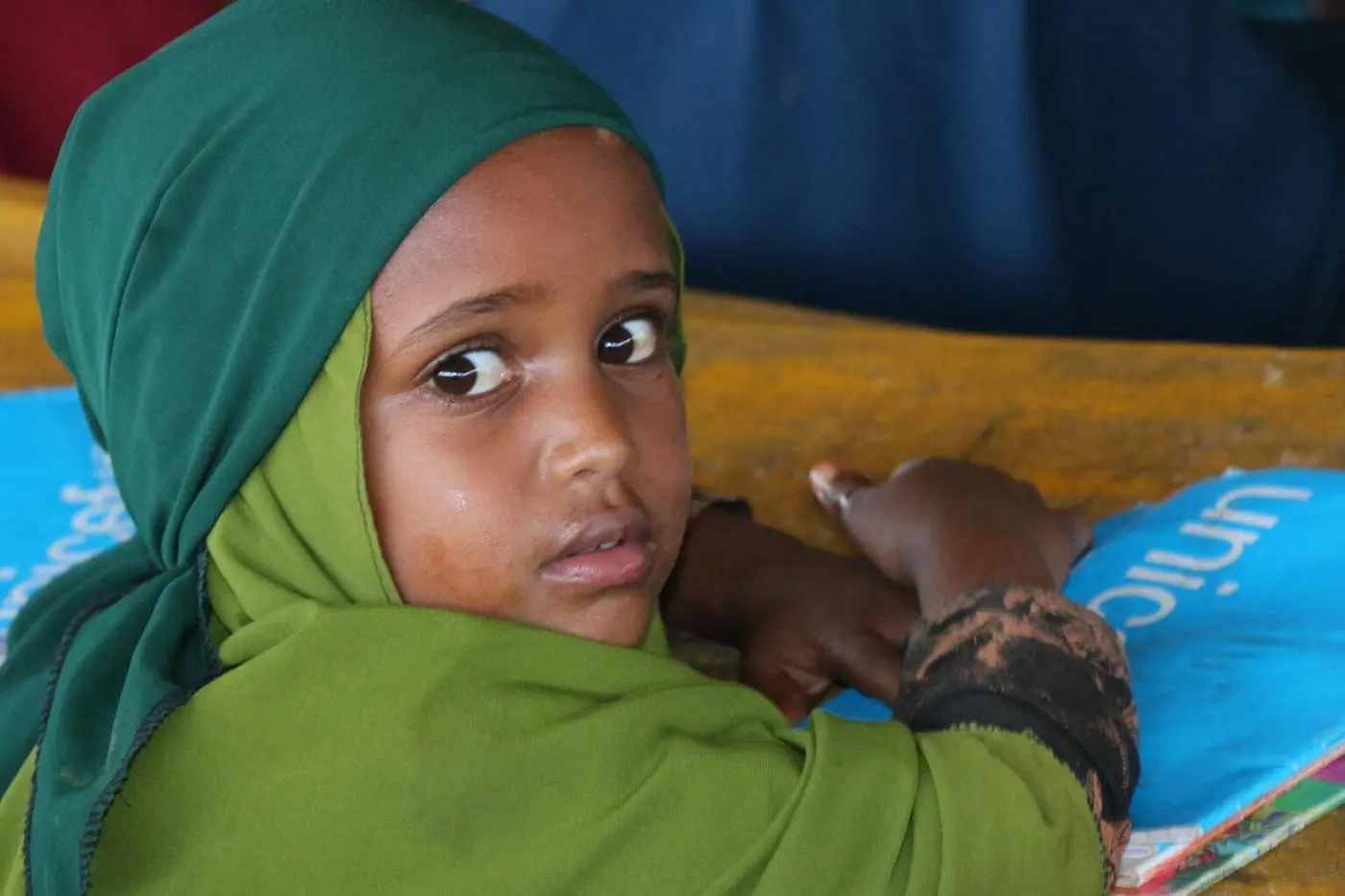
Working with local partners, UNICEF helps create opportunities for out-of-school children in Somalia to access education — supporting the construction of temporary classrooms, complete with latrines and handwashing facilities, and supplying teaching and learning materials.
Every morning, Adan, 11, leaves the makeshift shelter where he is staying with his mother and four siblings in Baidoa to make his way to a temporary learning space UNICEF helped set up at the Deebwin camp for displaced families. A prolonged drought forced Adan and his family to flee their home outside of Baidoa city.
“For me, this temporary learning space is much more than just learning, it is a place where I feel protected and cared for. It has given me a sense of stability and routine,” Adan says. “Waking up every day to come to school and learn new things fills me with joy. I thank my amazing teachers who have invested in me and encouraged me. I learned the Somali language quite fast thanks to their patience."
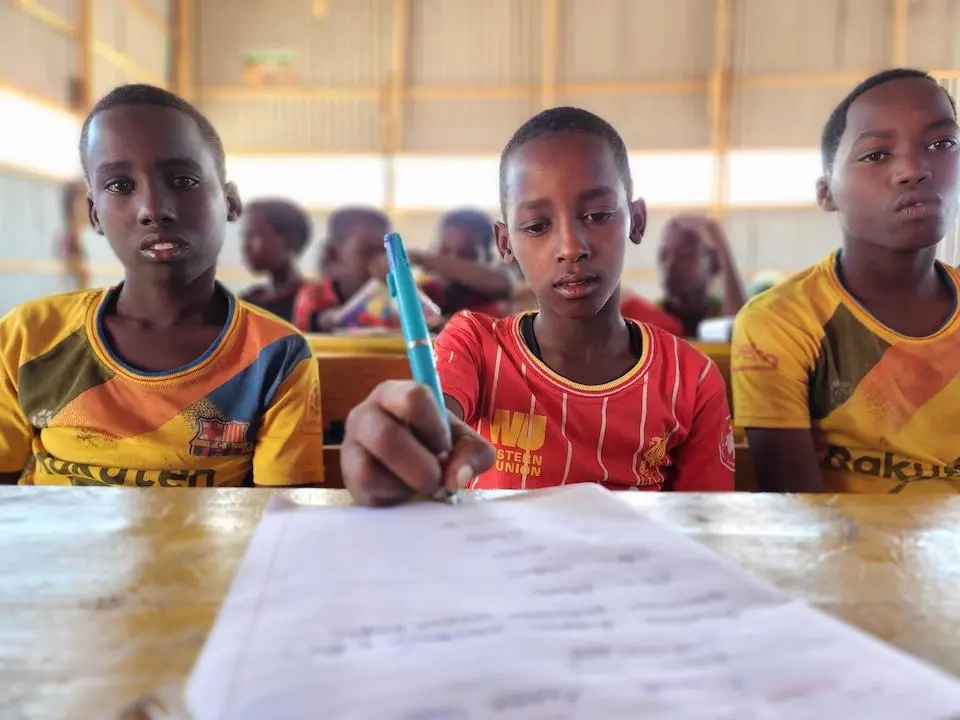
“When I grow up, I would like to become a teacher because I like to help those who have less knowledge," Adan continues. "I have seen the power of education and I would like to impart this to as many children as I can; even while at home I try to teach my younger siblings a thing or two that I have learned in school that day."
In partnership with Educate A Child and the Ministry of Education, UNICEF has helped to enroll and retain in primary school hundreds of thousands of out-of-school girls and boys affected by poverty, displacement and other crises.
Building resilience
While working to address immediate needs across all these program areas, UNICEF also works with partners to scale up integrated solutions that link emergency response with longer-term investments in water systems, nutrition, social protection and resilience — helping communities better withstand recurrent climate shocks.
Learn more about UNICEF's humanitarian strategy in Somalia
More donor support is needed to help UNICEF meet the goals of its humanitarian action plan for Somalia. UNICEF and partner agencies note that in 2022, famine was averted through a rapid scale-up of humanitarian assistance — showing that timely funding and intervention can prevent catastrophe.
“For the children of Somalia, every dollar and every minute counts in getting lifesaving aid to them,” UNICEF Executive Director Catherine Russell said following a visit to the country in March 2026.
“What children in Somalia – like everywhere else – need the most is peace, protection and safe access to essential services. With that, today’s children can become the doctors, nurses and teachers needed to empower their communities and the country.”
Learn more about what UNICEF is doing around the world to ensure children are healthy, educated, protected and respected.