World Water Week Helps Advance Safe Water Access for Every Child
Highlights
- World Water Week 2026 runs Aug. 23–27 with the theme “Water for People and Progress.”
- 1 in 4 people globally still lack access to safely managed drinking water.
- Water scarcity threatens children’s health, safety, education and well-being.
- UNICEF delivers emergency WASH services and expands sustainable water solutions worldwide, including climate-resilient water systems.
- Safe water access reduces burdens on girls and helps children and communities thrive.
Clean water is essential for everyone. And yet for many children around the world, finding it isn’t as simple as turning on the tap. World Water Week is a global moment designed to inspire attention and action for children who still lack reliable access to safe water. Learn more about World Water Week and how UNICEF works globally to improve access for children and families in need.
When is World Water Week 2026?
World Water Week runs Aug. 23-27. Unlike World Water Day, which is observed annually on March 22, World Water Week typically falls during the last week of August, so the exact dates vary from year to year.
Organized by the Stockholm International Water Institute, it has been recognized by the UN as a key moment in the lead-up to its annual UN Water Conference every year since 1991.
What is the World Water Week 2026 theme?
The theme for World Water Week 2026 — "Water for People and Progress" — leans into the Sustainable Development Goal of achieving equitable access to safely managed water and sanitation services for all, with an emphasis on climate resilience.
The week brings together policymakers, practitioners, researchers and others to advance solutions for a more just and water-secure future. Despite gains since 2015, 1 in 4 people – or 2.1 billion globally – still lack access to safely managed drinking water.
Why World Water Week matters for children
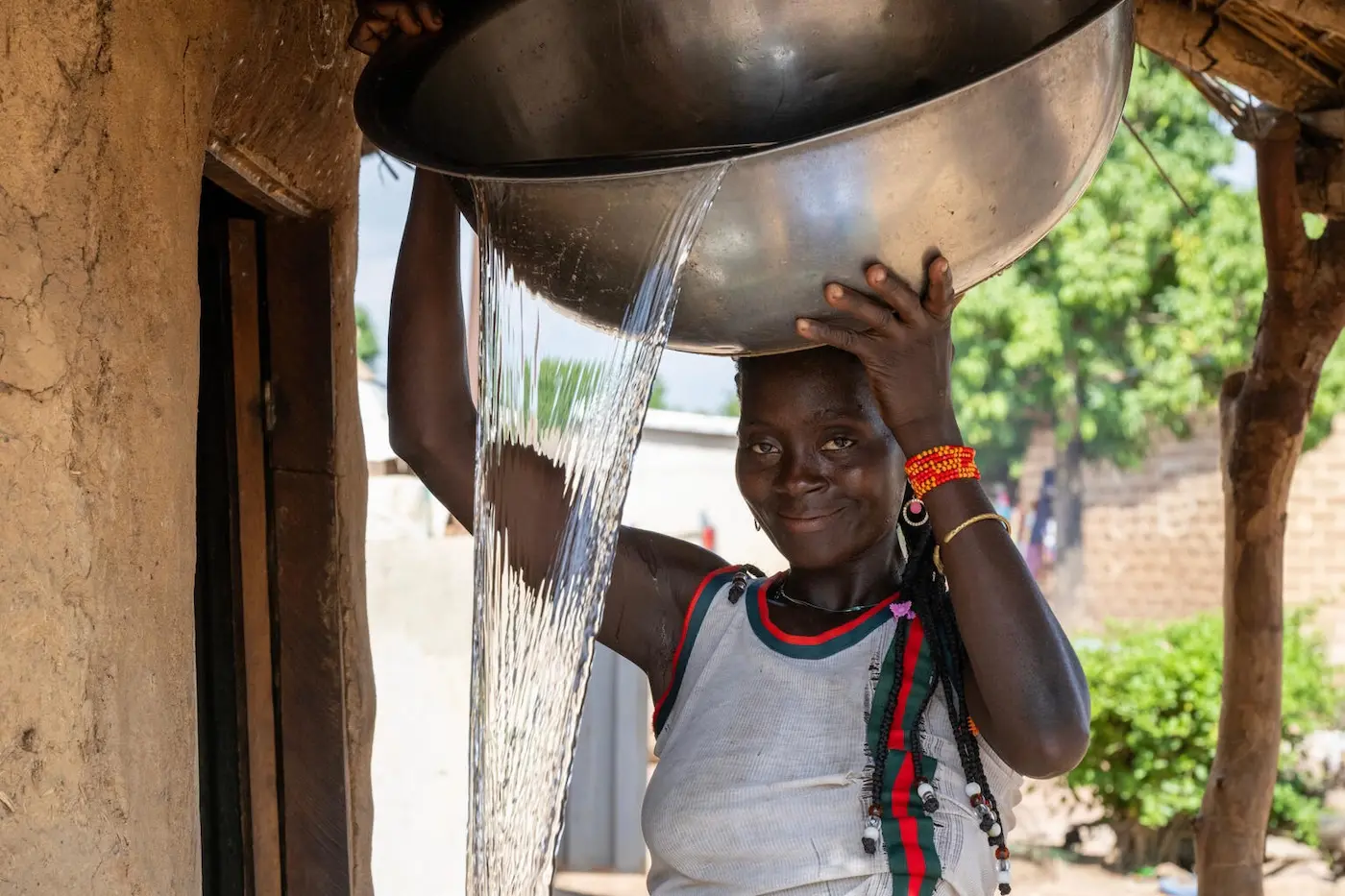
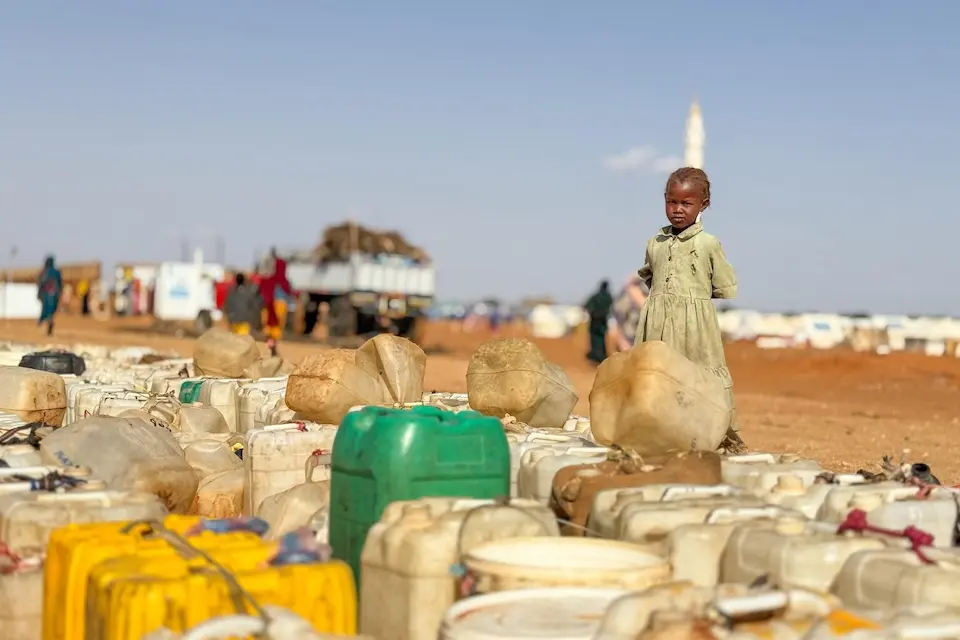
For UNICEF, World Water Week is an opportunity to spotlight persistent inequalities in water access and the impact on child well-being. Without easily accessible safe water, millions of children face life-threatening diseases, long and dangerous daily walks to fetch water and missed school days.
Improving access to clean, safe water is a pillar program for UNICEF worldwide. The week-long observation helps cultivate much-needed attention, support fundraising and amplify calls to action to address global water issues.
How water scarcity affects children every day
Water scarcity can happen for a multitude of reasons, even in countries with adequate water resources. Collapsed infrastructure and distribution systems, contamination, conflict, climate change and poor management of water resources can all inhibit water access for children and families.
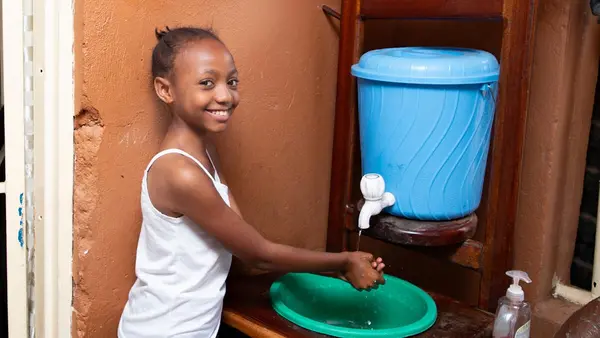
Limited access to safe water not only impacts drinking water, but also water for practicing basic hygiene at home, in schools and in health care facilities. When water is scarce, sewage systems can fail and the threat of disease surges. Scarce water also becomes more expensive.
For many children, the trek to collect safe drinking water takes time away from learning and simply being a kid. The journey can also be dangerous. Children with disabilities face added barriers when safe water points are far away or inaccessible for them.
The link between safe water and child health
All children who lack consistent, reliable access to safe water — but especially those under age 5 — are vulnerable. Unsafe water can lead to preventable disease, repeated illness and health setbacks. In conflicts, more children die from diseases linked to unsafe water than from direct violence.
For children fighting severe acute malnutrition, clean water is vital to their recovery.
Reliable water access is a public health right for families, clinics and communities. Securing adequate water, sanitation and hygiene for children around the world is central to UNICEF’s mission.
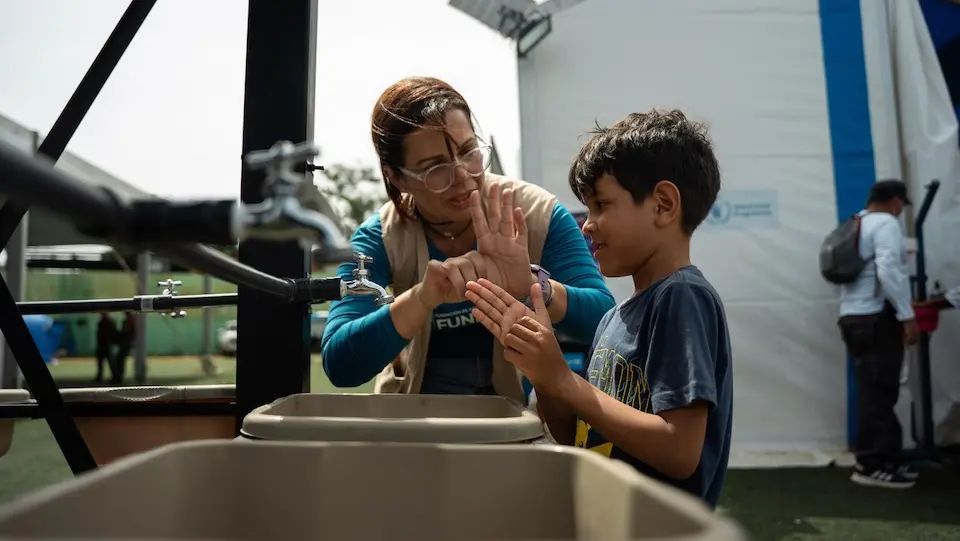
Delivering safe water to children in emergencies
Water systems are often damaged during conflicts and other emergencies, creating additional barriers to safe water access for already vulnerable children.
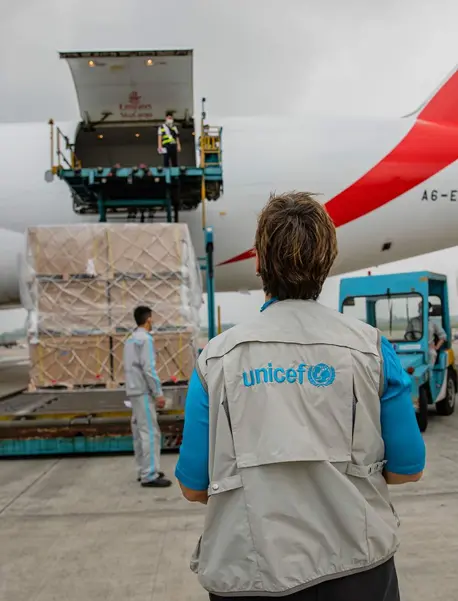
UNICEF works with partners to provide emergency water, sanitation and hygiene (WASH) services to children and families affected by armed conflict, displacement, natural disasters, disease outbreaks and other crises — treating safe water as essential to both survival and recovery.
Emergency WASH services include:
- trucking in water
- treating piped water
- repairing broken water supply and sanitation systems
- drilling wells
- building temporary latrines
- providing essential hygiene items
Related: UNICEF, a global leader in emergency response
How UNICEF scales sustainable water solutions
UNICEF is the largest provider of WASH services worldwide, with programs in more than 100 countries that reach 35 million people with safe water access every year — not just when emergencies occur.
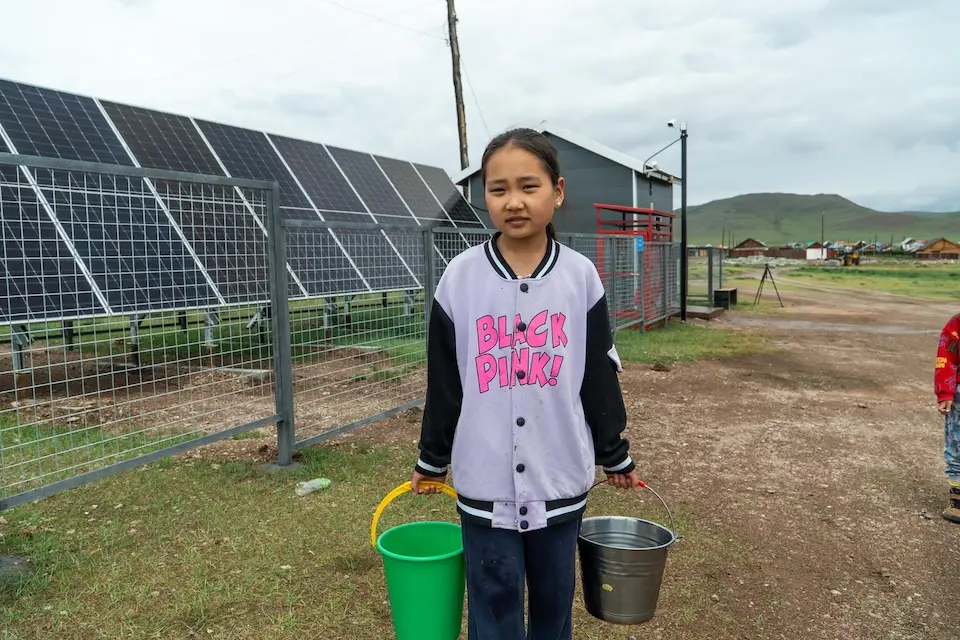
One way UNICEF improves access to safe water is through solar-powered water systems. These systems convert the sun’s rays into electricity that powers a water pump drawing from underground water sources. By equipping local water access points with solar-powered water pumps, UNICEF helps reduce walking and waiting times, improving access for entire communities.
Related: Clean Water Project Brings Hope — and Better Health — to Children in Yemen
UNICEF also supports the installation of climate-resilient infrastructure, which is critical for sustaining access to safe water in disaster-prone areas. Managed aquifer recharge is one approach, where water is collected from ponds and rooftops, filtered and then injected into a saline aquifer, where it creates a freshwater bubble that remains safely underground, protected against storm surges and other contamination.
Through these and other sustainable and innovative water solutions, UNICEF works to improve water security for all.
Learn more about UNICEF's water projects
How safe water can ease the burden on girls
In the vast majority of households without running water, it is girls who are responsible for collecting it. They often undertake this task alone, at risk of violence while lugging heavy containers over rough terrain.
And the time they spend collecting water is time away from school and learning. As girls get older, many miss classes during their monthly period, especially if their school lacks toilets or sanitation services.
Reliable access to safe water at home and at school can make a huge difference for girls around the world, providing improved health, dignity and school participation.
Learn more about how UNICEF works to alleviate the water burden on girls
Support safe water initiatives this World Water Week
World Water Week provides a collective moment to turn water awareness into action. Every child has the right to safe water. UNICEF works to ensure timely emergency response and to advance sustainable water systems and other long-term solutions.
A donation to UNICEF USA helps support UNICEF's safe water work and other lifesaving programs for children around the world
Frequently asked questions about World Water Week
What is World Water Week?
World Water Week is a global moment focused on water challenges, solutions and action. Parallel to UNICEF’s work to ensure adequate safe water, sanitation and hygiene access for all children, World Water Week aims to inspire attention and action.
Who participates in World Water Week?
Participants include policymakers, researchers, businesses, nonprofits, utilities and environmental organizations working on global water challenges.
Why is safe water important for children?
Safe water helps protect children from preventable disease and supports physical and cognitive growth and development.
What does UNICEF do to provide safe water during emergencies?
During emergencies like conflict, mass displacement and disasters, UNICEF focuses on restoring safe water access quickly through emergency water supplies, treatment, filtration and rapid distribution.
How can I help or get involved during World Water Week?
Learn more about the global water crisis and how it affects children. Share information about why safe water, sanitation and hygiene matter. Support organizations that are working to expand sustainable water access. Donate to UNICEF to help deliver safe water in emergencies, strengthen sanitation and hygiene programs and support long-term water solutions for children and families everywhere.
HOW TO HELP
There are many ways to make a difference
War, famine, poverty, natural disasters — threats to the world's children keep coming. But UNICEF won't stop working to keep children healthy and safe.
UNICEF works in over 190 countries and territories — more places than any other children's organization. UNICEF has the world's largest humanitarian warehouse and, when disaster strikes, can get supplies almost anywhere within 72 hours. Constantly innovating, always advocating for a better world for children, UNICEF works to ensure that every child can grow up healthy, educated, protected and respected.
Would you like to help give all children the opportunity to reach their full potential? There are many ways to get involved.