Global Handwashing Day 2026: The Importance of Handwashing for Kids
Effective handwashing is a low-cost, high-reward habit that keeps children healthy and prevents the spread of dangerous diseases. But not all children in the world have regular access to safe water, soap and appropriate hygiene facilities to maintain the practice. UNICEF works to improve hand hygiene for children in homes, schools, health facilities and humanitarian settings around the world. Learn more.
Oct. 15 is Global Handwashing Day
Global Handwashing Day, established by the Global Handwashing Partnership in 2008, is observed annually on Oct. 15. The purpose is to raise awareness of the importance of handwashing with soap for children's health and to encourage lasting improvements in hand hygiene everywhere.
The theme of the Global Handwashing Day 2026 campaign is to encourage people to “Be a Handwashing Hero” by building their own handwashing habits and leading efforts in workplaces, schools and communities to champion clean hands for all.
Why handwashing with soap matters for children's health
When a child has what they need to keep their hands clean, when they know how and when to wash and make handwashing a habit, their overall health reaps serious benefits.
Washing hands with soap helps reduce the spread of germs and illnesses, leading to fewer sick kids and fewer preventable deaths. When children are healthy, they are better able to attend school and concentrate on their learning. They are better able to build the skills they need to thrive in childhood and throughout their lives.
Creating and reinforcing a handwashing routine early on helps ensure this healthy habit is maintained and also passed on to future generations.
Why every child needs access to safe water and soap
While there has been progress toward closing gaps in access to handwashing facilities, about 1 in 4 schools worldwide still lack the basic means for handwashing with soap and water.
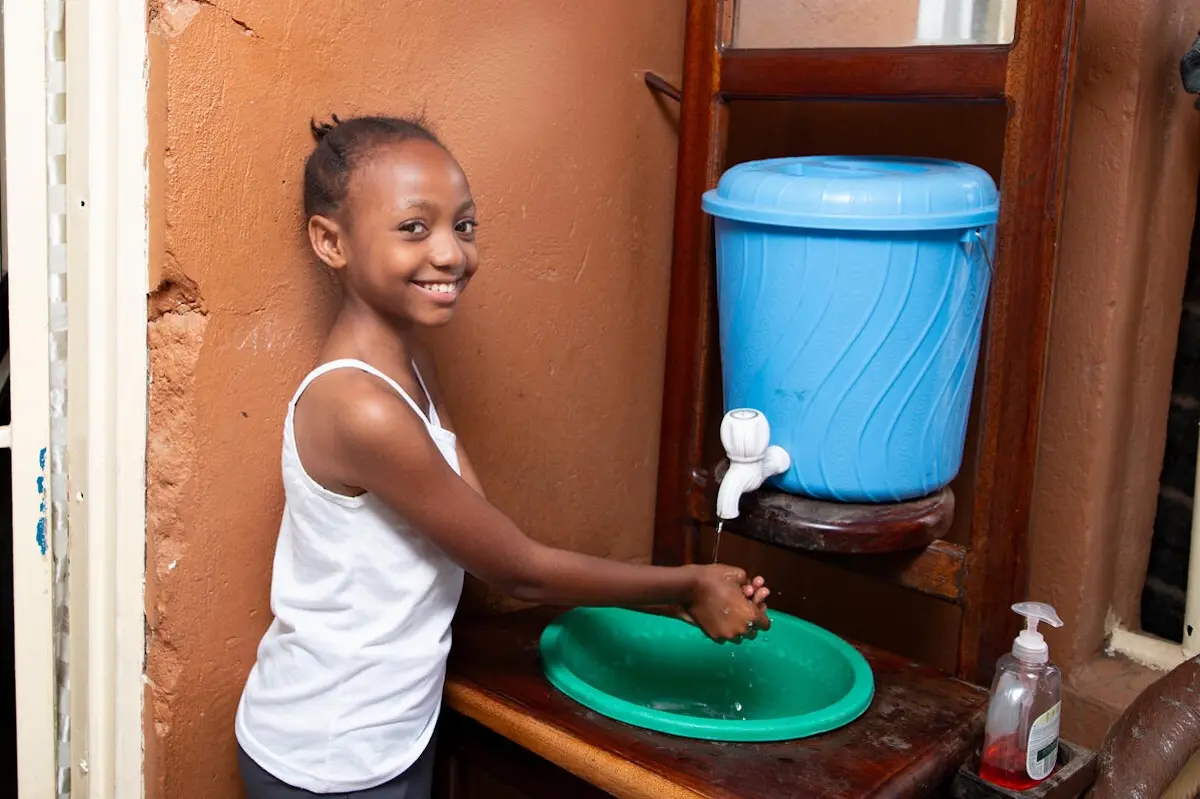
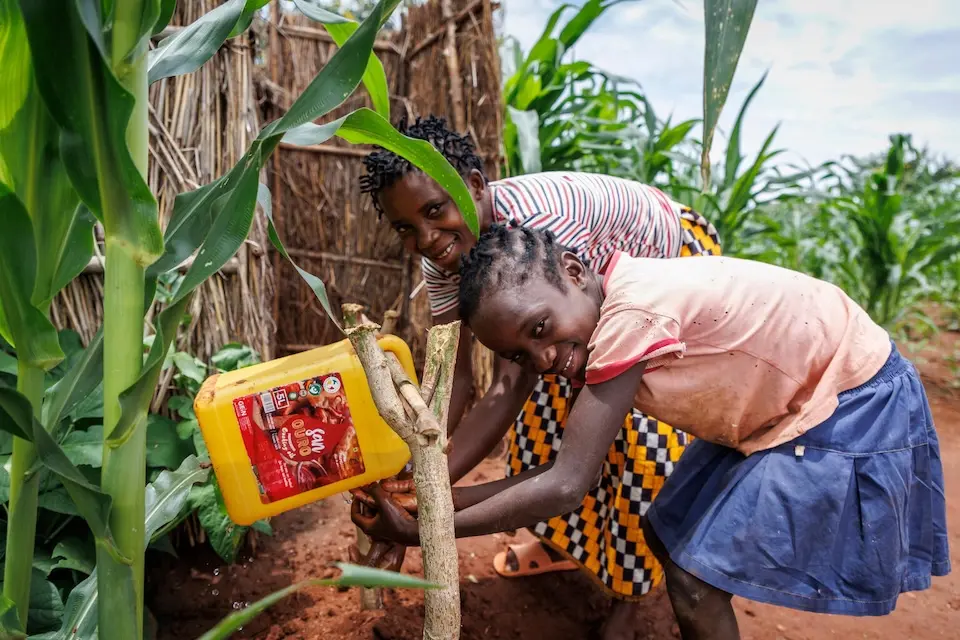
Children can only practice healthy handwashing habits when they can access water, soap and functioning hygiene facilities on a regular basis.
Many circumstances and events can prevent or inhibit handwashing. A natural disaster can destroy facilities. Displacement and conflict can make access difficult or unsafe. Living in poverty often means living without running water and basic supplies like soap.
When a child has no way to wash their hands, their environment can quickly become unsafe — a place where bacteria and viruses thrive and spread.
UNICEF has active WASH programs in some 100 countries. Many of UNICEF's safe water projects involve helping to improve handwashing access for children and families by upgrading infrastructure and other long-term, sustainable solutions.
How UNICEF helps children access safe water, sanitation and hygiene (WASH)
UNICEF works with governments, communities and partners to improve and expand reliable water, sanitation and hygiene (WASH) services for children. Some campaigns and programs focus on handwashing. In other cases, handwashing guidance and support is integrated into other health, education and nutrition interventions.
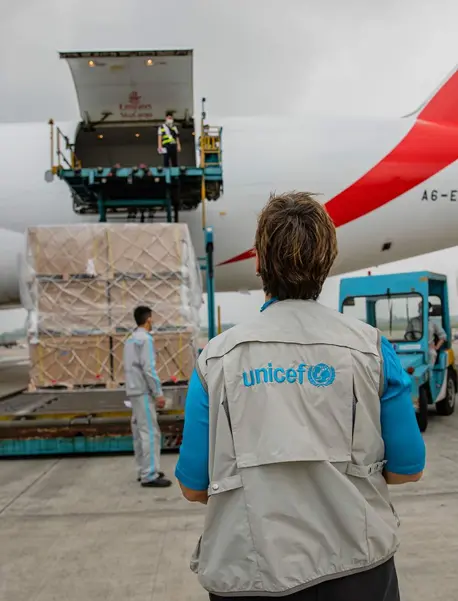
In schools, hospitals and displacement camps, UNICEF builds and installs water pumps, sanitation systems and handwashing stations, ensuring facilities are accessible, including for children with disabilities. UNICEF also procures and distributes millions of bars of soap, hand sanitizers and hygiene kits to families, schools and medical staff.
UNICEF also works with governments to help develop handwashing policies, strategies and action plans — and not only to ensure services and supplies are widely available, but also to promote the effectiveness and necessity of handwashing.
UNICEF support for community health workers and public information campaigns help governments reach children and families living in remote settings with support and messaging that inspires behavioral change. Lessons are spread throughout communities by training teachers and community leaders to show children and families the importance of handwashing and how to do it properly.
Learn how UNICEF works to ensure access to safe water for every child
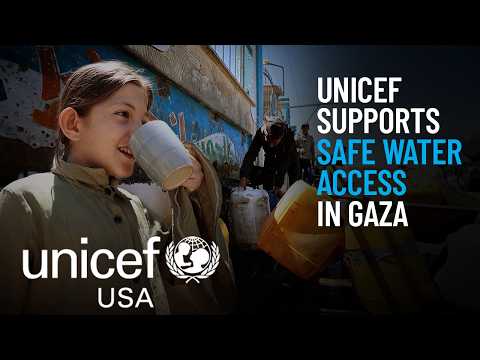
Supporting children in schools and communities
UNICEF focuses on ensuring children have access to handwashing in the areas where they spend the most time — at school and within their communities.
By building and maintaining facilities like group handwashing stations and water supply systems, as well as procuring and distributing soap and hygiene kits, UNICEF helps make handwashing simple. Children who have access to handwashing facilities and safe water at school and in their communities stay healthier and attend school more regularly. Having the means to wash hands also helps students maintain a sense of dignity.
Another benefit to this approach: when children learn proper handwashing techniques at school, they bring those lessons home to their families and communities, furthering the impact.
Shop the UNICEF Market: 100 Bars of Soap to Protect Families’ Health and Hygiene
Providing WASH support during emergencies
During natural disasters, disease outbreaks, conflicts and crises, access to safe water and handwashing services and supplies can be disrupted. When this happens, UNICEF often helps to restore access as part of its emergency response, by setting up temporary handwashing stations and trucks with clean, safe water and distributing hygiene kits to affected areas.
UNICEF has supported hand hygiene initiatives to combat some of the worst epidemics, including Ebola, cholera and COVID-19.
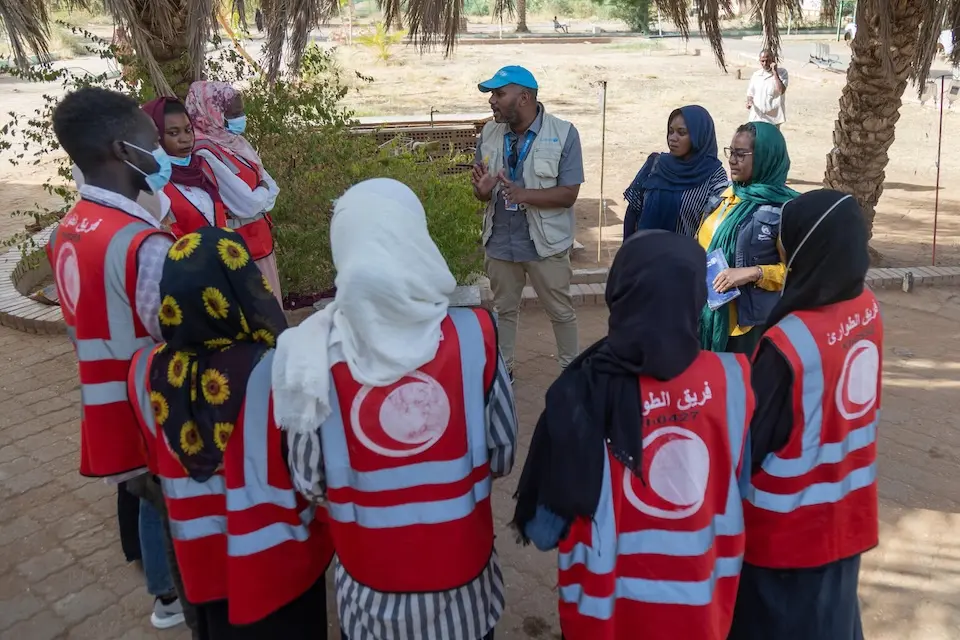
How to help children build healthy handwashing habits
As part of Global Handwashing Day, parents, caregivers and educators can help children create and build healthy handwashing habits for life.
UNICEF USA’s parenting hub is a great resource for teaching your child healthy habits — including hand hygiene.
Tips include:
- Explain why handwashing for kids is important and how it keeps them and the people they love safe from germs — even invisible ones.
- Demonstrate the correct way for kids to wash their hands, which includes washing hands with soap, taking care to wash the backs of hands and in between fingers for at least 20 to 30 seconds.
- Talk about times when washing hands for kids is important — around meals, bathroom breaks and after playing outside.
How to support safe water and hygiene for all children
On Global Handwashing Day, the message is simple: healthy handwashing depends on children having reliable access to safe water, soap and appropriate hygiene facilities.
Supporting UNICEF is one way to support hygiene health for children around the world — a core objective of UNICEF's WASH programming. UNICEF works to expand that access for children in communities, schools, health facilities and humanitarian settings around the world.
You can also help by speaking up for policies that protect children’s access to these basics, and/or advocating more generally for continued U.S. investment in foreign assistance.
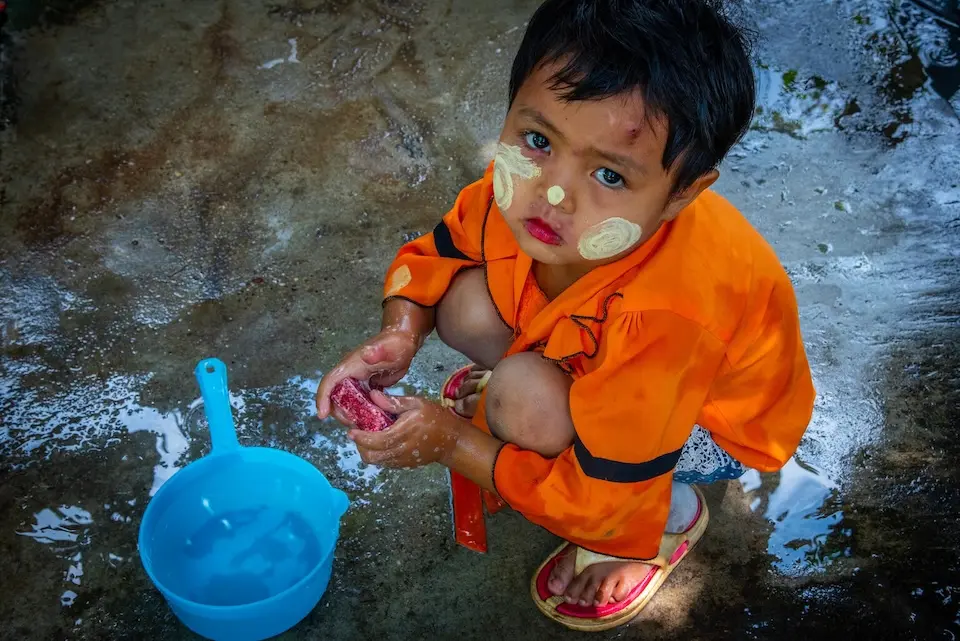
Frequently asked questions about Global Handwashing Day
What is Global Handwashing Day?
Global Handwashing Day is an annual day of advocacy focused on awareness and understanding of both the value of handwashing with soap for children's health and the barriers that can limit access.
When is Global Handwashing Day?
Global Handwashing Day is observed every year on Oct. 15. Global Handwashing Day 2026 falls on a Thursday.
Why is handwashing for kids important?
Washing hands with soap is vital to help children stay healthy, as it reduces the spread of germs and illness. Children can only maintain healthy handwashing habits when safe water, soap and hygiene facilities are available.
HOW TO HELP
There are many ways to make a difference
War, famine, poverty, natural disasters — threats to the world's children keep coming. But UNICEF won't stop working to keep children healthy and safe.
UNICEF works in over 190 countries and territories — more places than any other children's organization. UNICEF has the world's largest humanitarian warehouse and, when disaster strikes, can get supplies almost anywhere within 72 hours. Constantly innovating, always advocating for a better world for children, UNICEF works to ensure that every child can grow up healthy, educated, protected and respected.
Would you like to help give all children the opportunity to reach their full potential? There are many ways to get involved.