UNICEF Urges Action to Prepare for El Niño and Protect Children
Highlights
- El Niño impacts are forecast to intensify between November 2026 and January 2027, increasing risks to over 347 million children in nearly 100 countries and territories.
- Extreme weather events are often devastating for children, leading to displacement, malnutrition, water shortages, disease outbreaks, school closures and other risks.
- UNICEF urges governments, donors and partners to invest early, noting that every $1 spent on disaster risk reduction and preparedness can save up to $15 in recovery costs, and is already preparing teams and supplies in affected regions.
The 2026-2027 El Niño weather pattern is expected to be one of the strongest ever, threatening the health, safety and well-being of over 347 million children across nearly 100 countries. UNICEF urges governments, donors and partners to invest early in system strengthening and other measures before needs escalate.
More extreme weather events likely in months ahead — threatening 347 million children in nearly 100 countries and territories
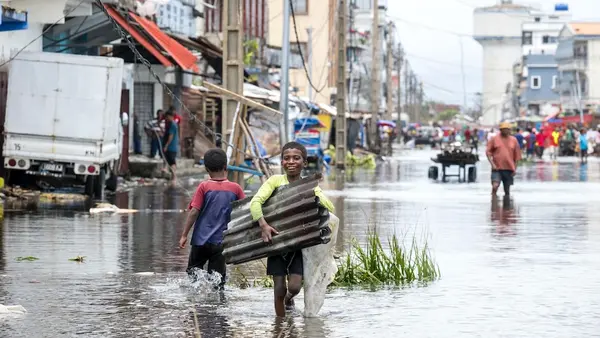
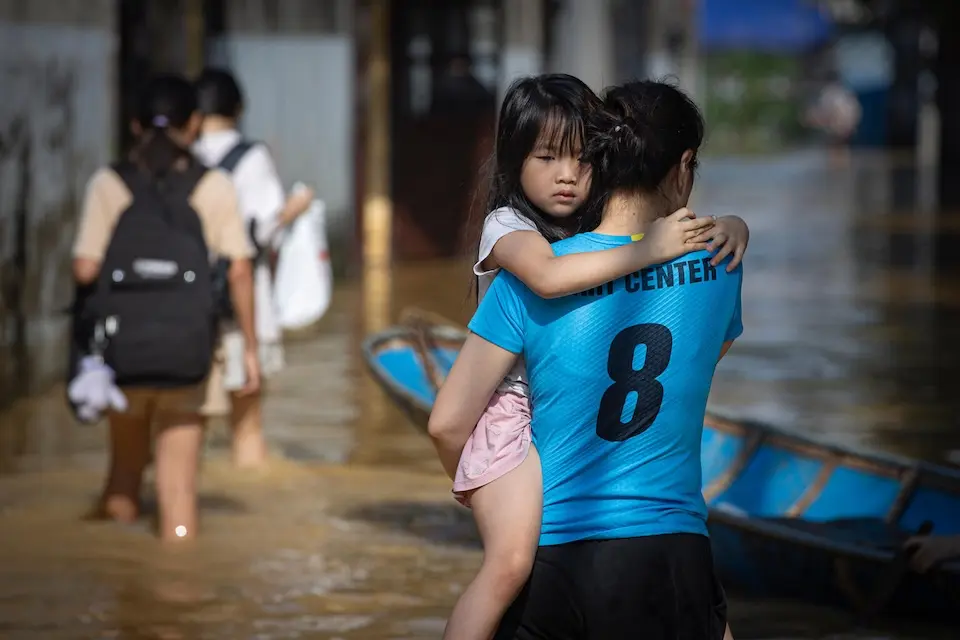
Unusually wet and dry conditions are expected across several regions over the coming months, increasing the likelihood of heavy flooding, severe drought and other extreme weather — exposing over 347 million children in nearly 100 countries and territories to potentially devastating consequences, UNICEF warned.
The culprit: El Niño — a naturally recurring climate pattern that warms surface temperatures in the central and eastern Pacific, disrupting weather systems worldwide. (The effect was first detected and named by Peruvian fishermen and sailors, who noticed it happening around Christmas time; El Niño is Spanish for "The Christ Child.")
UNICEF based its warning on an analysis of forecast data that shows El Niño impacts intensifying between November 2026 and January 2027, making it one of the strongest and potentially devastating such phases on record.
Nearly half of all children worldwide — roughly 1.1 billion — are already exposed to at least three overlapping climate-related hazards. El Niño tends to intensify such shocks.
“For children, El Niño is far more than a weather pattern. It can mean increased displacement, malnutrition, water shortages, and disease outbreaks. Children are also at risk of schools closing, while families could experience added financial hardship," UNICEF Executive Director Catherine Russell said. "[W]e must act now to protect communities and children."
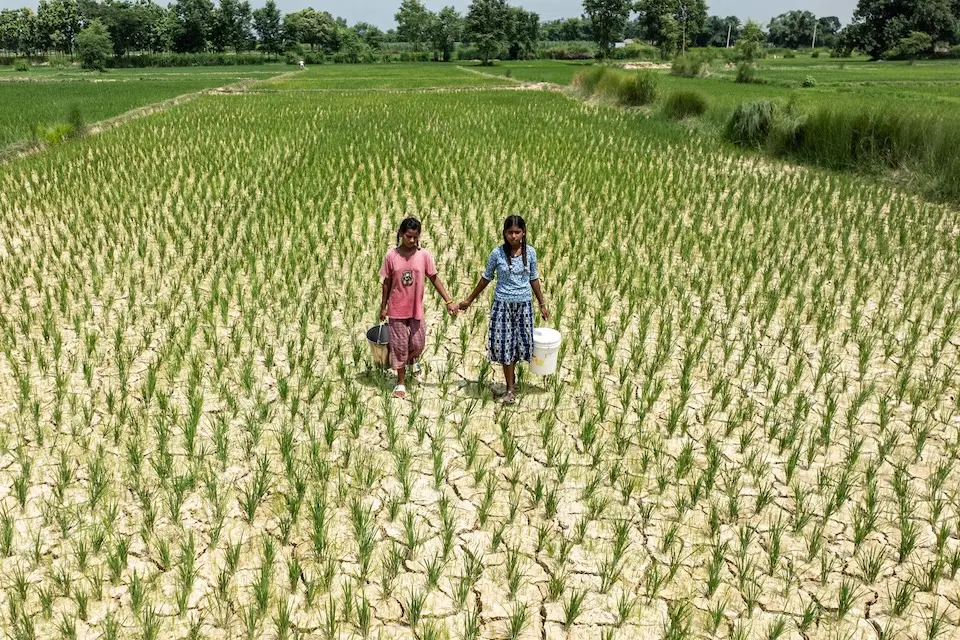
Drought and extreme heat are anticipated across the Central American Dry Corridor, the Caribbean and parts of South America, while the Pacific coasts of Mexico, Central America and South America face heavy rainfall, flooding and landslides during an above-normal hurricane season.
Related: Understanding Children's Climate Risks
The largest numbers of children likely to experience extreme climate conditions linked to El Niño — an estimated 190 million — live in the Asia and Pacific region, according to UNICEF's analysis. In Eastern and Southern Africa, 41 million children face increased risks; in Latin America and the Caribbean, another 41 million. In Europe and Central Asia, 22 million; Middle East and Northern Africa, 20 million; and West and Central Africa, 20 million.
What El Niño impacts can do to children
Drier conditions in countries like Colombia, Fiji and the Philippines can lead to drought, agricultural drought and water scarcity, triggering displacement and increasing child malnutrition. Wetter than normal conditions in countries like Somalia can lead to riverine and flash flooding, waterborne disease outbreaks and disrupted schooling.
For children living in crisis- and conflict-affected countries such as Afghanistan or Chad, El Niño can be a direct threat to survival, worsening hunger and malnutrition where conflict, displacement and limited access to essential services have already left children highly vulnerable.
Weather disasters also heighten children's risks of family separation, violence, exploitation and child marriage. During Ethiopia's severe drought in 2022, child marriage rates more than doubled as desperate families turned to negative coping strategies.
In 2025, climate-related events interrupted learning for an estimated 171 million students worldwide. That figure could rise, UNICEF warns, as El Niño fuels more severe droughts and floods, leading to school closures, disrupted attendance and increased risks of children dropping out.
Related: Protecting Education in Emergencies
A call for greater investment in disaster risk reduction and prevention
Every $1 invested in disaster risk reduction and prevention can save up to $15 in recovery costs, yet less than 1 percent of humanitarian funding currently goes to anticipatory action.
The time to act is now, before needs escalate, UNICEF warns. UNICEF urges governments, donors and partners to:
- invest early, before impacts peak
- strengthen climate-resilient systems
- protect essential services for children
- ensure humanitarian access to affected communities
Related: UNICEF's climate change response focuses on protecting children
Ongoing work to prepare for the needs ahead
UNICEF and partners are already delivering support to children and families affected by extreme conditions, while also preparing for the needs ahead. A primary focus is to ensure sustained access to essential services during extreme weather events— and to reach children before the worst impacts arrive.
In South America, UNICEF country offices have activated emergency teams, updated contingency plans and pre-positioned supplies ahead of the rainy season. In Central America, UNICEF and partners are delivering nutrition and WASH support to communities in the Dry Corridor and responding to droughts in Guatemala, Nicaragua and Mexico. And in Caribbean countries, UNICEF is helping to strengthen water management, early warning systems and community preparedness.
HOW TO HELP
There are many ways to make a difference
War, famine, poverty, natural disasters — threats to the world's children keep coming. But UNICEF won't stop working to keep children healthy and safe.
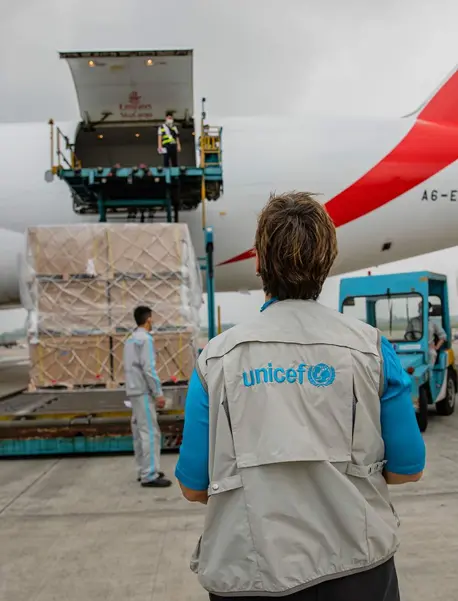
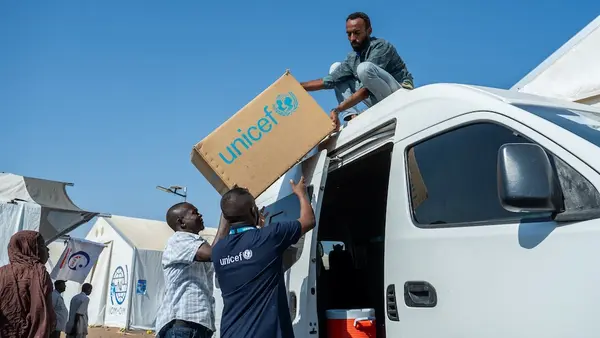
UNICEF works in over 190 countries and territories — more places than any other children's organization. UNICEF has the world's largest humanitarian warehouse and, when disaster strikes, can get supplies almost anywhere within 72 hours. Constantly innovating, always advocating for a better world for children, UNICEF works to ensure that every child can grow up healthy, educated, protected and respected.
Would you like to help give all children the opportunity to reach their full potential? There are many ways to get involved.