Back-to-Back Cyclones Intensify Risks for Madagascar’s Children
Tens of thousands of children are displaced and cut off from essential services following the southeast African island nation's second weather disaster in two weeks. UNICEF is on the ground assisting the government-led emergency response, but more support is needed.
With partners, UNICEF is working to restore access to safe water, health care, protection and education
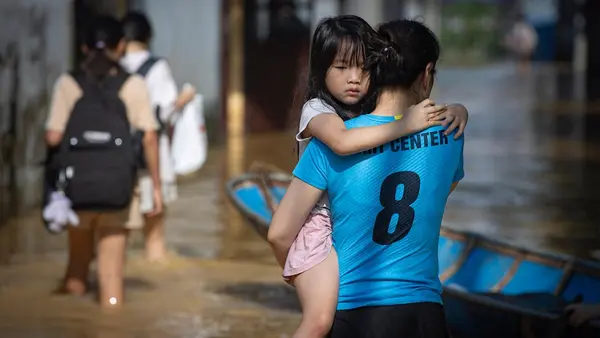
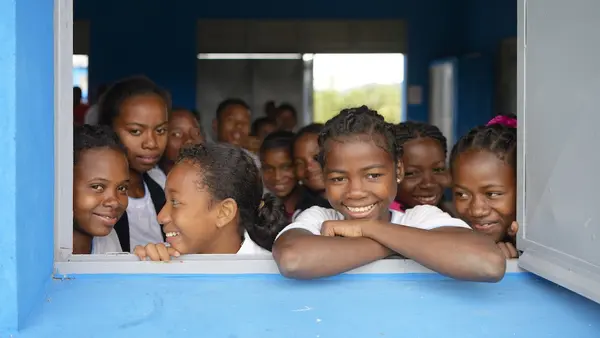
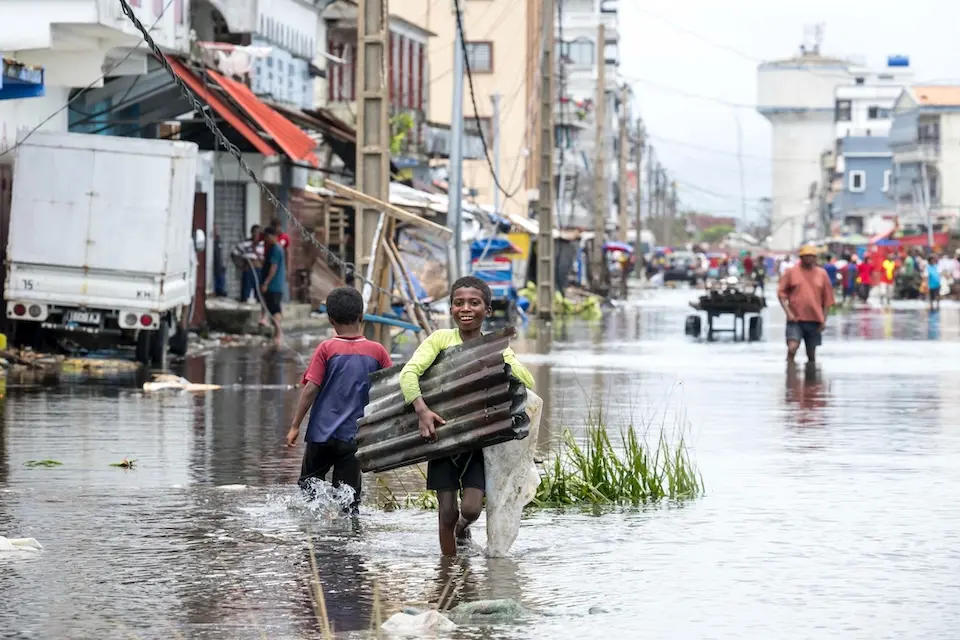
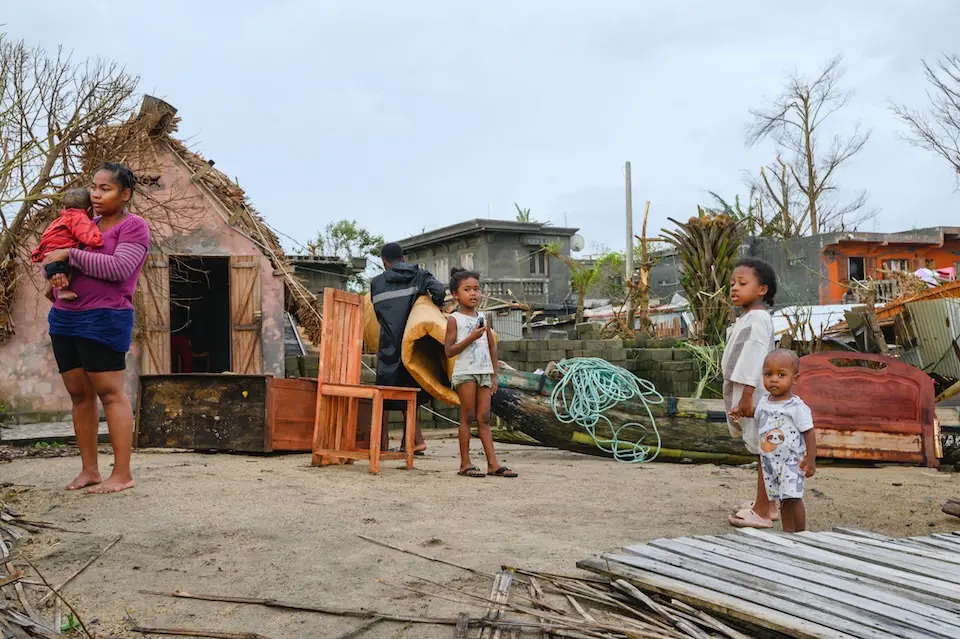
At least 16,000 people — including 6,000 children — have been displaced from their homes and nearly 29,000 children are unable to attend school in the wake of Cyclone Gezani, the second cyclone to hit the country in two weeks. Cyclone Fytia struck the northwestern part of the country on Jan. 31.
Gezani hit the Atsinanana region, which includes Madagascar’s second-largest city and main port of Toamasina, the hardest. Thousands of families have taken refuge in overcrowded shelters, leaving children vulnerable to violence, exploitation and psychological trauma.
Learn more about cyclone relief and how UNICEF supports children before, during and after a weather disaster
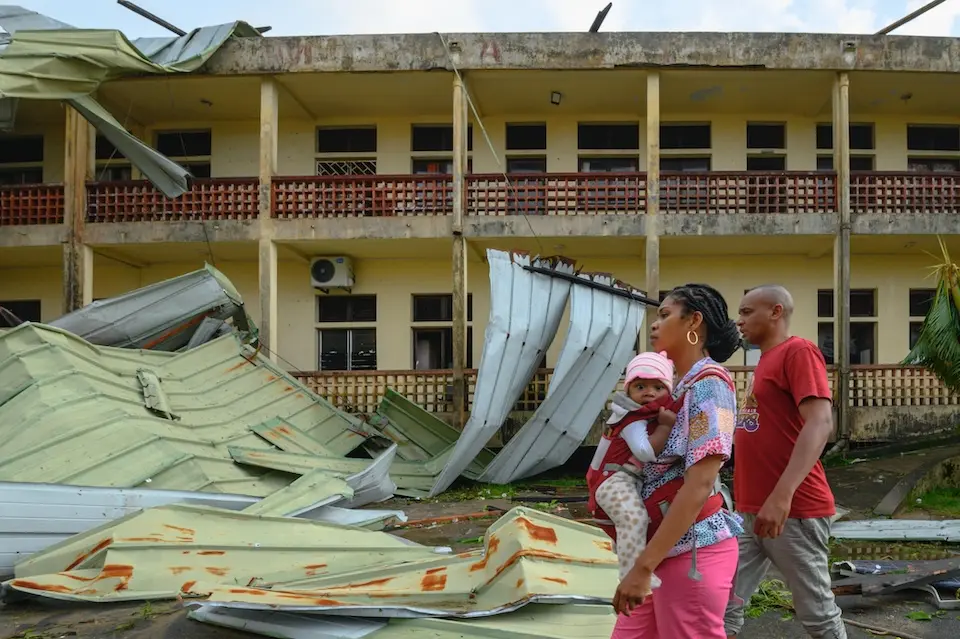
Widespread power cuts have disrupted the city’s water supply, increasing risks of waterborne disease outbreaks. Nearly two dozen health centers were damaged, interrupting access to essential health care services, including vaccinations. The storm’s 120 mph-plus winds damaged some three dozen schools, ripping roofs off hundreds of classrooms and completely destroying others.
UNICEF is working with the Government of Madagascar to restore safe water, health, protection and education services as quickly as possible to reduce further risks for children in the weeks ahead, UNICEF’s Madagascar Representative Christine Jaulmes noted, “but we need support and funding urgently.”
Related story: Turning Climate Hardship into Hope in Eastern and Southern Africa
UNICEF responds to hundreds of emergencies every year, drawing funding from various sources to support government-led relief efforts. Unrestricted donations from supporters provide UNICEF with the flexibility to deploy resources wherever and whenever they are needed most.
The government is leading the response through its National Bureau for Risk and Disaster Management, with humanitarian partners supporting assessments and the delivery of assistance to affected communities.
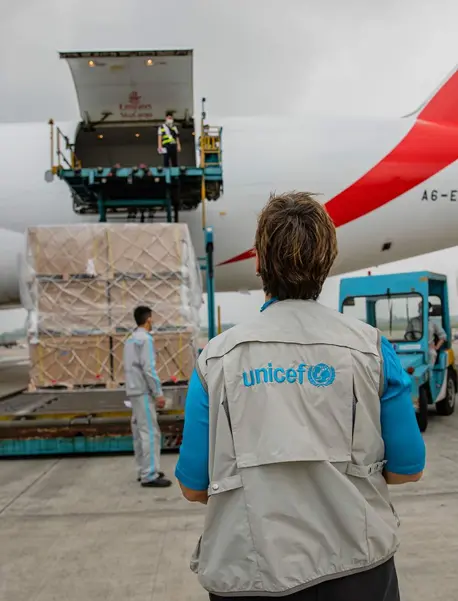
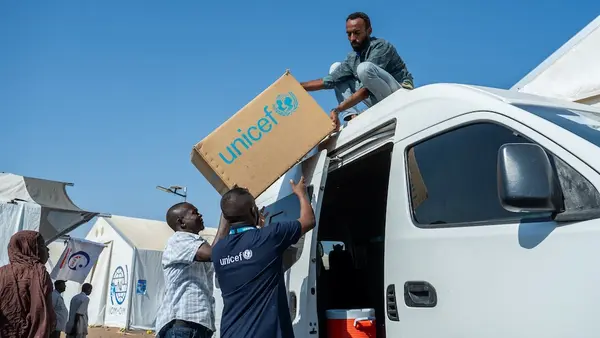
How UNICEF gets vital supplies to where they're needed most
UNICEF began its response even before Cyclone Fytia landfall, then rapidly scaled up operations working alongside national and local authorities and other UN agencies.
Efforts continue to shore up health and other critical services. Water purification supplies have already reached 2,400 people, and temporary learning spaces have been set up to accommodate 14,000 students. Mosquito nets and other emergency supplies have also been distributed.
Response operations in the northwest are being coordinated out of UNICF's field office in the Boeny region, the epicenter of an ongoing mpox outbreak that UNICEF has also been helping to manage, by implementing water, sanitation and hygiene measures in high-risk areas.
Hygiene supplies were rapidly distributed to 8,670 people to reduce disease risk after flooding, and four 2,500-liter water tanks were installed across two displacement sites in Mahajanga to provide safe drinking water.
UNICEF-supported community outreach workers are helping to spread messages on how to help keep children safe and healthy in crowded displacement sites.
Learn more about how UNICEF is supporting children in Madagascar
HOW TO HELP
There are many ways to make a difference
War, famine, poverty, natural disasters — threats to the world's children keep coming. But UNICEF won't stop working to keep children healthy and safe.
UNICEF works in over 190 countries and territories — more places than any other children's organization. UNICEF has the world's largest humanitarian warehouse and, when disaster strikes, can get supplies almost anywhere within 72 hours. Constantly innovating, always advocating for a better world for children, UNICEF works to ensure that every child can grow up healthy, educated, protected and respected.
Would you like to help give all children the opportunity to reach their full potential? There are many ways to get involved.