Understanding Children's Climate Risks
Highlights
- A new UNICEF report pinpoints where in the world children are at greatest risk from climate hazards, and where weak essential services compound these risks. Children in sub-Saharan Africa and Asia are the most vulnerable.
- When health, education, water and other systems are already fragile, it is even harder for children and communities to recover from climate disasters.
- UNICEF advocates for urgent, child-focused climate action that includes investing in climate-resilient services and enabling young people to participate in climate policy and decision-making.
More than a billion children are now facing at least three overlapping climate hazards — at great risk to their health, safety and well-being. Understanding who is affected most, and where, is an important step toward reducing these risks and protecting children's futures. UNICEF's latest climate report provides insights to inform practical solutions.
Over 1 billion children in the world exposed to at least three overlapping climate hazards
While all 2.4 billion children in the world are now exposed to at least one climate hazard — be it floods, drought, storms or extreme heat — an estimated 1.1 billion children are now exposed to at least three, at great risk to their health, safety and future well-being.
This is the main takeaway of UNICEF's 2026 Children's Climate Risk Report, released on June 16, 2026.
The 2026 Children's Climate Risk Report builds on UNICEF's groundbreaking 2021 Children's Climate Risk Index, using updated data and improved models. While the Index ranked countries according to children's overall climate risk, the new report provides a more detailed picture of where specific climate hazards are occurring, how intensely they affect children and where health, education and other essential systems are least able to withstand these shocks.
Without identifying who the most vulnerable children are, where they live and how they are affected, it’s nearly impossible to develop practical and effective solutions. And climate impacts are only expected to get worse in the coming decades.
The report also helps make the case that progress is possible.
Learn how UNICEF is responding to the global climate crisis
Mapping the most common climate threats, from floods to droughts to extreme heat
The 2026 report is comprehensive in its coverage of the eight most common climate threats: coastal floods, droughts, extreme heat, fires, heat waves, riverine floods, sand and dust storms and tropical storms. It also analyzes children’s exposure to air pollution and malaria, two risks that are highly sensitive to the effects of climate change and that add another layer of danger.
Globally, drought is the most widespread climate-related risk, threatening around 1.8 billion children. Frequent, longer or more severe heat waves threaten 1.5 billion children worldwide. Exposure to extreme heat is also widespread, threatening 1.2 billion children. Some 296 million children in the world live under threat of all three.
Children across sub-Saharan Africa and Asia most exposed to multiple climate risks
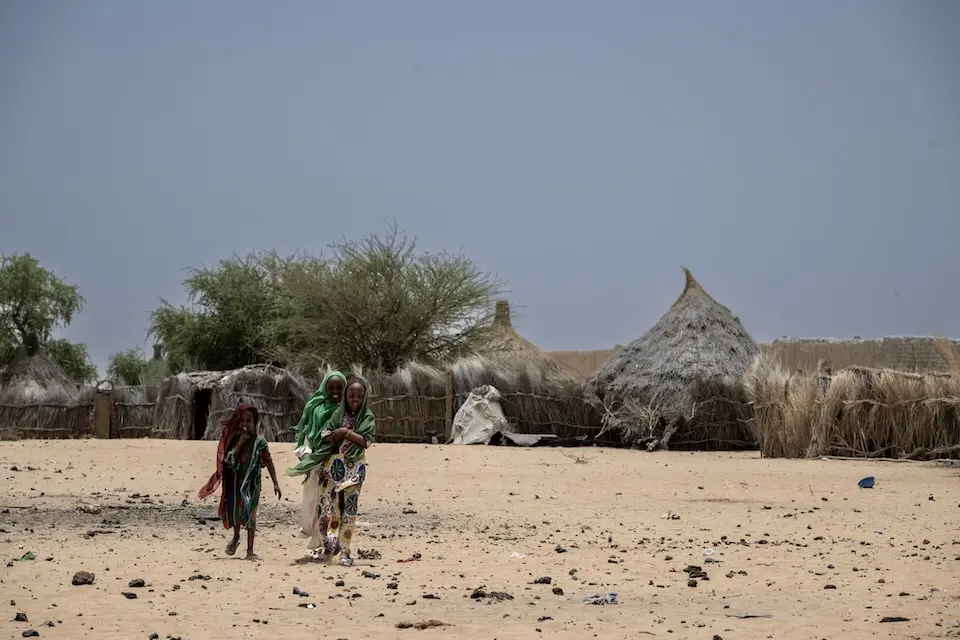
While the climate crisis is a global phenomenon, its effects aren’t felt equally, the UNICEF report makes clear. Children across sub-Saharan Africa and Asia are among the most exposed to multiple climate hazards at the highest intensity.
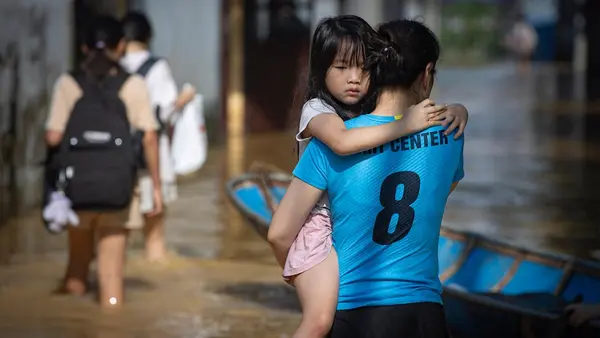
In the Sahel region of Africa, one of the hardest hit by climate hazards, millions of children face the threat of heat and sand and dust storms. In Bangladesh, Myanmar and Pakistan, children are exposed to more climate hazards at once and at a higher intensity than anywhere else in the world. In small island states, from Haiti to Vanuatu, a single storm can overwhelm entire systems at once.
Often, children at greatest risk of climate impacts live in places where critical services are already weak or strained, making it that much harder on children and communities.
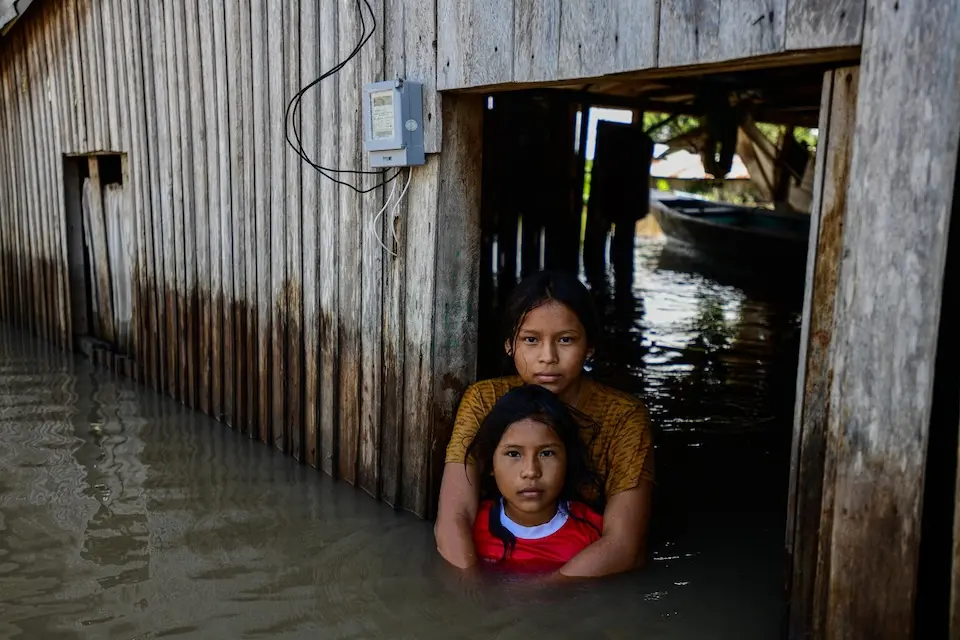
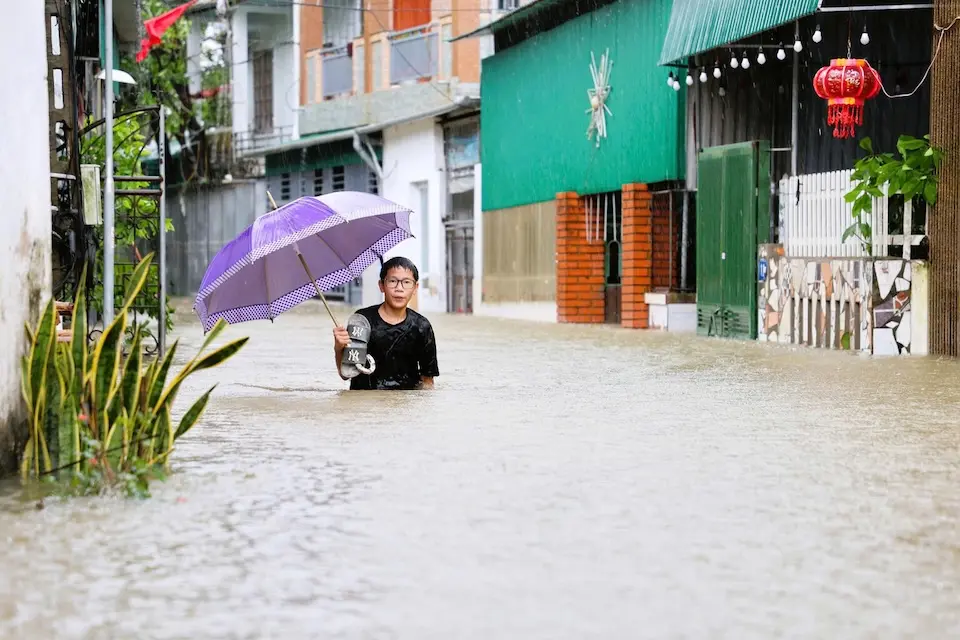
Floods, for example, often trigger outbreaks of diseases like cholera. If drought follows soon after, those same children, already weakened, are far more prone to malnutrition.
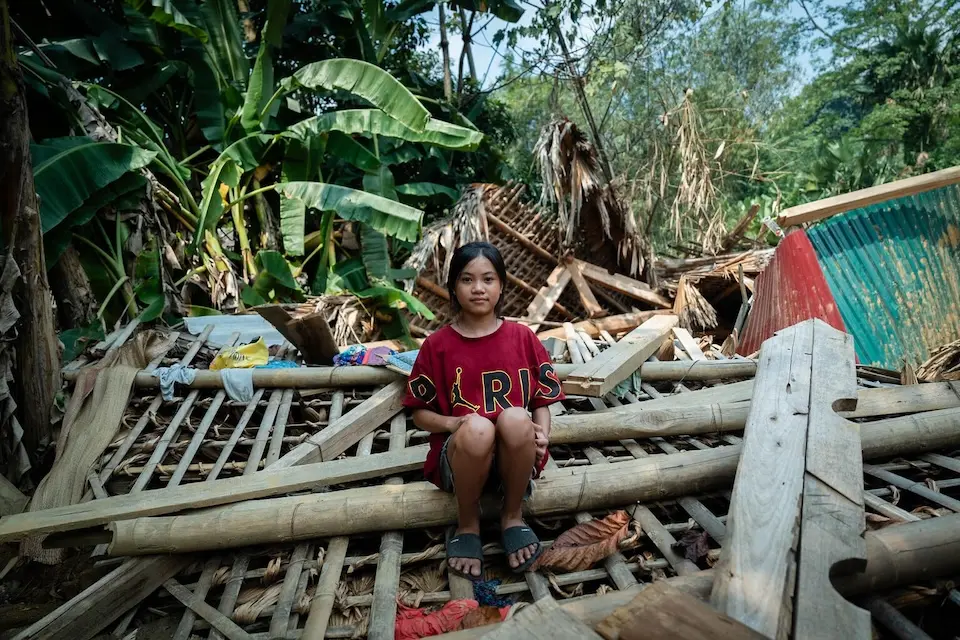
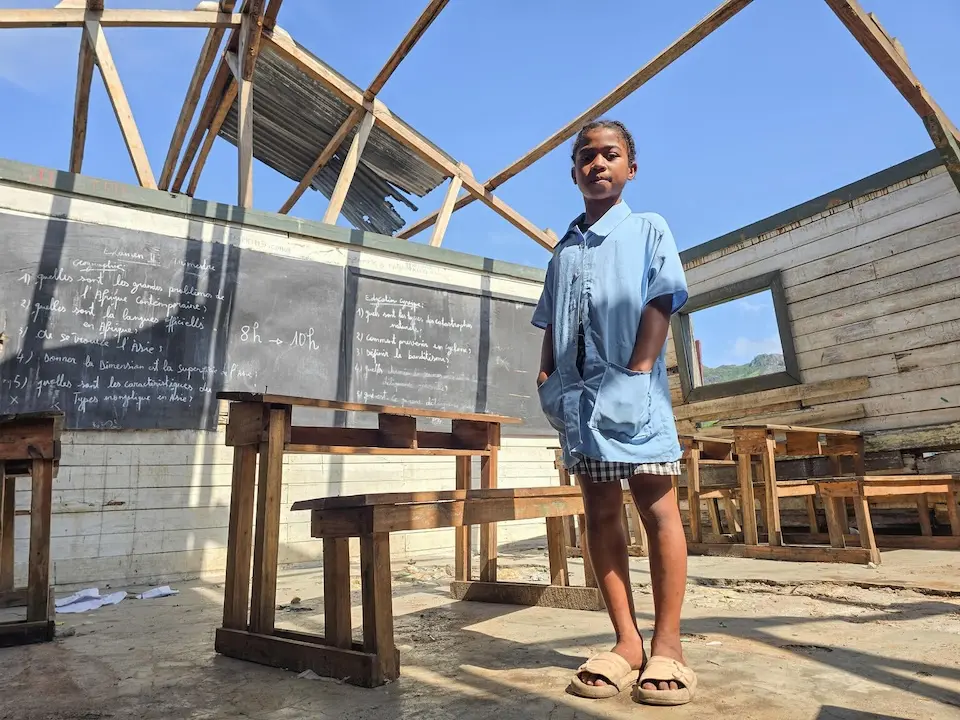
Storms destroy health clinics, disrupting access to essential care. They force school closures, increasing risks of child labor and child marriage. Each shock makes the next one more dangerous, pushing children closer to the edge.
A call for urgent, child-focused climate action
There are practical solutions, ways to help communities adapt to new climate realities while mitigating risks for children. The hope is that, by providing richer data on where risks are greatest, the report can help governments make smarter investments that strengthen the systems children rely on — before disasters strike.
UNICEF's report also offers a flexible framework for governments and partners to perform their own risk assessments.
UNICEF's global call to climate action includes three major areas of focus:
- cutting emissions and moving away from fossil fuels, while ensuring the transition is fair and grounded in the best available science
- investing much more in the services children rely on, like health care, education, water and protection systems
- empowering children and young people, by investing in climate education and making sure they have a real voice in decisions that affect their lives and their future
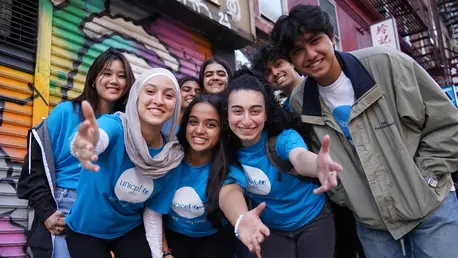
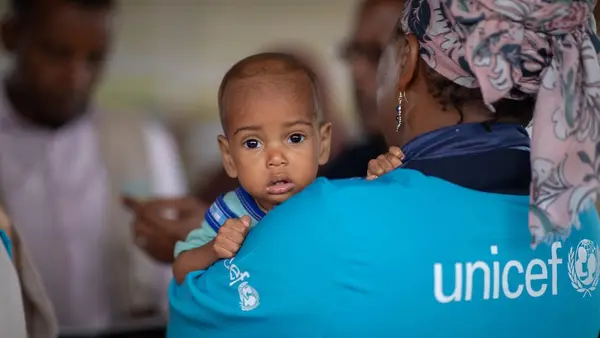
Alongside partners, UNICEF supports community efforts to build climate resilience, reduce disaster risks and include young people in decisions that affect their future well-being.
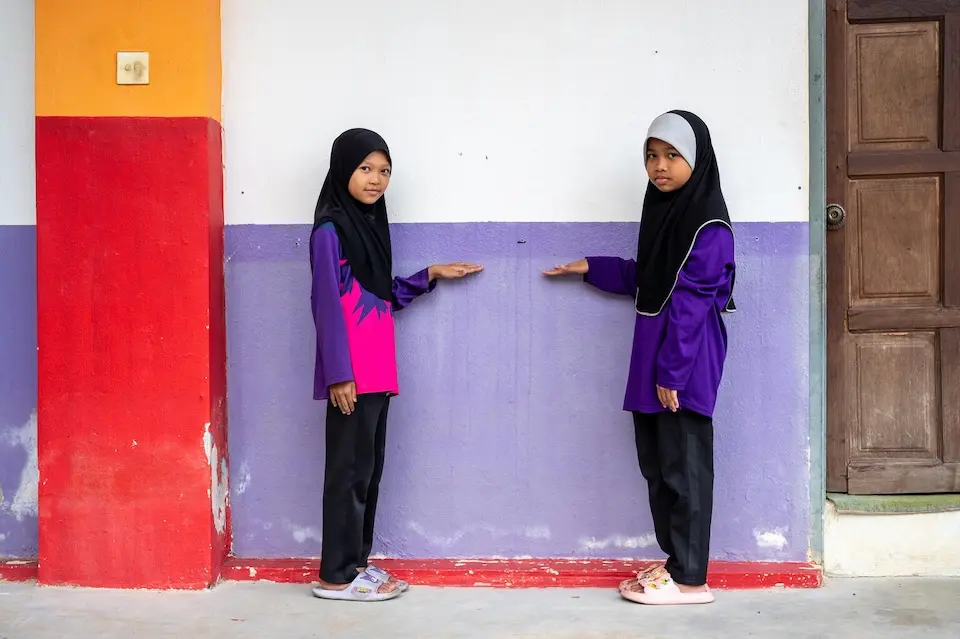
How UNICEF is already working to reduce disaster risks and build climate resilient systems to protect children
Some of the ongoing efforts to strengthen systems to withstand climate shocks include:
- upgrading vaccine cold chain infrastructure through solar power and energy-efficient cooling systems to ensure reliable access to routine child immunization
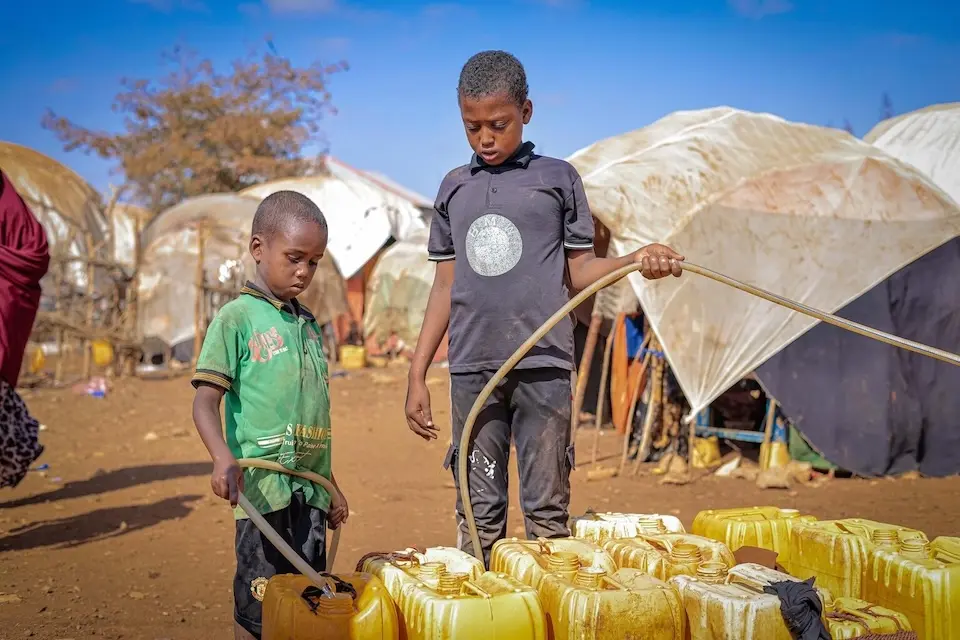
- installing solar-powered water systems and climate-resilient boreholes to ensure reliable access to safe water for communities, schools and health facilities during droughts and power outages
- retrofitting schools and health facilities with flood- and heat-resilient infrastructure to maintain essential services during extreme weather events
- strengthening water and sanitation systems through rainwater harvesting, MBBR (moving bed biofilm reactor) wastewater treatment and other climate-resilient approaches to reduce water shortages and protect essential services
Related: The Lifesaving Impact of Solar Power
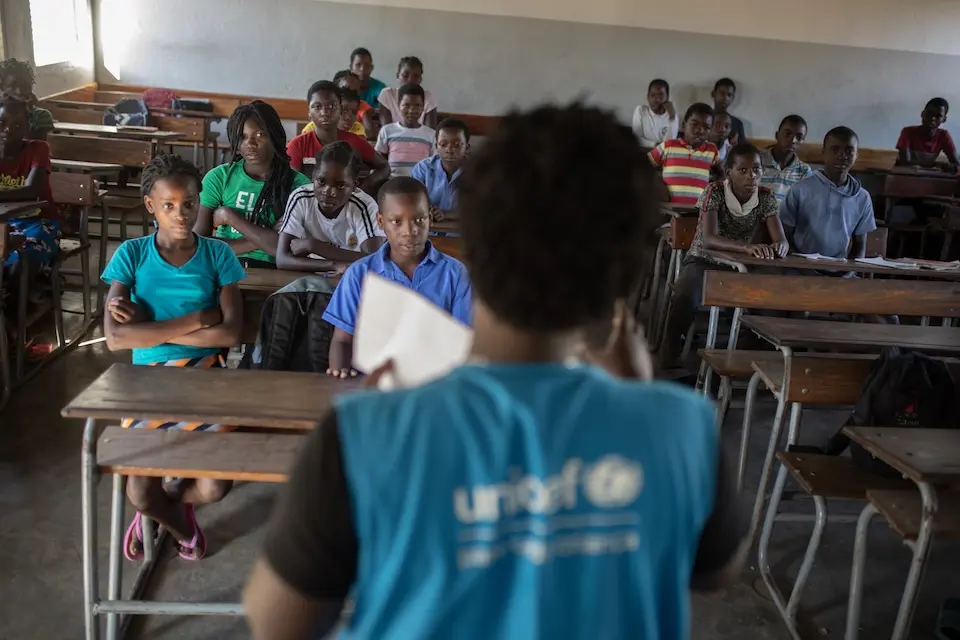
"Through political will, partnerships, and collaborating with young people, ... progress is possible," UNICEF Executive Director Catherine Russell wrote in the foreword to the 2026 report. "But the scale and ambition of action must be rapidly accelerated to ensure that every child is protected from climate impacts."
Read UNICEF's 2026 Children's Climate Risk Report
Explore how UNICEF is working with partners to support and protect children impacted by climate change
HOW TO HELP
There are many ways to make a difference
War, famine, poverty, natural disasters — threats to the world's children keep coming. But UNICEF won't stop working to keep children healthy and safe.
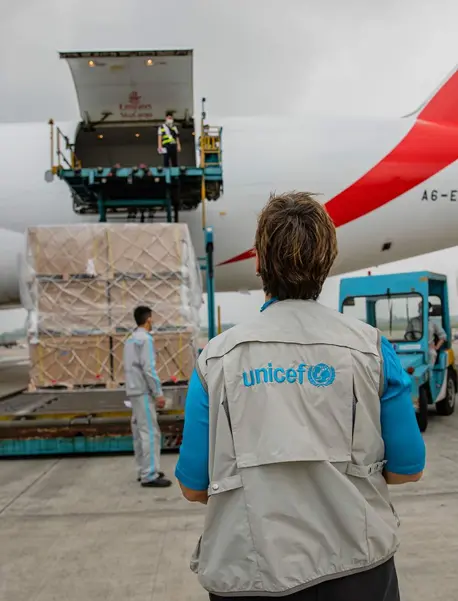
UNICEF works in over 190 countries and territories — more places than any other children's organization. UNICEF has the world's largest humanitarian warehouse and, when disaster strikes, can get supplies almost anywhere within 72 hours. Constantly innovating, always advocating for a better world for children, UNICEF works to ensure that every child can grow up healthy, educated, protected and respected.
Would you like to help give all children the opportunity to reach their full potential? There are many ways to get involved.