Under Fire and Freezing: Children in Ukraine Need Help
How UNICEF is supporting children and families affected by the winter emergency in Ukraine.
A daily struggle to stay safe from nonstop attacks, survive extreme temperatures
Winter in Ukraine can be brutal, and this year is no exception. It's especially difficult to endure with a war on.
Intense strikes continue to devastate vital energy and water systems as temperatures plummet to extreme sub-zero levels, UNICEF Representative to Ukraine Munir Mammadzade reported.
Millions of children and families across the country are forced to go without heat, electricity or safe water, sometimes for days at a time, Mammadzade said. Cold water comes only intermittently. Parents pile soft toys, or anything they can find, against the windows to block the freezing cold.
"The winter scenario in Ukraine that we all feared is now a reality," said Mammadzade. "Children and their families are in constant survival mode."
Learn more about UNICEF's work for children in Ukraine
Harsh winter conditions affect children's physical and mental health
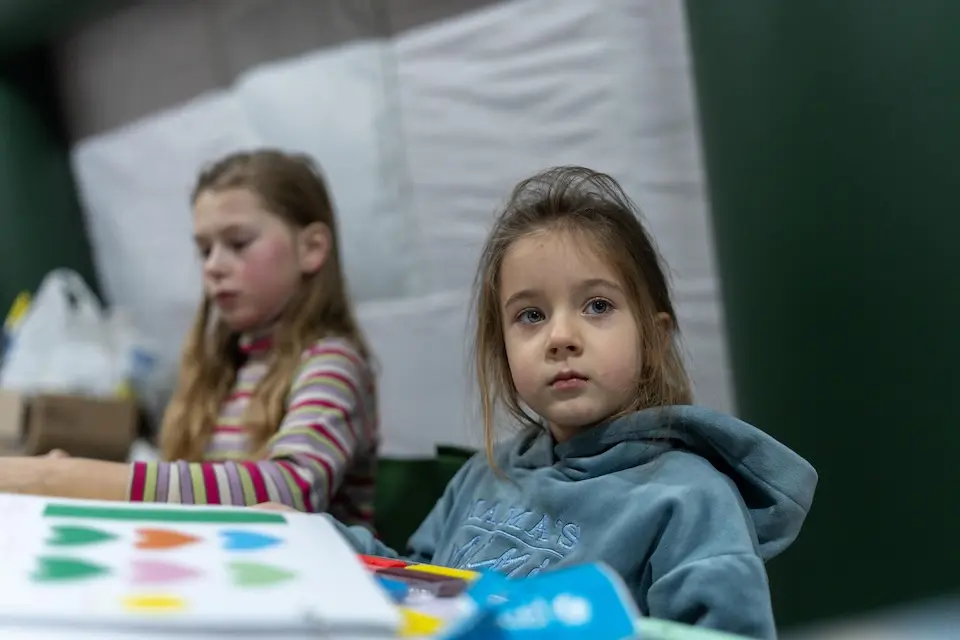
For children, the impact of such harsh conditions is both physical and mental, Mammadzade noted: "Darkness and freezing temperatures intensify fear and stress, and can lead to or exacerbate respiratory and other health conditions."
The youngest are the most vulnerable. Newborns and infants lose body heat rapidly and are at heightened risk of hypothermia and respiratory illness, conditions that can quickly become life-threatening without adequate warmth and medical care.
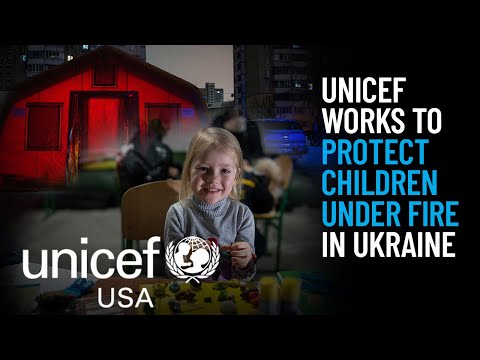
Education is also being disrupted — again. The extreme cold has led to schools and kindergartens in the capital and other areas switching fully to remote learning, but online classes are frequently disrupted by power outages.
"Nearly four years into this relentless war," Mammadzade said, "children’s lives are still consumed by thoughts of survival, not childhood."
Learn more about how war in Ukraine is impacting children and the UNICEF response
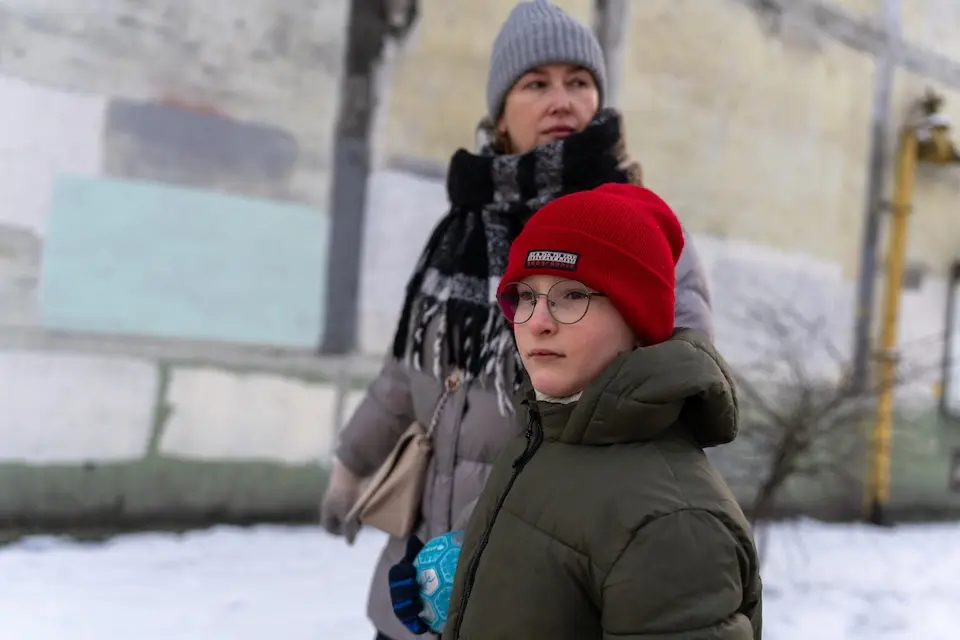
Eight-year-old Yehor lives with his mother in Kyiv. Freezing winter temperatures and electricity cuts have left their home cold and dark.
"It’s been cold at home for many days," Yehor says. "So I keep a torch on. These days I sleep in my clothes, and mum covers me with a sleeping bag. And I really want the lights to come back. I want to go to school, because my friends are there. At home, it’s dark and sad."
Yehor has a disability related to his eyesight, and in low light he can barely see. His mother says the darkness caused by prolonged power cuts has been especially difficult for him during winter.
Learn more about UNICEF's winter response in Ukraine
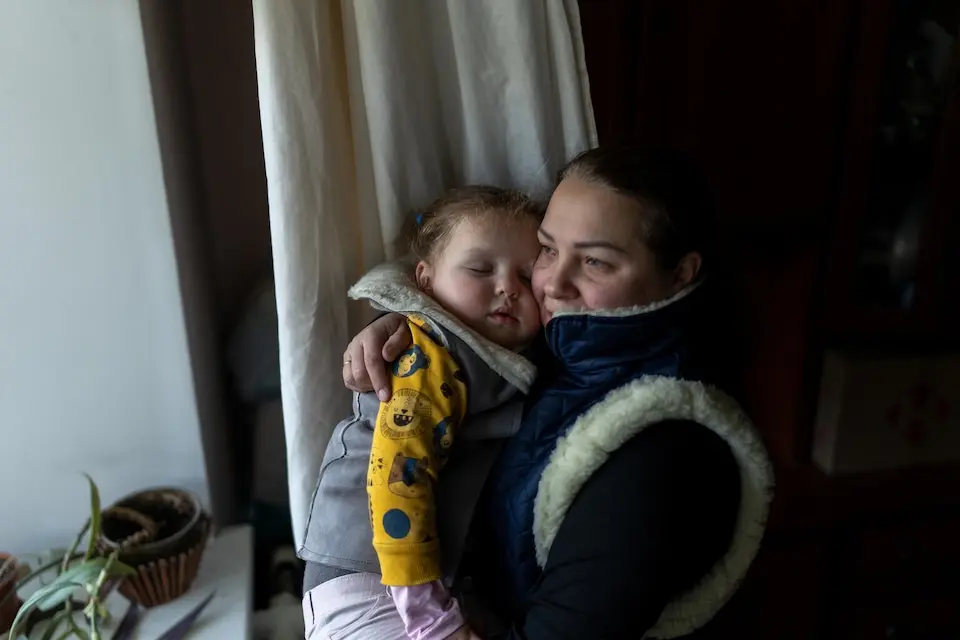
Three-year-old Dasha and her mother, Iryna, are also struggling. Their apartment in Kyiv's Dnipro district went several days without heat after attacks damaged the building’s heating system, leaving indoor temperatures dangerously low.
During the day, Iryna keeps her daughter close. At night, she places plastic jugs filled with heated water into the girl's cot, layering her in warm clothes and blankets.
Repeated trips to an unheated basement shelter during air raid alerts have been especially difficult for the young child.
“At home," Iryna says, Dasha "eventually warms up, but when we go down to the shelter, she cries — it is so cold.” Dasha’s grandfather, Anatolii, 72, is repairing damaged windows and the balcony to prevent more cold air from entering the flat.
How UNICEF is supporting children and families affected by the winter emergency in Ukraine
In response, UNICEF is scaling up emergency winter assistance nationwide, aiming to reach 1.65 million people, including 470,000 children through various interventions.
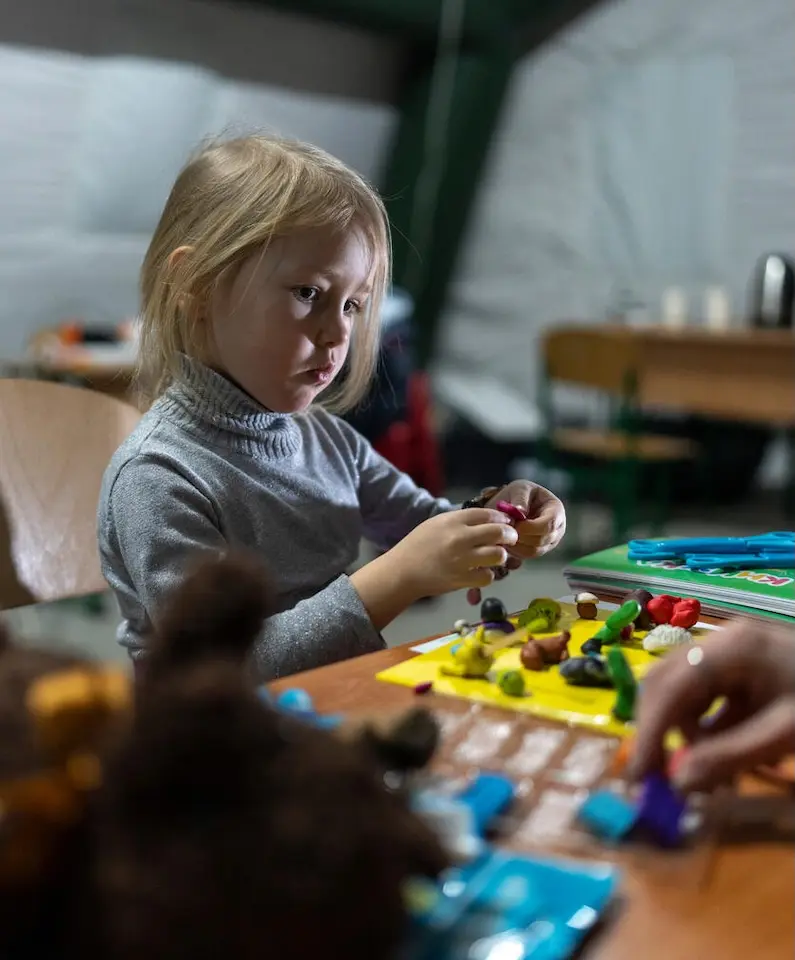
Among UNICEF's top priorities: helping to strengthen heating systems, providing winter cash assistance and supporting child-friendly spaces where children can feel warm, safe and protected.
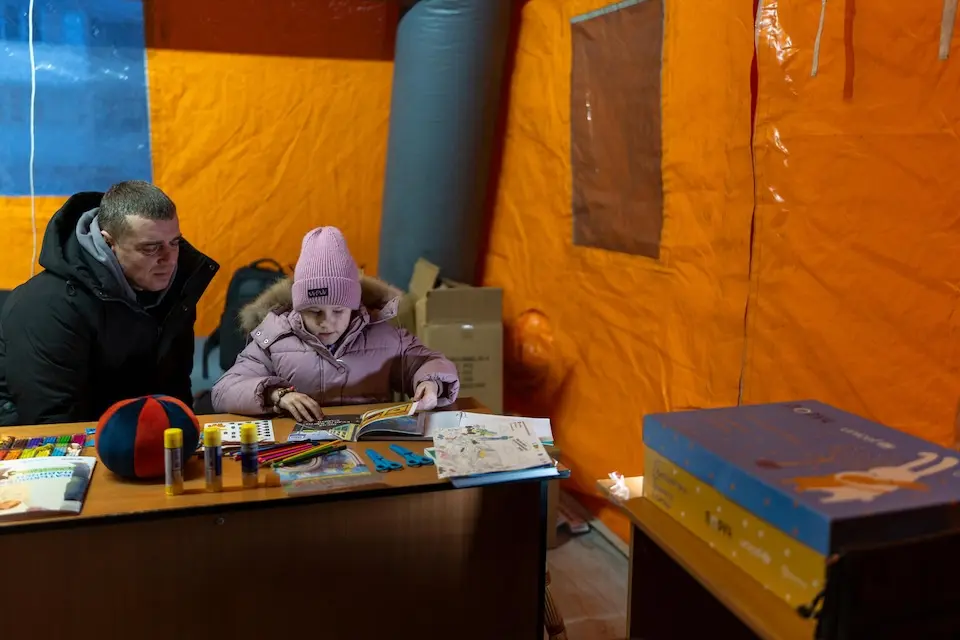
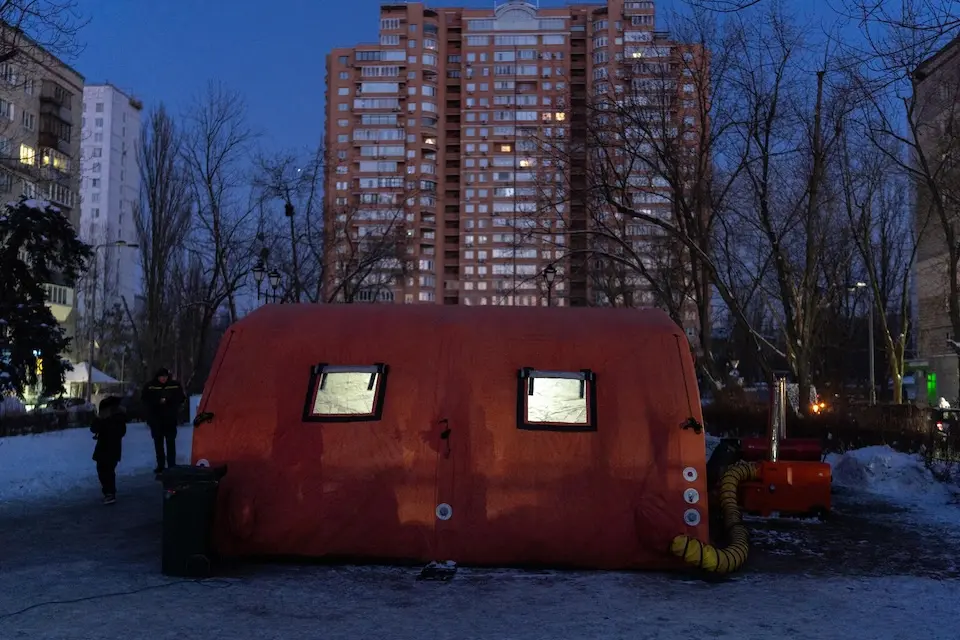
Across Kyiv, warming tents have been set up by Ukraine's State Emergency Service, offering food and charging ports. UNICEF has equipped each one with psychosocial support materials, including toys, games and other items for engaging and soothing children, bringing brief relief and a sense of normalcy.
UNICEF's support is being felt in other ways.
Investments toward strengthening essential systems and infrastructure made in previous years are helping to mitigate the impacts of these latest service disruptions, Mammadzade pointed out.
As soon as damage is inflicted from an attack, energy and water technicians are on the ground conducting urgent repairs to electricity, heating and water infrastructure, he said.
Case in point: Following recent strikes on energy infrastructure and total blackouts in Zaporizhzhia and Dnipro, hospitals were able to keep functioning and water supply flowing, thanks to generators and solar power installations that were put in place well before the start of winter.
And after central heating stations were damaged in Kyiv, UNICEF immediately set up generators from pre-positioned stocks to provide electricity — averting a complete shutdown of essential services.
UNICEF is continuing to expand these efforts. Plans are underway to send high-capacity generators to water and heating companies in other municipalities to help them sustain operations.
Meanwhile, more than 183,000 people, including 86,000 children, have received cash assistance, and 1,500 educational facilities will receive grants that will enable them stay open, functional and child-friendly, benefiting some 445,000 students.
The war's devastating toll on children in Ukraine
In 2025, child casualties in Ukraine increased by 11 percent, with at least 92 children killed and 652 injured, bringing the total number of children killed or injured since the start of the full-scale war to 3,200.
UNICEF continues to call for an end to attacks on civilian areas and the infrastructure children rely on to survive and thrive.
Right now, the lives of the most vulnerable children hang in the balance as conflicts and crises jeopardize the care and protection that they deserve. Dependable, uninterrupted and effective foreign aid is critical to the well-being of millions of children. Please contact your members of Congress and urge them to support ongoing U.S. investments in foreign assistance.
This story includes information from this article published by UNICEF Ukraine
HOW TO HELP
There are many ways to make a difference
War, famine, poverty, natural disasters — threats to the world's children keep coming. But UNICEF won't stop working to keep children healthy and safe.
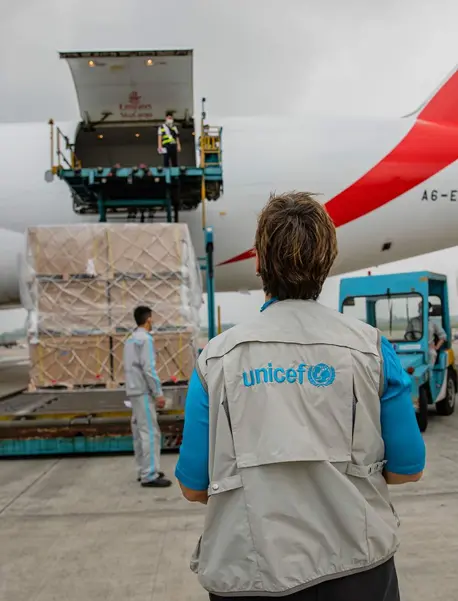
UNICEF works in over 190 countries and territories — more places than any other children's organization. UNICEF has the world's largest humanitarian warehouse and, when disaster strikes, can get supplies almost anywhere within 72 hours. Constantly innovating, always advocating for a better world for children, UNICEF works to ensure that every child can grow up healthy, educated, protected and respected.
Would you like to help give all children the opportunity to reach their full potential? There are many ways to get involved.