Nepal Flash Floods: Children Need Help Urgently
Highlights
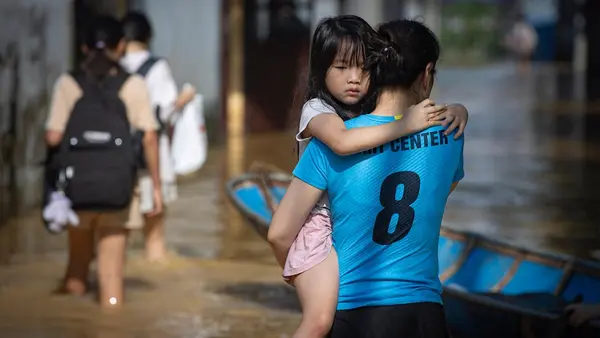
- Massive flash floods tore through Nepal on Aug. 26, 2026, sweeping away whole villages and damaging infrastructure
- Children who survived the floods now face heightened risk of disease, malnutrition, violence and exploitation
- UNICEF is working with partners to deliver urgently needed supplies and restore basic services for children and their families
- To sustain its emergency response in Nepal and support early recovery, UNICEF is appealing for $17.2 million
More than 32,000 children are in need of humanitarian assistance following catastrophic flash flooding in Nepal. UNICEF is working with partners to deliver emergency relief and support early recovery.
Support UNICEF's lifesaving work for children
Updated Oct. 5, 2026
Families face devastating loss, displacement and uncertainty
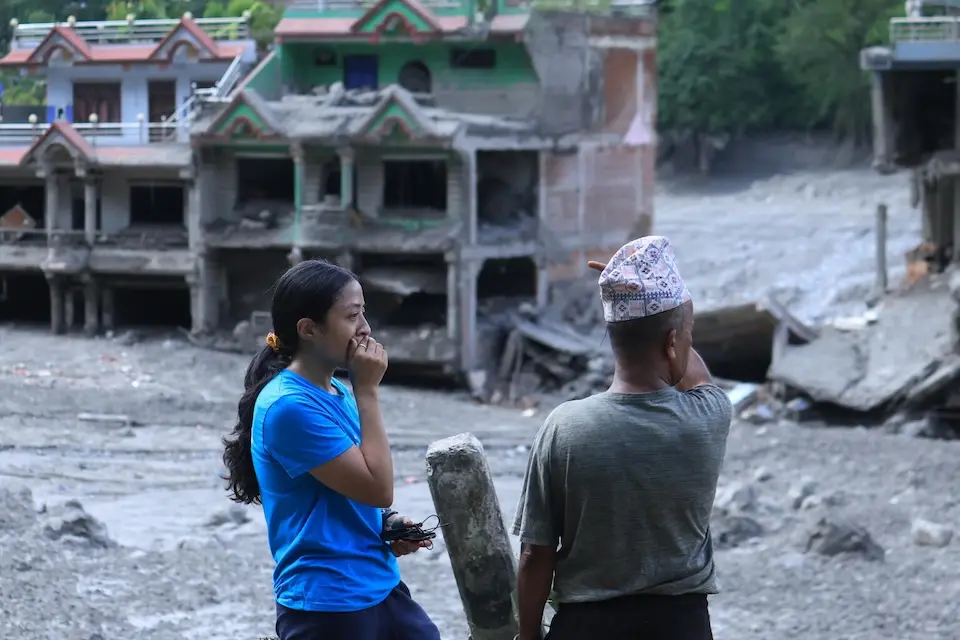
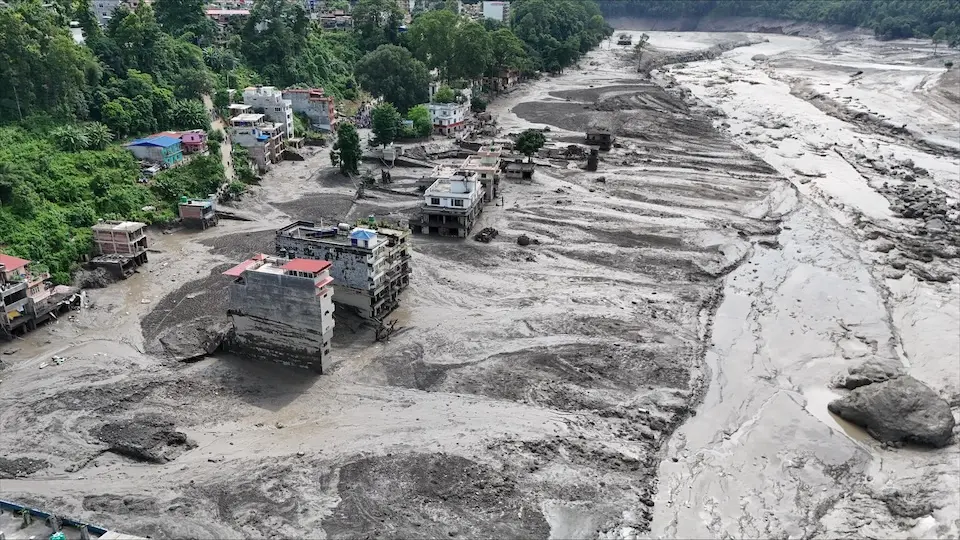
UNICEF is supporting emergency response efforts after massive flash floods tore through Nepal on Aug. 26, 2026, sweeping away entire communities and causing widespread damage to roads, bridges, hydropower projects, water systems and telecommunications networks.
The flooding affected an estimated 84,000 people including more than 32,000 children across Rasuwa, Nuwakot, Dhading, Gorkha and Tanahun districts. More than 900 people have been reported dead.
Read UNICEF's latest Nepal flood response situation report
Video:
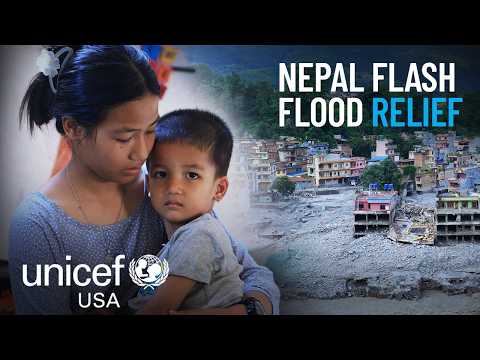
Children who survived the Nepal floods now face heightened risk of disease, malnutrition, violence and exploitation
UNICEF is working with the Government of Nepal and humanitarian partners to support displaced communities through emergency assistance and recovery efforts. This includes helping restore access to basic services and providing critical supplies to affected households. Access constraints and infrastructure damage continue to challenge the response.
At least seven health facilities were destroyed or damaged, preventing children and families from accessing health care just when they need it most. UNICEF is supporting the delivery of essential health services in flood-affected areas — deploying emergency medical supplies, supporting health facilities and preparing mental health and psychosocial support services for affected children and their families.
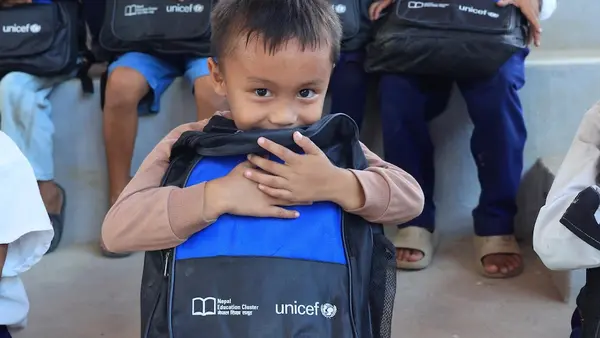
The flash floods destroyed or damaged 23 schools, depriving children of safe spaces to learn, play and recover. UNICEF has set up 20 child-friendly spaces, reaching more than 800 children with structured play and recreational activities, and established 48 temporary learning centers for more than 1,400 children. More than 2,700 young learners have received education supplies.
Learn more about UNICEF flood relief
Critical supplies dispatched, support teams mobilized
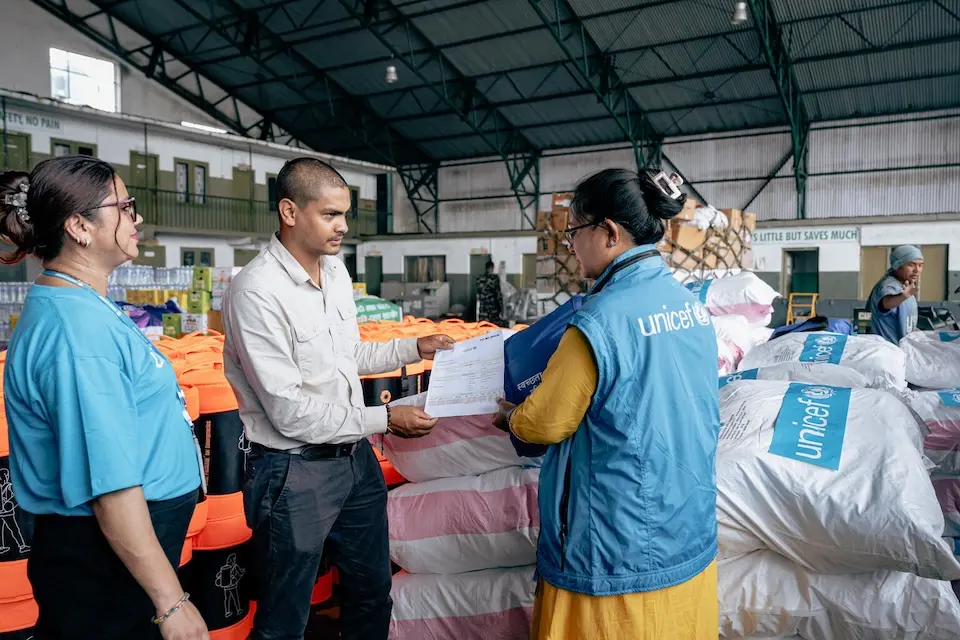
In the early days of the response, UNICEF delivered critical supplies for about 19,000 people to Rasuwa and Nuwakot districts, including emergency hygiene kits, buckets, soap, disinfectant, collapsible jerrycans, water purification products and risk communication materials. In the days that followed, additional supplies were distributed to the hardest-hit communities: medical tents, bed nets and newborn kits, and ready-to-use therapeutic food (RUTF) for children with acute malnutrition. More than 1,700 children have been screened for malnutrition; 39 received treatment.
"Beyond the visible destruction, these floods have left deep emotional scars on children and families," Alice Akunga, UNICEF Representative to Nepal, said on Sept. 15. "The floods struck during the school day, shattering children's sense of safety in an instant. Many children witnessed distressing events and are now struggling with fear, anxiety and grief, with some unable to speak about what they experienced. Alongside humanitarian supplies and restoration of critical infrastructure, children need mental health and psychosocial support to help them process what happened, regain a sense of security and begin to recover."
Beyond the visible destruction, these floods have left deep emotional scars on children and families ... Alongside humanitarian supplies and restoration of critical infrastructure, children need mental health and psychosocial support to help them process what happened, regain a sense of security and begin to recover. — Alice Akunga, UNICEF Representative to Nepal
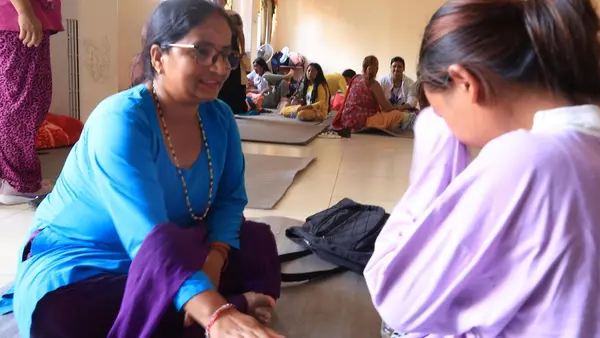
More than 9,700 people have received mental health and psychosocial support through community-based psychosocial support systems, specialized mental health services and psychological first aid in schools. UNICEF is working to identify, register and reunite children who have become separated from their families; 24 children had been successfully reunited with their families, while 29 are in temporary protection centers and 238 are undergoing profiling and verification.
UNICEF is also working with the Government of Nepal to deliver emergency cash assistance to affected households to help families meet urgent basic needs and avoid resorting to harmful coping strategies. By Sept. 22, 120 households had received emergency cash transfers.
Video:
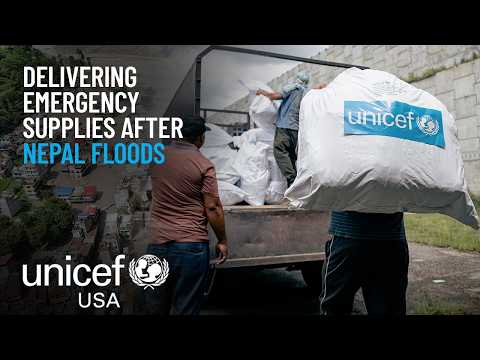
Over 500 million children live in flood zones worldwide
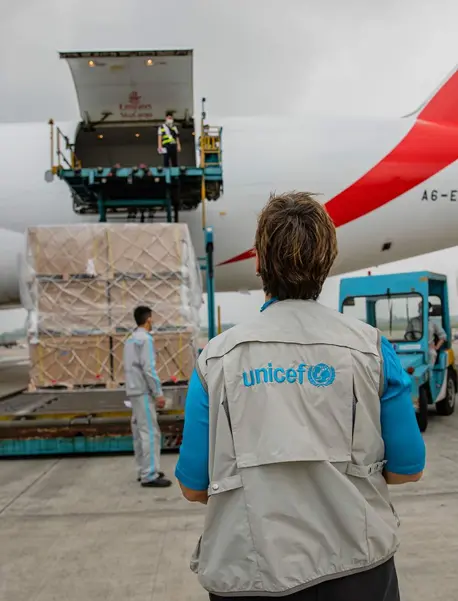
When severe flooding puts children and their families at risk, UNICEF works with partners to meet children's immediate needs. UNICEF's supply and logistics operation, based in Copenhagen, can deliver emergency supplies anywhere in the world within 72 hours.
Emergency response prioritizes the immediate well-being, safety and recovery of children and their families, while supporting longer-term efforts to rebuild essential community services and strengthen resilience to future disasters.
As a global leader in emergency humanitarian relief, UNICEF responded to 414 emergencies in 101 countries and territories in 2025 alone, working alongside partners across all sectors to protect children and adolescents from harm and safeguard their rights.
Related: What Does Natural Disaster Relief Look Like?
More support is needed for UNICEF's emergency response to flooding in Nepal
UNICEF has been working in Nepal since 1964, advocating for children's rights and helping to strengthen the systems and services they rely on. Recent UNICEF impact for children in Nepal includes delivery of ready-to-use therapeutic food for the treatment of malnourished children in Karnali province, and the establishment of a breast milk bank for newborns in Kathmandu.
UNICEF is appealing for $17.2 million to sustain its emergency response in Nepal and support early recovery until the full extent of needs are assessed. Without urgent and flexible funding, UNICEF's ability to deliver essential health, nutrition, water, sanitation and hygiene (WASH), education, child protection and social protection services to children — including children with disabilities — and women will be severely constrained.
Flexible funding is UNICEF's most powerful tool. It allows UNICEF to make direct allocations toward the highest-impact work, which matters most in emergencies, where children's needs shift constantly and agility is critical. In Nepal, flexible funding was some of the first to support UNICEF's country-level response, with more than $2.5 million helping teams on the ground kick-start the delivery of urgently needed humanitarian aid.
Support UNICEF's lifesaving work for children
Read more stories about UNICEF in action
HOW TO HELP
There are many ways to make a difference
War, famine, poverty, natural disasters — threats to the world's children keep coming. But UNICEF won't stop working to keep children healthy and safe.
UNICEF works in over 190 countries and territories — more places than any other children's organization. UNICEF has the world's largest humanitarian warehouse and, when disaster strikes, can get supplies almost anywhere within 72 hours. Constantly innovating, always advocating for a better world for children, UNICEF works to ensure that every child can grow up healthy, educated, protected and respected.
Would you like to help give all children the opportunity to reach their full potential? There are many ways to get involved.