Going the Last Mile to Help Malnourished Children in Nepal
Highlights
- The U.S. Government has provided 10,000 cartons of ready-to-use therapeutic food (RUTF) to the Government of Nepal through UNICEF
- RUTF allows severely malnourished children to be treated closer to home, instead of being admitted to health facilities
- Since its introduction in Nepal in 2009, RUTF has been used to treat thousands of children diagnosed with severe acute malnutrition
In Nepal’s remote west, ready-to-use therapeutic food supplied with support from the U.S. Government and UNICEF is helping children with severe acute malnutrition recover closer to home.
Ready-to-use therapeutic food (RUTF) saves lives
DOLPA DISTRICT, KARNALI PROVINCE, NEPAL In the high mountains of Dolpa, where roads give way to narrow foot trails and the landscape opens into steep cliffs, windswept valleys and snow-bright ridgelines, almost everything has to travel a long way to reach the communities scattered across the district. This includes ready-to-use therapeutic food (RUTF), a lifesaving treatment for children with severe acute malnutrition.
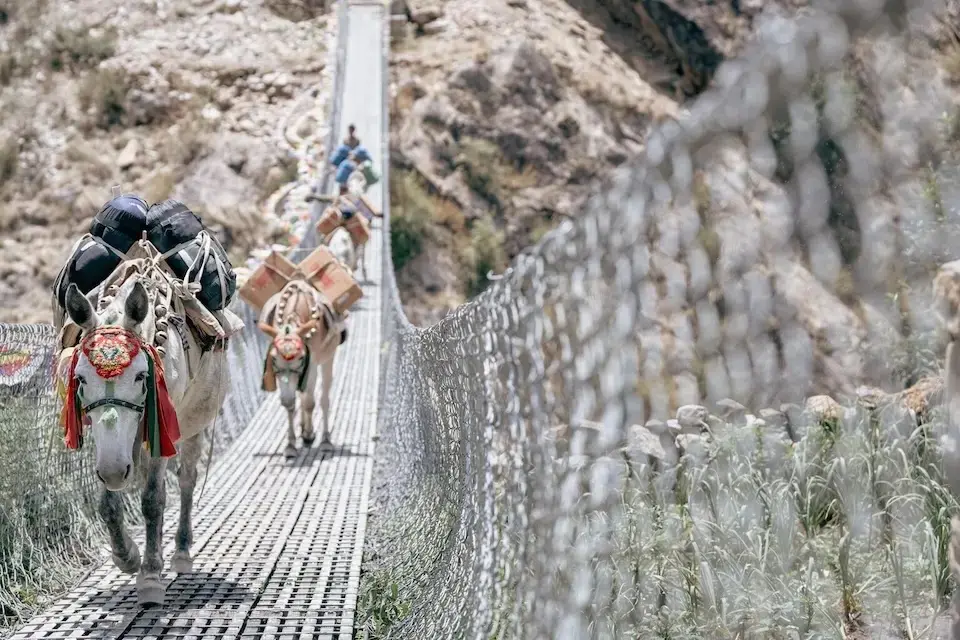
On some stretches, boxes of RUTF are loaded onto vehicles. When the roads end, the boxes are carried along mountain paths, past stone settlements and open slopes, over terrain where every turn depends on weather, distance and the sure footing of animals and people.
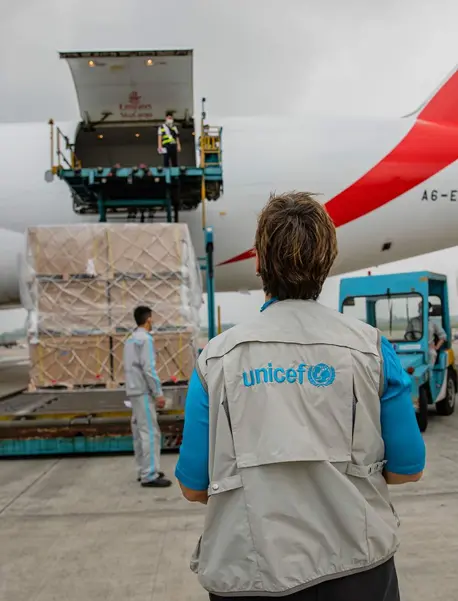
Supporting this last-mile effort, the U.S. Government has provided 10,000 cartons of RUTF to the Government of Nepal through UNICEF. The supplies were handed over to the Government’s central medical store in Pathlaiya before being dispatched through provincial and district health systems to communities, based on need.
“Logistically, getting these to such remote districts is tough,” says UNICEF Nutrition Officer Sher Singh Dahit. “In some places, vehicles are used, but in others, we have to rely on mules.”
Watch the video:
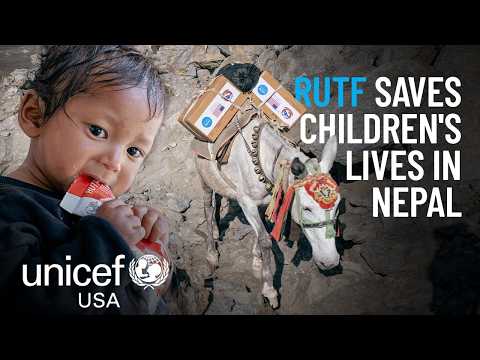
For 27-year-old Lal Kumari Ukheda, who lives in Dolpa’s Tripurasundari municipality, that journey became deeply personal when health workers identified her youngest son, 21-month-old Nirajan, as severely acutely malnourished. Lal Kumari has three children, and she says Nirajan struggled from birth.
"When he was born, he only weighed 1 kilogram,” she says. “I exclusively breastfed him for the first six months, and after that we tried giving him porridge and other foods, but he still didn’t improve.”
Learn more about how UNICEF helps improve child nutrition in Nepal
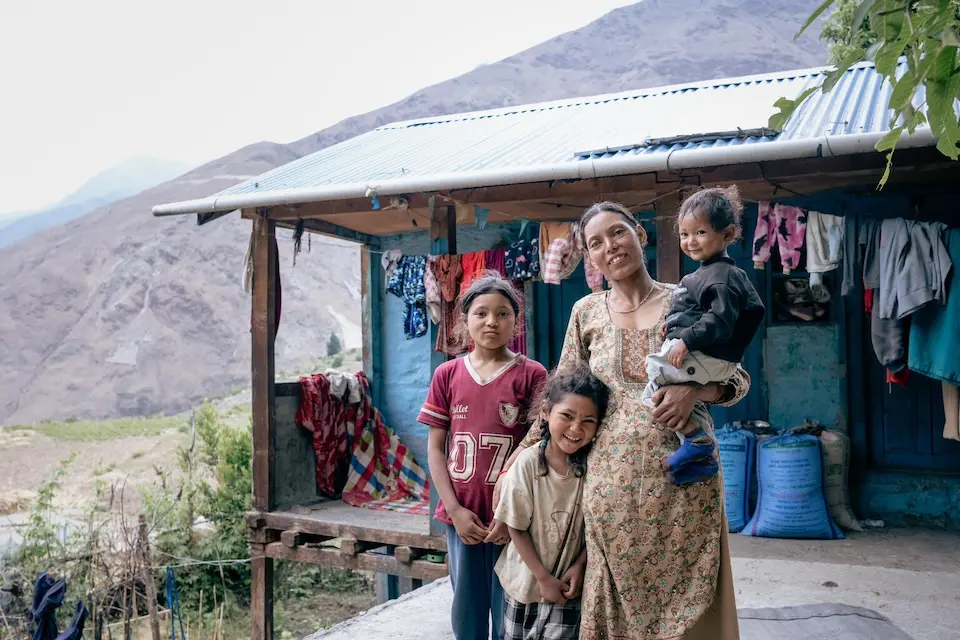
Health workers and community health volunteers monitor children's progress
During regular community visits, health workers and female community health volunteers check children’s growth by measuring their weight, height and mid-upper arm circumference. It was through this process that Nirajan’s condition was confirmed, and Lal Kumari was advised to start him on RUTF.
“We have been giving it to him for around a week now," Lal Kumari says. "The health worker said he is already showing some improvement compared to before. She told me to keep feeding it to him.”
Learn more about how mid-upper arm circumference (MUAC) tapes are used to screen for malnutrition
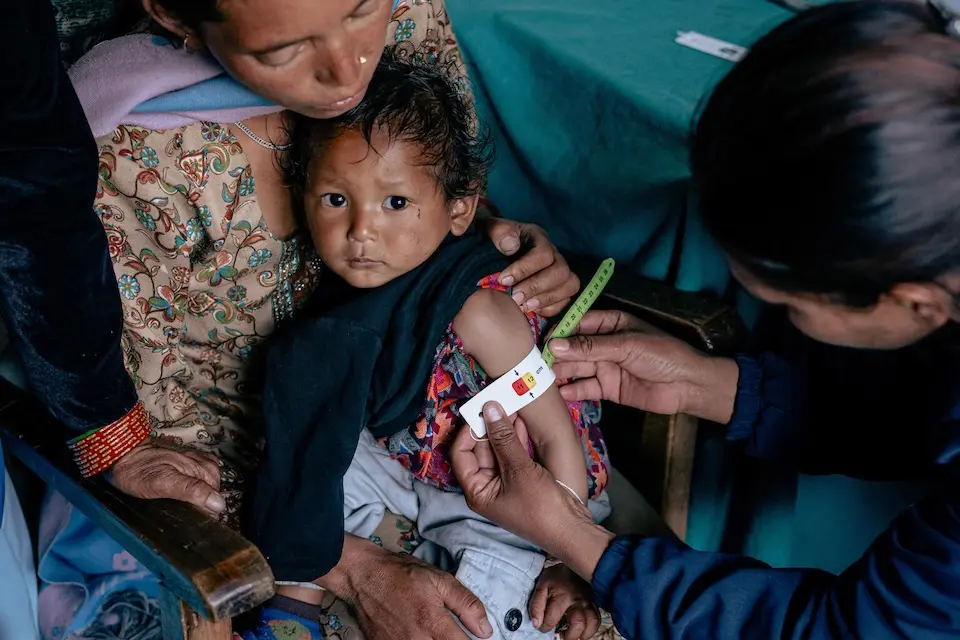
RUTF is a highly effective, nutrient-dense treatment for severe acute malnutrition
UNICEF has been procuring and delivering RUTF, a highly effective, ready-to-eat therapeutic food packed with essential nutrients, since 2000. RUTF does not need to be mixed with water, eliminating the risk of contamination from unsafe water. It has a shelf life of two years and requires no refrigeration. This means it can be transported long distances and severely malnourished children without medical complications can receive treatment closer to home. In the 1990s, before the introduction of RUTF, treatment for severe acute malnutrition was available only in hospitals.
Meet the people behind RUTF, a lifesaving innovation
At the local health post in Tripurasundari municipality, Senior Auxiliary Health Worker Sirjana Rokaya says each referred child is reassessed before treatment begins.
“When a child is referred from the village, we reassess their height, weight and MUAC status,” Sirjana explains. “Then we conduct an appetite test and counsel mothers on hand hygiene, cleanliness and packet sanitation before starting the treatment.” Children who can eat and have no severe medical complications are enrolled in outpatient therapeutic care and asked to return every seven days for follow-up.
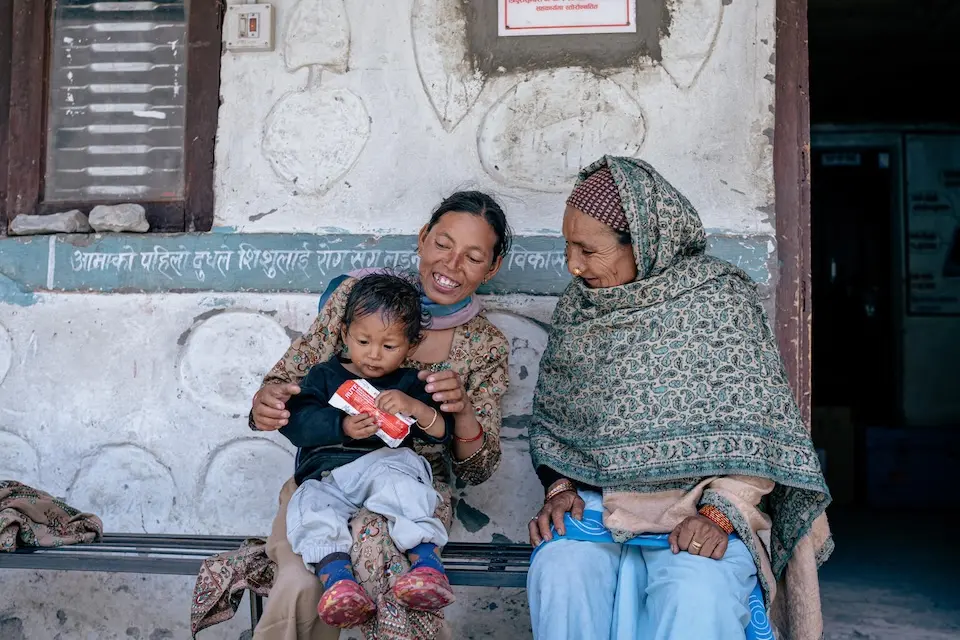
RUTF has been used to treat thousands of severely malnourished children in Nepal
Since its introduction in Nepal in 2009, RUTF has helped treat thousands of children with severe acute malnutrition across the country. This includes little Kishor, whose father, Hari Kumar Shahi, remembers being told to feed his son the paste consistently.
“It made a huge difference for him,” Shahi says.
The child, who weighed about 6 kilograms (13 pounds) at 11 months, began steadily gaining weight after treatment. Now nearly 3, he eats rice, lentils, vegetable curry and seasonal fruits like mangoes and bananas.
“He’s doing great now,” Shahi says.
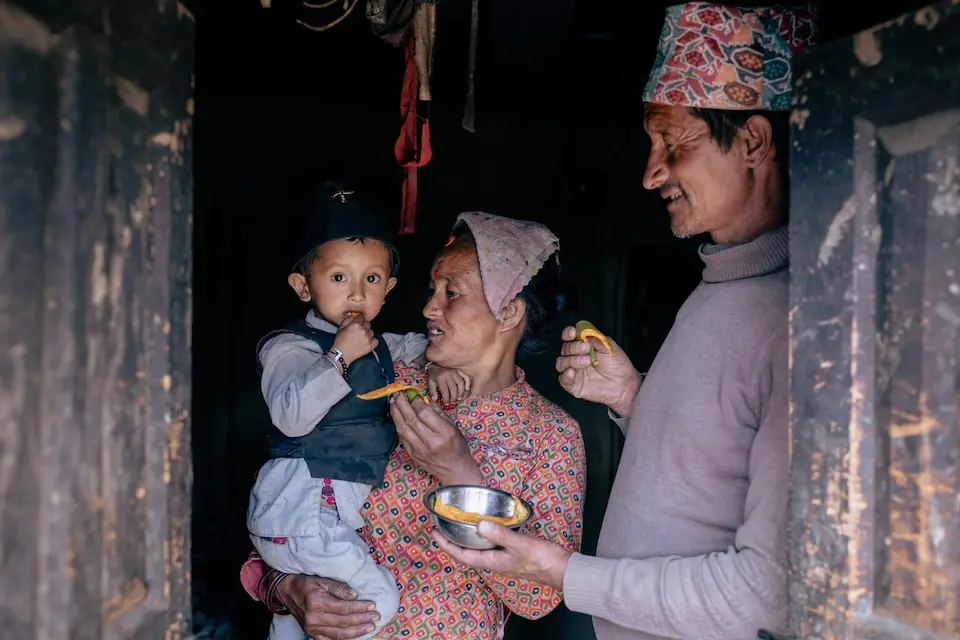
For Lal Kumari, of course, it is still early. Nirajan has only just started treatment, and she knows she will need to return regularly for follow-up supplies. But after months of worry, the first signs of improvement have given her hope. Health workers have also counseled her on feeding her other children nutritious foods such as green vegetables, eggs, milk and yogurt, and on maintaining hygiene at home.
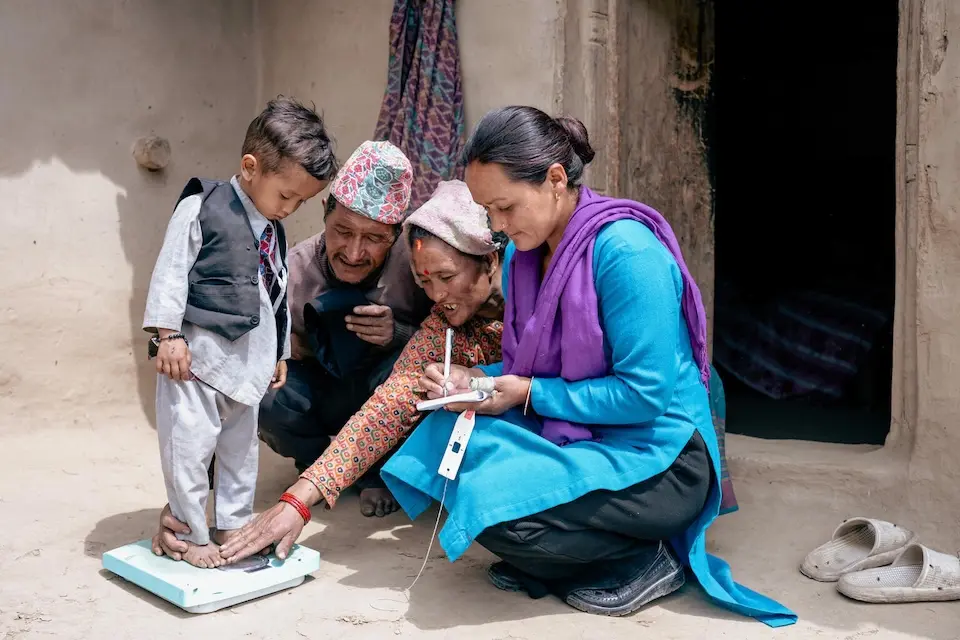
In Dolpa, where distance and terrain can place essential services far from families, each packet of RUTF reflects the work of many hands: support from the U.S. Government that helps make supplies available, government systems that move them through the health network, UNICEF’s support to reach remote areas, health workers who identify and treat children, and families who continue care at home.
For children like Nirajan and Kishor, that partnership can mean the chance to recover, grow stronger and continue childhood with better health.
This story was originally published on unicef.org
HOW TO HELP
There are many ways to make a difference
War, famine, poverty, natural disasters — threats to the world's children keep coming. But UNICEF won't stop working to keep children healthy and safe.
UNICEF works in over 190 countries and territories — more places than any other children's organization. UNICEF has the world's largest humanitarian warehouse and, when disaster strikes, can get supplies almost anywhere within 72 hours. Constantly innovating, always advocating for a better world for children, UNICEF works to ensure that every child can grow up healthy, educated, protected and respected.
Would you like to help give all children the opportunity to reach their full potential? There are many ways to get involved.